‘The purple noon’s transparent might’ — History & Analysis
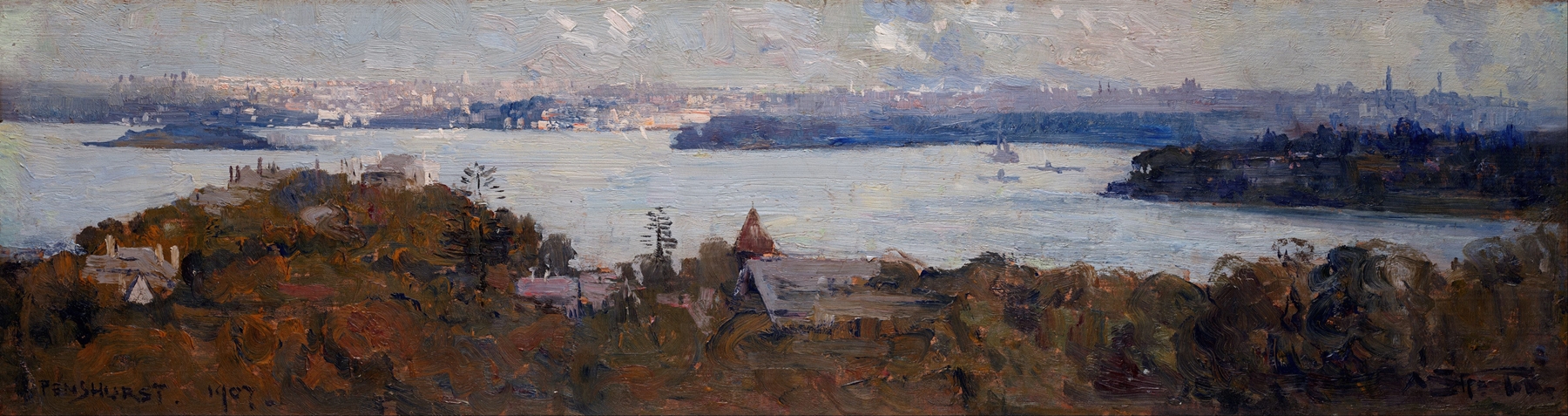
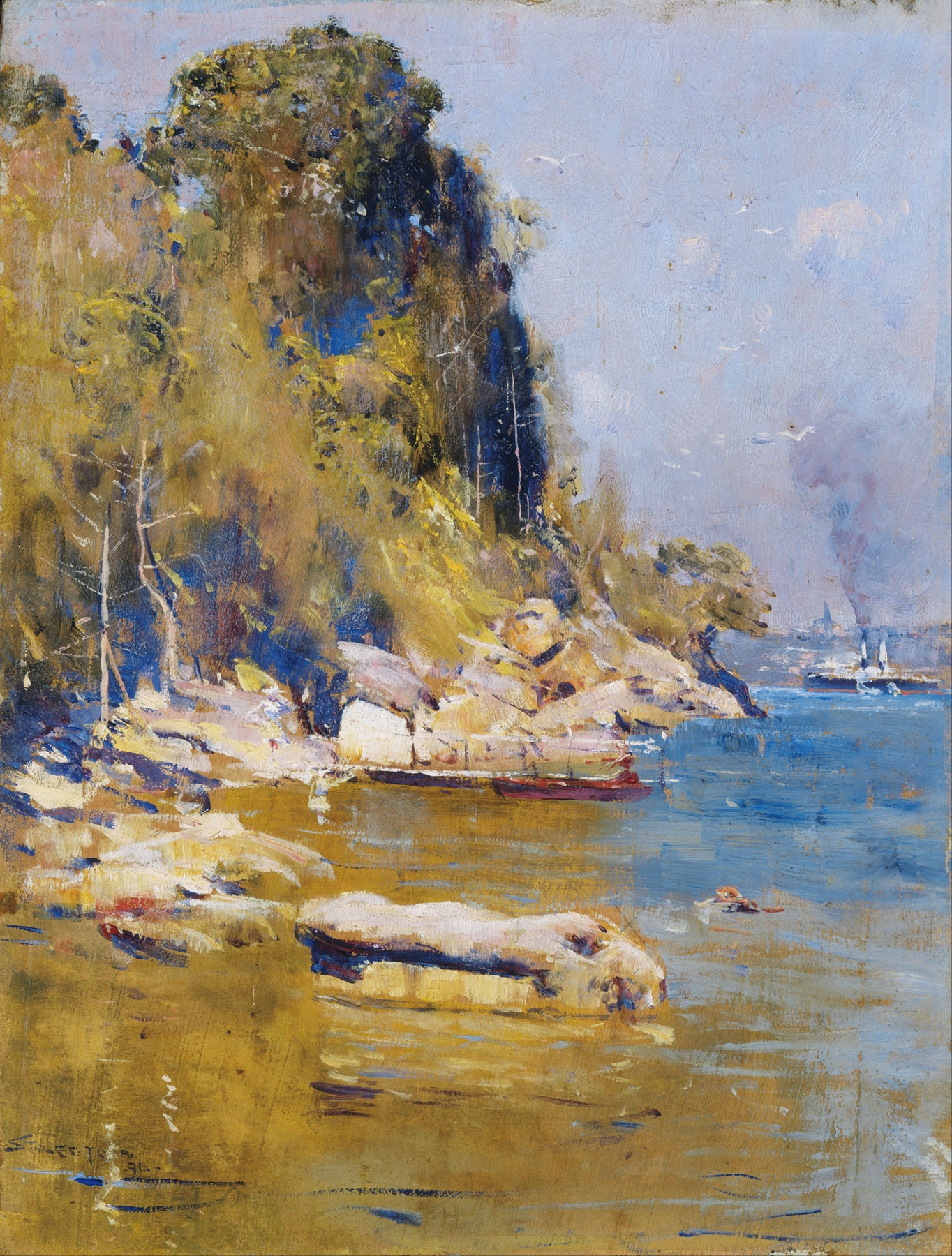
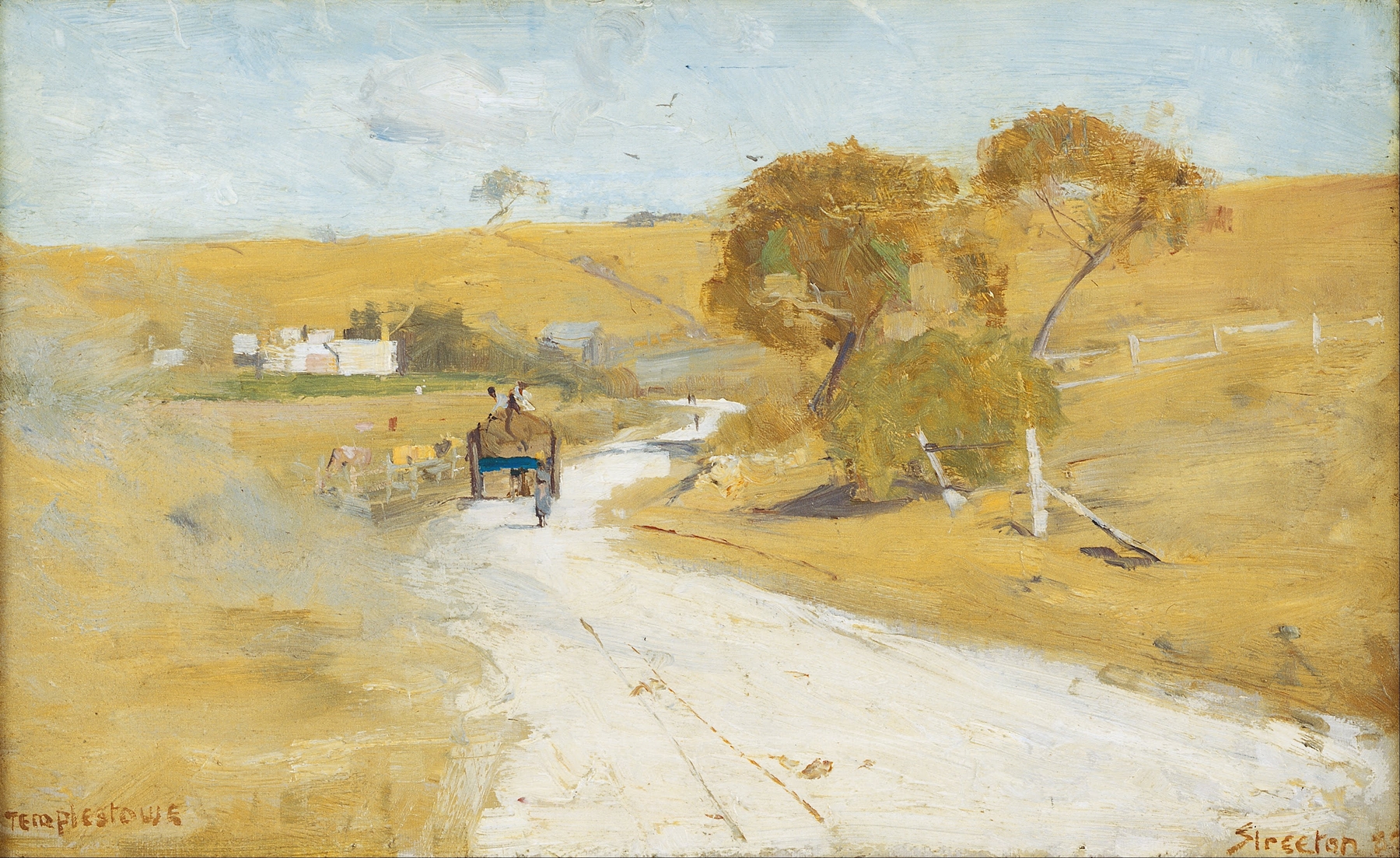
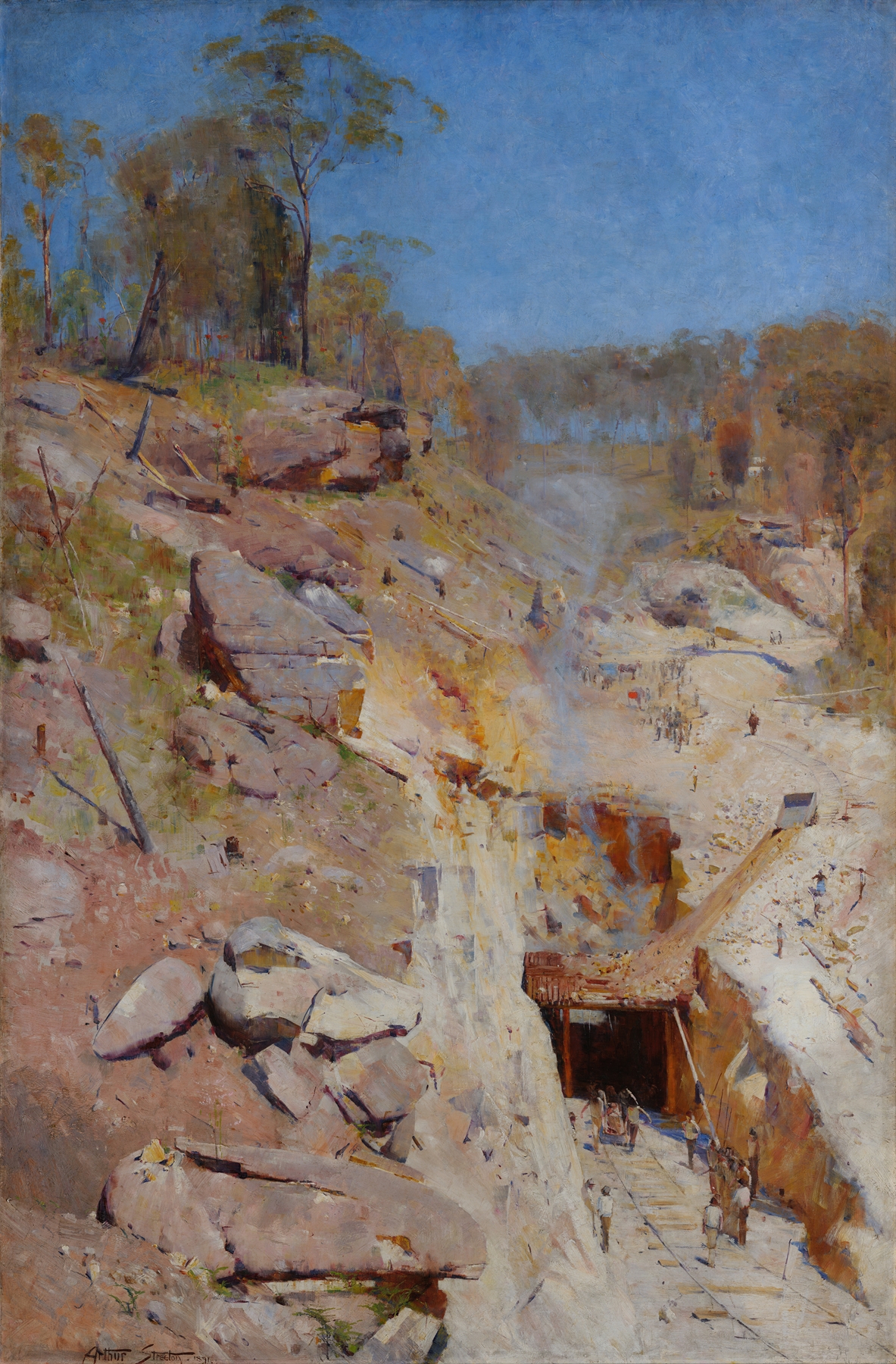
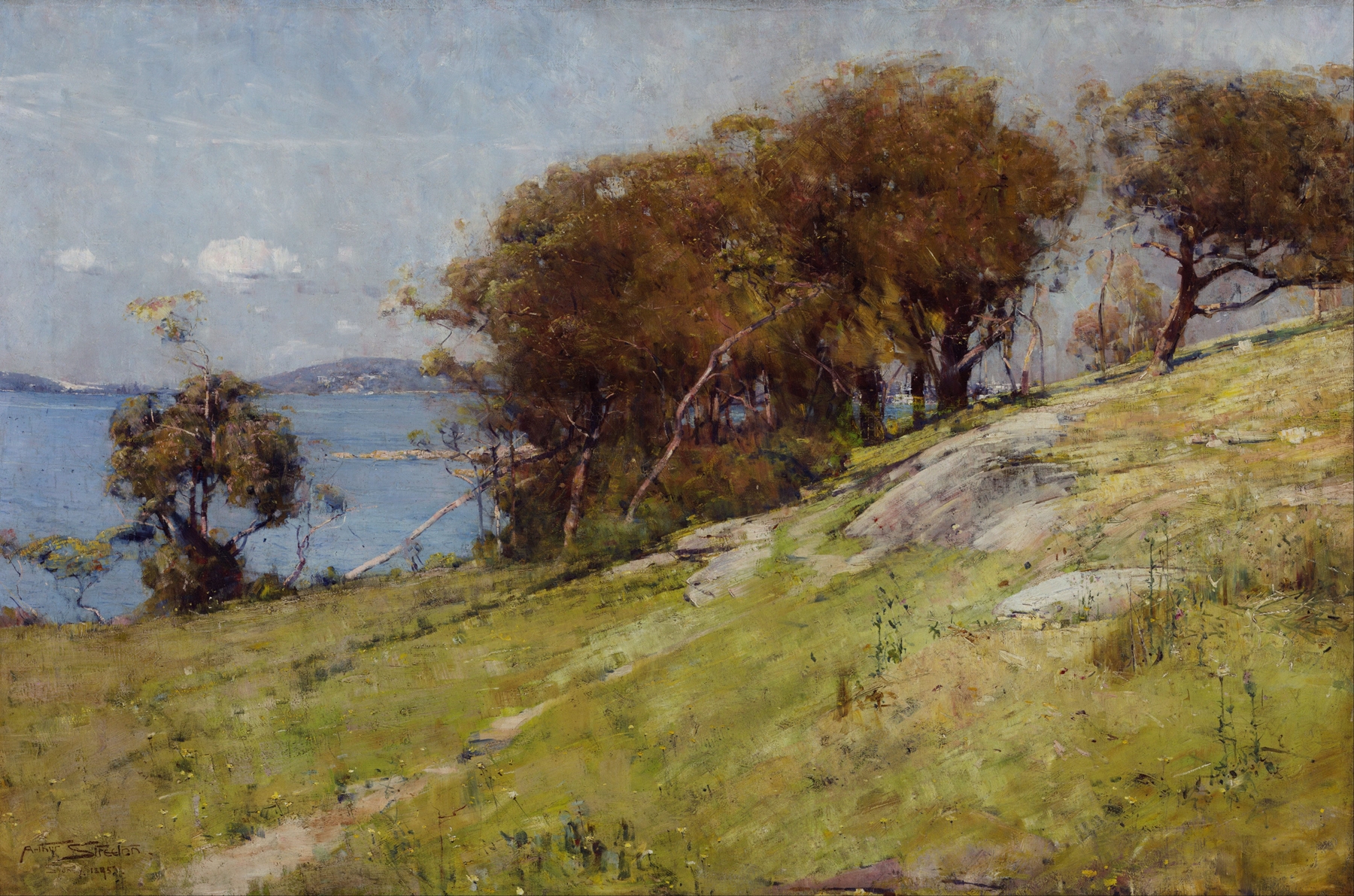
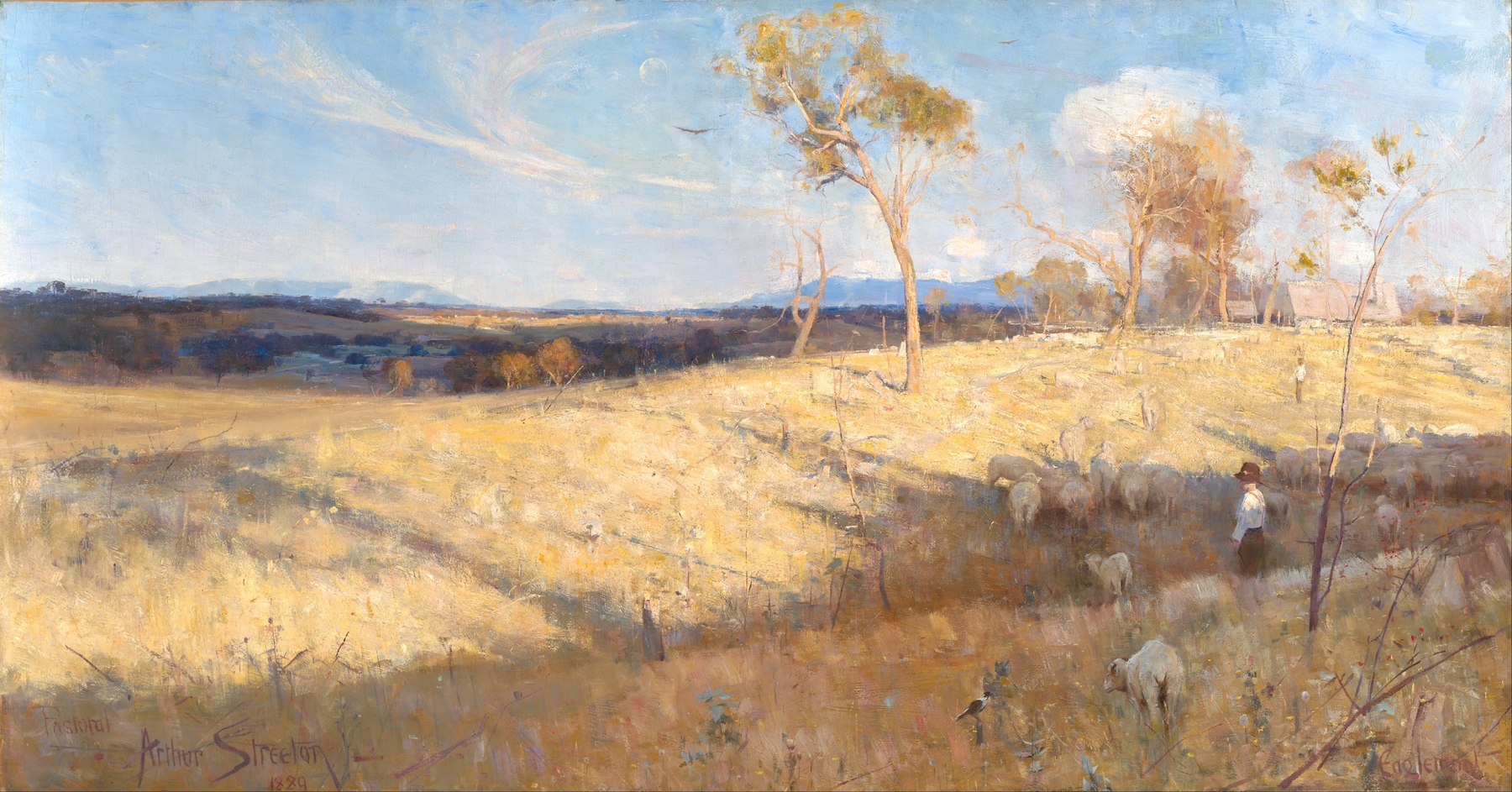
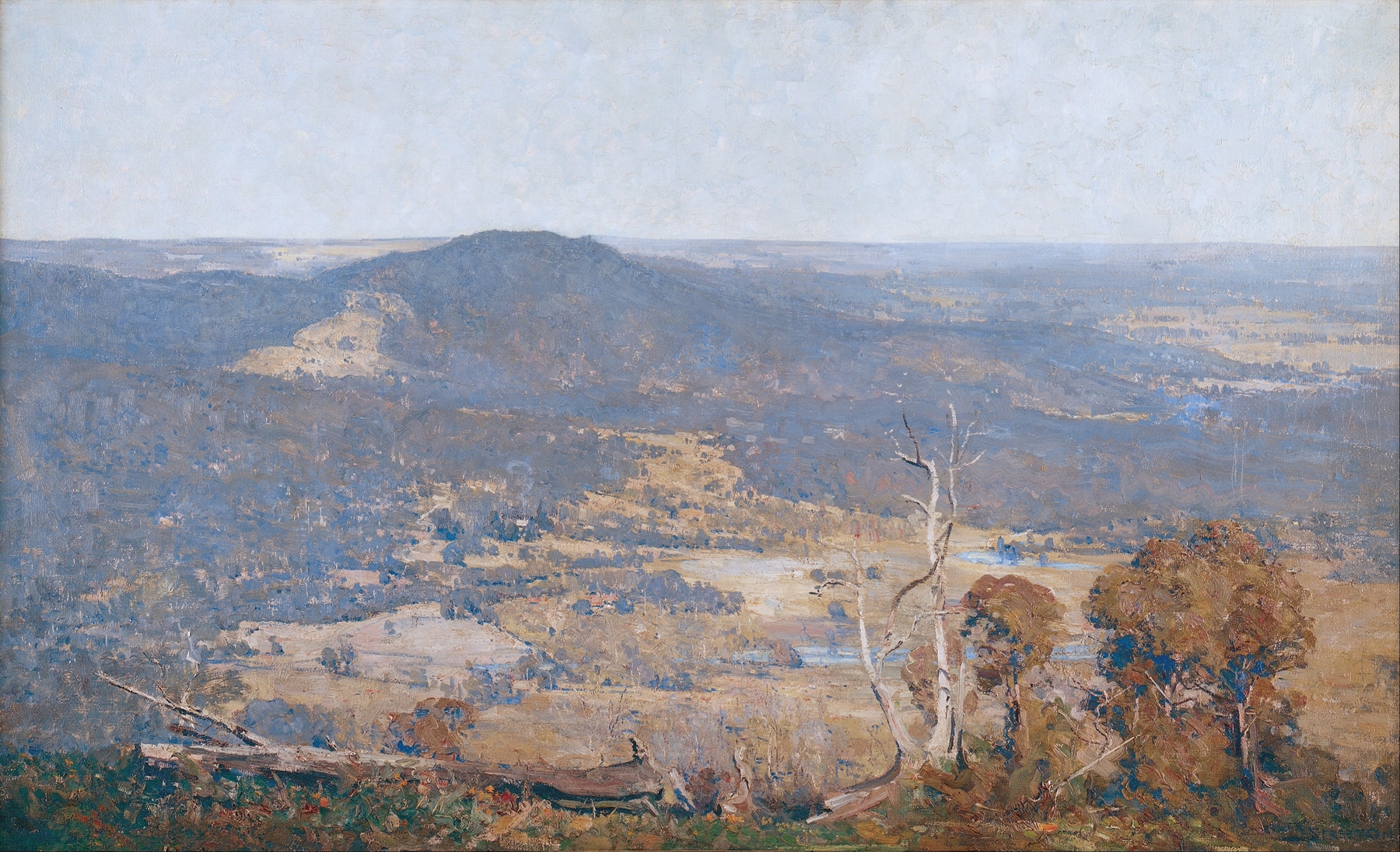
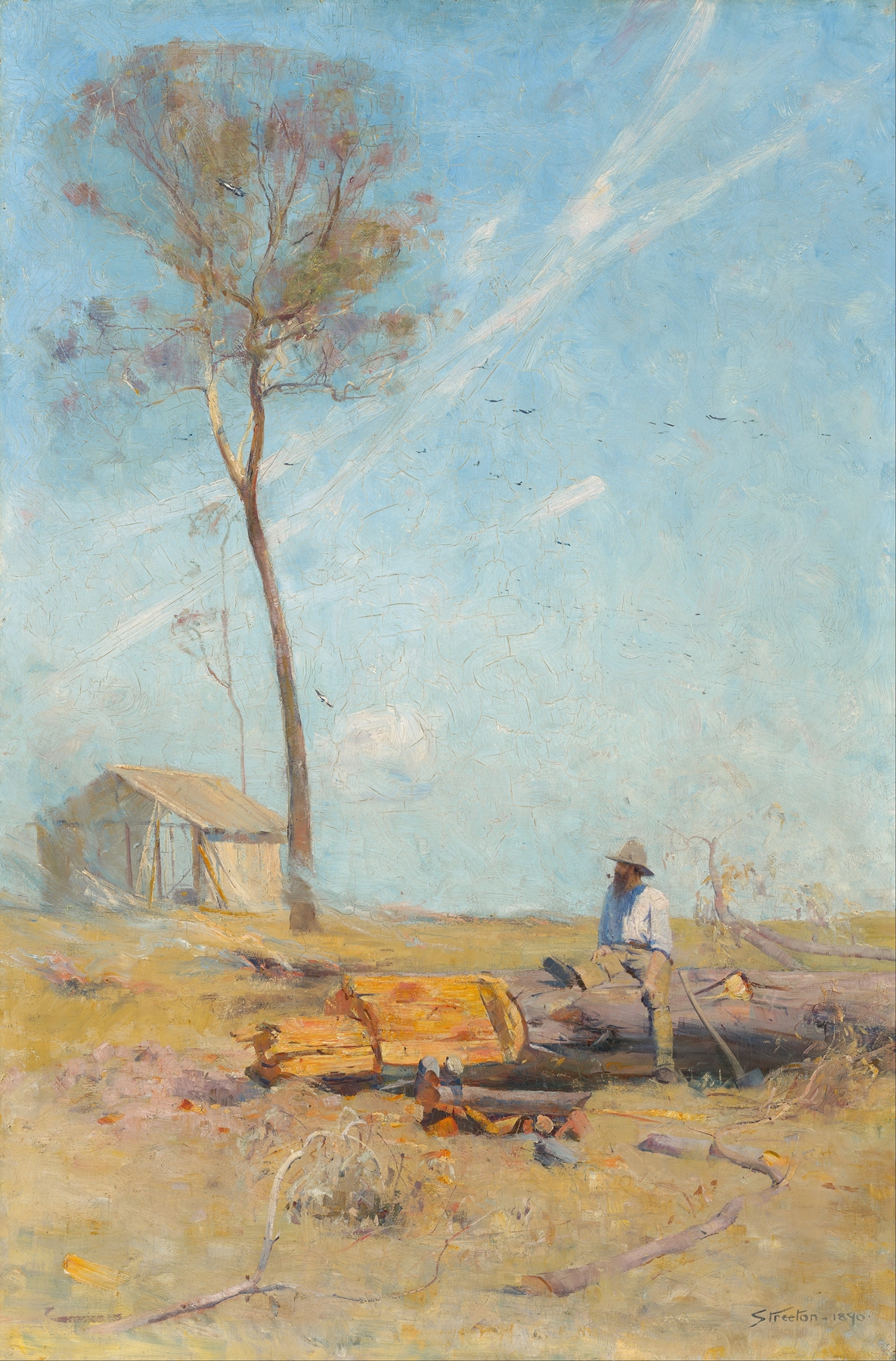
Can paint confess what words never could? In The purple noon’s transparent might, the canvas breathes the awakening of a landscape bathed in the ethereal glow of midday. This moment, suspended in pigment, invites the viewer to experience nature’s intimate dialogue, where silent beauty resonates deeply. Look to the left, where a cascade of lilac and golden hues converge in the sky, and notice how the brushstrokes flow effortlessly, mimicking the gentle caress of a warm breeze.
The foreground is dominated by lush greenery, inviting you to trace the delicate details in the leaves, each stroke a testament to the artist’s mastery. The interplay of light dances across the landscape, illuminating the earth with a transparency that seems to vibrate with life, while shadows whisper secrets of the hidden depths beneath the surface. Yet, beneath this idyllic exterior lies a profound tension; the contrast between the vibrancy of nature and the quiet solitude it evokes speaks volumes. Each element—the shimmering light, the serene skies, the undulating hills—tells a story of both hope and introspection.
As the viewer gazes deeper, the realization dawns that this landscape is not merely a scene but a conduit for reflection, evoking the complexities of human emotion and the yearning for connection. Arthur Streeton painted this piece during the late 19th century, a pivotal time in the Australian Impressionist movement. Living in Melbourne, he was surrounded by a burgeoning art scene that sought to capture the essence of the Australian landscape. Influenced by European styles yet driven by a desire to represent his homeland, Streeton’s work reflects both personal exploration and the broader artistic dialogue of his time.