The Queen’s Palace — History & Analysis
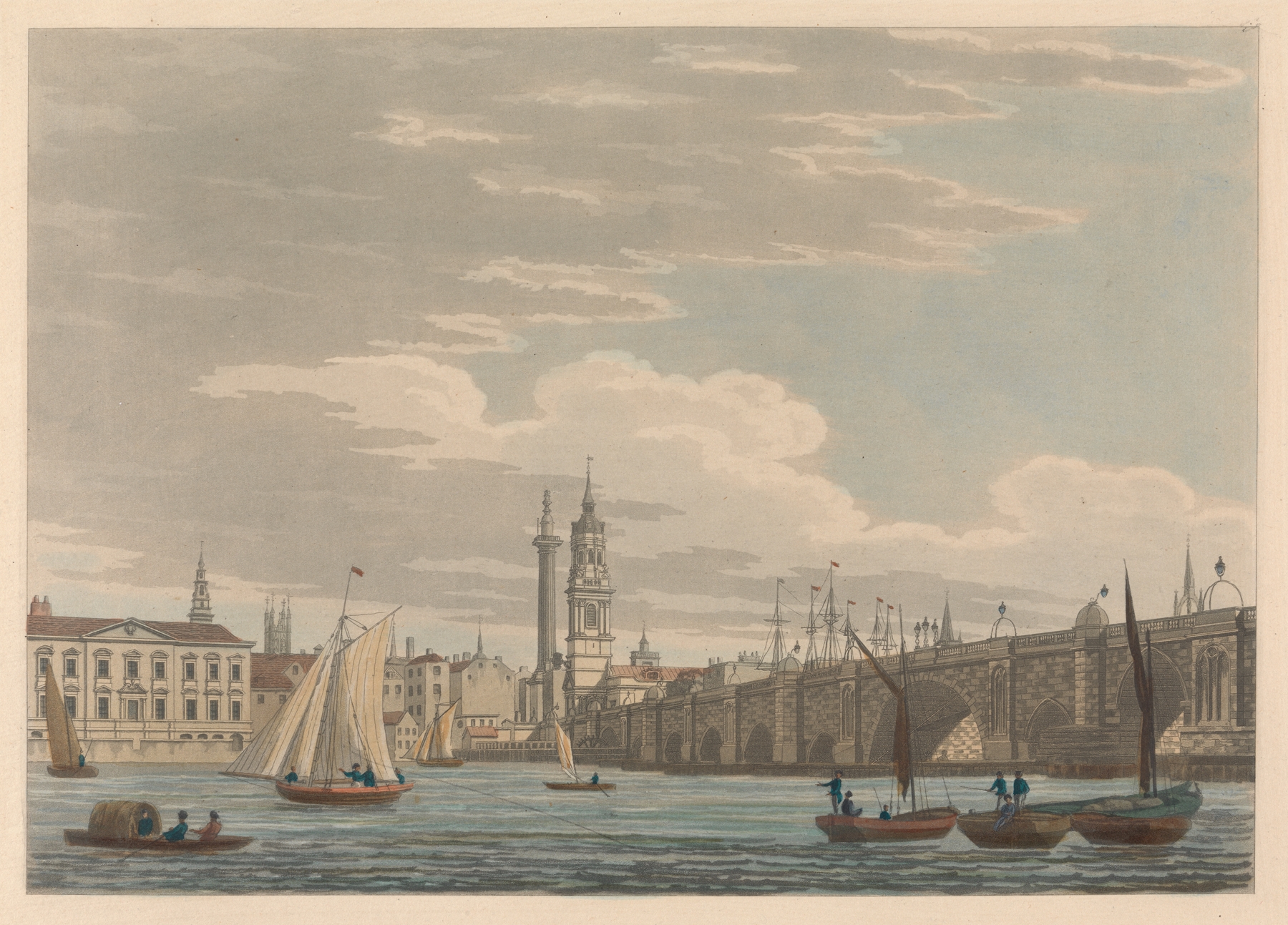
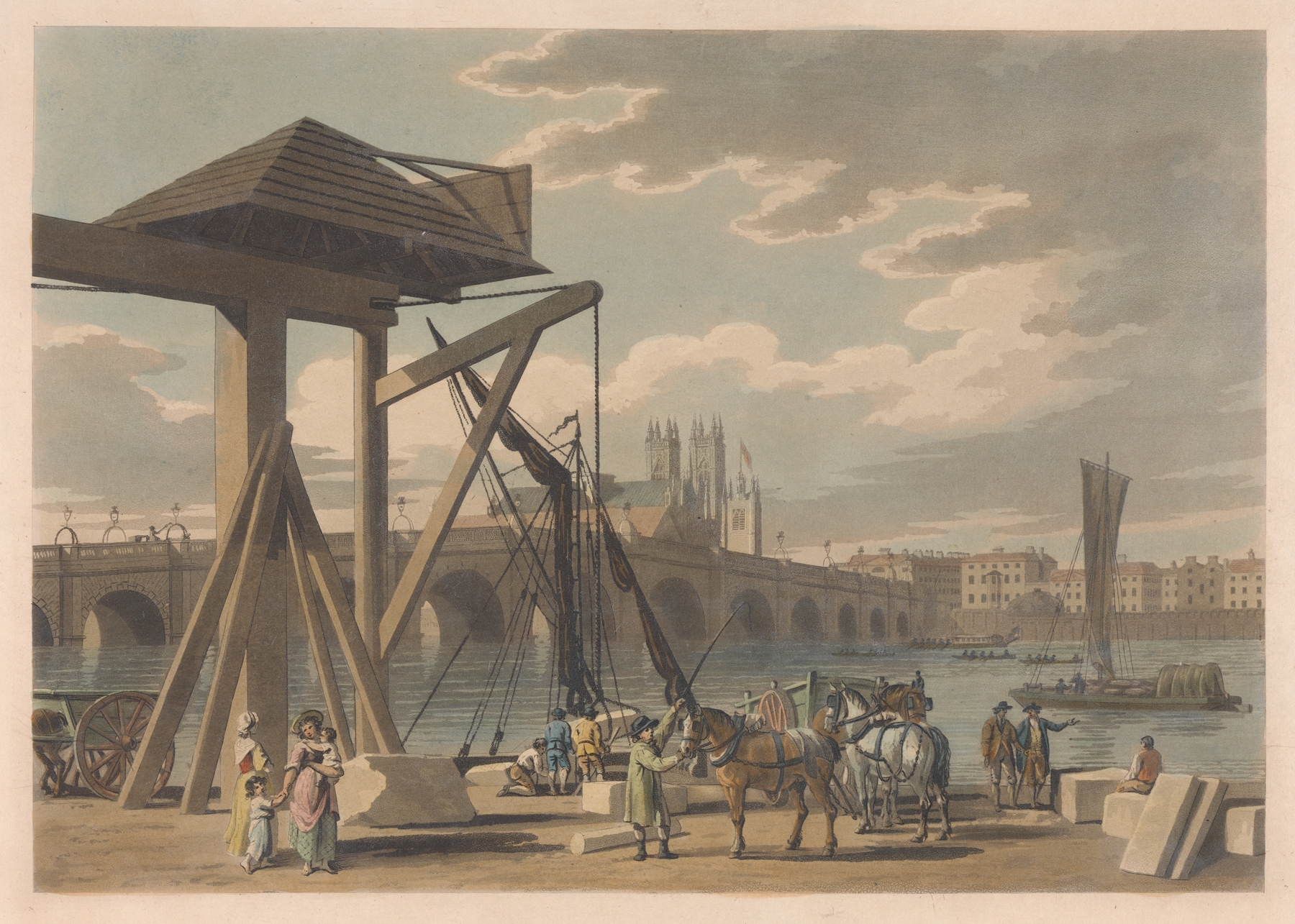
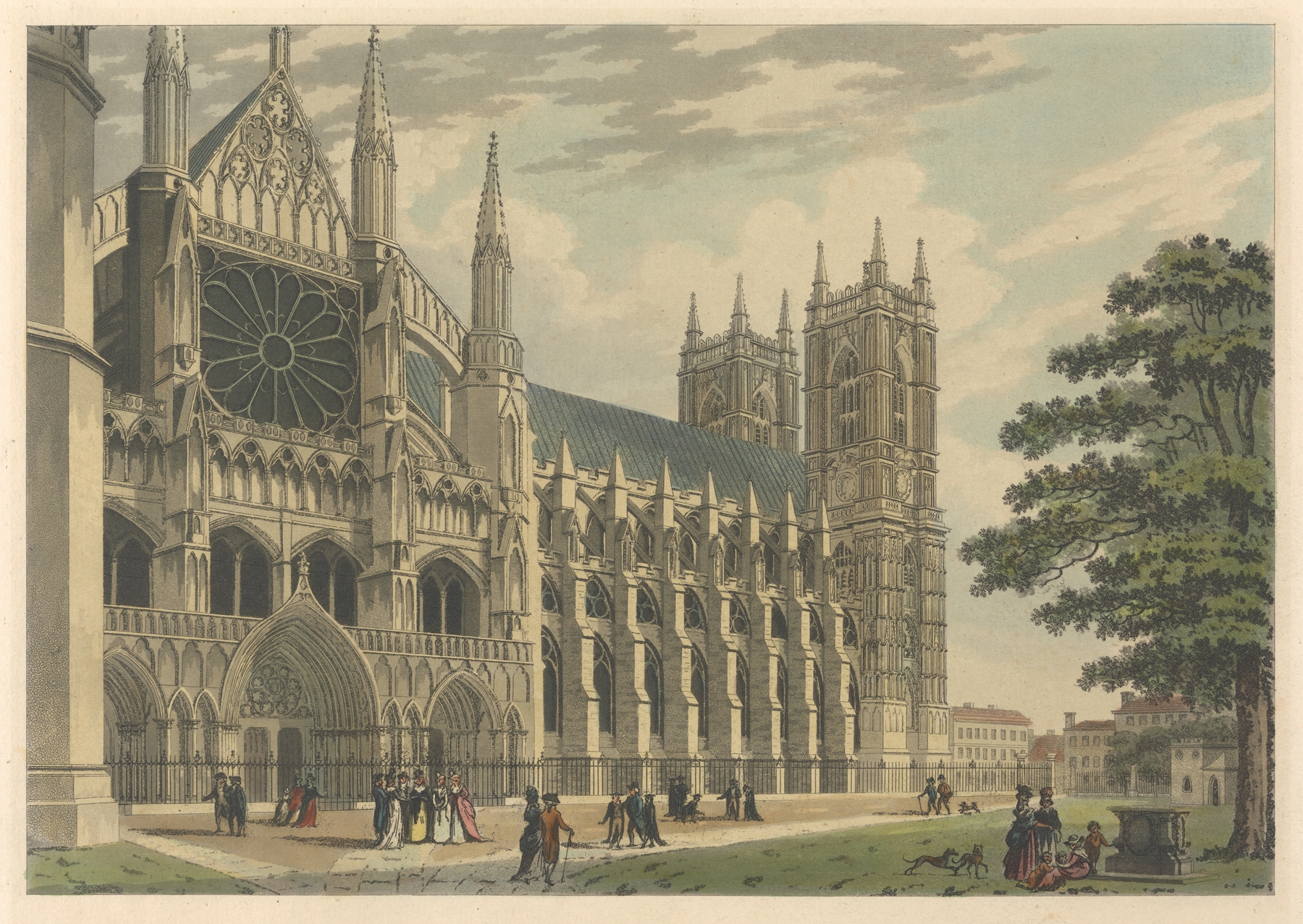
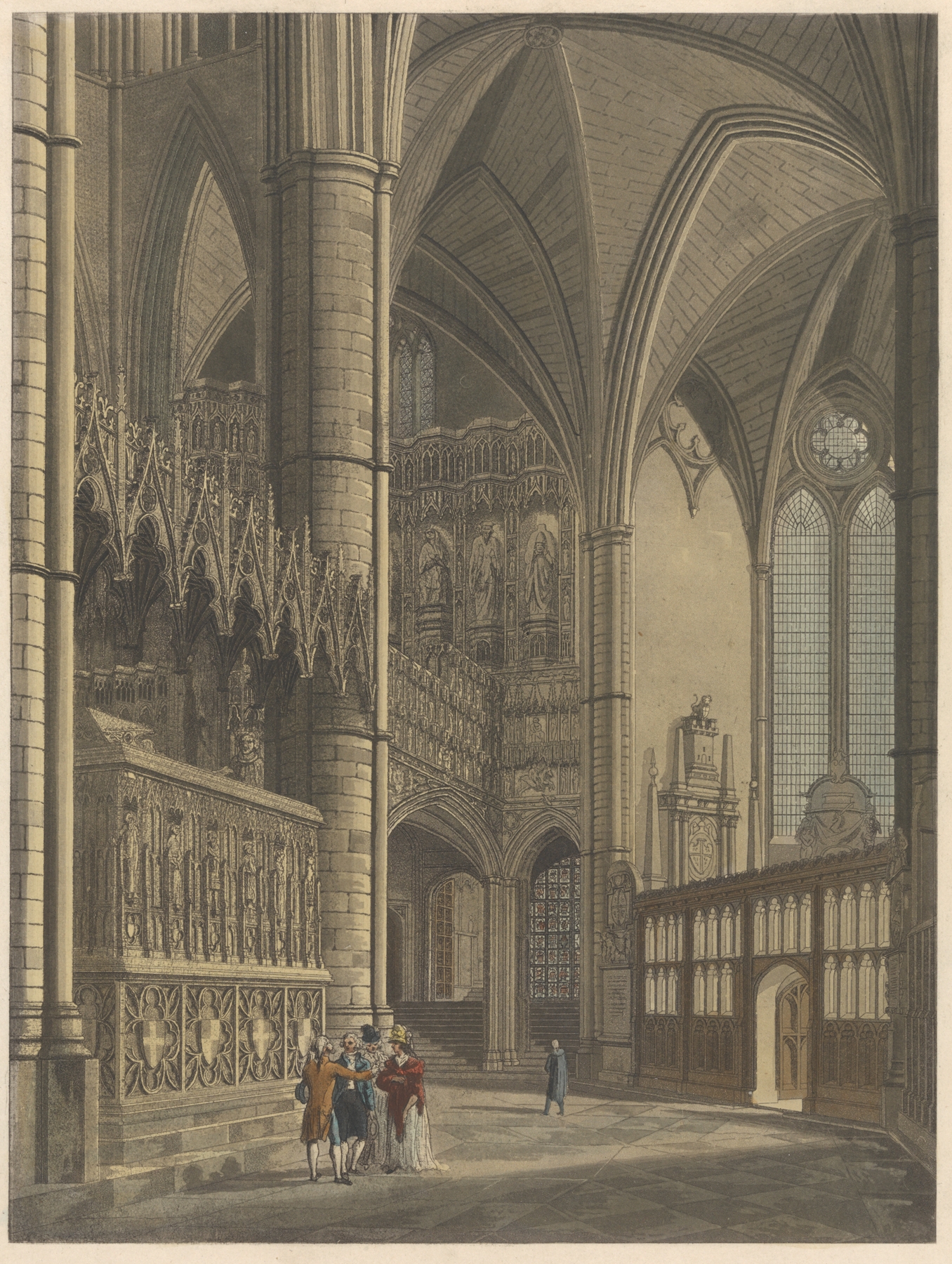
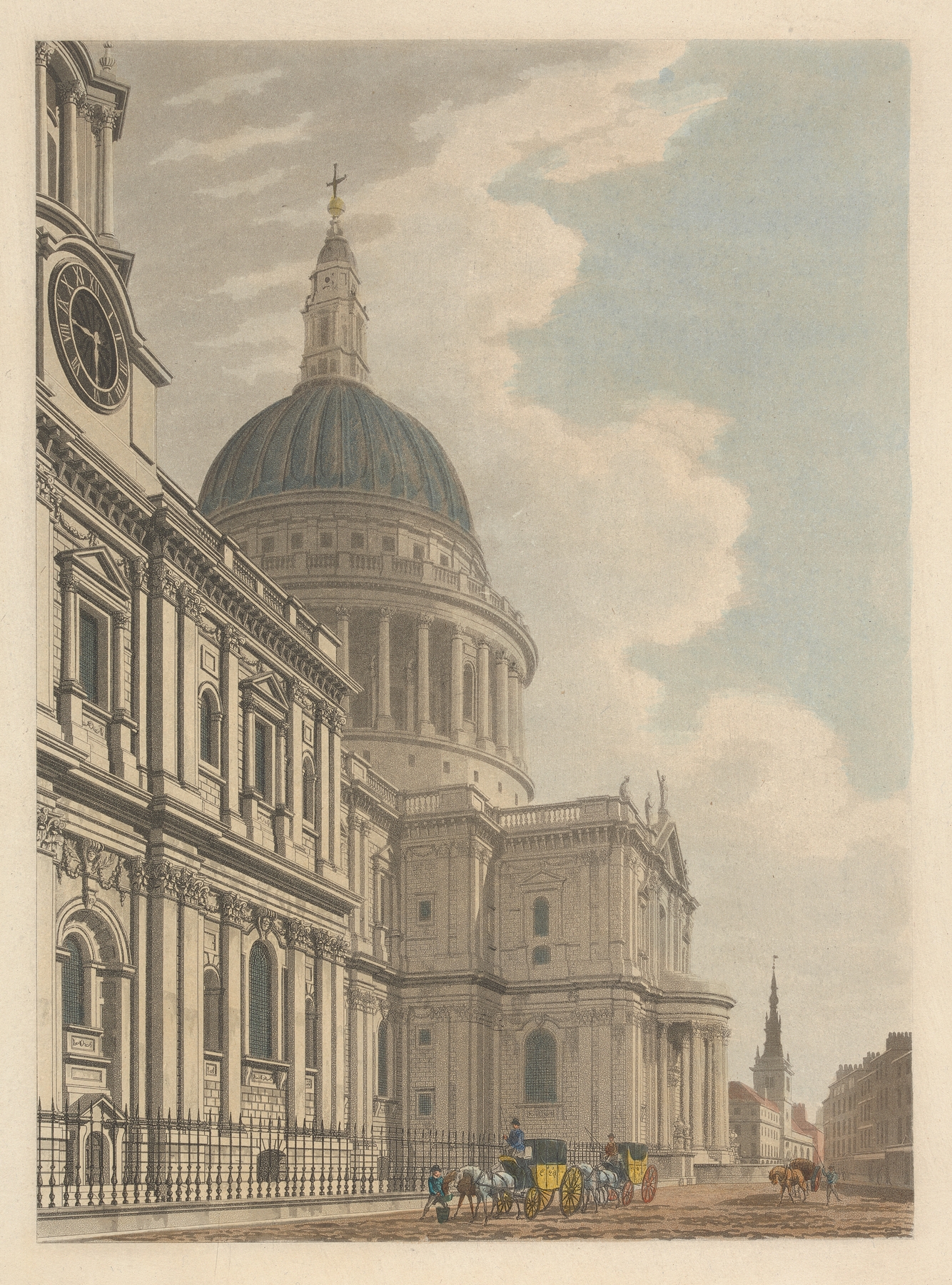
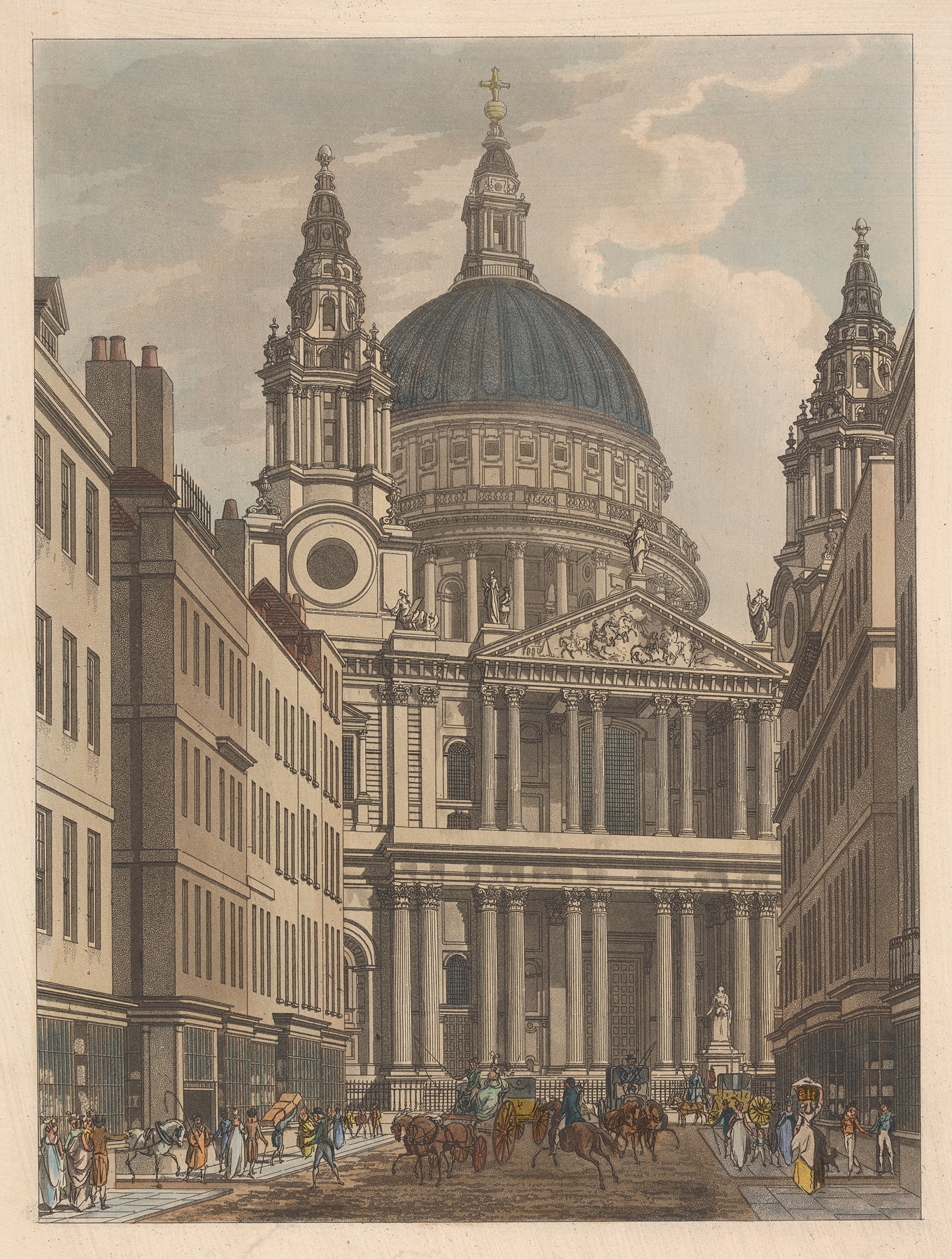
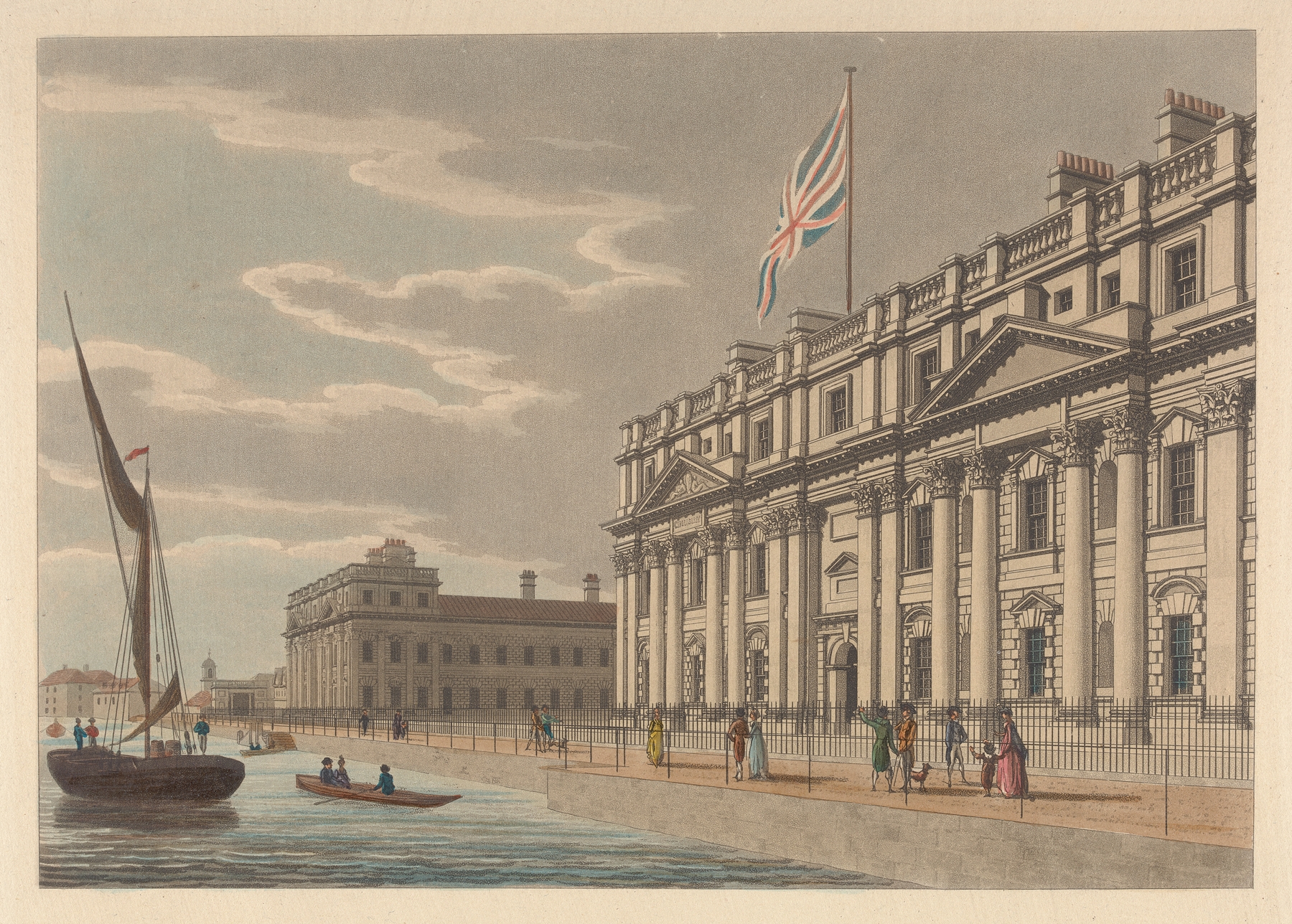
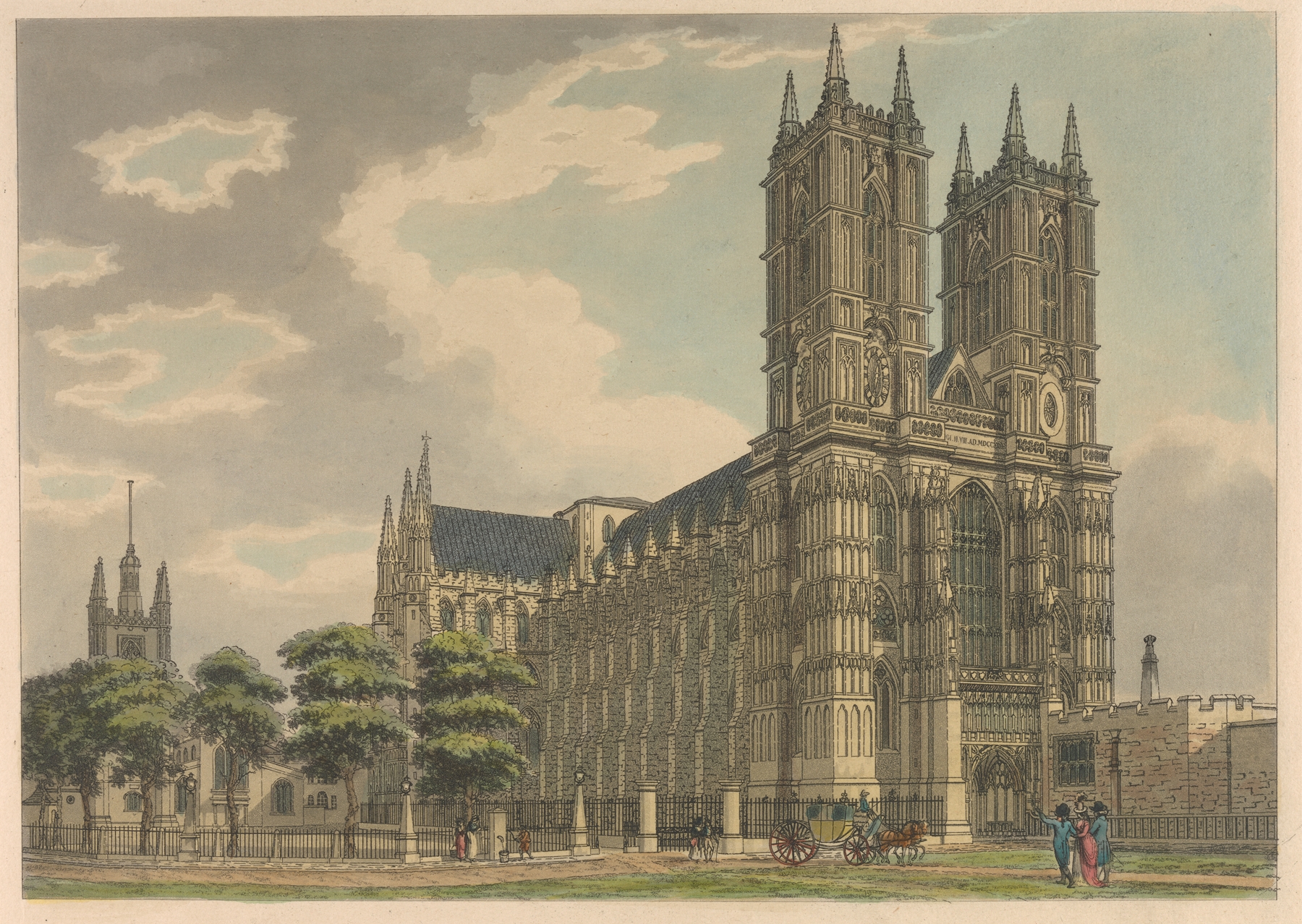
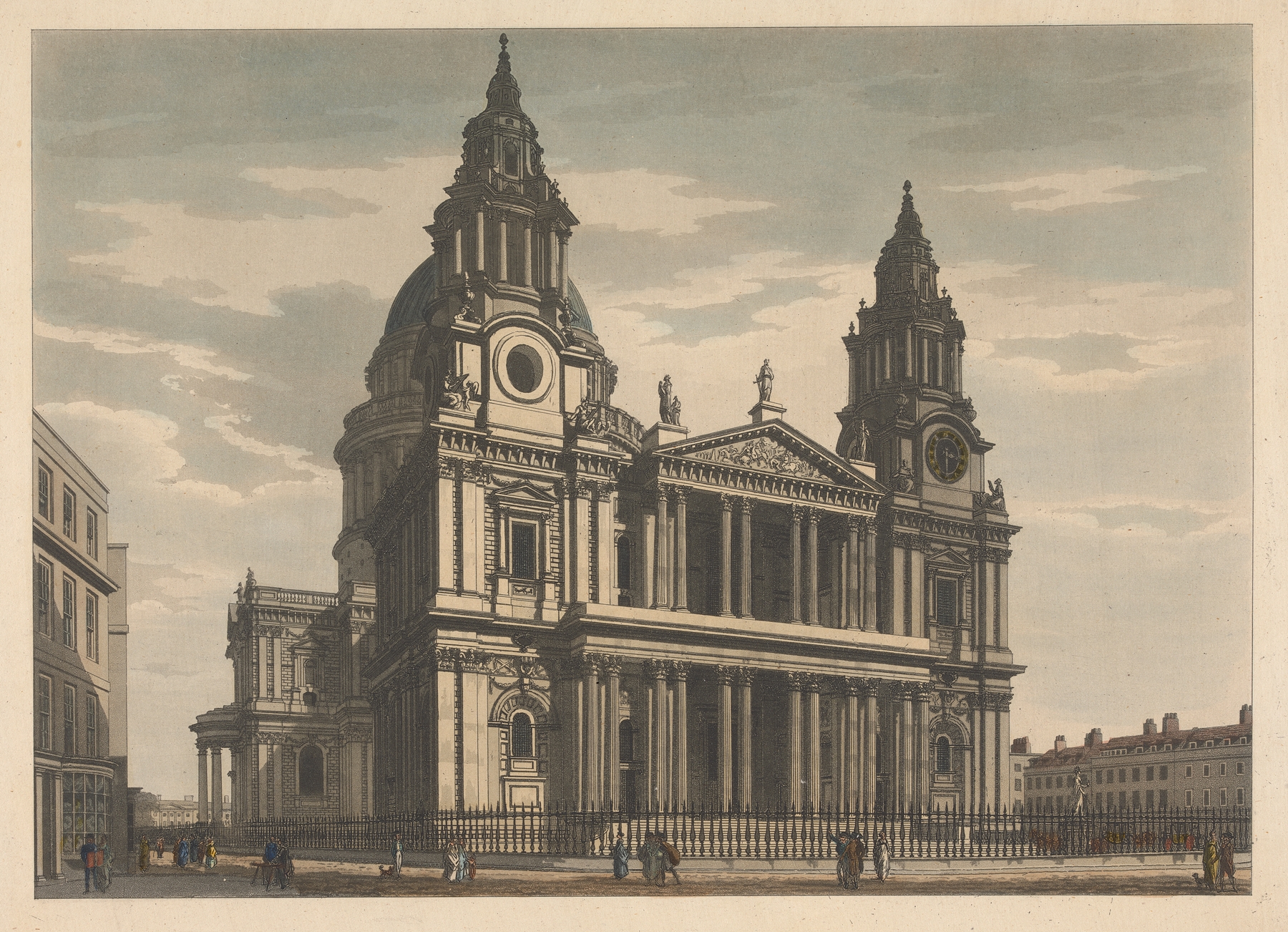
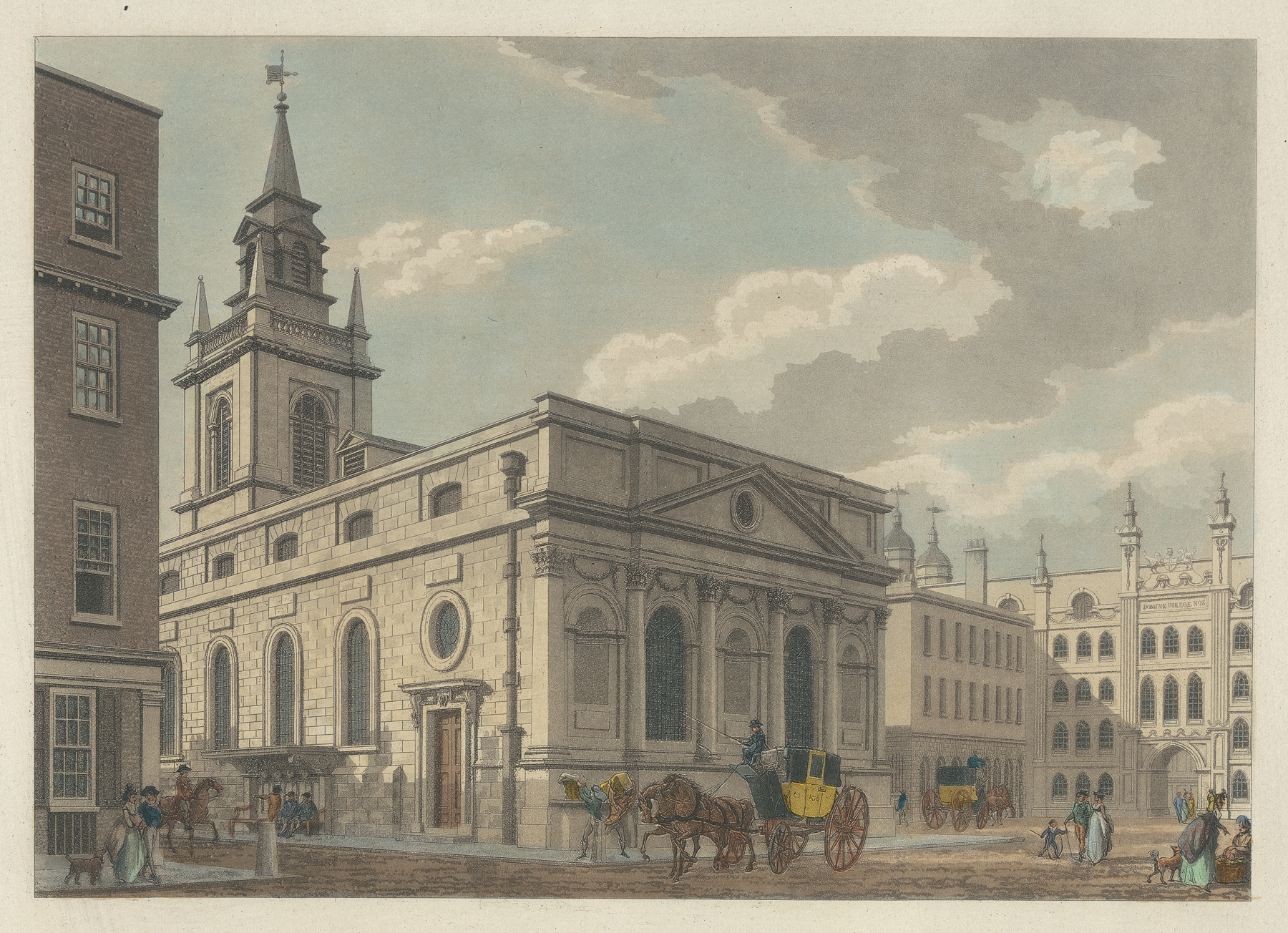
“Every brushstroke is a heartbeat remembered.” In this serene moment captured by a master, the subtlety of existence unfolds through delicate architecture and gentle nature, reminding us of the harmony that once reigned. Focus on the sweeping expanse of the palace, where symmetrical lines draw the eye to its towering columns and intricately detailed façade. The soft hues of pastel blues and warm creams create an airy atmosphere, allowing the structure to breathe against the tranquil backdrop of a blue sky. Notice how the sunlight washes over the scene, illuminating the delicate gardens that flank the palace, their lush greenery hinting at a world where nature and humanity coexist in perfect balance.
Beneath the grandeur lies a story of calmness, a juxtaposition between the opulence of the architectural marvel and the simplicity of the surrounding landscape. The careful placement of trees and pathways suggests an invitation to wander, while the stillness of the water reflects a sense of timeless tranquility. Here, the viewer feels the weight of history mingled with the lightness of day, as the serene beauty stirs both nostalgia and reverence.
Thomas Malton crafted this scene in 1800, a period marked by a growing interest in watercolor and architectural representation. As he painted, England was steeped in the transition from the neoclassical to the romantic, a shift mirrored in his harmonious blend of nature and man-made beauty. Living in London, Malton was not only chronicling his surroundings but also contributing to a broader cultural movement that valued the detailed depiction of landscapes and architecture as a means of appreciating the past.