The Raft — History & Analysis
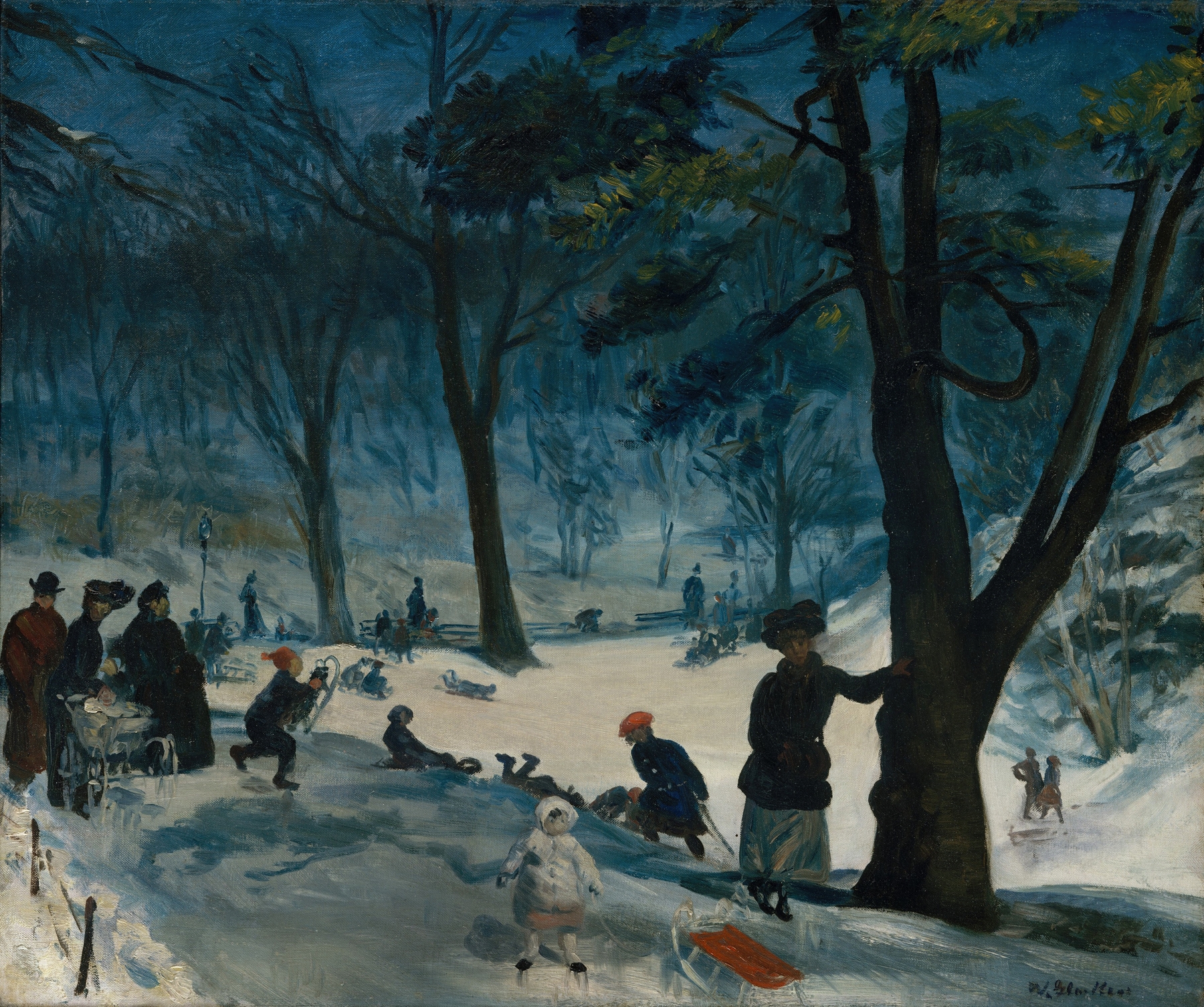
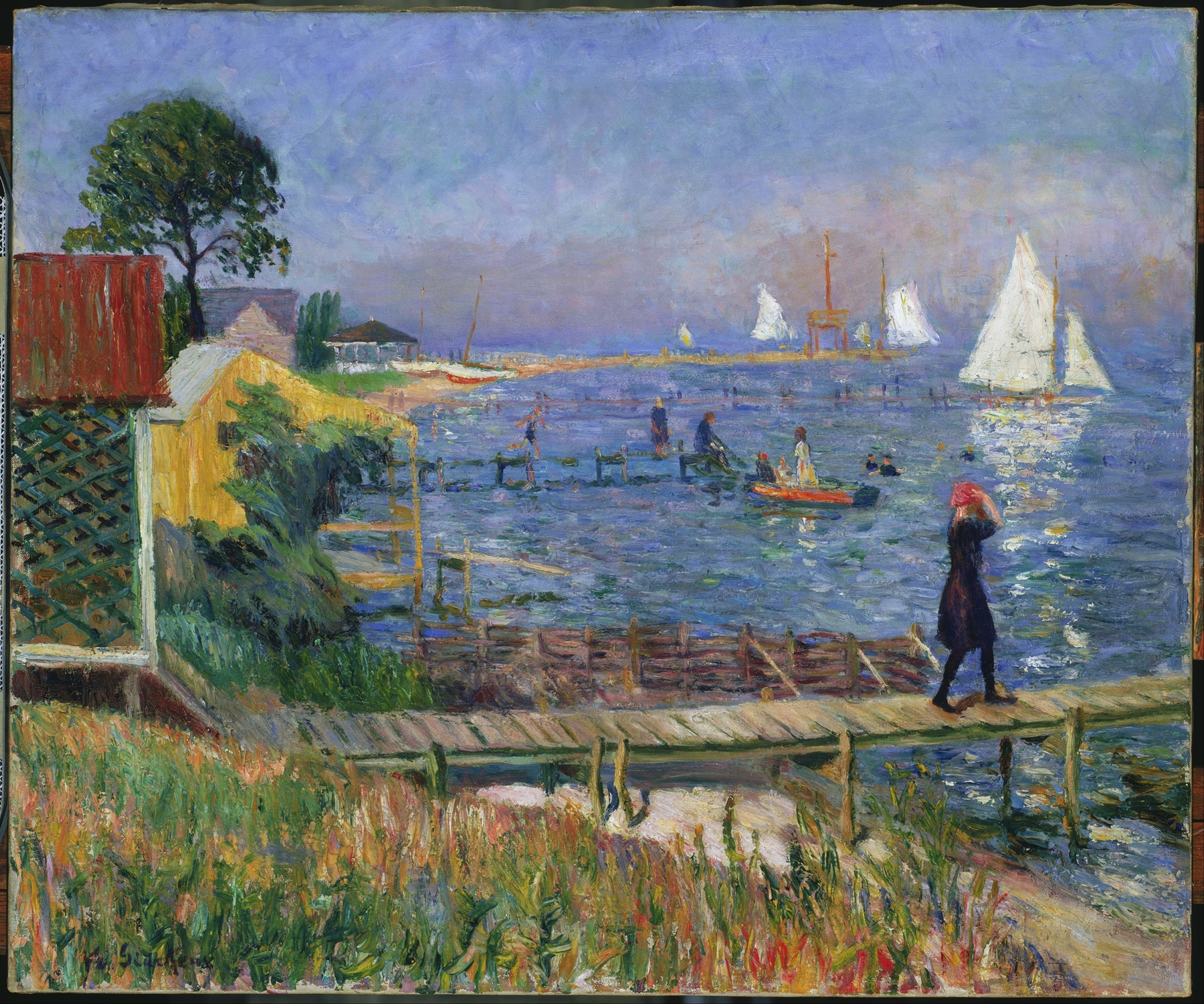
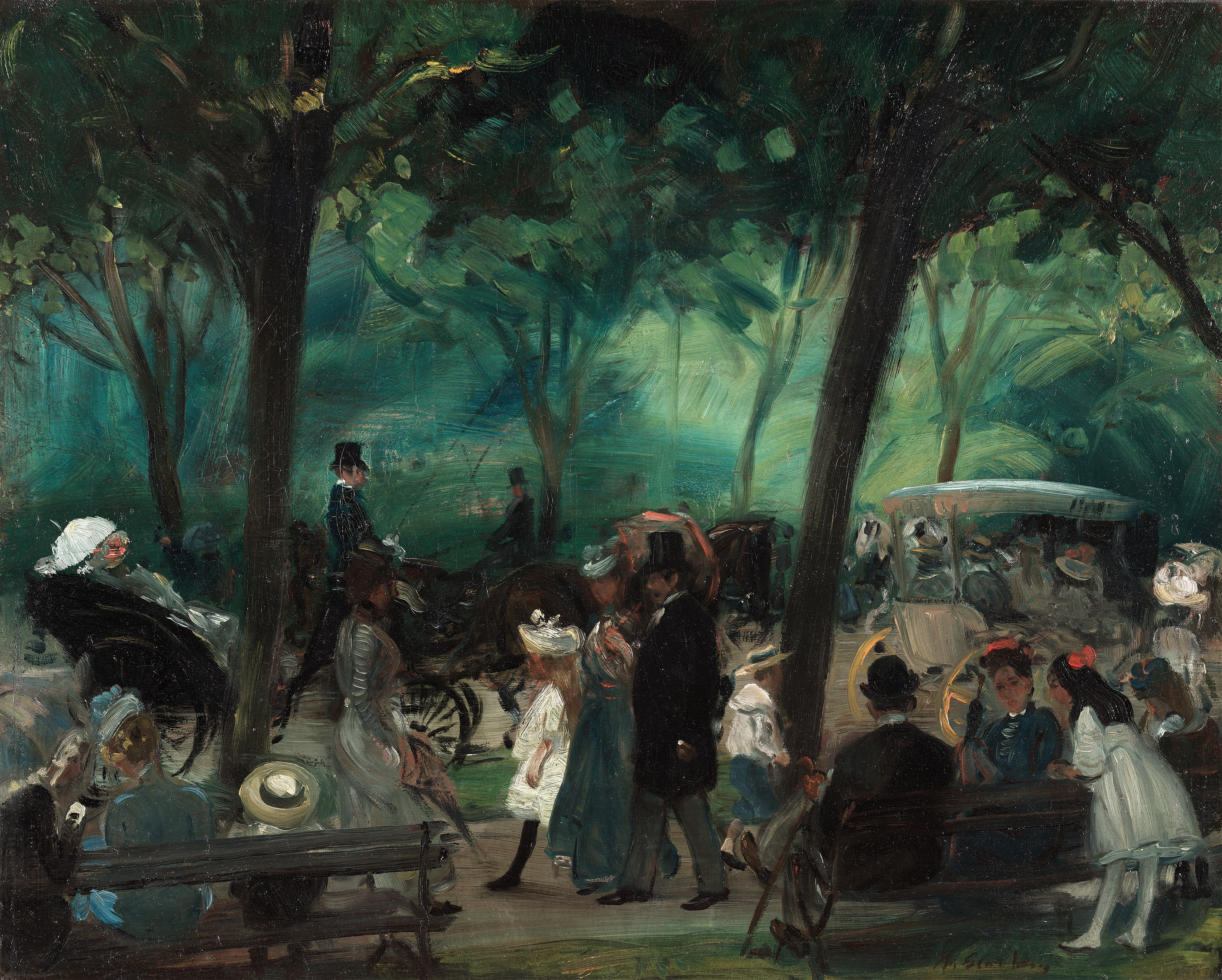
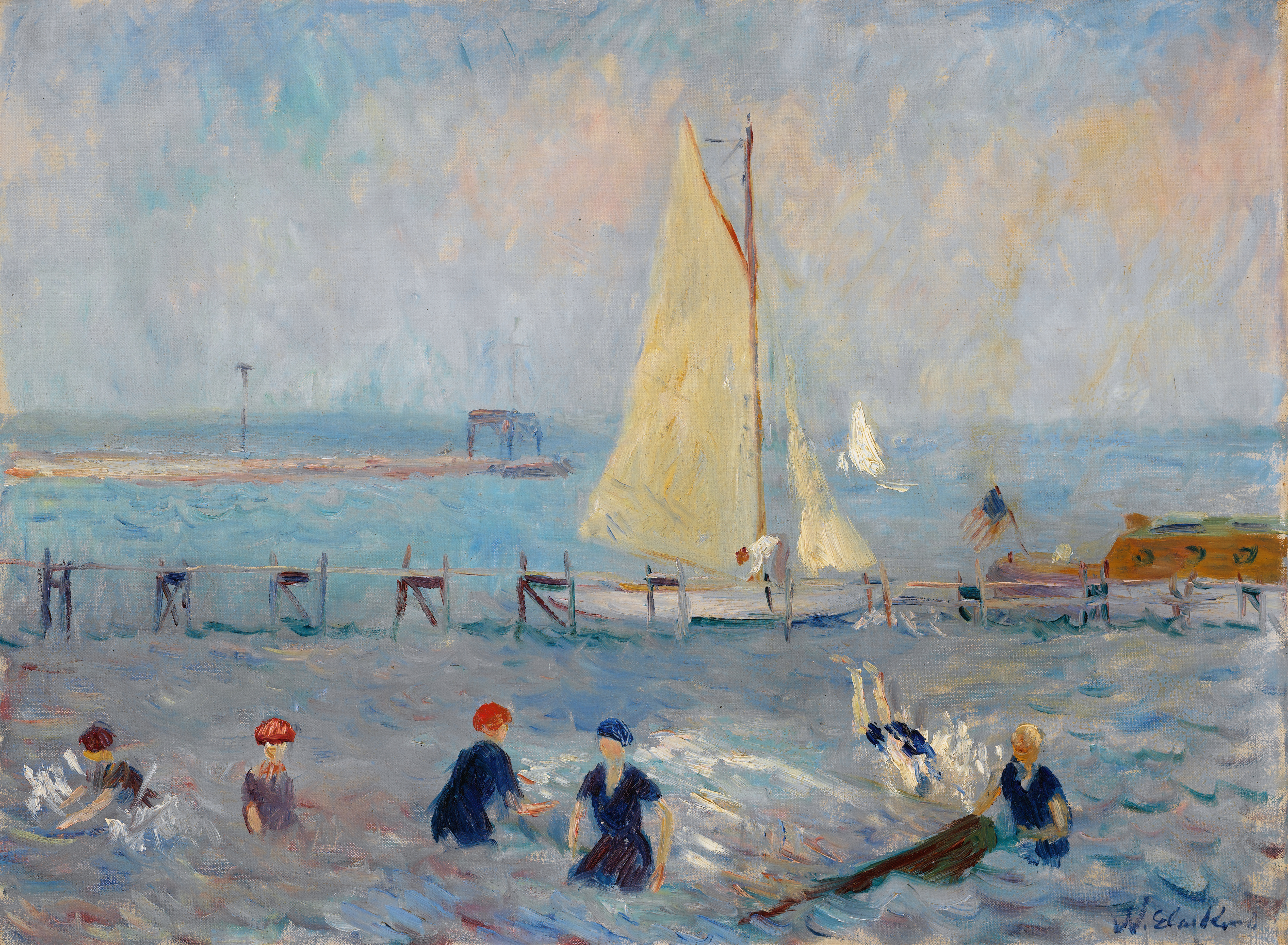
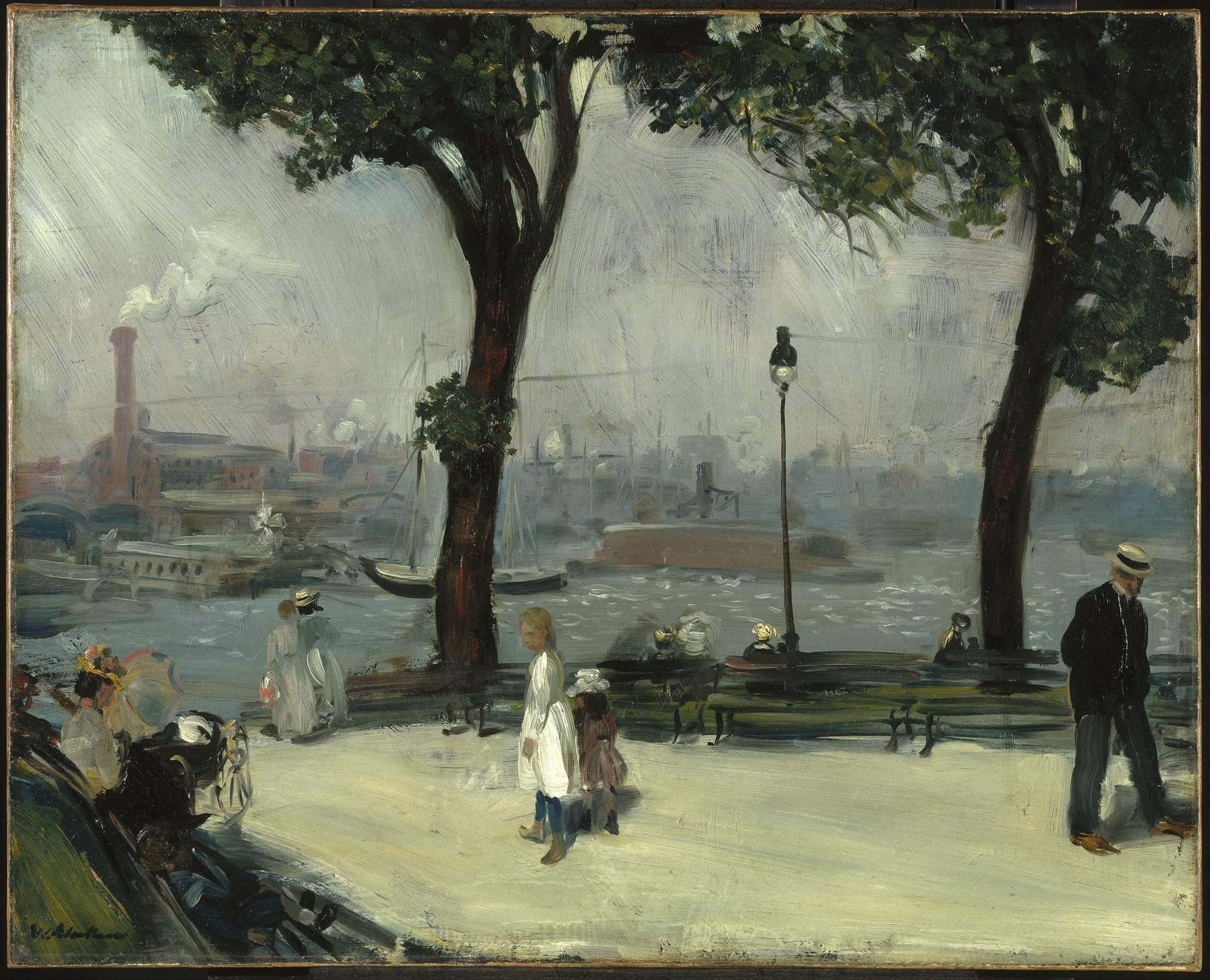
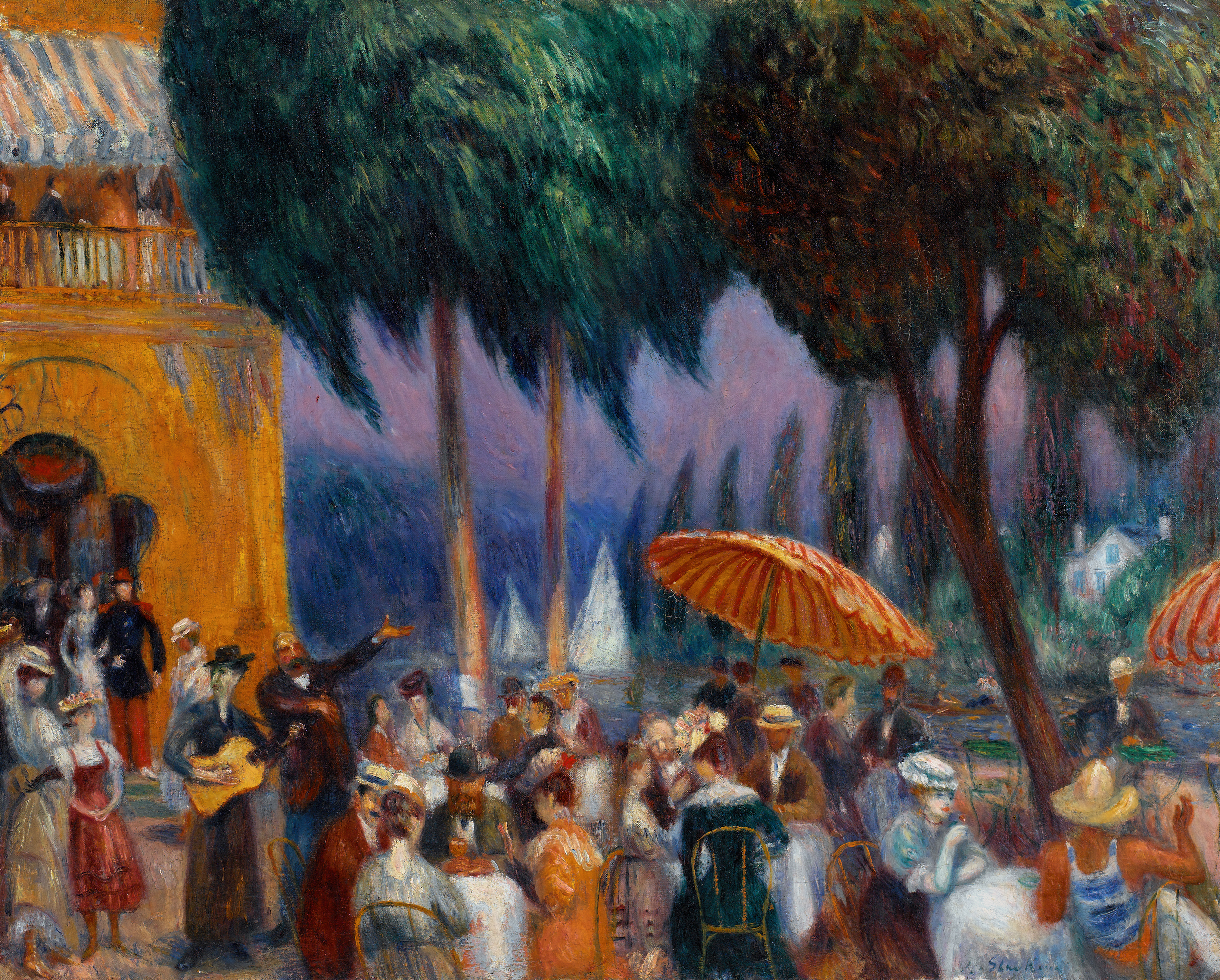
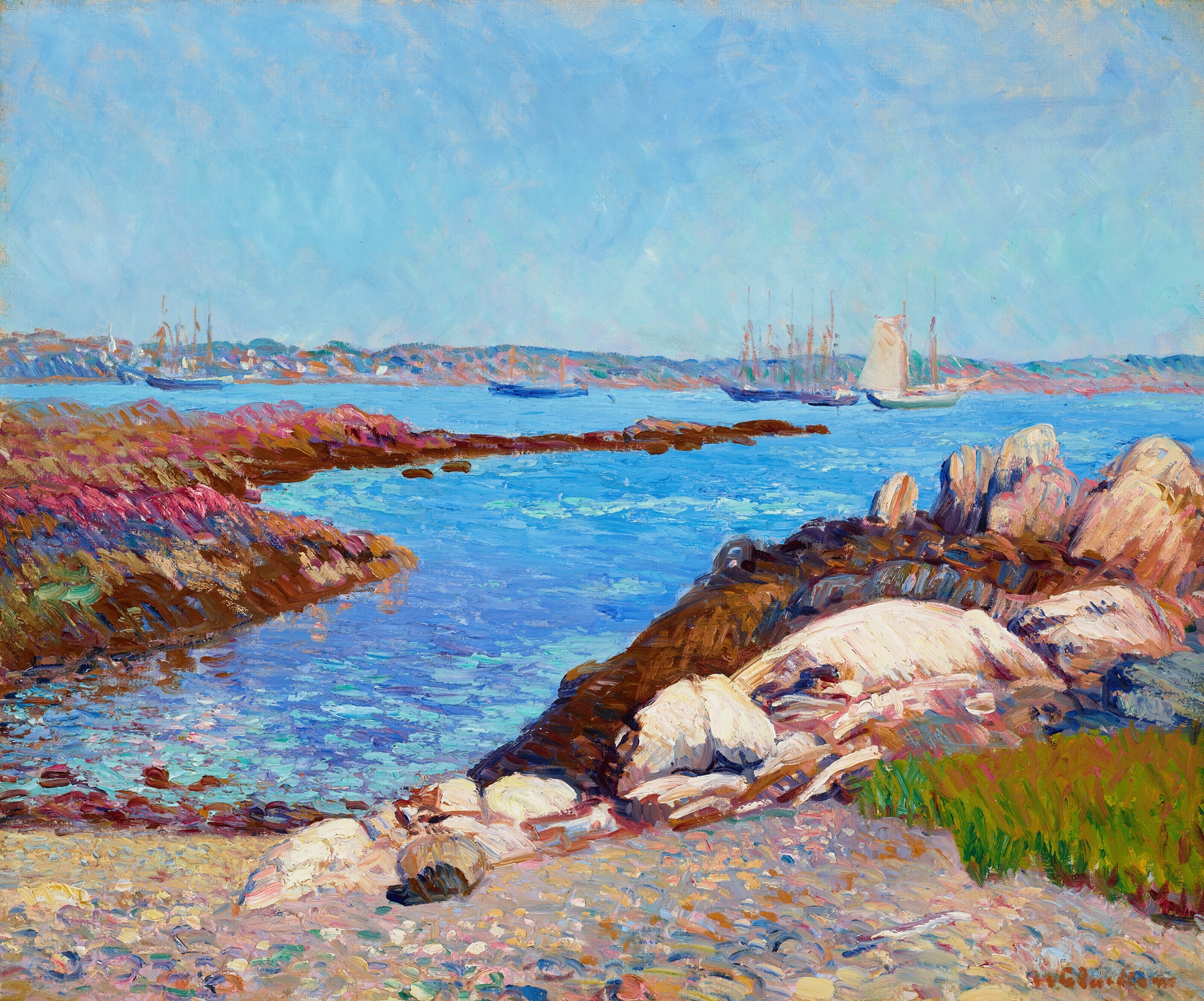
Who listens when art speaks of silence? In The Raft, the subtle interplay of light and shadow invites us to ponder the weight of unspoken emotions and the stories that linger just beneath the surface. Look to the left at the group of figures, their silhouettes infused with a warm, golden glow that contrasts sharply with the shadowy depths surrounding them. The artist employs a rich palette of earthy tones, layering textures that evoke movement and stillness simultaneously. Notice how the light falls upon the central raft, illuminating its surface, while the edges dissolve into the darkness, hinting at the unknown depths of the water.
This masterful use of color and composition draws your eye inward, creating a sense of both invitation and foreboding. Beneath the surface, the painting reveals a tension between hope and despair. The figures, caught in a moment of contemplation, suggest a pause before an uncertain journey. Their varied postures and expressions hint at their individual narratives — some seem eager for adventure, while others are weighed down by hesitation.
This emotional dichotomy is mirrored in the contrast of light and shadow, where brightness represents potential and darkness embodies fear of the unknown. In 1915, Glackens created this work during a period when American art was transitioning towards modernism, seeking a new voice amid the chaos of World War I. Living in New York, he was in the midst of a vibrant art scene, surrounded by fellow pioneers who were reshaping visual language. This piece captures the spirit of its time, reflecting not only the artist's personal exploration but also the collective consciousness grappling with uncertainty and change.