The Road To Gurzuf, Crimea — History & Analysis
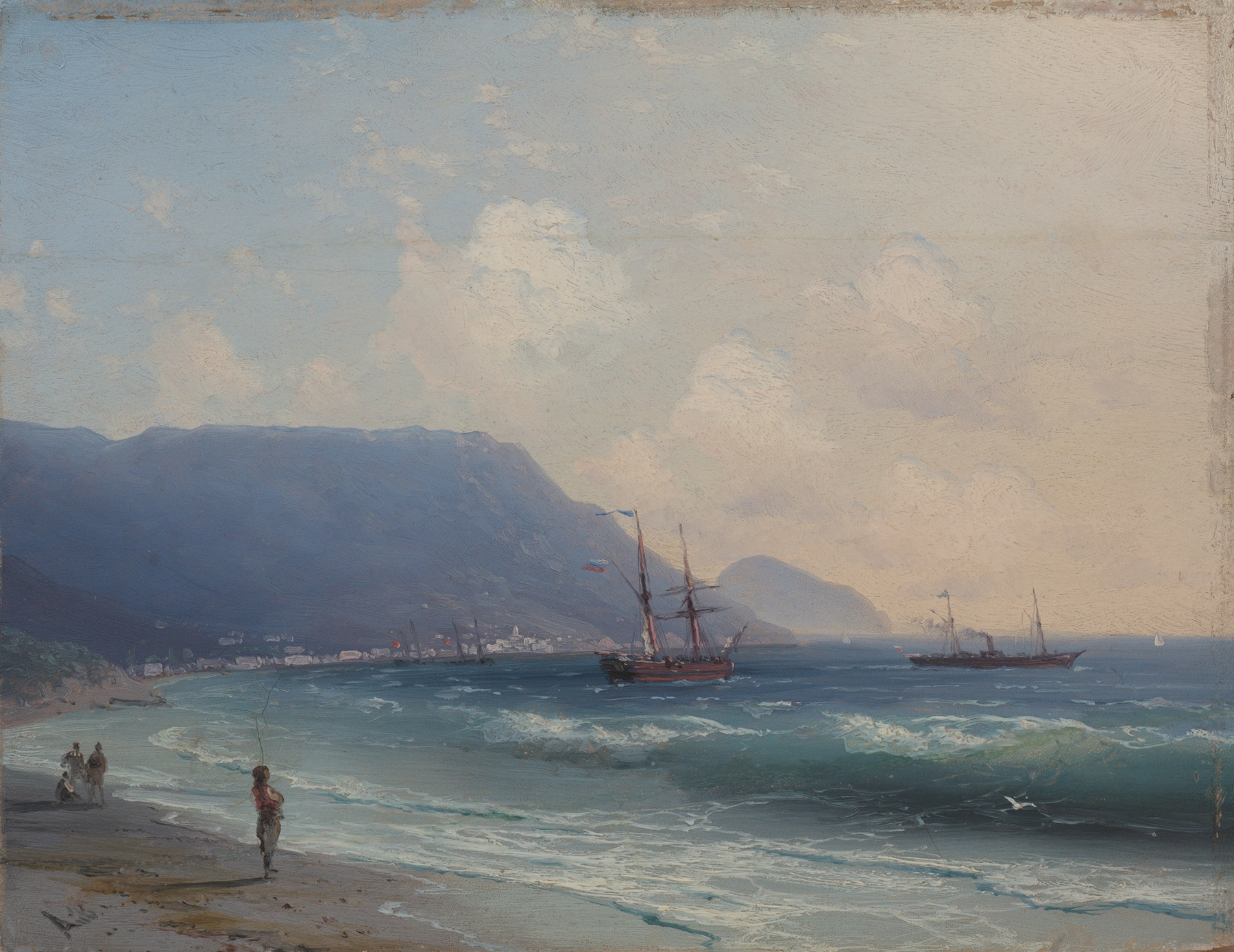
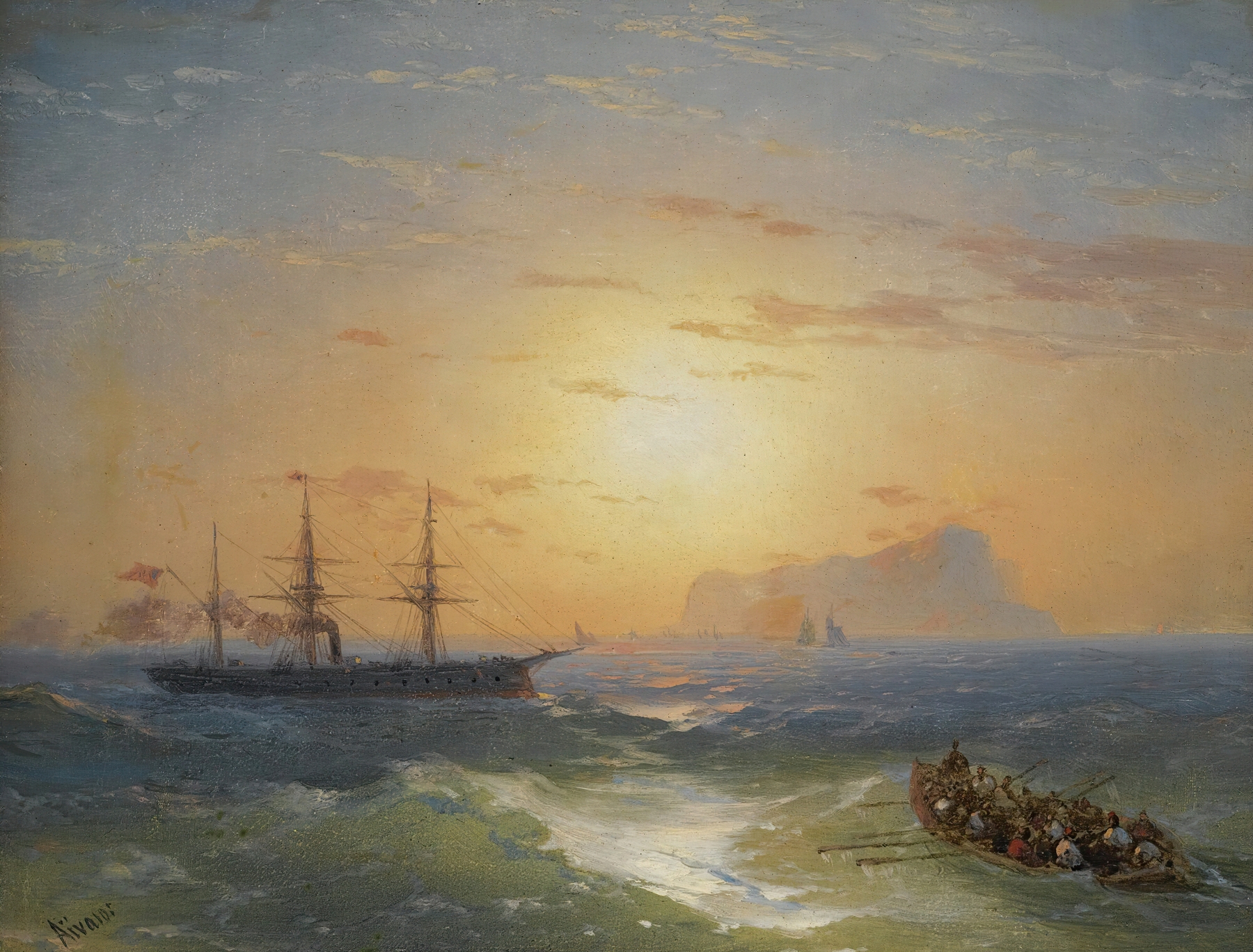
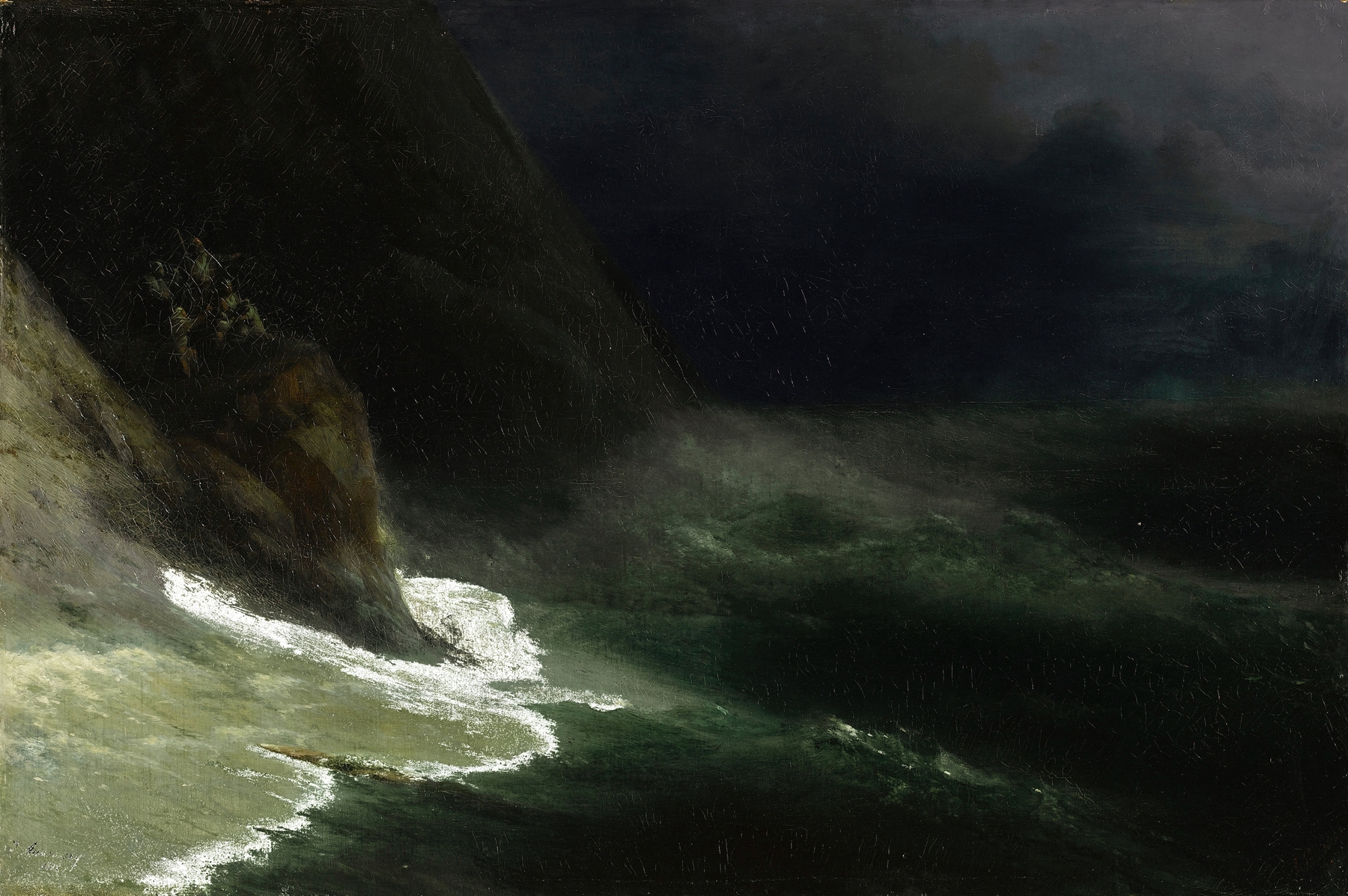
Could a single brushstroke hold eternity? In The Road to Gurzuf, Crimea, the essence of loss intertwines with the beauty of nature, inviting viewers to reflect on what is fleeting yet unforgettable. Look to the right at the gentle curves of the coastline, where the sea meets the shore, a soft embrace highlighted by the luminous interplay of light and shadow. Aivazovsky’s masterful technique captures the undulating waves, each brushstroke a testament to movement, while the rich blues and greens evoke a sense of calm juxtaposed with an underlying tension.
The winding path draws the eye into the distance, luring us with the promise of what lies beyond, while the vibrant hues of sunset suggest a day’s end and, metaphorically, an inevitable farewell. As you delve into the details, notice the solitary figure on the winding road, a poignant reminder of solitude amid the grandeur of nature. This element of isolation speaks to the universal experience of longing and loss, as it contrasts the expansive beauty surrounding him. The dramatic cliffs loom in the background, embodying obstacles and perhaps the weight of history, amplifying the emotional depth as one contemplates the journey ahead or the memories left behind.
In 1878, during a period of burgeoning Romanticism, Aivazovsky painted this serene landscape in Crimea, a region he adored. At this time, he was at the height of his career, celebrated for his maritime scenes that reflected the sublime qualities of nature. The geopolitical shifts and personal challenges he faced would infuse his work with greater emotional resonance, solidifying his legacy as a master of capturing the interplay between light, water, and the human experience.