The Round Tower — History & Analysis
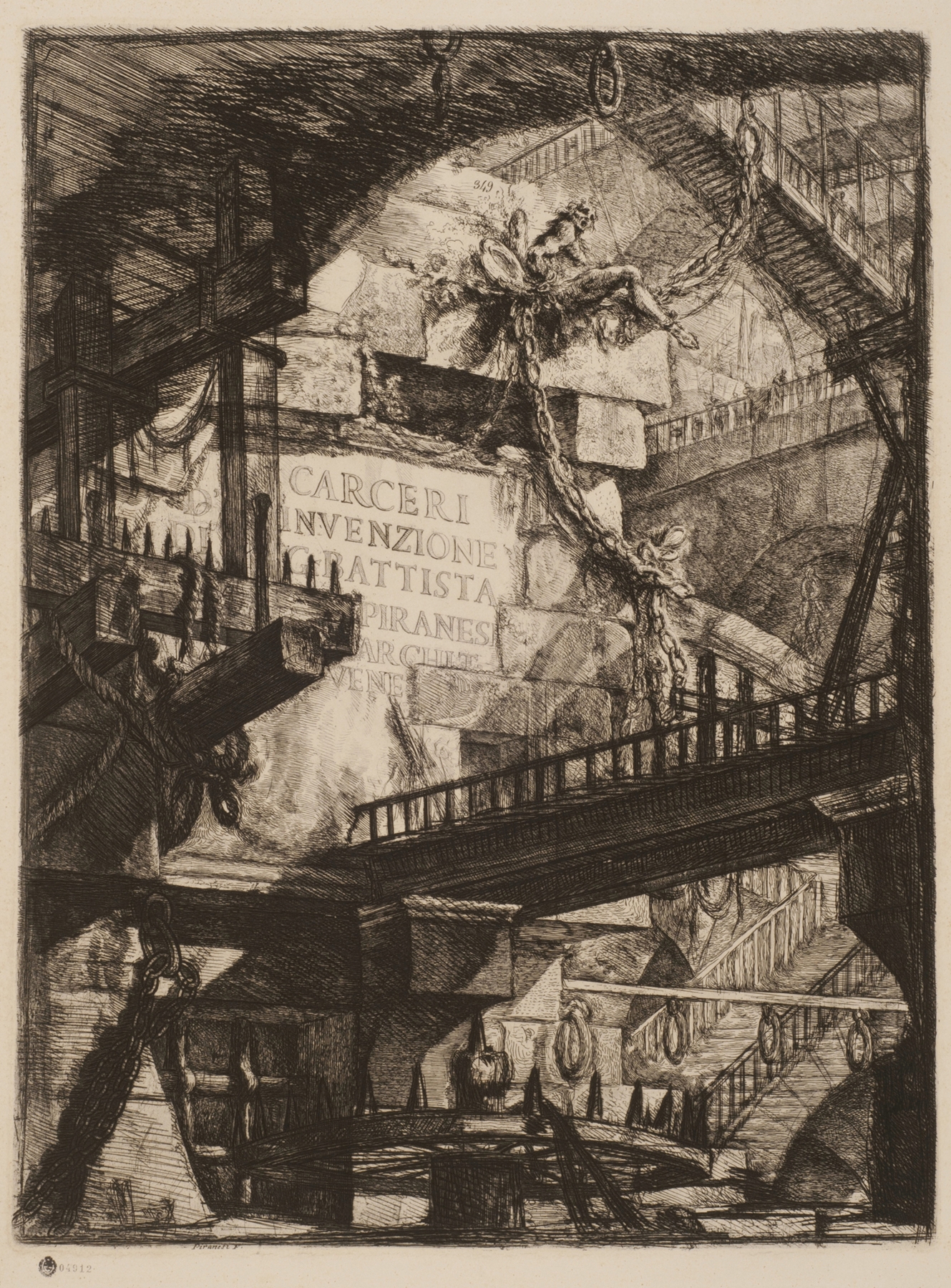
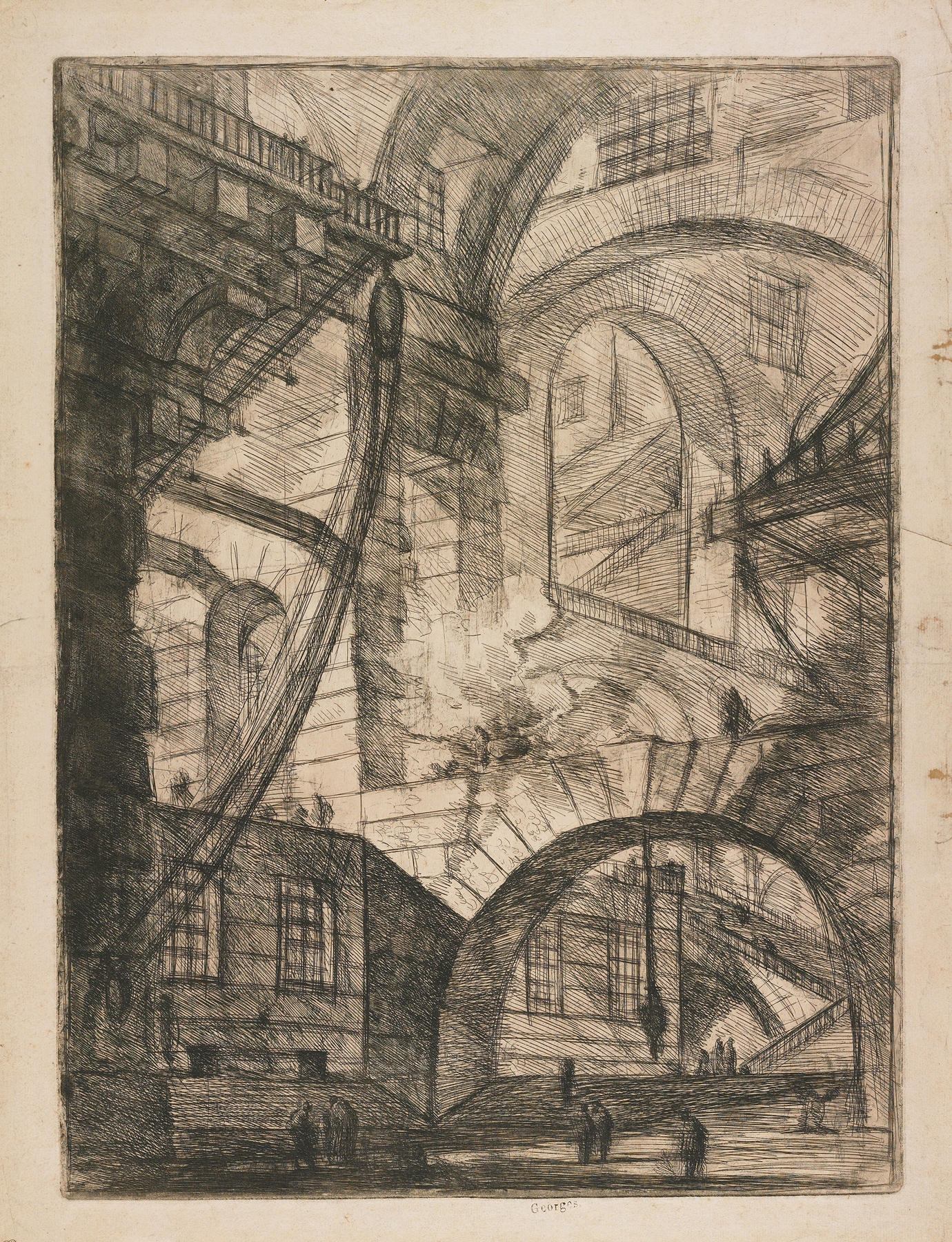
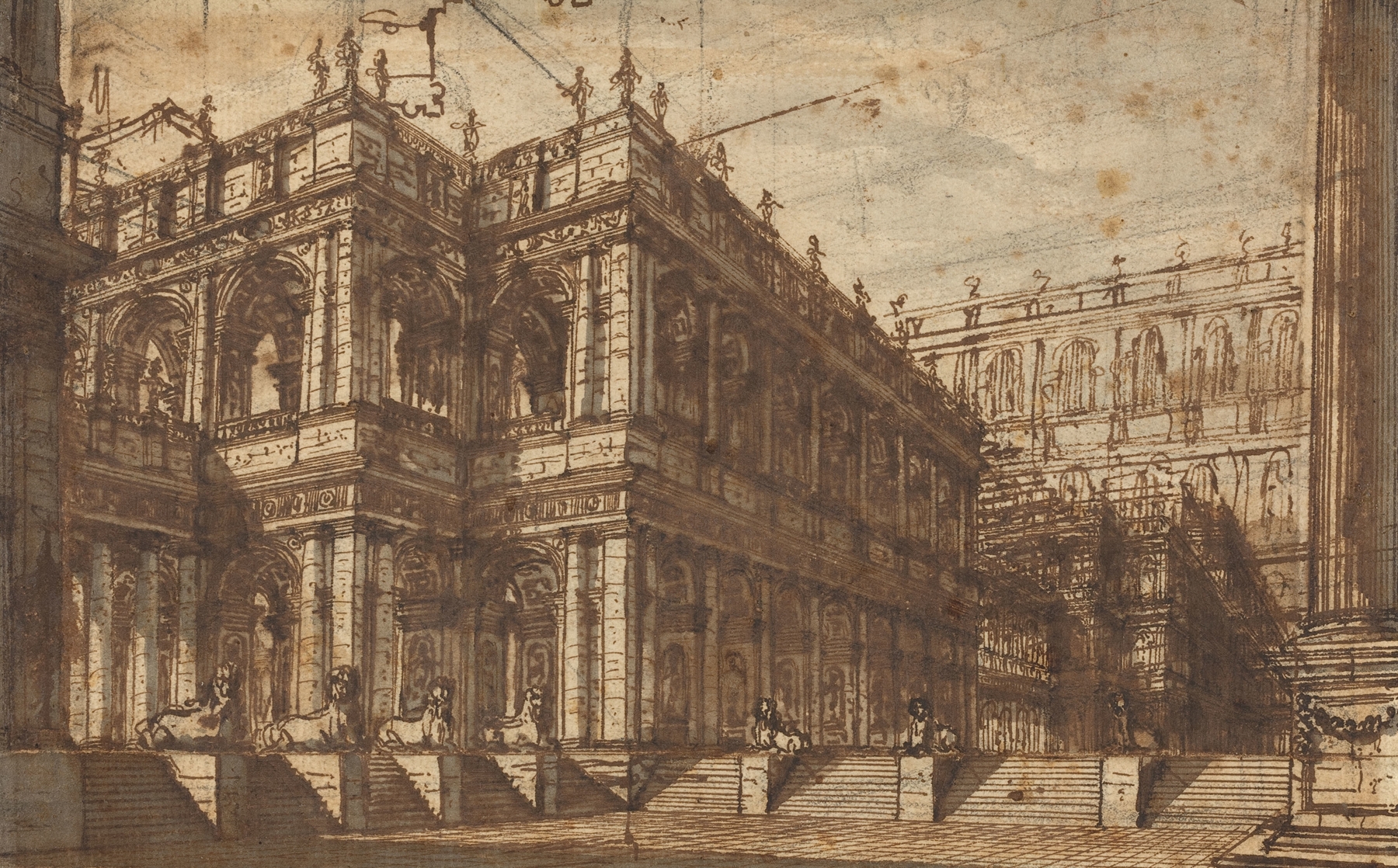
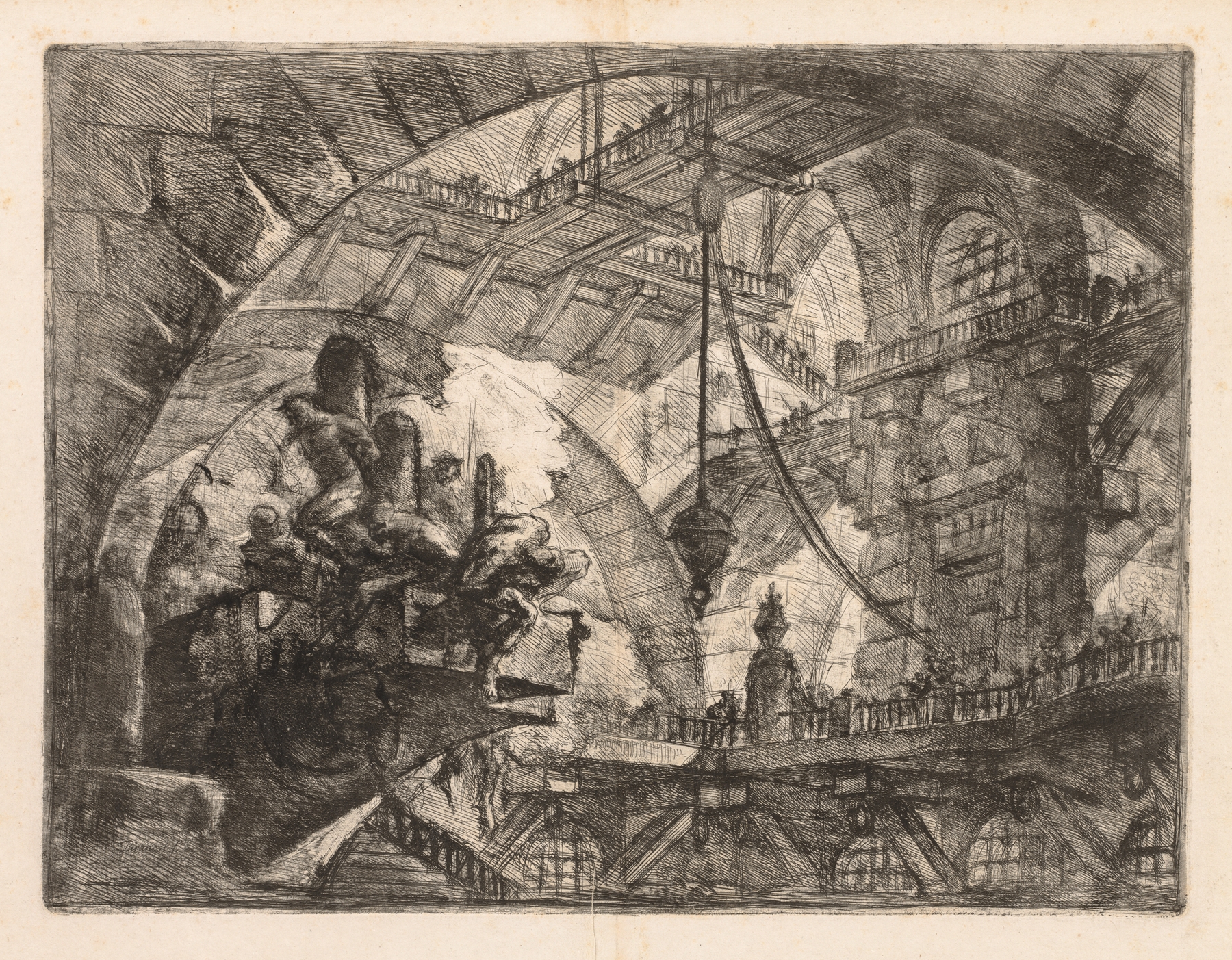
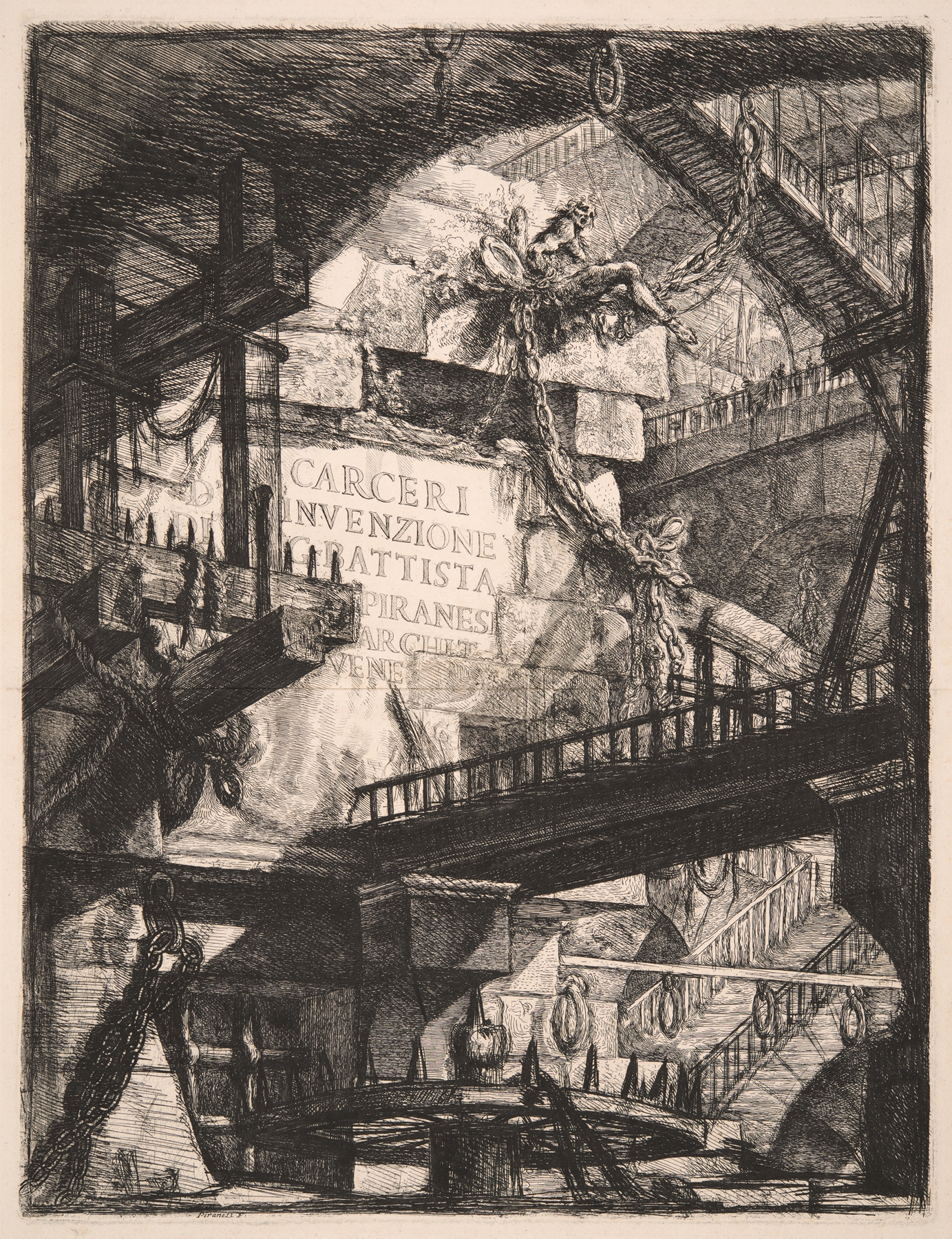
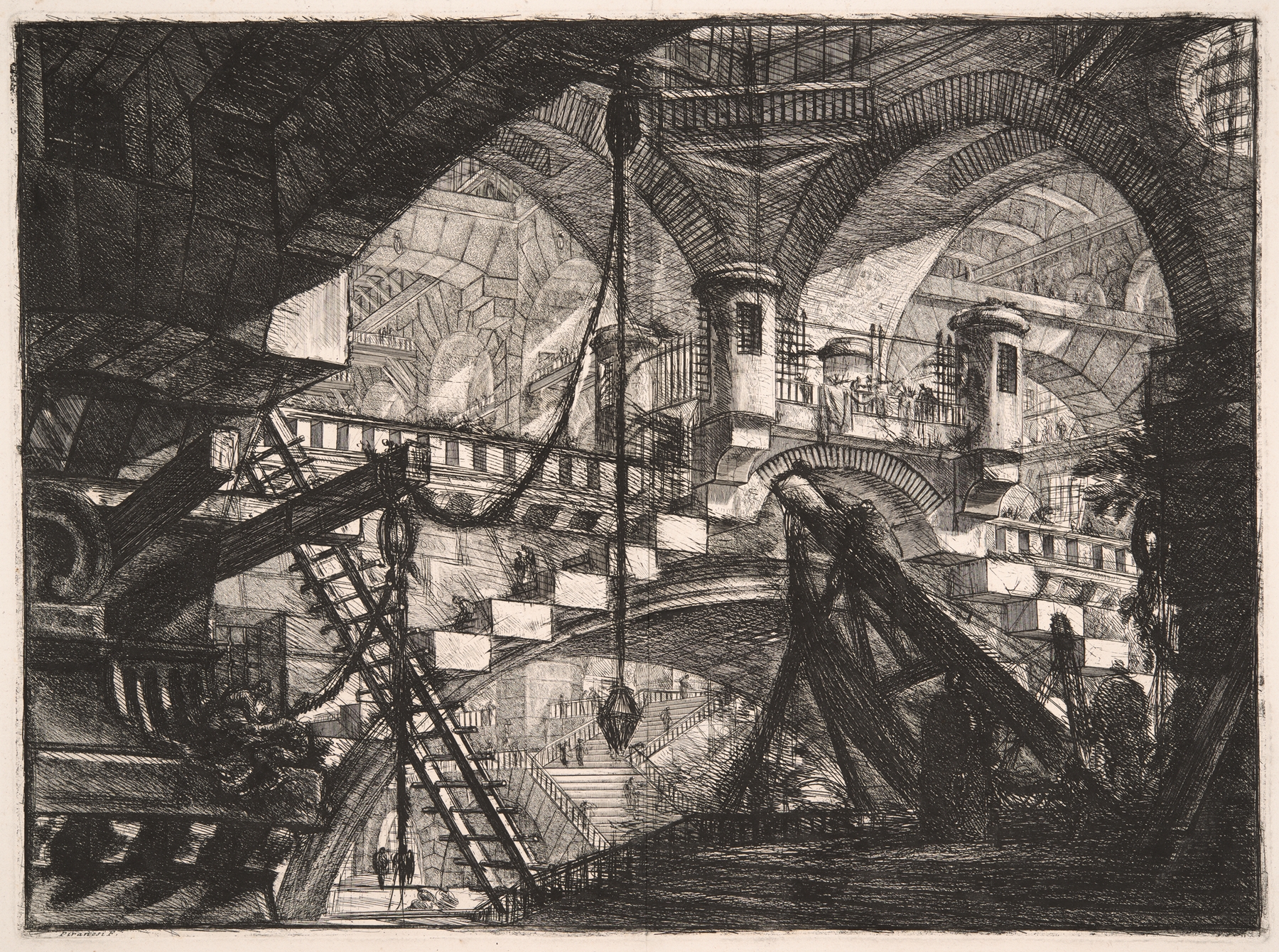
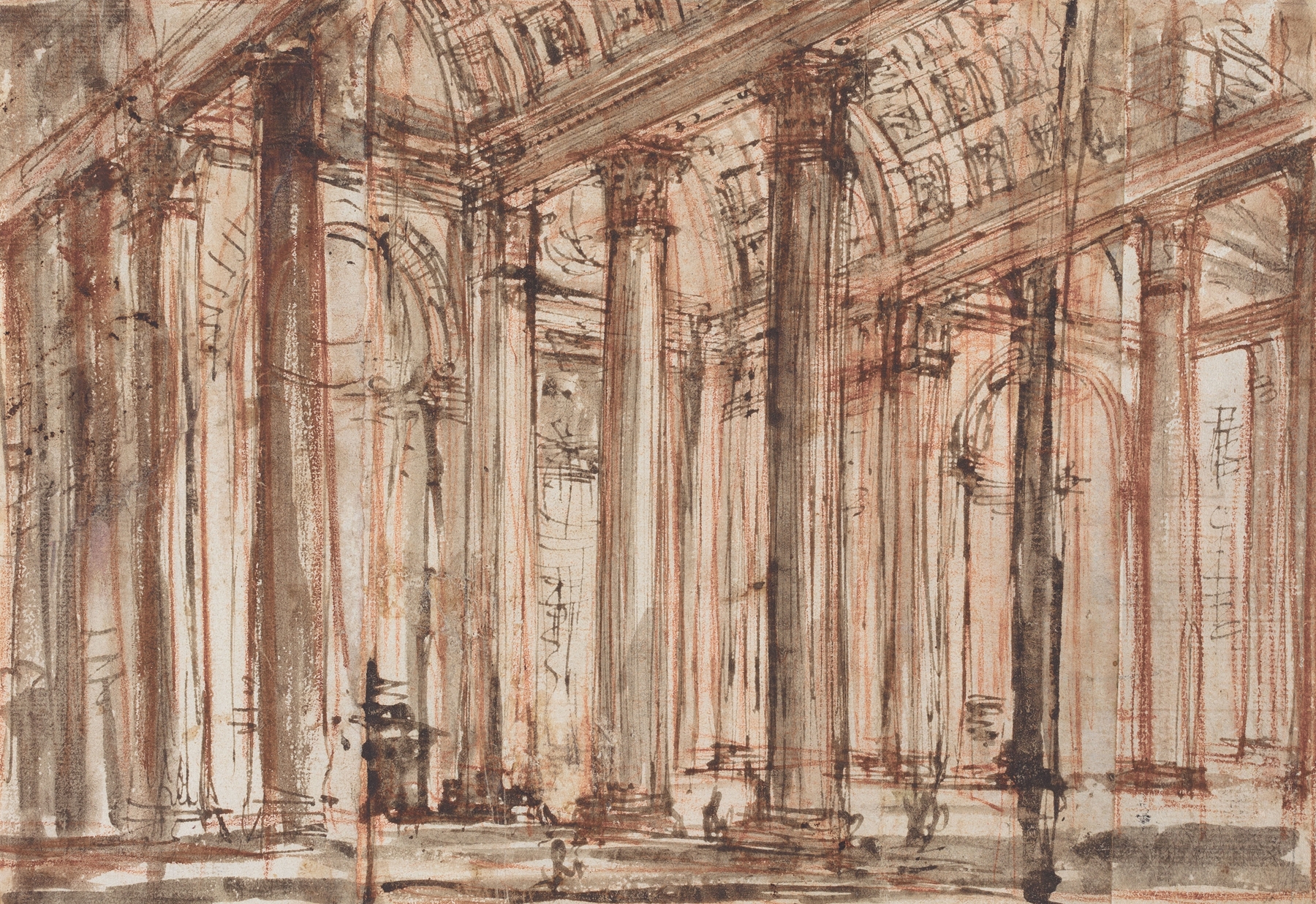
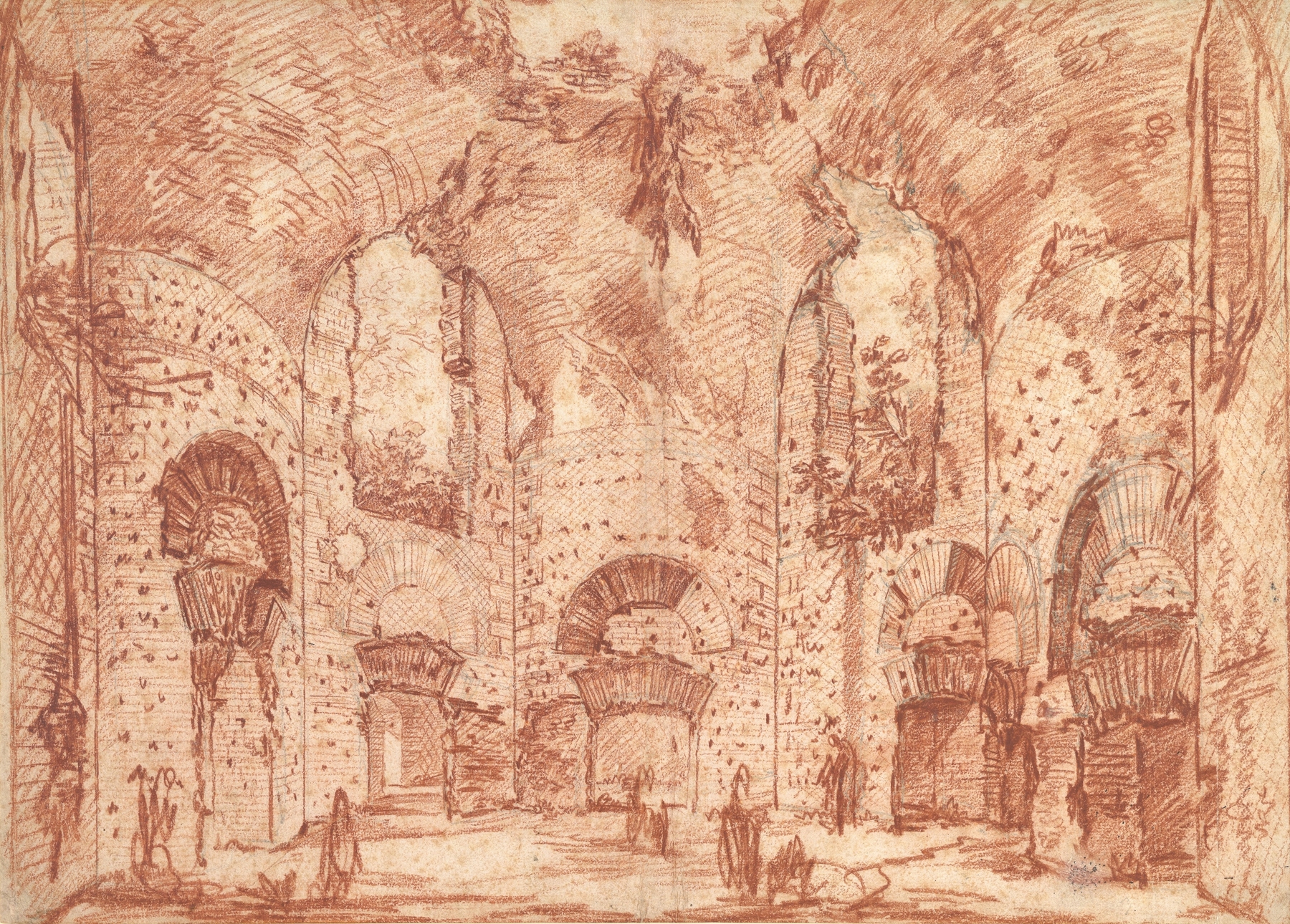
“To paint is to remember what time wants us to forget.” In the echo of centuries, Giovanni Battista Piranesi invites us to confront the grandeur that stands against the ravages of time. The Round Tower is a testament to the awe-inspiring ability of art to immortalize the monumental structures of our past. Look closely at the intricate arches and towering columns. The stonework is rendered in meticulous detail, each crack and shadow breathing life into the scene.
Notice how the light interacts with the surfaces—illuminating the textures of age and decay while creating a stark contrast against the deeper shadows lurking within its depths. The composition draws the eye upward, as the tower's spiraling structure seems to defy gravity, inviting viewers to explore the interplay between architectural prowess and the passage of time. Beneath its surface, the tower encapsulates themes of endurance and transience. The juxtaposition of the sturdy stone against the ethereal play of light evokes a sense of melancholy, a reminder of both human achievement and the inevitable decline that follows.
Hidden within the corners, the hints of nature intruding suggest an eternal struggle as the world outside encroaches upon man-made greatness, creating a tension between the constructed and the organic. In 1761, Piranesi painted this work during a period of immense exploration and nostalgia for the classical past. Living in Rome, he was deeply influenced by the ruins that surrounded him, and as the field of architecture evolved, his engravings and paintings became a bridge to understanding ancient craftsmanship. At this juncture, he was not merely an artist; he was a chronicler of civilization’s remnants, capturing what would soon fade from collective memory.