The Salt Marshes near Trouville — History & Analysis
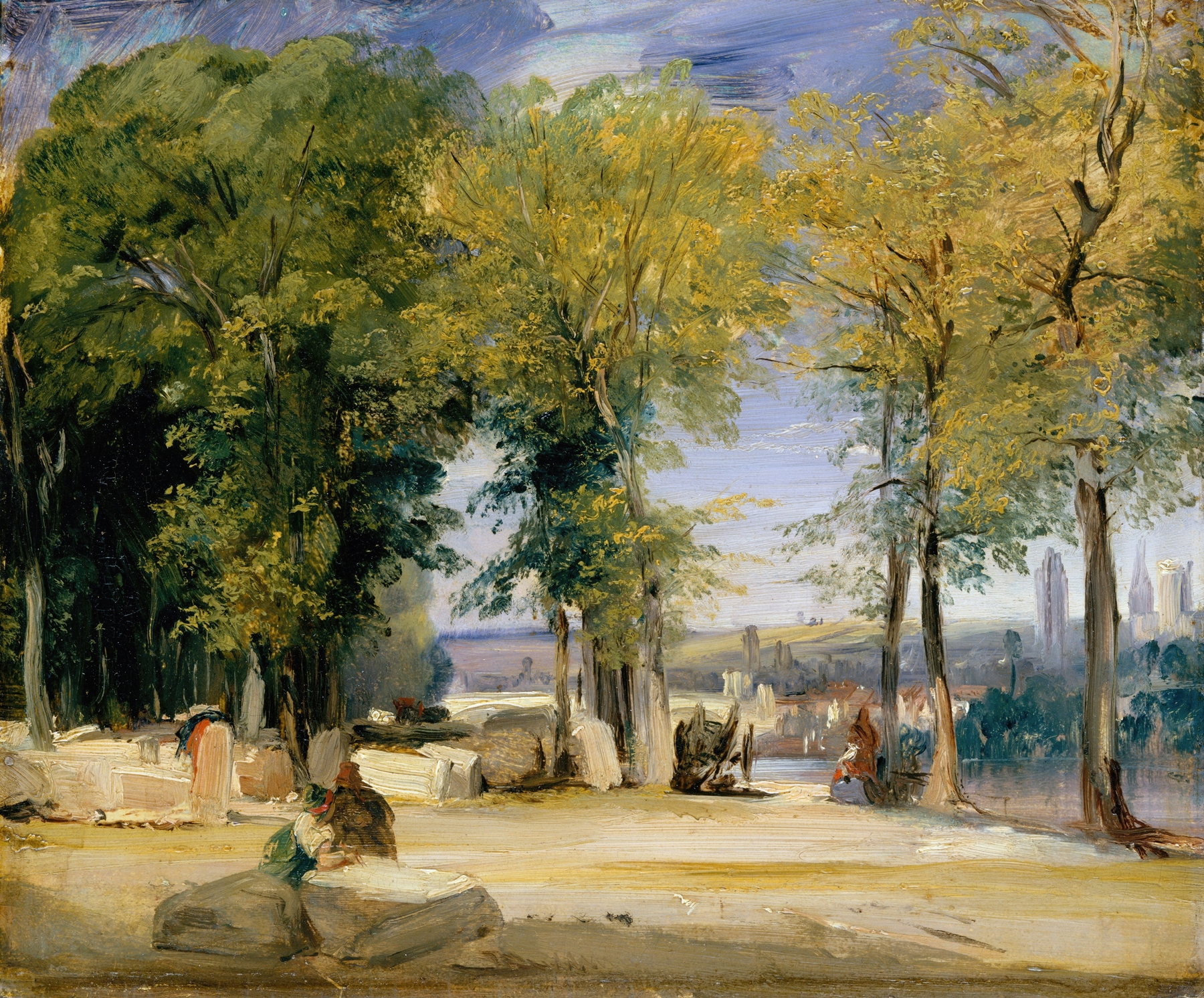
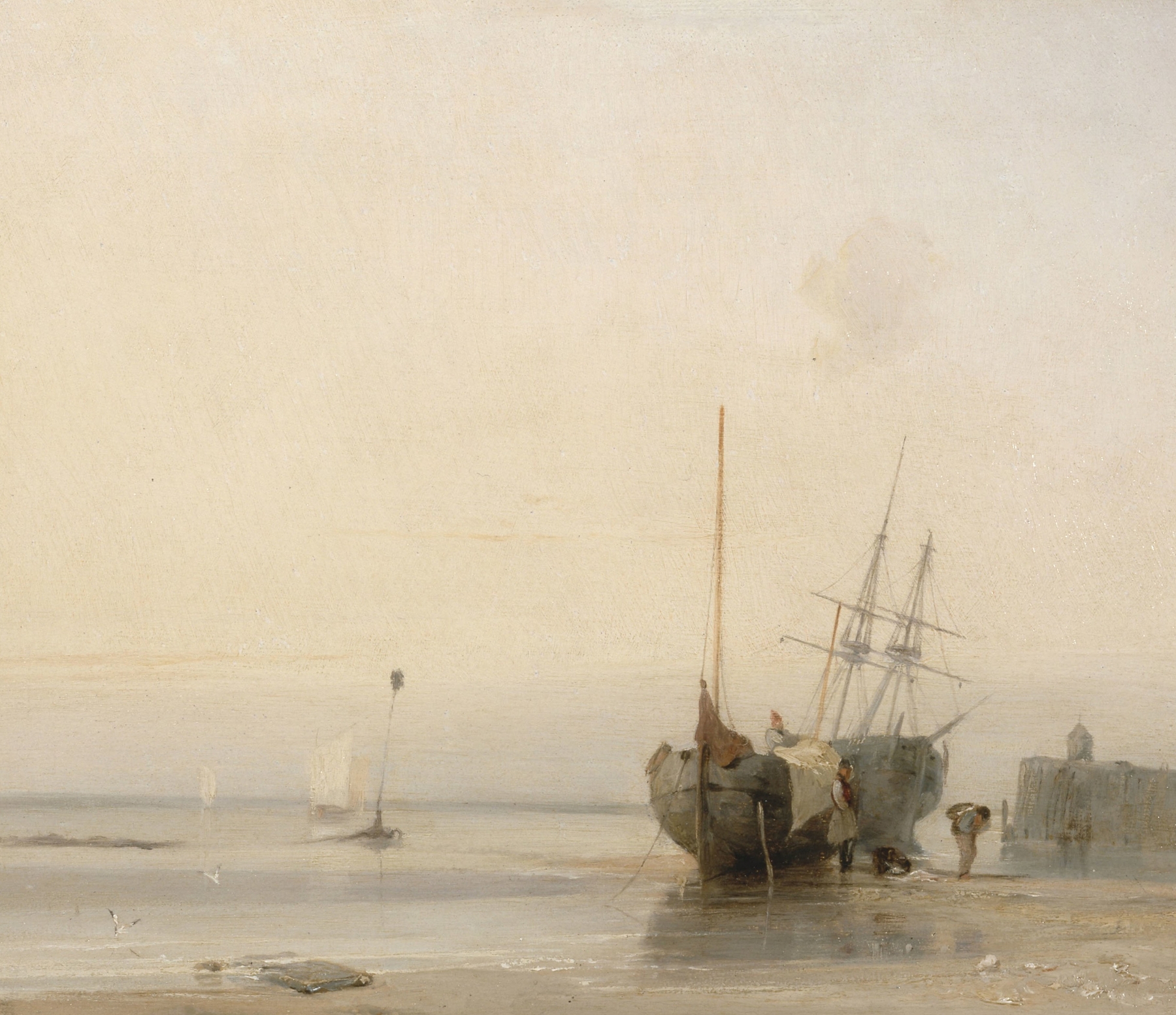
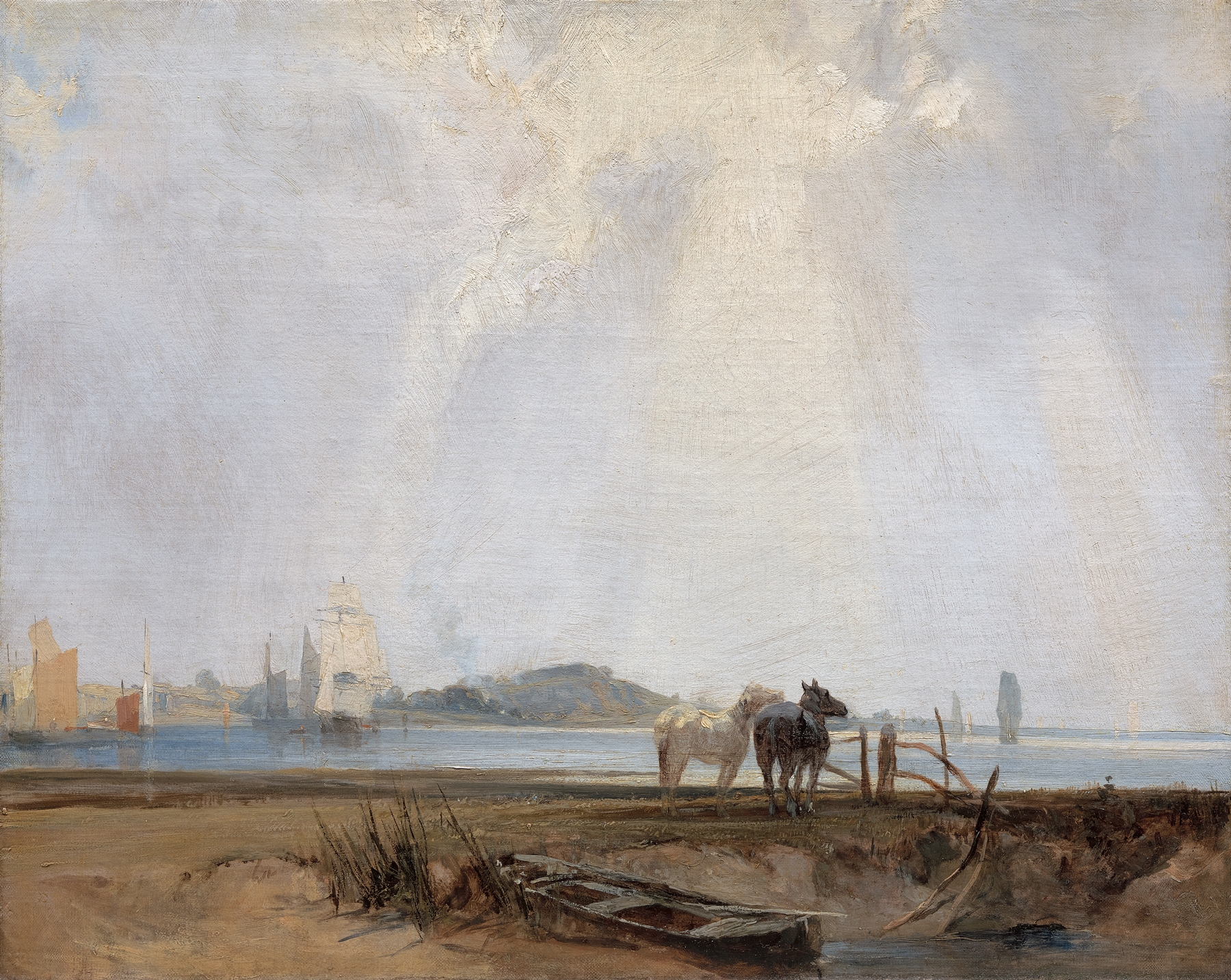
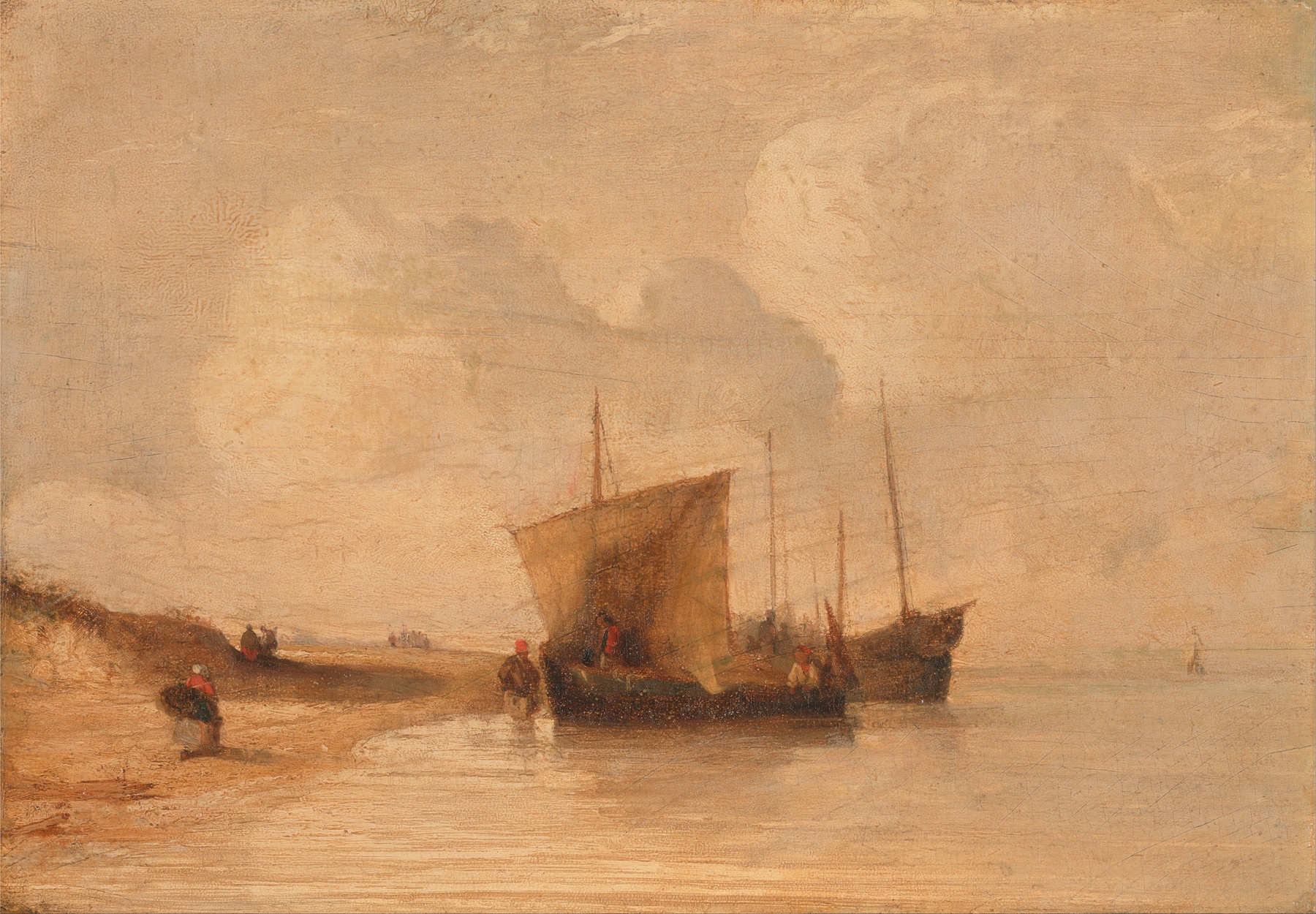
“Sometimes beauty is just pain, disguised in gold.” Memories linger like whispers in the breeze, evoking a sense of longing for what once was. In delicate strokes, the past becomes tangible, inviting contemplation of fleeting moments and the bittersweet nature of nostalgia. Look to the left at the gentle ripples of water reflecting the soft hues of dawn. Notice how the light bathes the scene in a warm glow, casting long shadows that sway with the tall grasses, each blade a testament to the interplay of nature. The horizon stretches wide, framed by the marshes, drawing your eye towards the distant shore and creating a serene yet expansive atmosphere.
Bonington's masterful use of color — muted greens and luminous golds — brings forth a dreamlike quality that captures both tranquility and a sense of yearning. Beneath the surface lies a deeper tension between the beauty of the landscape and the transient nature of memory. The marshes, with their serene appearance, may hide the tumult of shifting tides and the impermanence of life itself. Each brushstroke seems to whisper the stories of those who wandered through these waters, forging connections that are as fragile as they are profound.
The ethereal quality of the scene evokes a balance between joy and melancholy, as if Bonington captures both a moment of peace and the inevitable passing of time. In 1826, Richard Parkes Bonington painted this work while living in France, where he was influenced by the emerging Romantic movement. His life was marked by personal challenges, yet he thrived in the artistic circles of Paris, inspiring and being inspired by contemporaries like Eugène Delacroix. This piece reflects not only his technical prowess but also the profound emotional landscape that defined his artistic journey during a tumultuous period in Europe.