The Snow Farm — History & Analysis
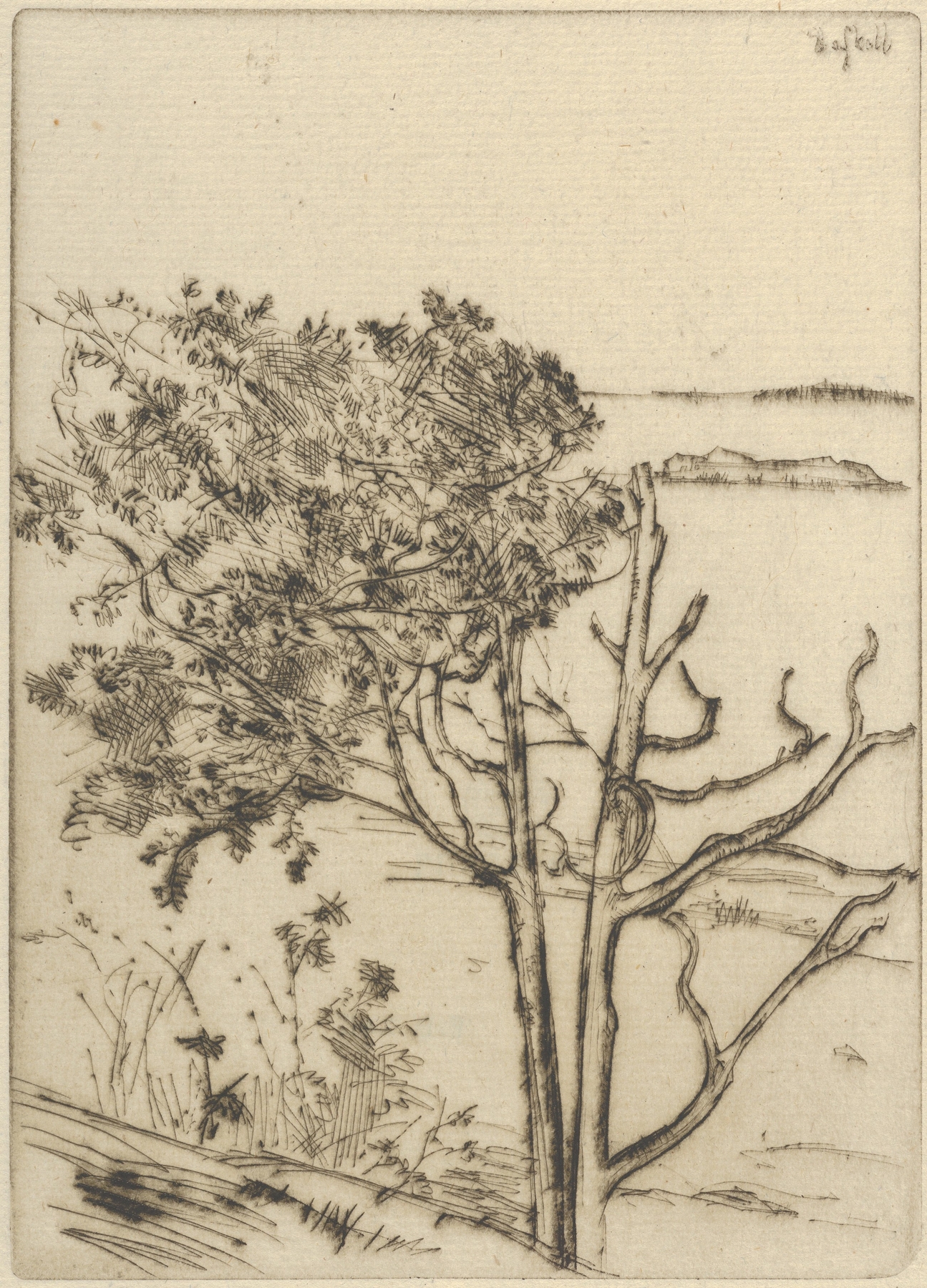
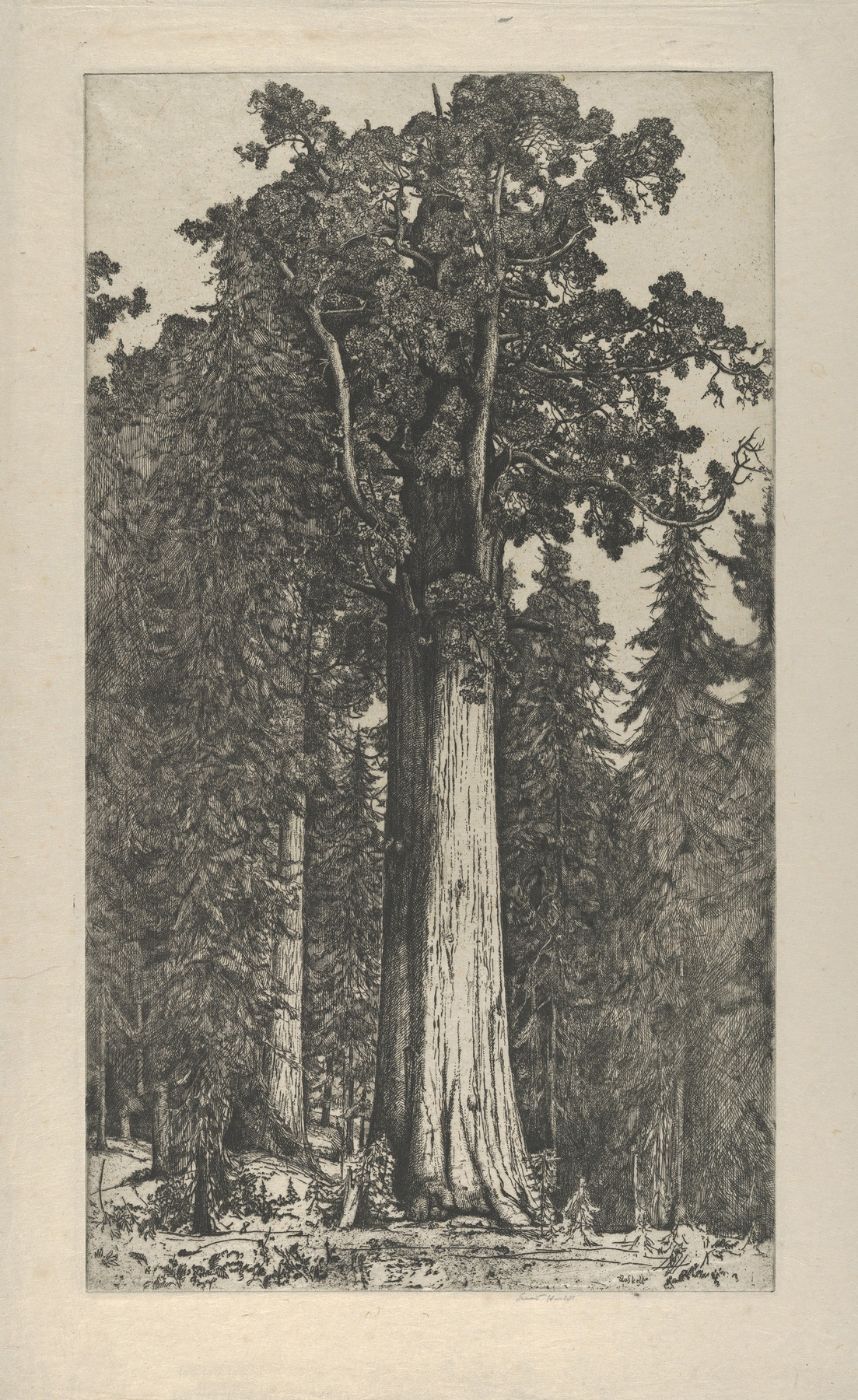
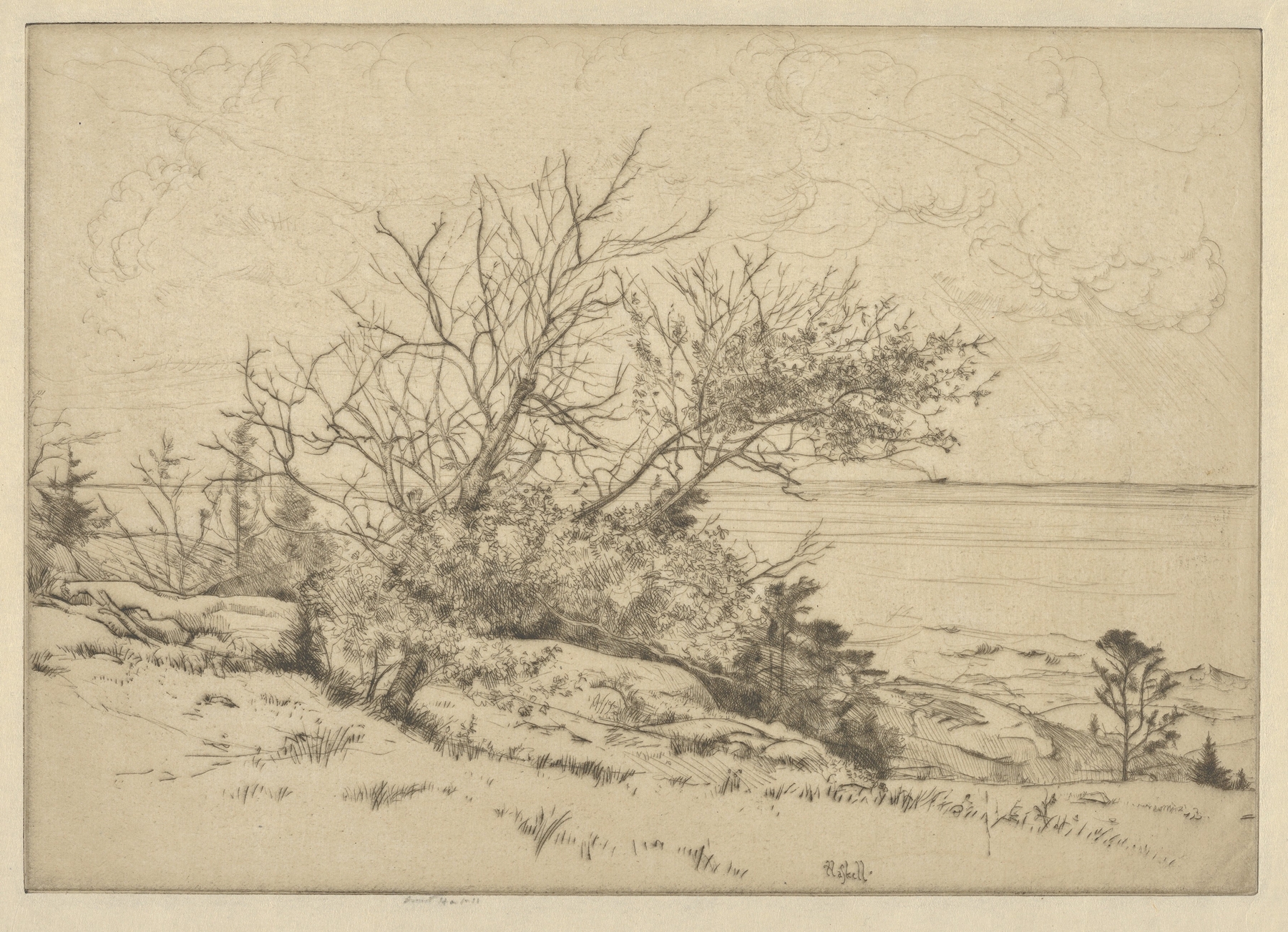
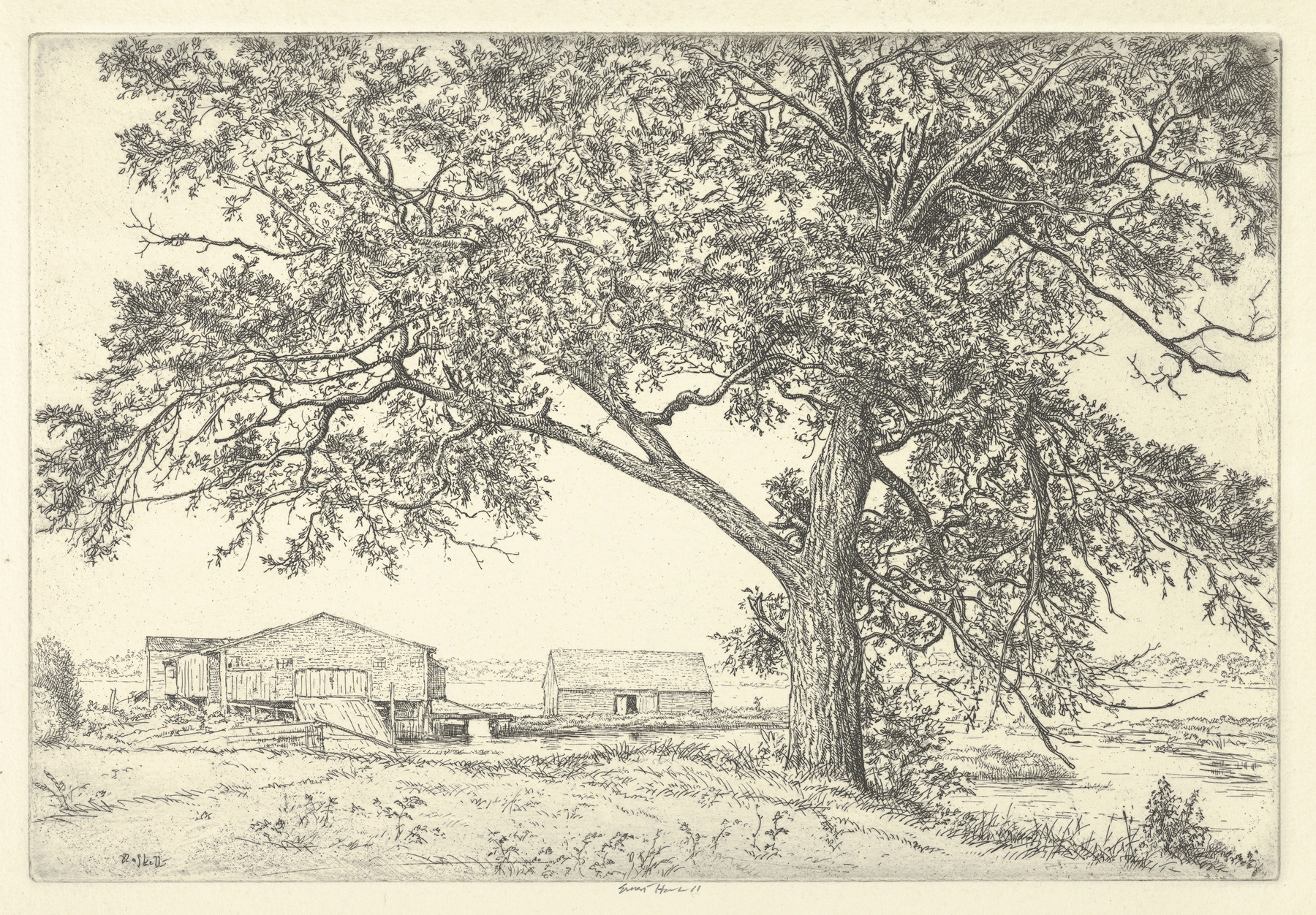
“To paint is to remember what time wants us to forget.” In the stillness of winter, the landscape transforms into a silent witness of ephemeral beauty, capturing the essence of time itself. Look to the left, where a solitary figure trudges through a blanket of untouched snow, their path a careful incision in the pristine surface. The muted palette, dominated by soft whites and grays, evokes a sense of serenity, inviting viewers to breathe in the chill of the air. The delicate brushwork mirrors the gentle fall of snowflakes, creating a symphony of texture that contrasts with the starkness of the landscape.
Each detail, from the faint outline of distant trees to the crystalline shimmer of frost, reinforces the quiet majesty of winter. The emotional tension in this piece lies in the interplay between solitude and nature's grandeur. The figure, seemingly insignificant against the vastness of the snowy expanse, embodies the universal experience of isolation, while the enveloping silence speaks to the passage of time. Haskell's careful rendering of light and shadow suggests a fleeting moment, a reminder that every step taken in the snow is both a departure and a mark left behind — transient yet profound.
Created in 1924, during a time when the art world was embracing modernism and the complexities of human emotion, the artist found inspiration in the tranquil yet stark landscapes of rural America. Living in New England, Haskell experienced firsthand the winter's depth, translating that intimate connection into his work. This painting reflects not just a moment captured in time, but an exploration of the human condition within nature's unyielding embrace.