The Suffolk Plough — History & Analysis
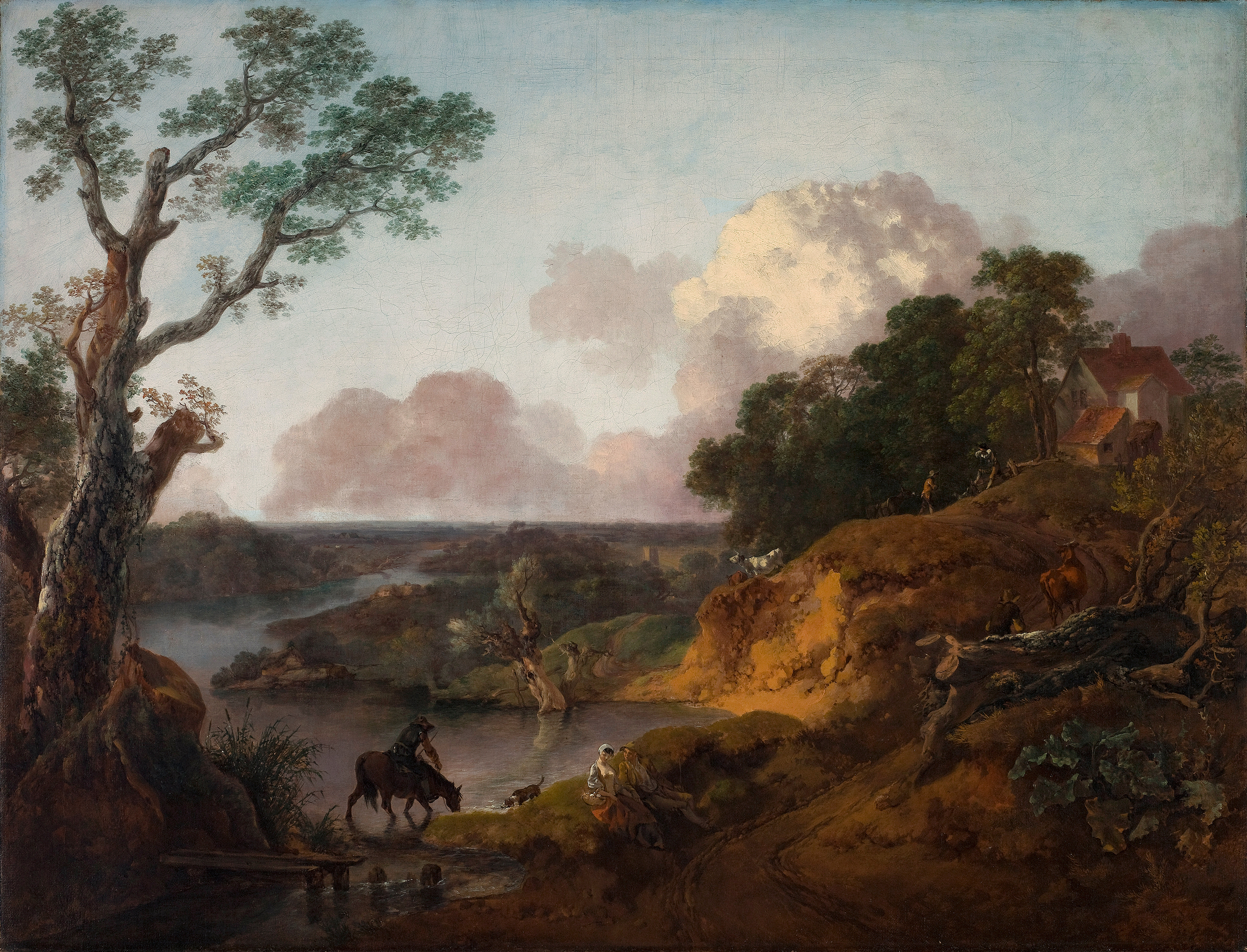
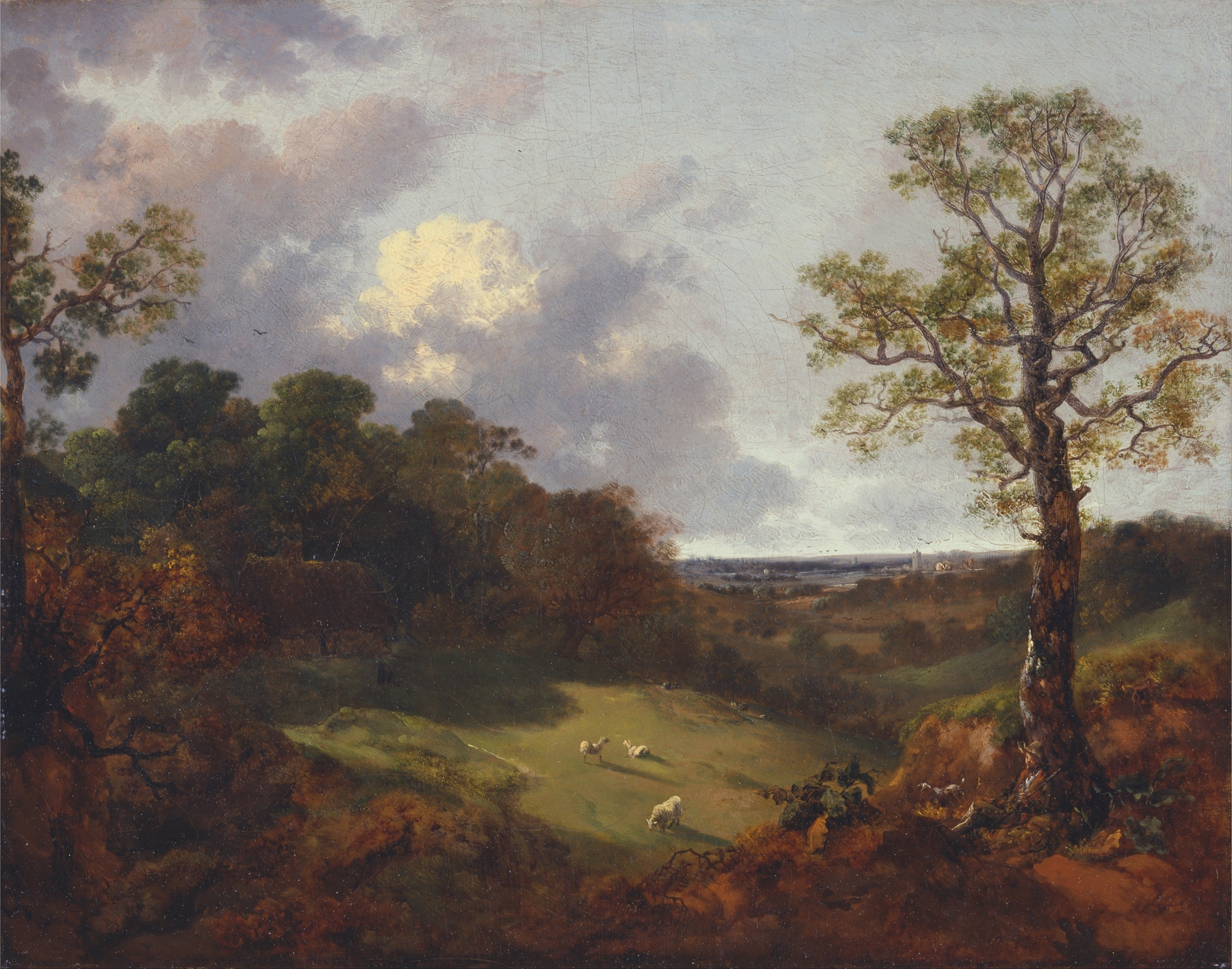
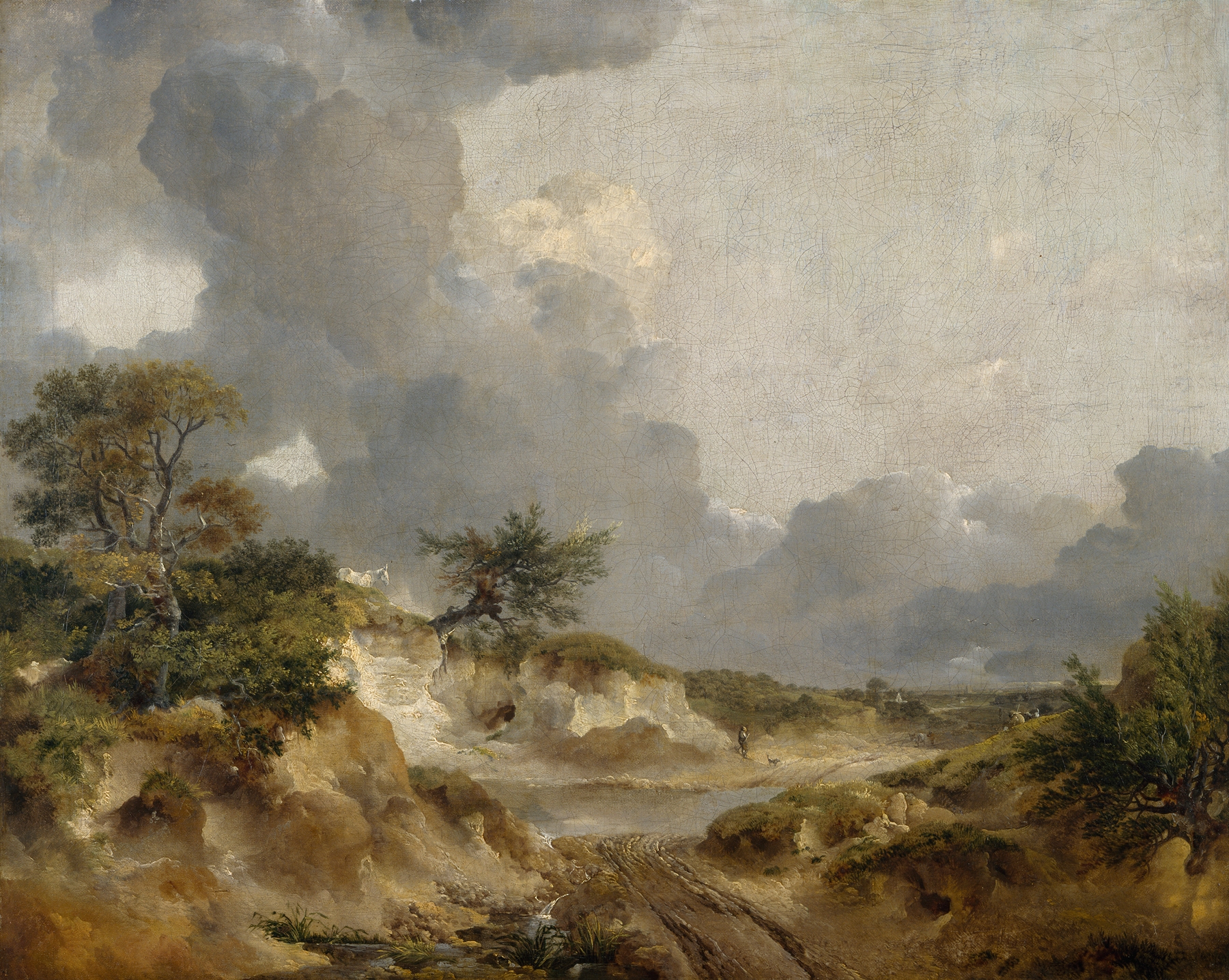
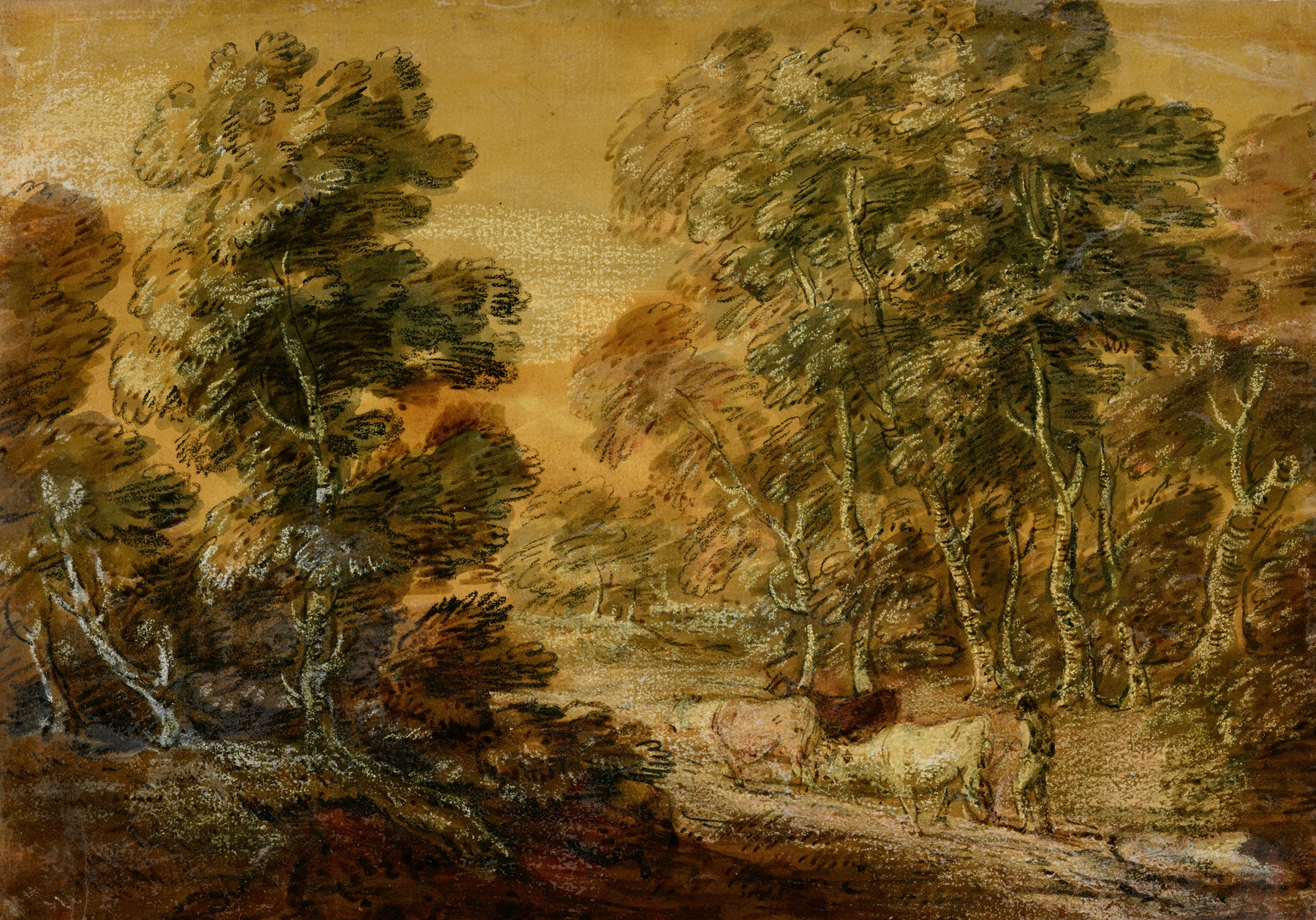
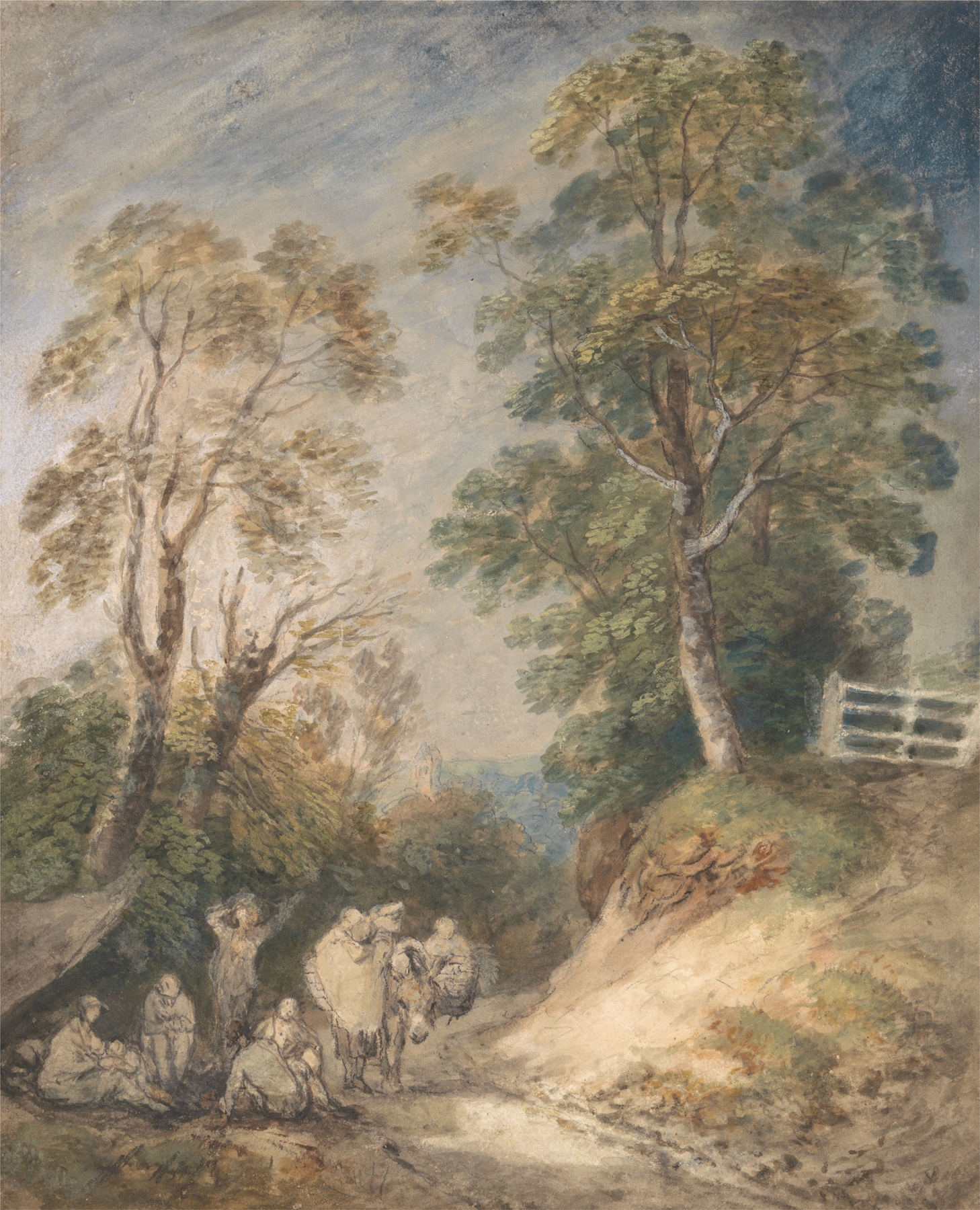
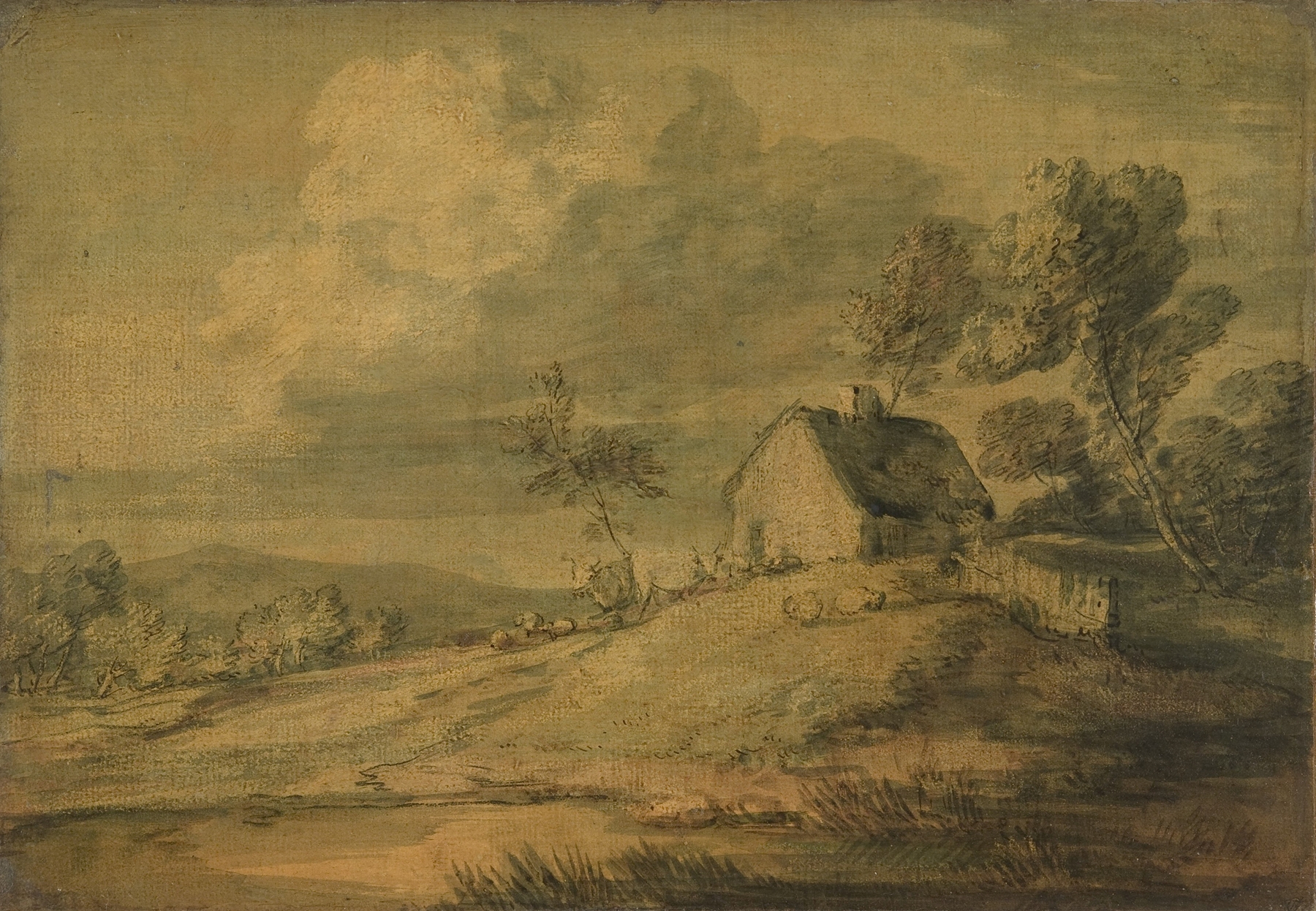
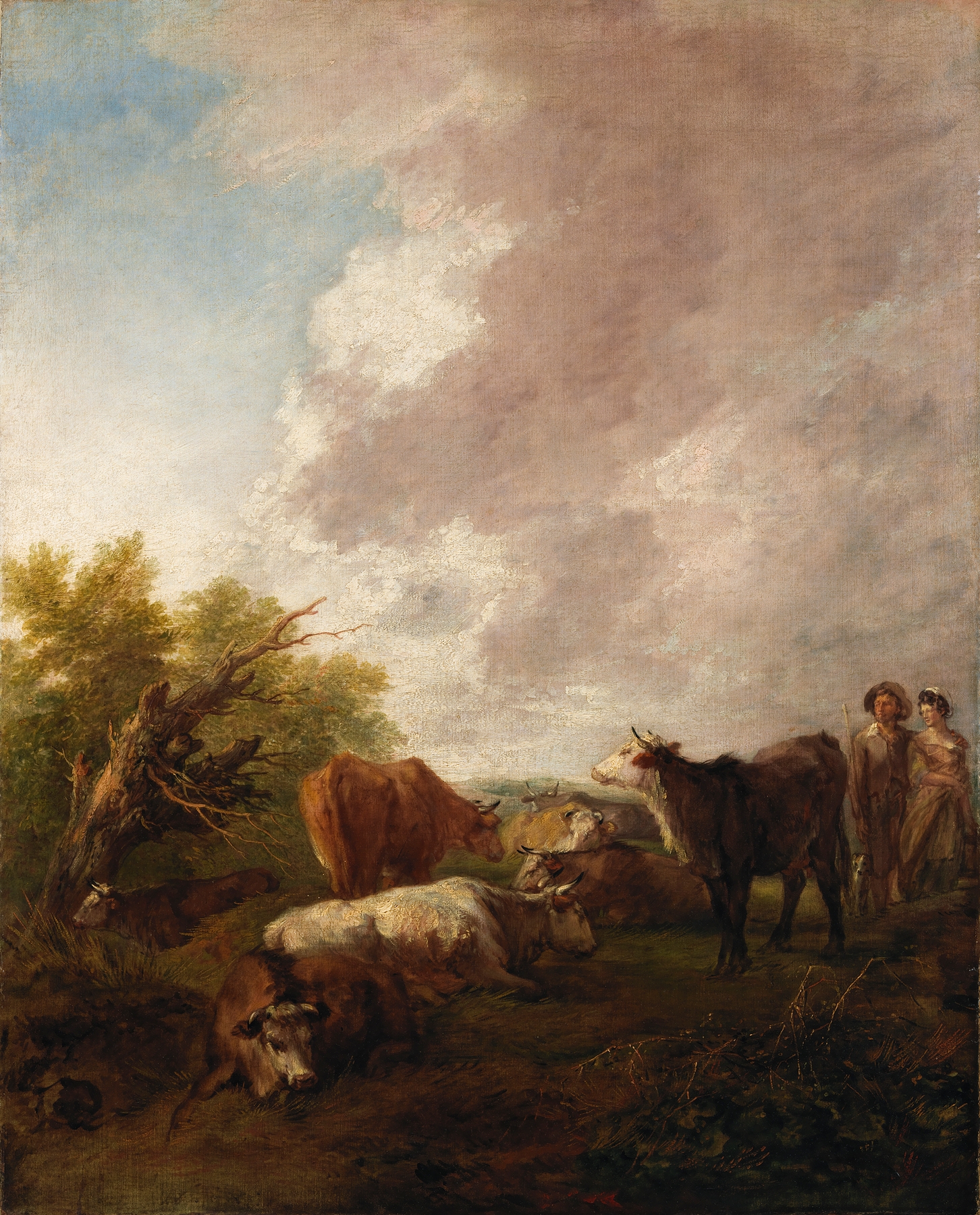
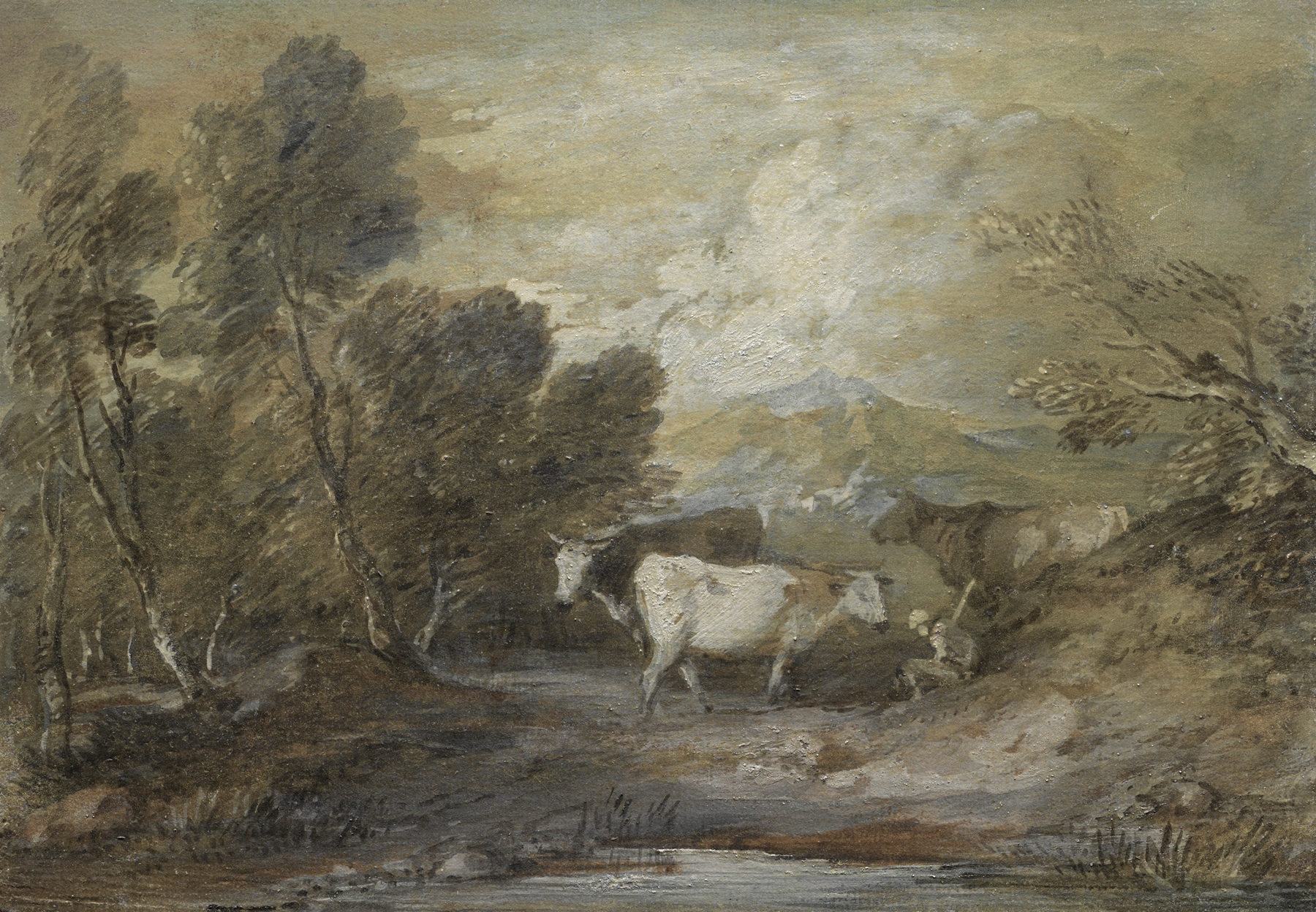
When did color learn to lie? In a world where hues convey more than mere aesthetics, the interplay of light and shadow reveals a deeper truth. Focus your gaze on the earthy tones of the landscape that wrap around the ploughman, whose weathered hands grip the reins with a sense of steadfast determination. Notice how the golden light bathes the entire scene, creating a soft halo around the figure while casting gentle shadows that hint at the burdens of labor.
The brushstrokes are fluid yet purposeful, capturing not just the figure but the essence of toil and the passage of time in the rustic setting. Delve into the juxtaposition between the vibrant greens of the fields and the muted browns of the ploughman’s clothing. This contrast reflects a profound connection between man and nature, suggesting the sacred relationship between labor and the land. The plough, a symbol of cultivation, stands as a testament to both physical endeavor and the slower rhythms of agrarian life, evoking a nostalgia for simpler times.
Created during a period of artistic transition in England, this work emerged as Gainsborough sought to break conventions while exploring the emotional depths of rural life. In a time when the art world grappled with the rise of Romanticism, he was simultaneously influenced by the pastoral beauty of his surroundings and the sociopolitical upheaval of the late 18th century. The painting encapsulates a moment marked by both personal introspection and a broader cultural awakening, reflecting the nuances of time through the lens of nature's eternal cycle.