The Temple of Hercules in Cori near Velletri — History & Analysis
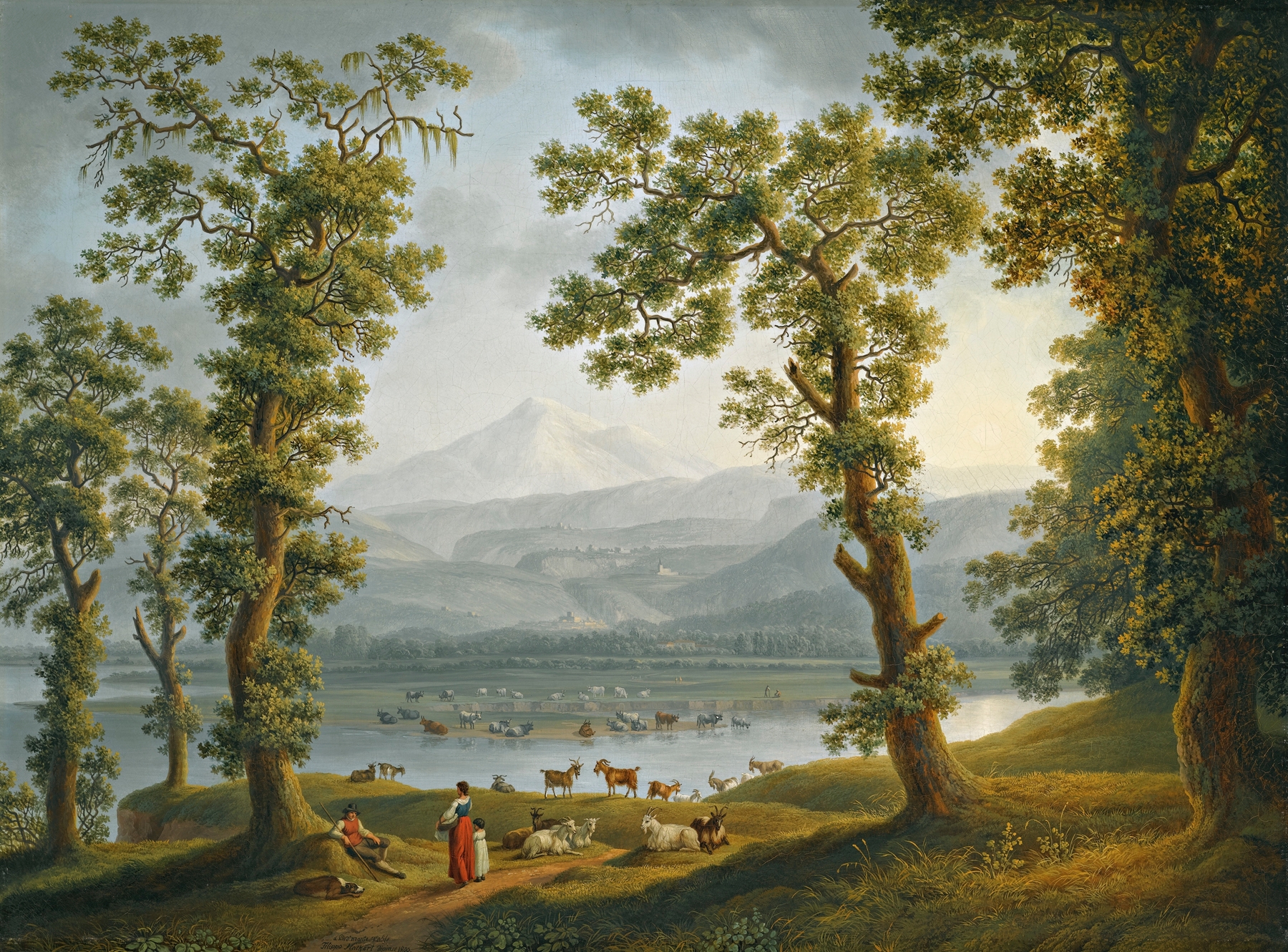
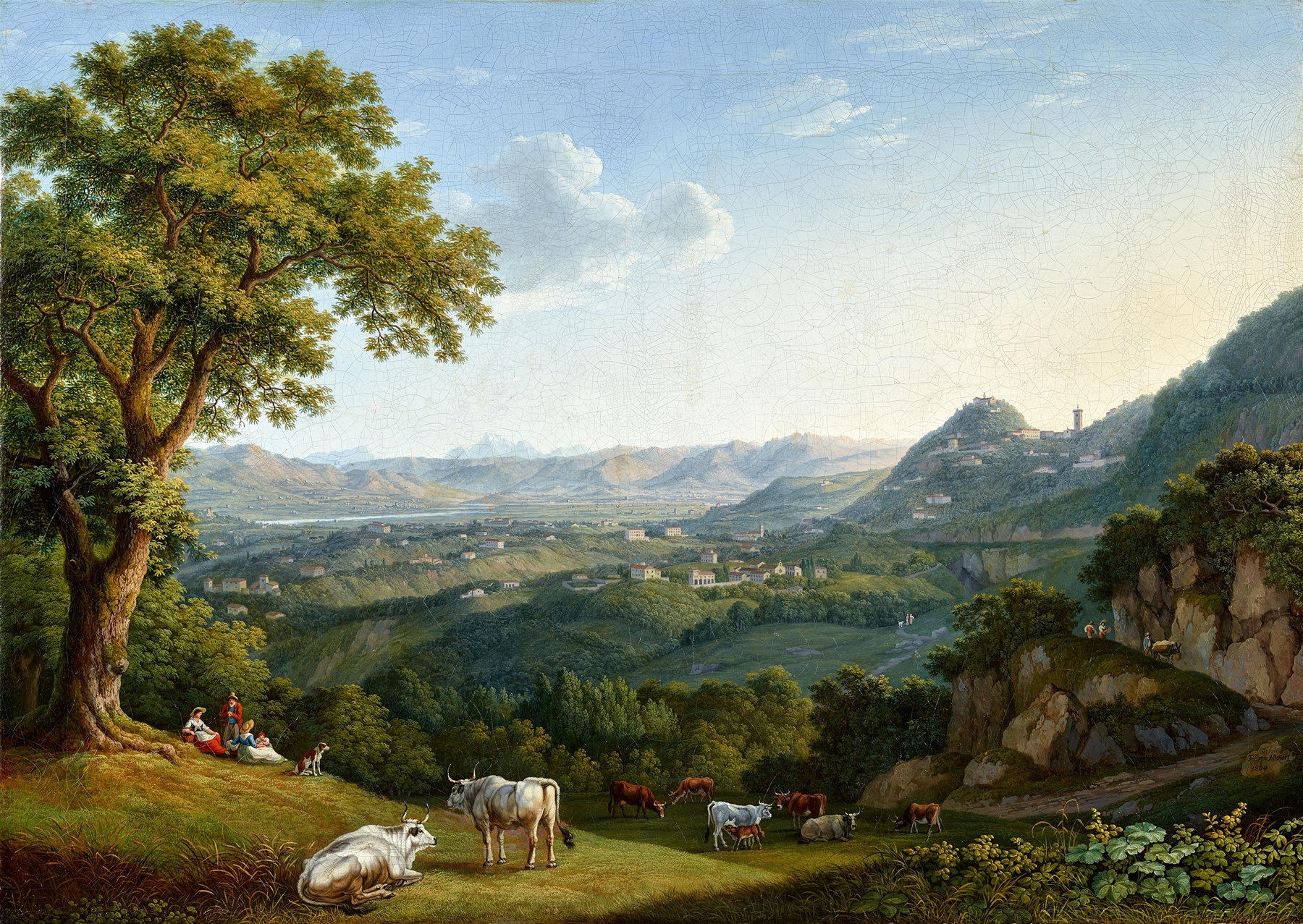
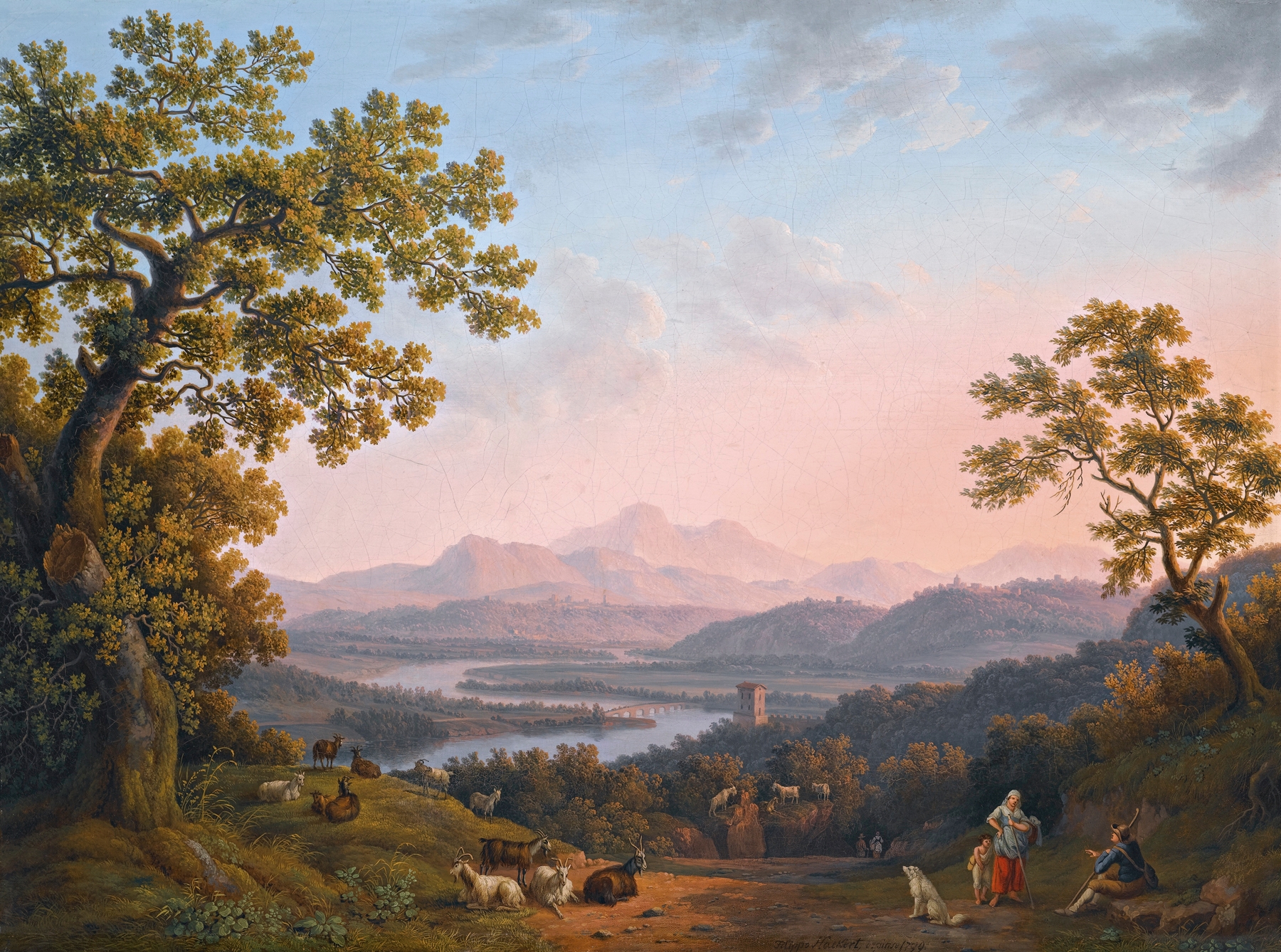
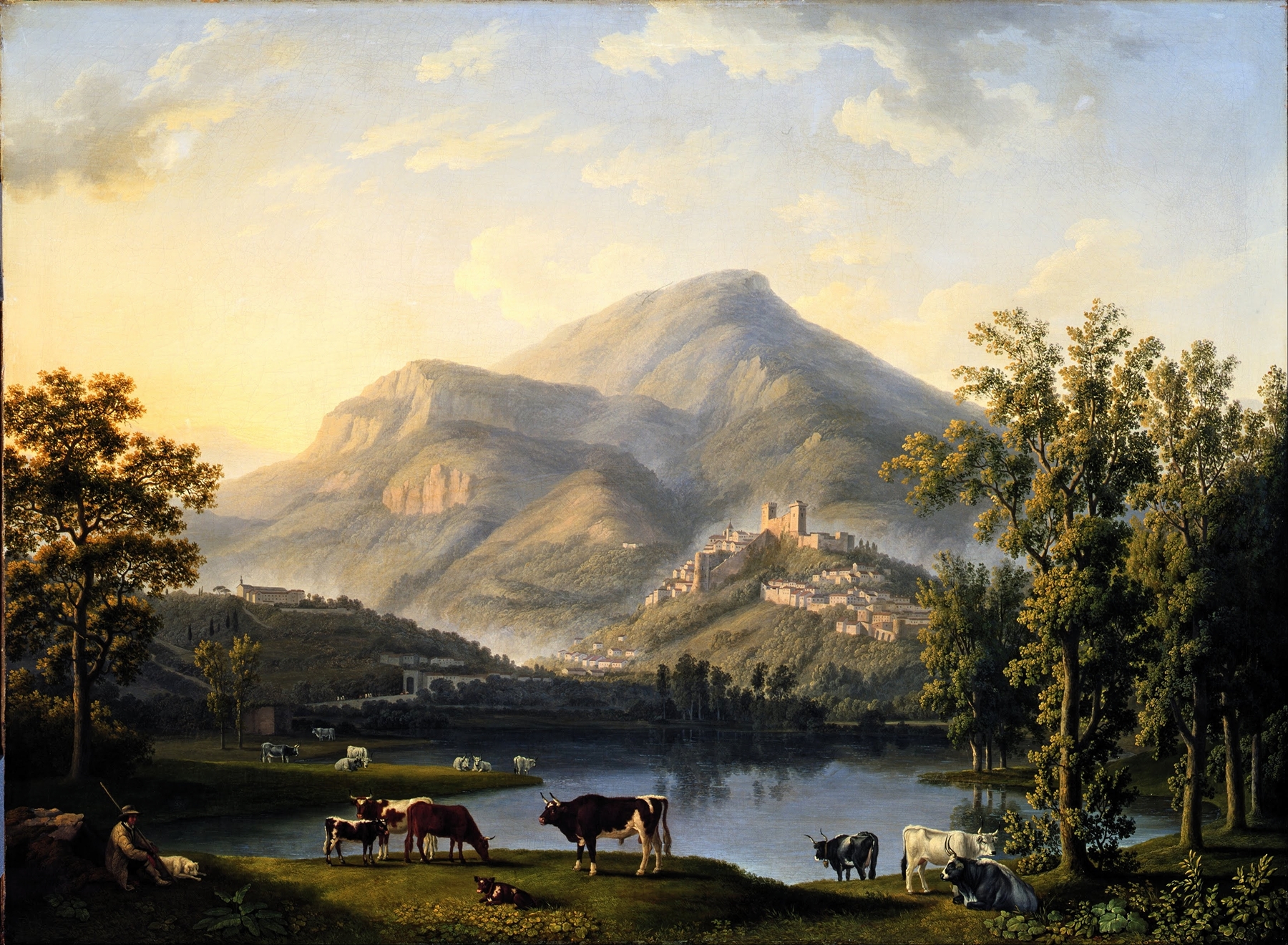
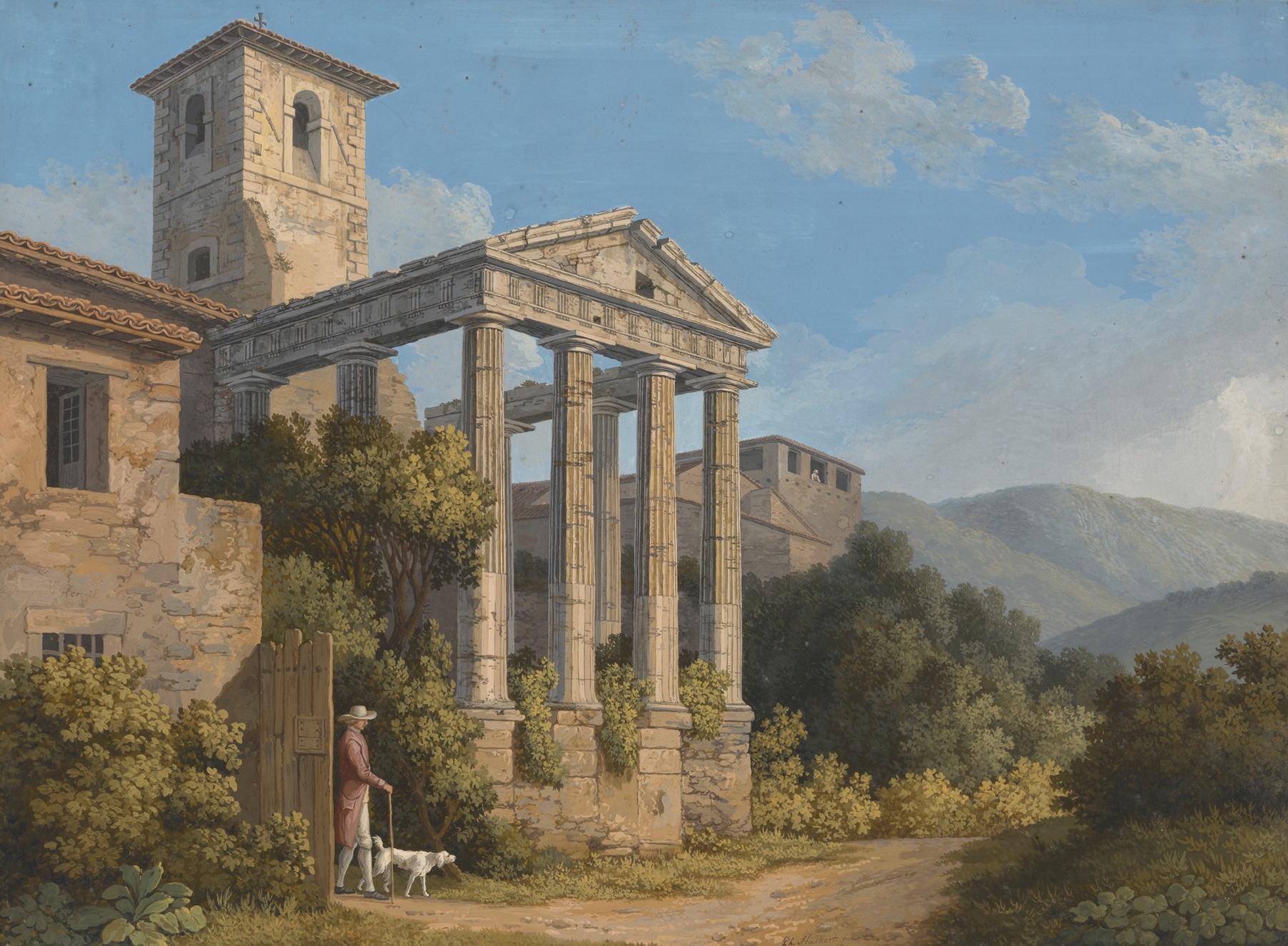
Can beauty exist without sorrow? In The Temple of Hercules in Cori near Velletri, the vivid hues and tranquil scene suggest an answer drowning in the richness of nature and architecture. Look to the left at the majestic temple, its weathered stones bathed in soft golden light that cascades gently from a late afternoon sun. The warm yellows and deep greens of the landscape envelop the viewer, drawing the eye to the interplay of light and shadow across the aged structure.
Notice how Hackert employs a masterful blend of atmospheric perspective, allowing the background hills to fade into a soft blur, enhancing the sense of depth and inviting exploration beyond the temple’s immediate grandeur. Beneath the surface of beauty lies a poignant contrast between the sublime and the transient. The temple, a symbol of enduring strength, stands prominently amidst the lush landscape, yet it is weathered—a reminder of time’s passage and the inevitable decay of all things.
The juxtaposition of the stark, ancient architecture against the vibrant foliage evokes feelings of nostalgia and loss, suggesting that within the allure of beauty, there lurks a whisper of melancholy. In 1783, Hackert created this piece while residing in Italy, deeply influenced by the classical tradition and the romantic ideals of the Enlightenment. This was a time when artists began to embrace the merging of nature and architecture, and Hackert's rendering reflects both a personal exploration of melancholy beauty and the broader artistic movement towards integrating the sublime into everyday landscapes.