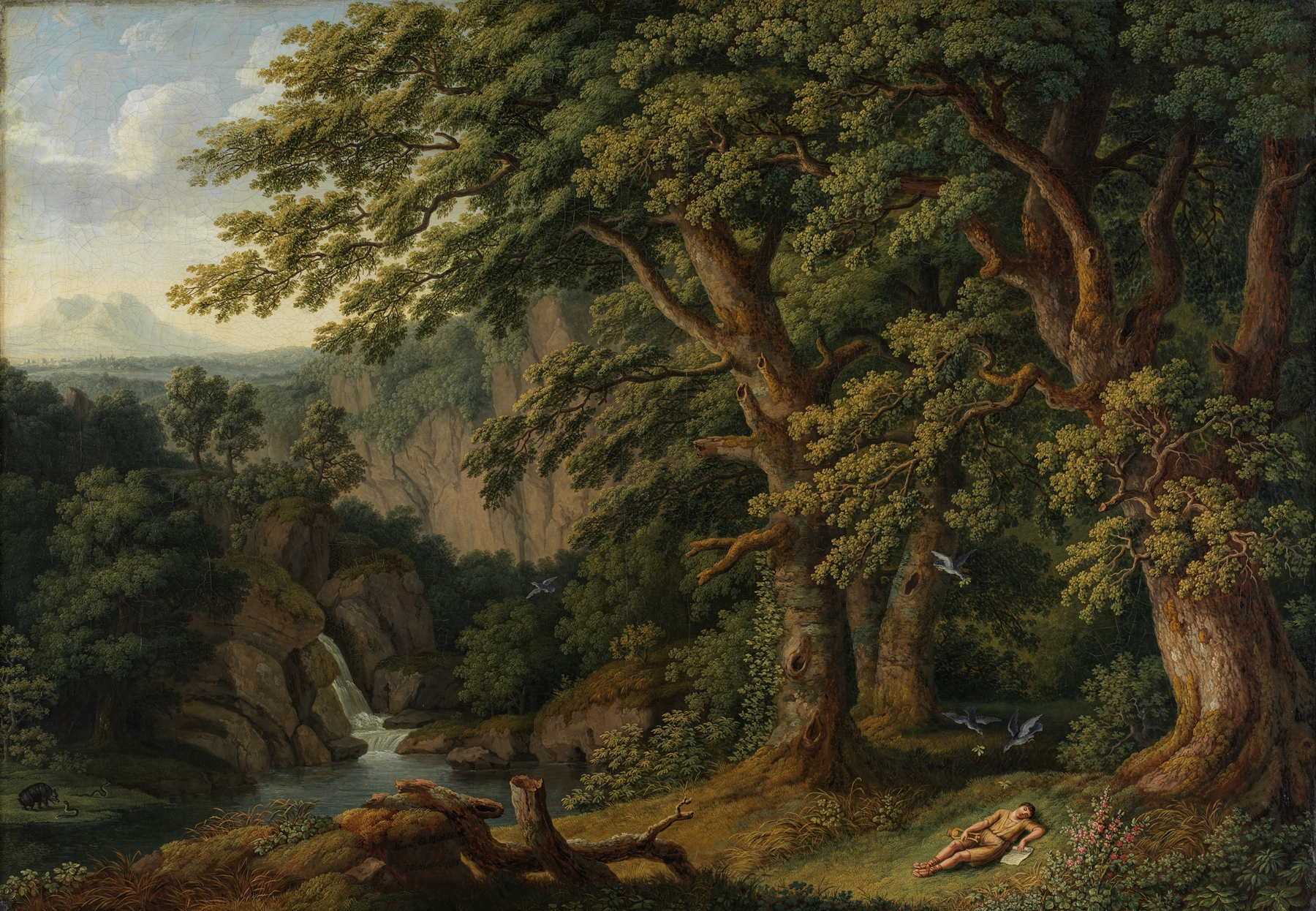
Waldlandschaft mit dem schlafenden, von Tauben behüteten Knaben Horaz — History & Analysis
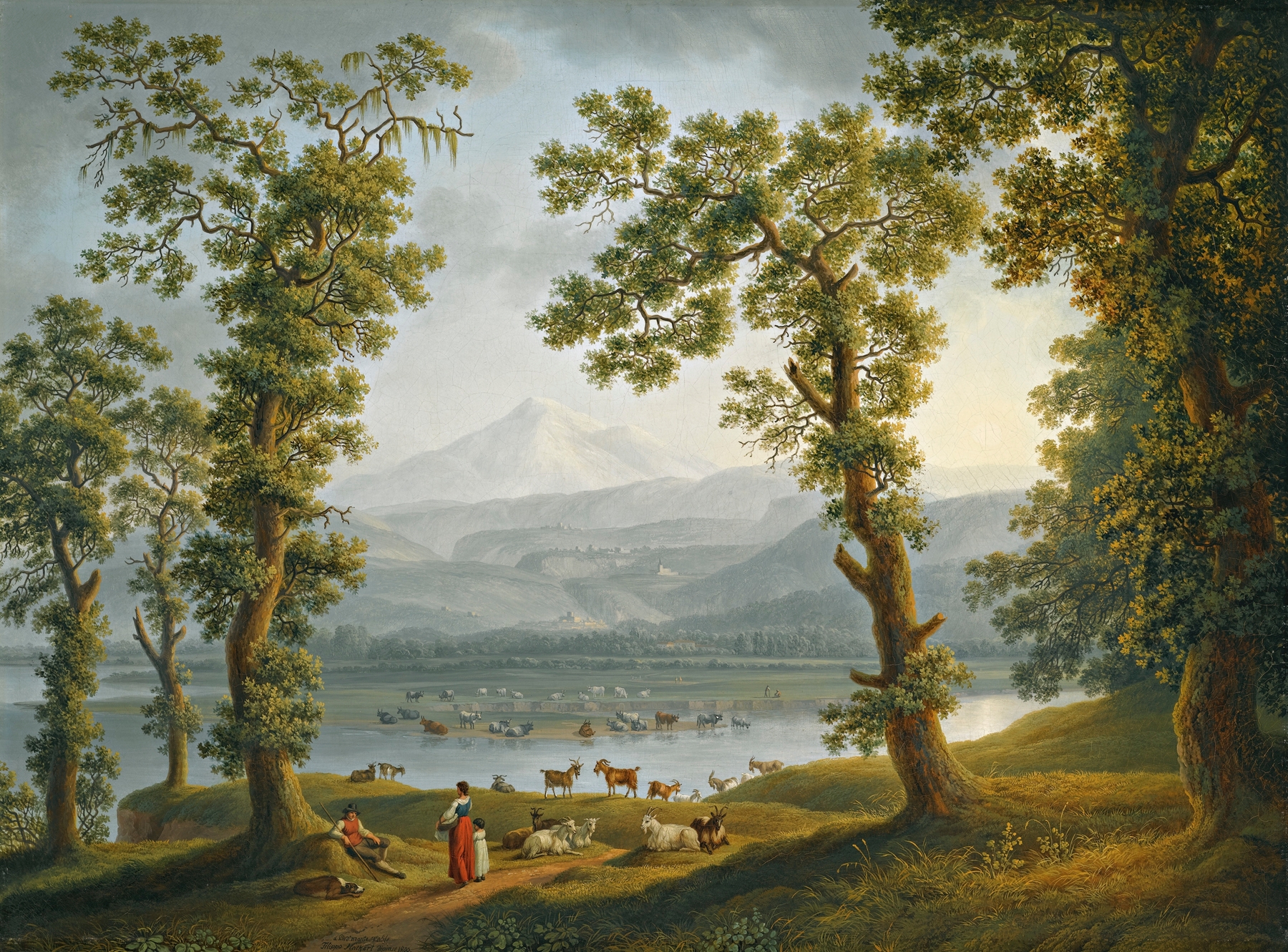
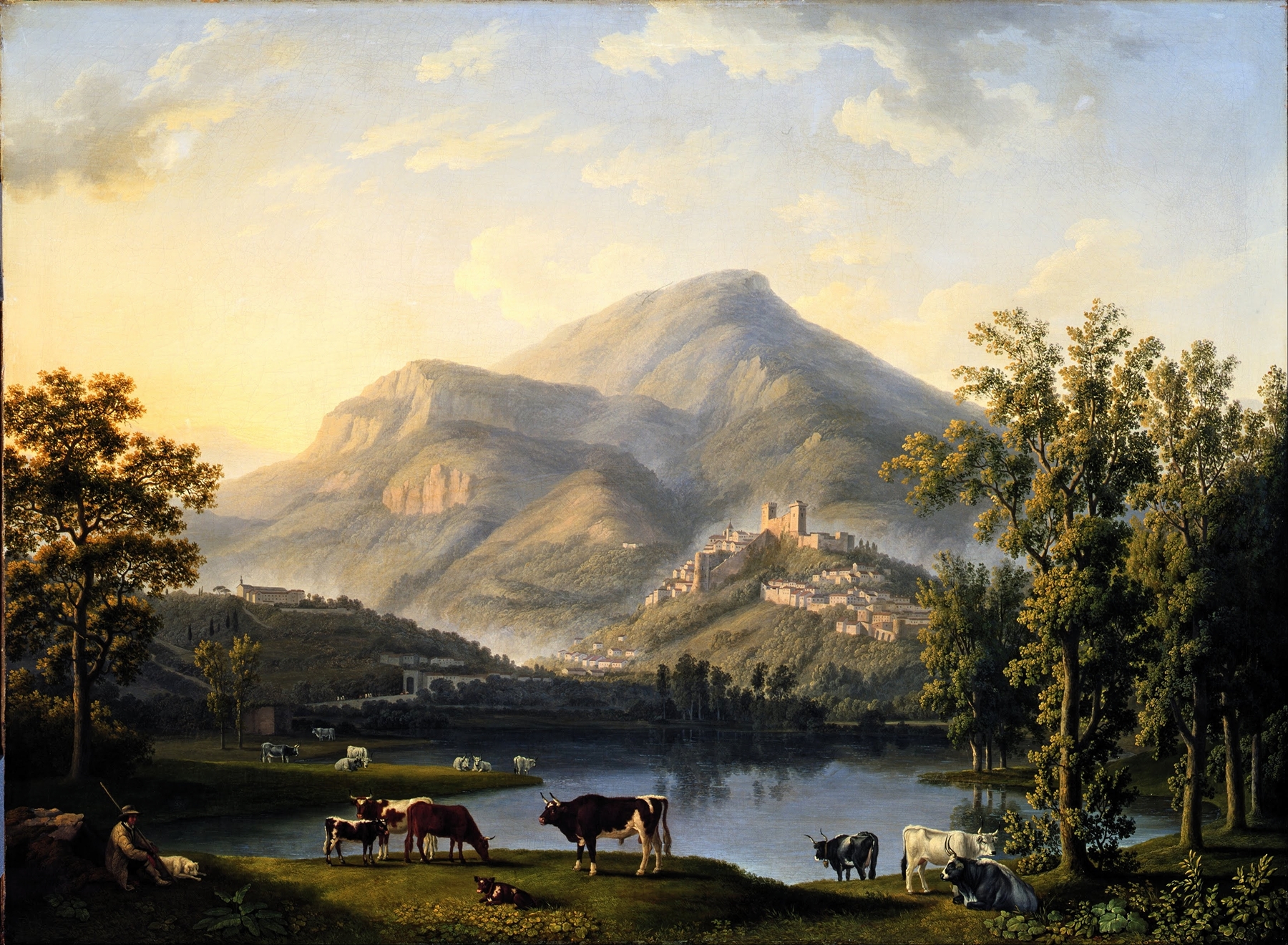
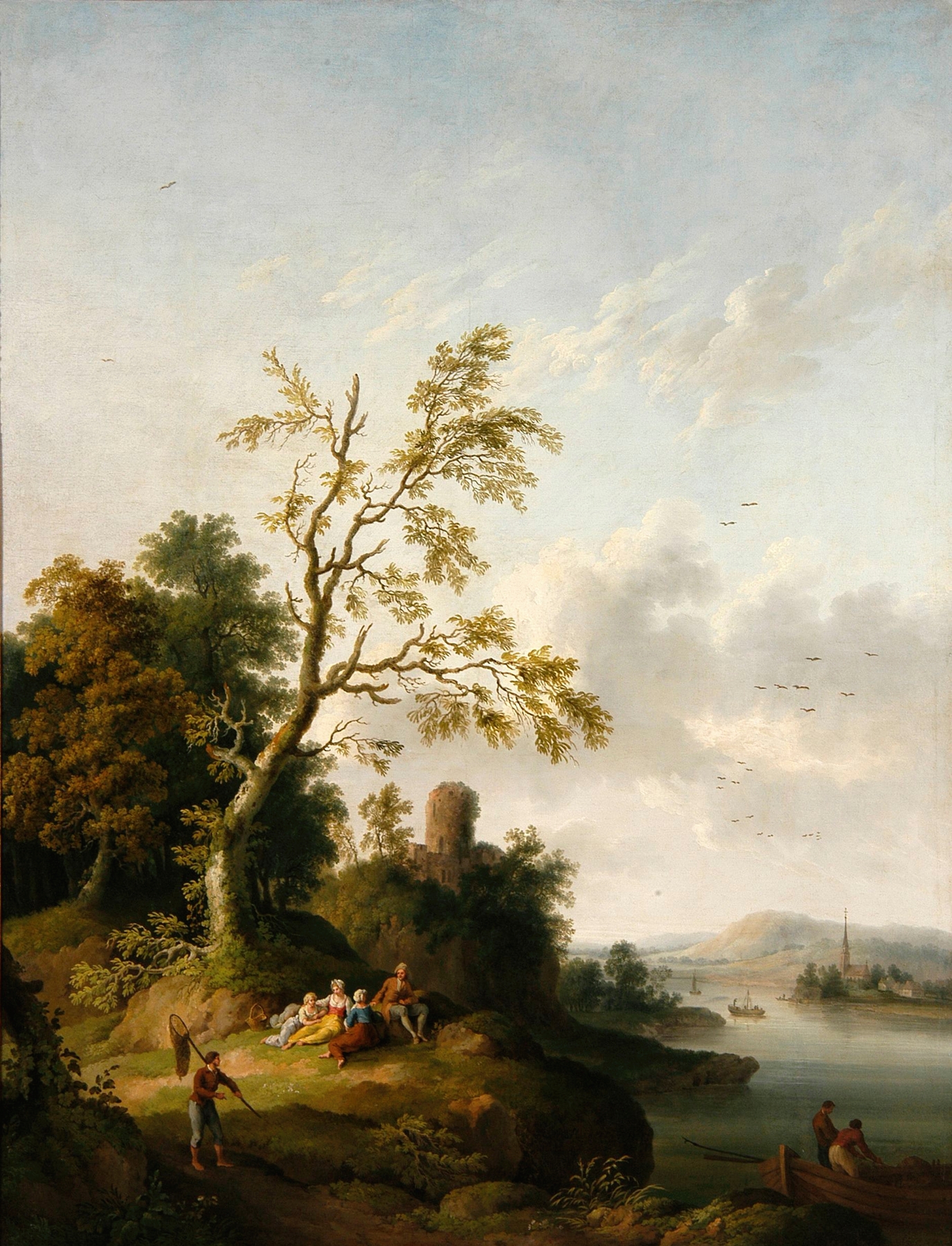
Is this a mirror — or a memory? The tranquil landscape presents a serene narrative, yet it whispers of nostalgia and loss, gently weaving together the threads of past and present. Look to the left at the lush greenery, where the vibrant leaves dance under a soft breeze that seems almost palpable. Notice how the light filters through the canopy, casting dappled patterns on the slumbering figure nestled in the grass.
The sleeping boy is cradled by nature, surrounded by gentle doves that occupy a sacred space of harmony. The palette is rich but tender, with deep greens and earthy browns evoking a sense of comfort and shelter, contrasting sharply with the boy's delicate vulnerability. Delve deeper into the symbolism: the doves, often seen as messengers or symbols of peace, not only guard the child but also serve as an emblem of innocence, suggesting a vulnerability that resonates with the specter of loss. The idyllic setting juxtaposes the boy’s stillness, hinting at fleeting moments of childhood that slip away all too quickly.
The painting captures an ephemeral tranquility, inspiring reflection on what it means to be held by nature, yet destined to awaken to the harshness of time. In 1805, the artist painted this evocative piece while residing in Italy, amidst a burgeoning Romantic movement that sought to express emotion and the sublime. During this period, Hackert was influenced by the landscape tradition, aiming to merge natural beauty with emotional resonance. This artwork emerged from a time of personal introspection, mirroring the artist's own explorations of memory and belonging, as he sought to encapsulate fleeting moments of peace within the ever-changing tides of life.