Paysage — History & Analysis
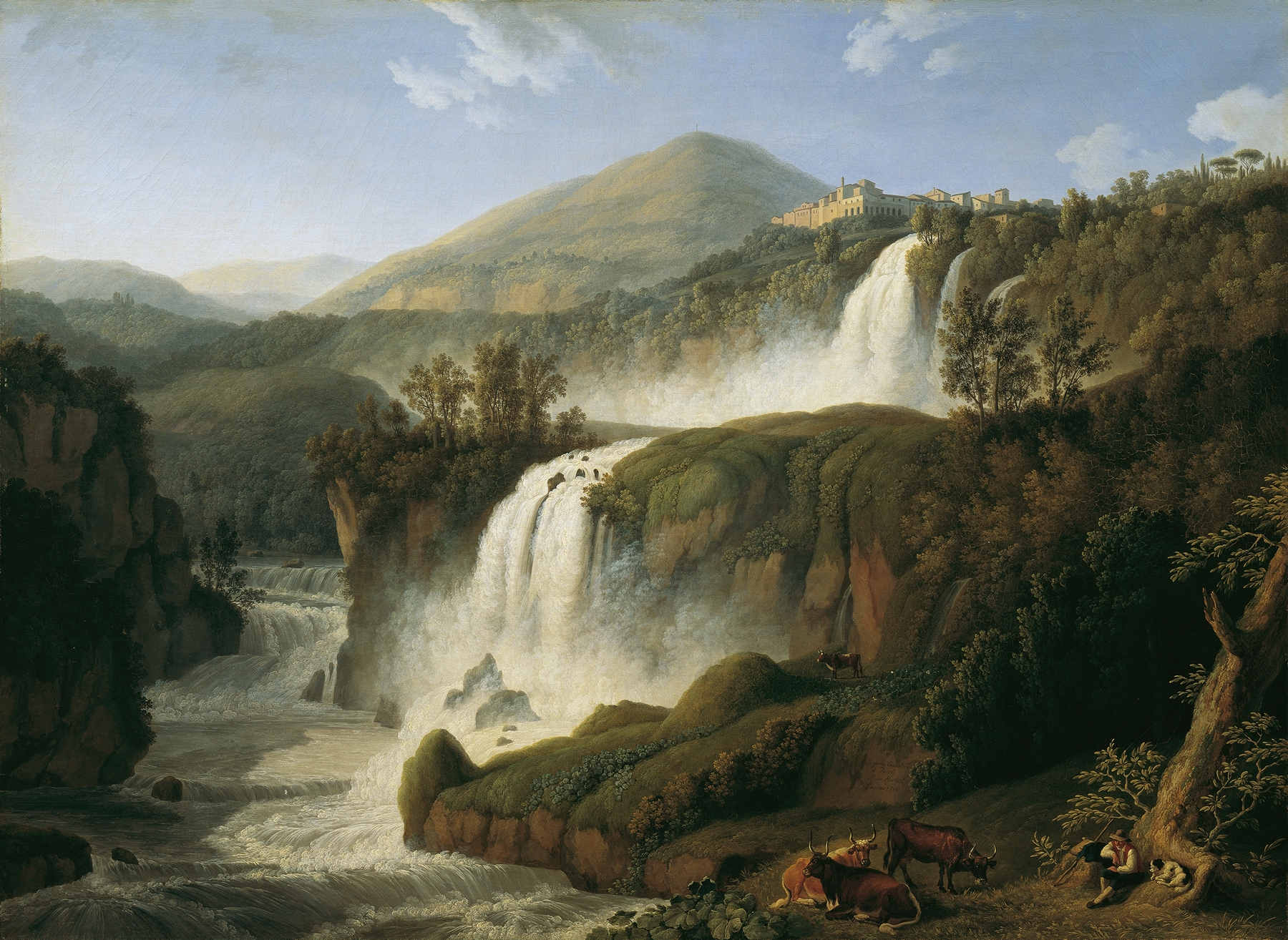
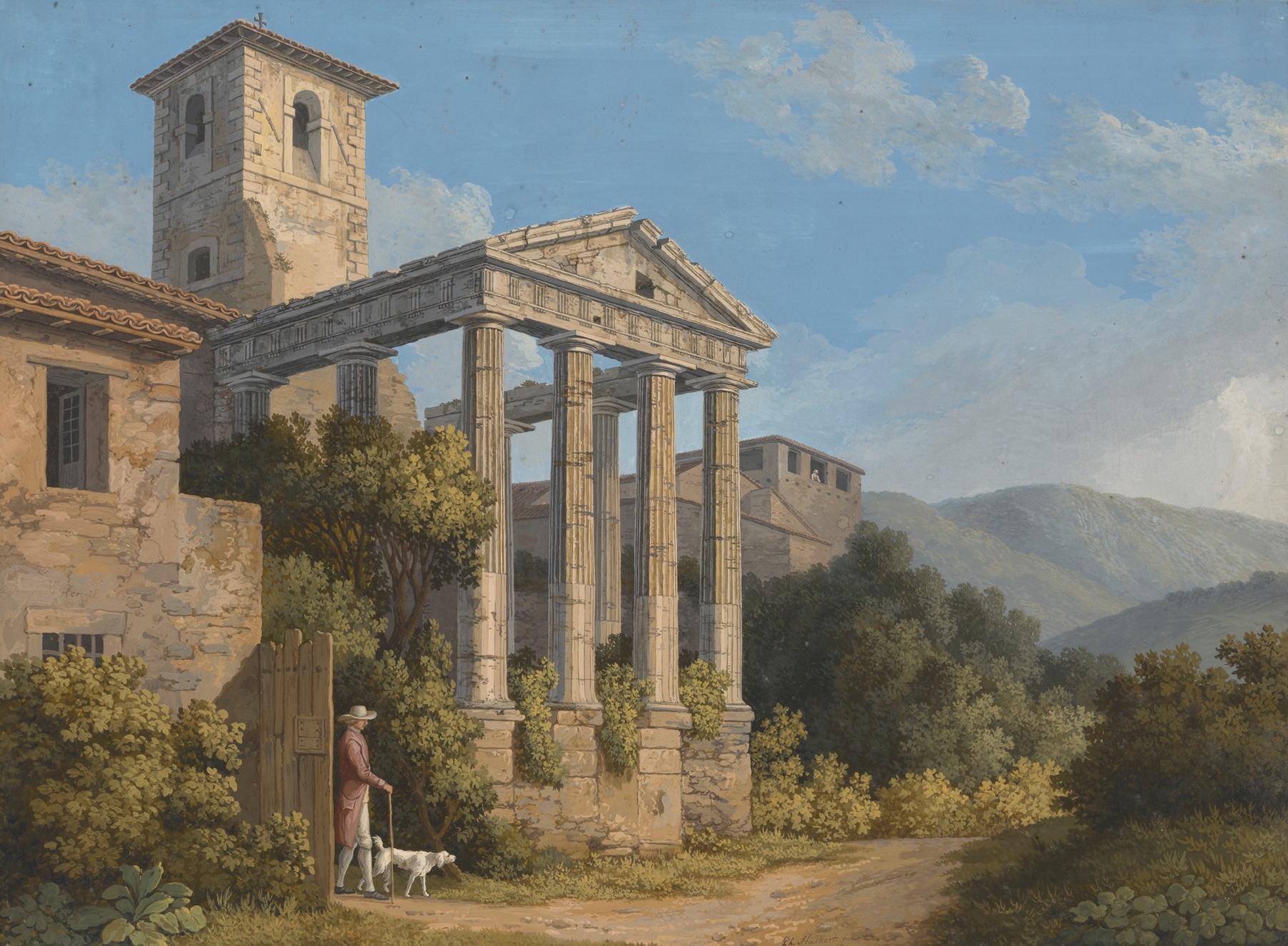
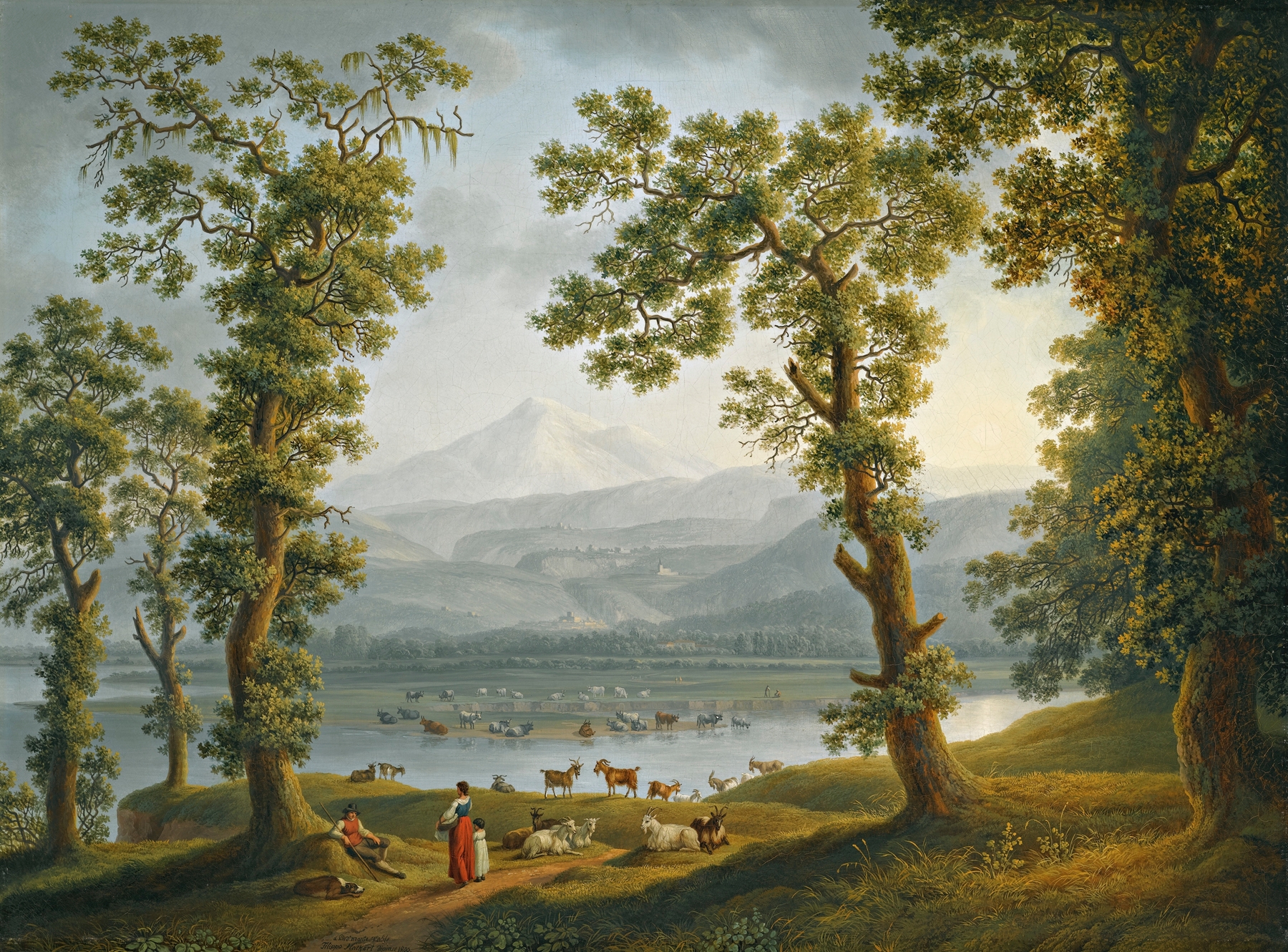
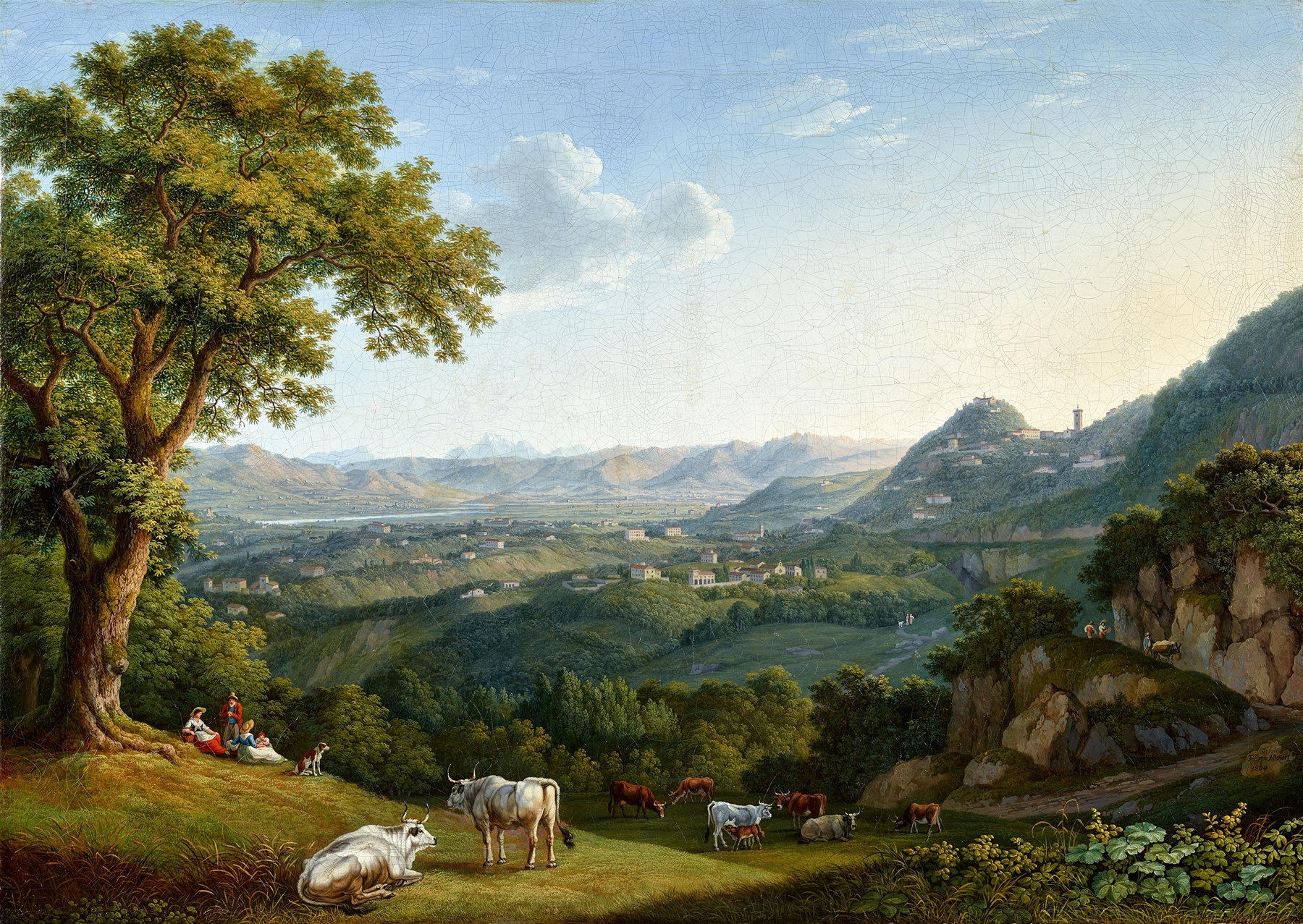
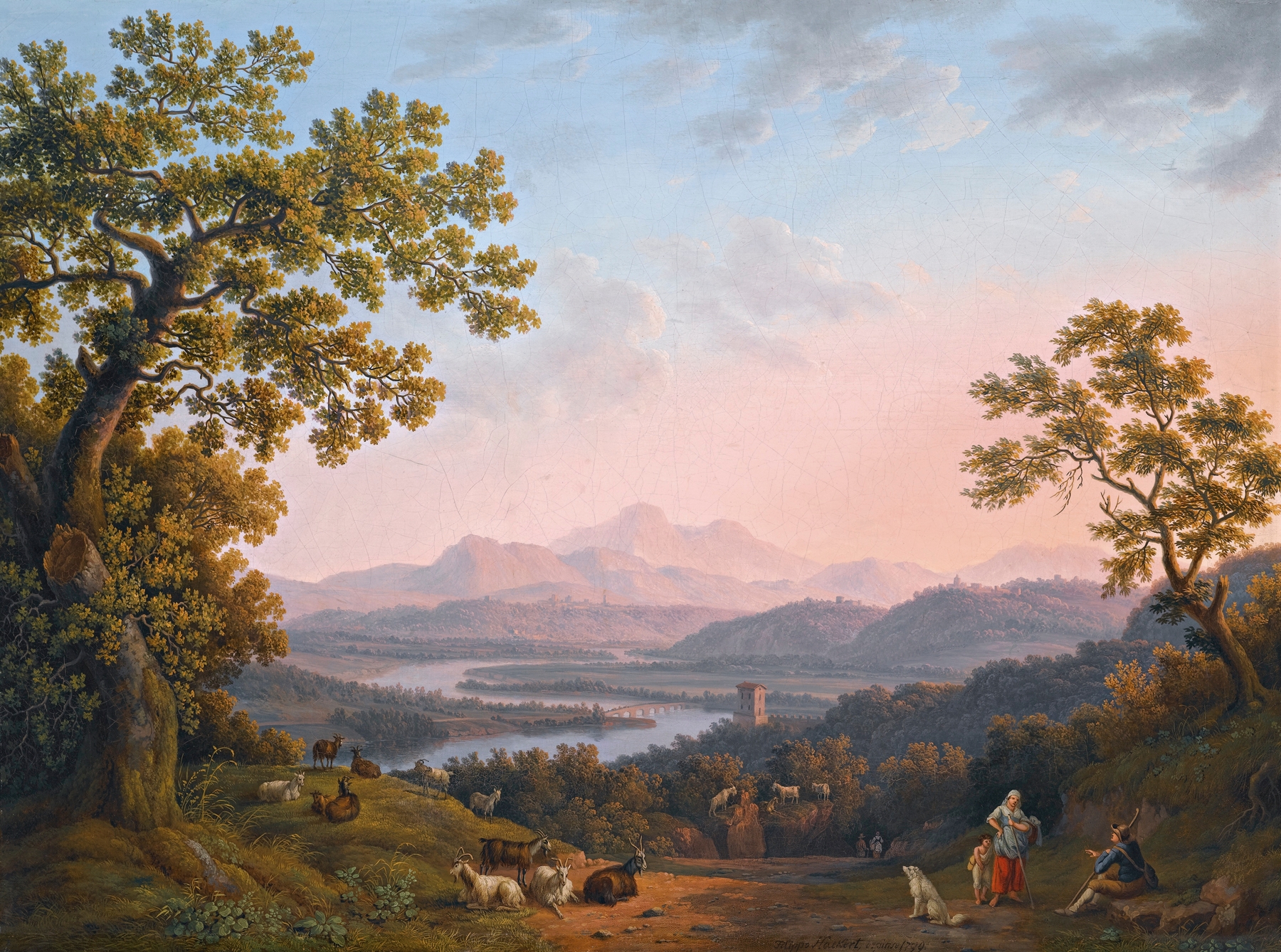
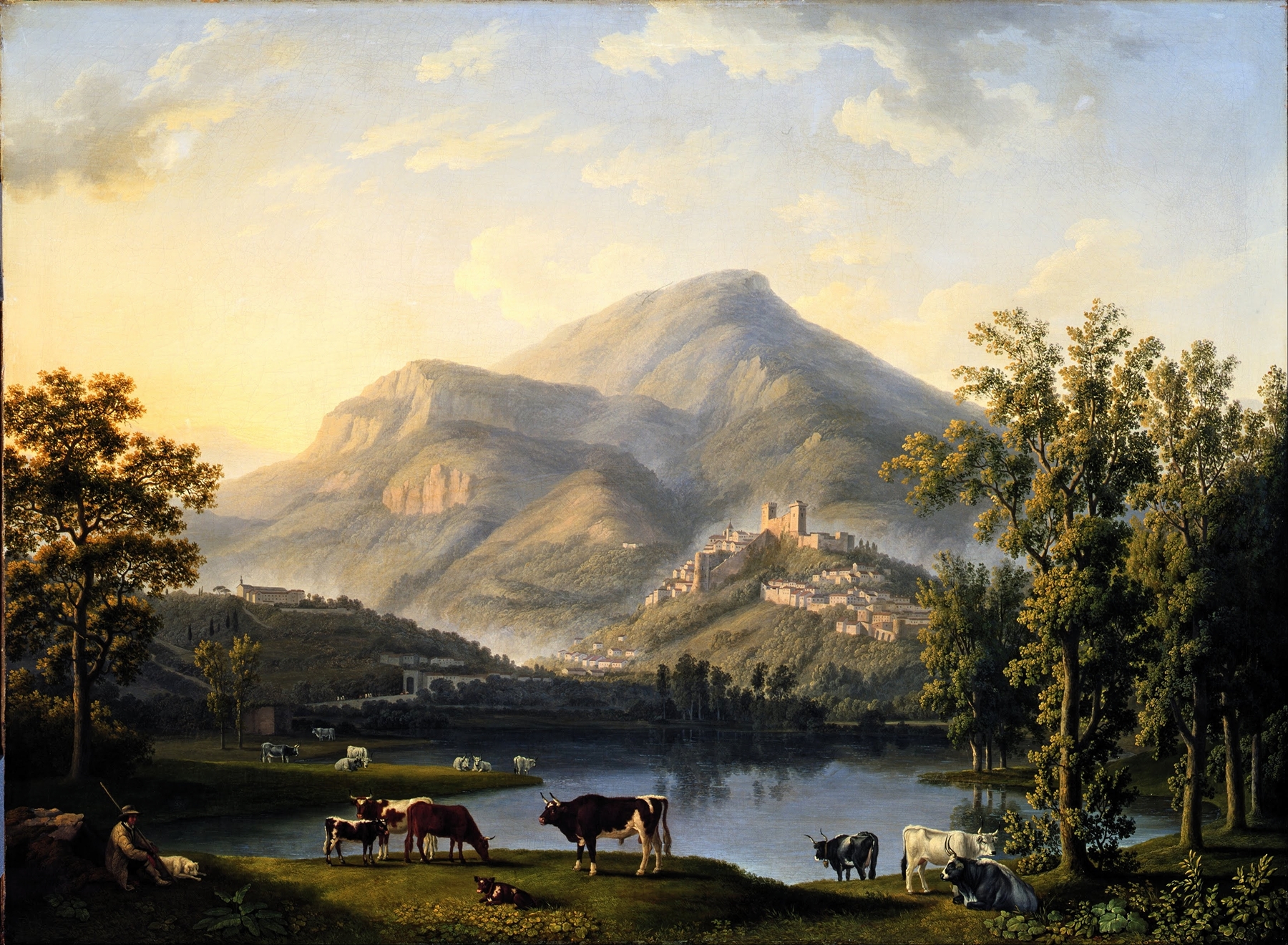
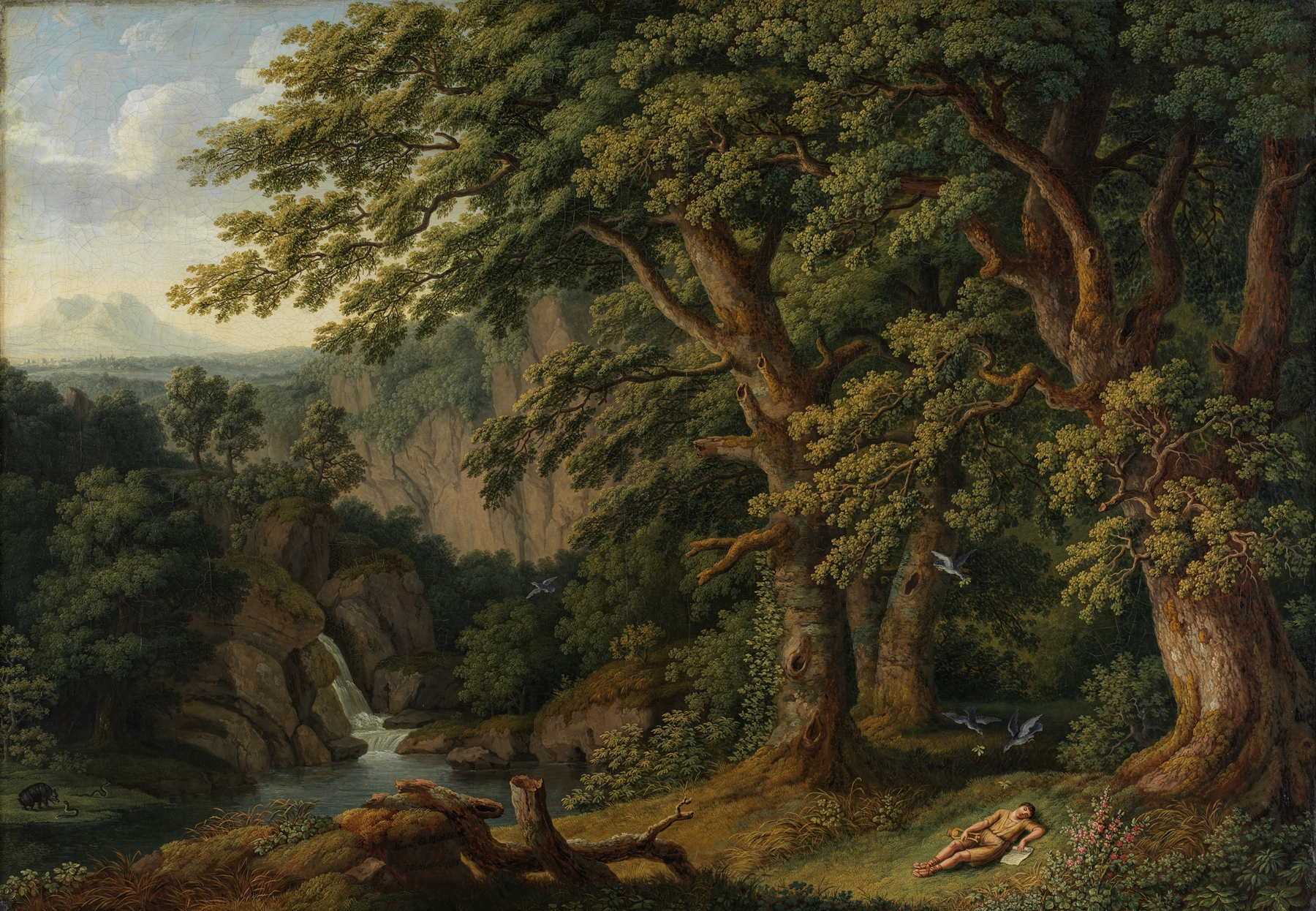
“Every silence here is a confession.” In the stillness of nature, each leaf and shadow whispers secrets long forgotten, conferring a sense of innocence that time itself can barely touch. Look to the horizon, where the gentle undulations of rolling hills cradle the sky, a soft blend of blues and greens that invites the eye to wander. Notice how the light caresses the landscape, illuminating the verdant trees that stand like sentinels, their intricate details rendered with delicate brushstrokes. The composition leads you along winding paths, drawing you deeper into this untouched paradise, where every element appears harmoniously balanced, evoking a serene simplicity.
Within this tranquil vista lie subtle contrasts: the sturdy trees that seem eternal against the ephemeral clouds drifting lazily above them. There’s a tension between the earth’s permanence and the fleeting nature of light, capturing life’s duality. The untouched beauty of the landscape serves as a reminder of innocence, reflecting a world unblemished by the chaos of humanity, a sanctuary that beckons introspection and peace.
In 1768, Hackert was immersed in the lush landscapes of Italy, where he found inspiration in the natural world. This period marked a shift toward Romanticism, emphasizing emotion and individualism, often in response to the Enlightenment's rationalism. The painting embodies his admiration for nature's beauty while reflecting broader changes in artistic expression, as artists began to explore the emotional depth found in serene, untouched landscapes.