Veduta d’Itri (Landscape with a View of Itri) — History & Analysis
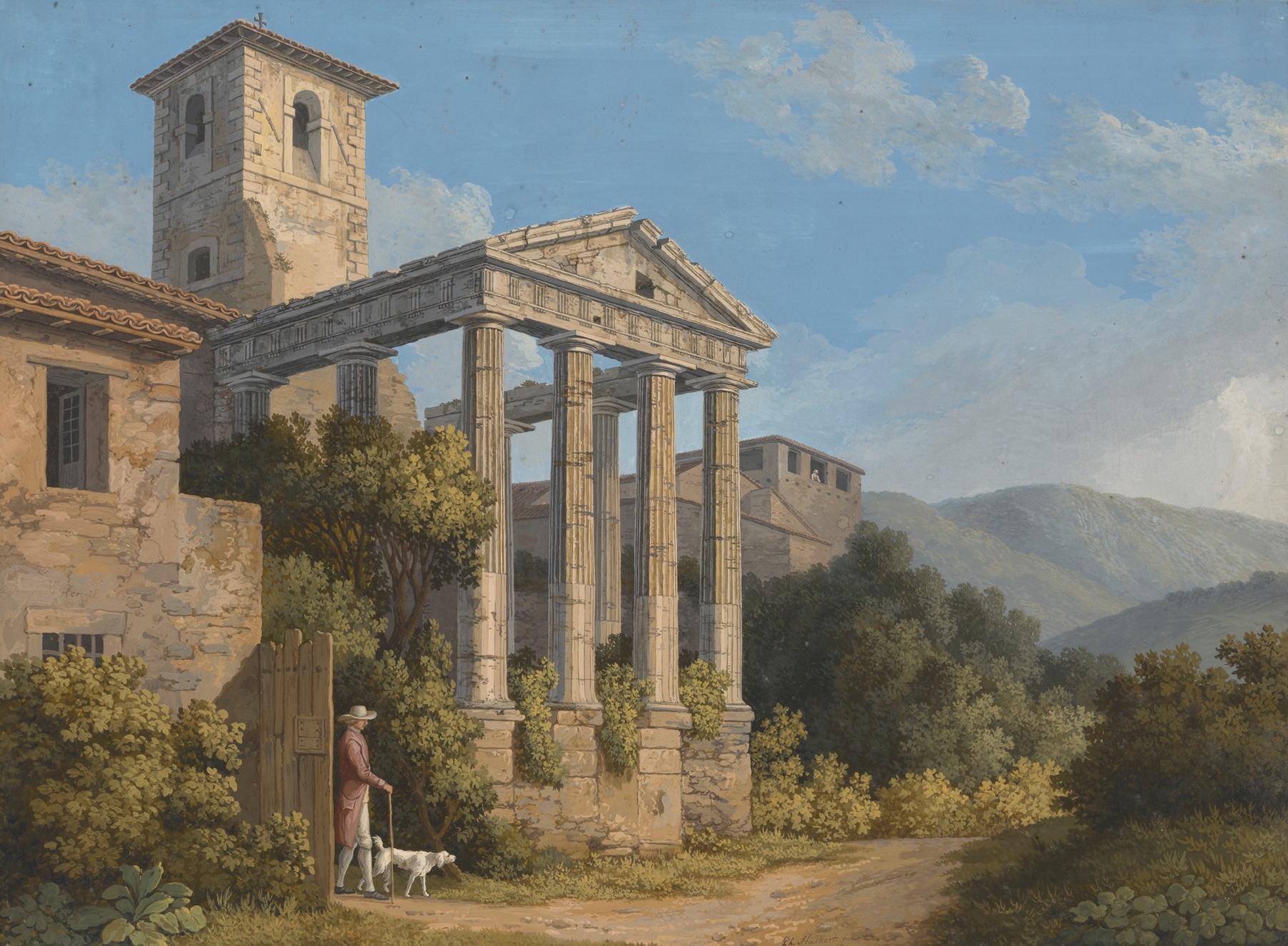
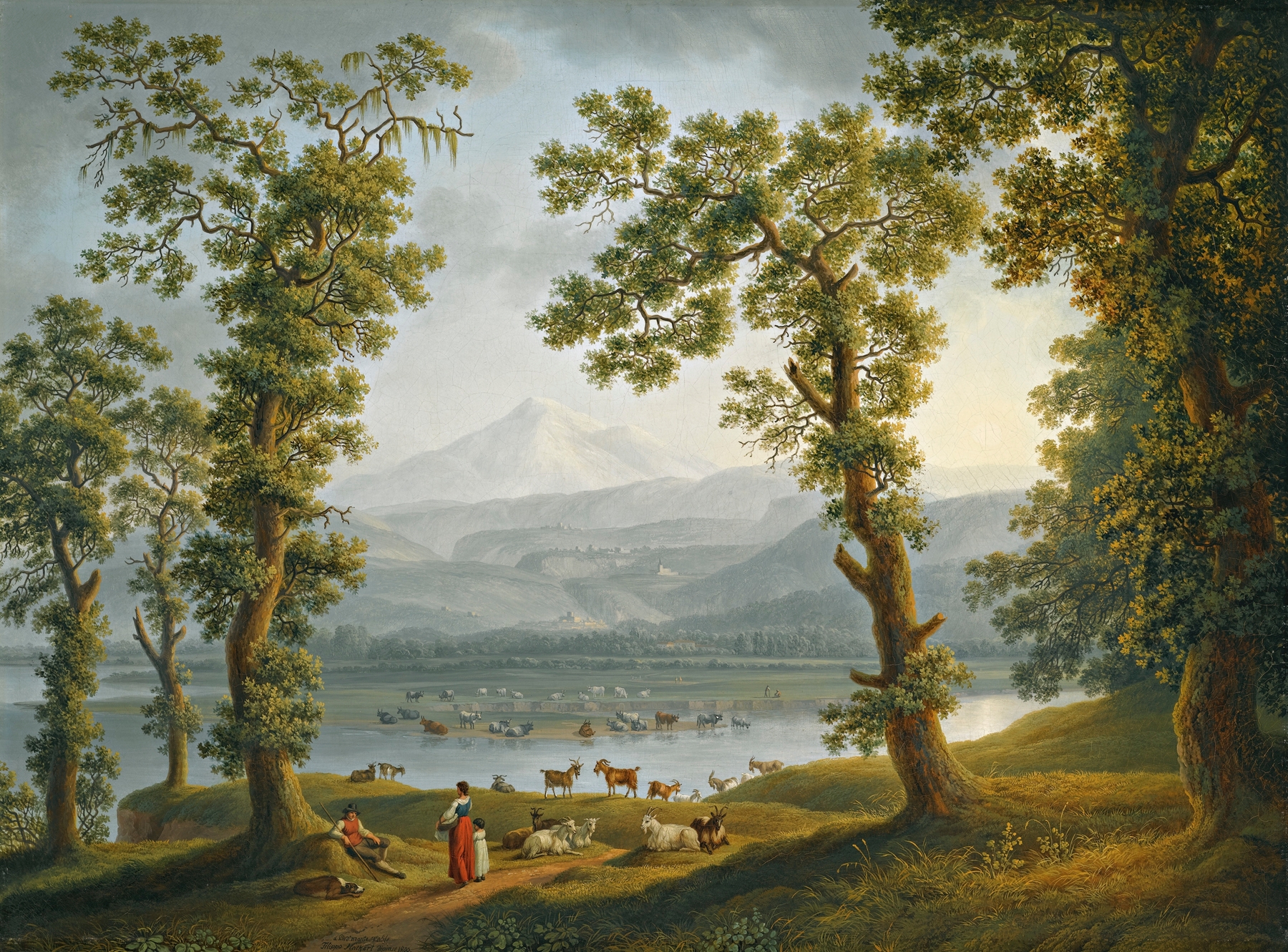
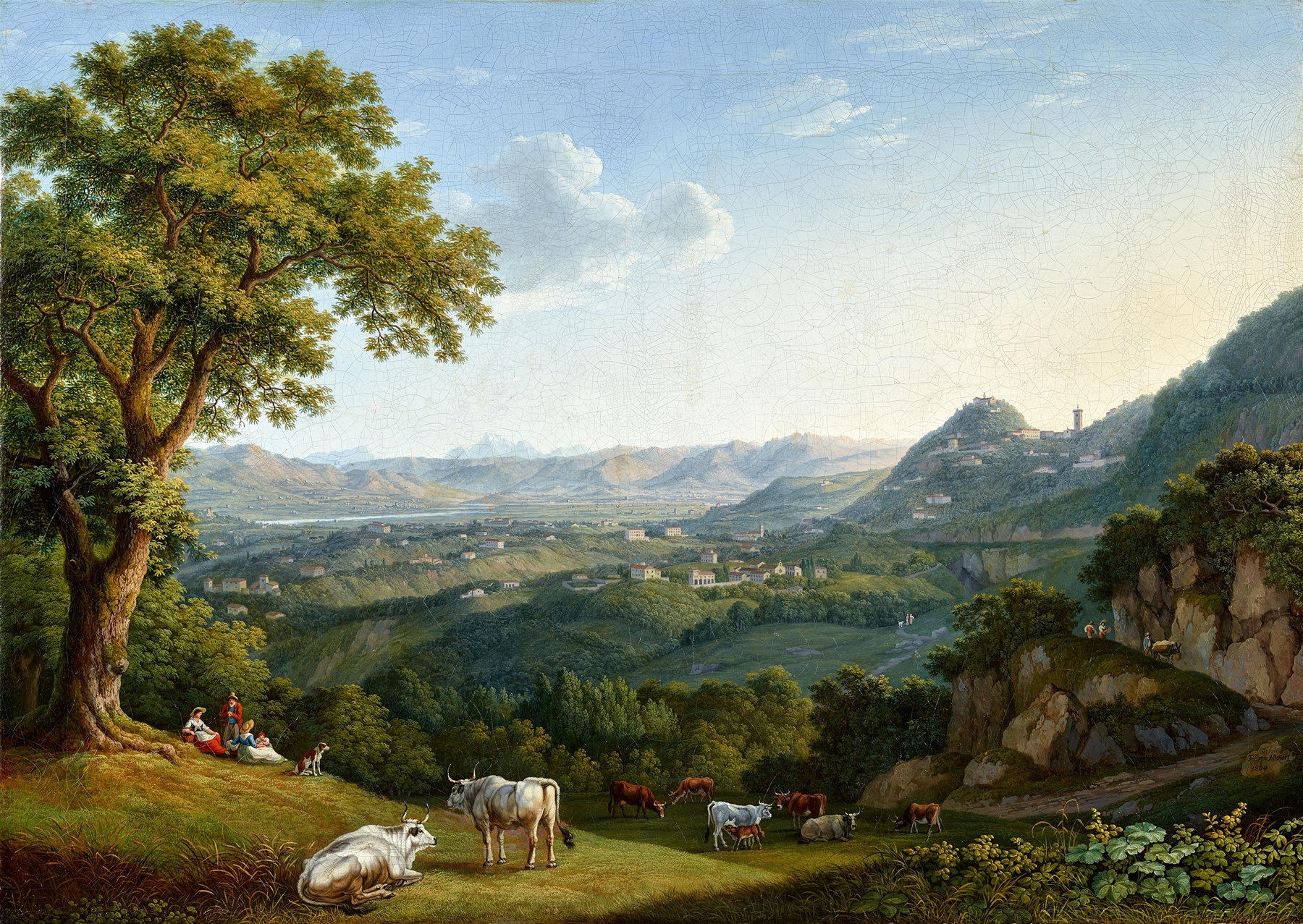
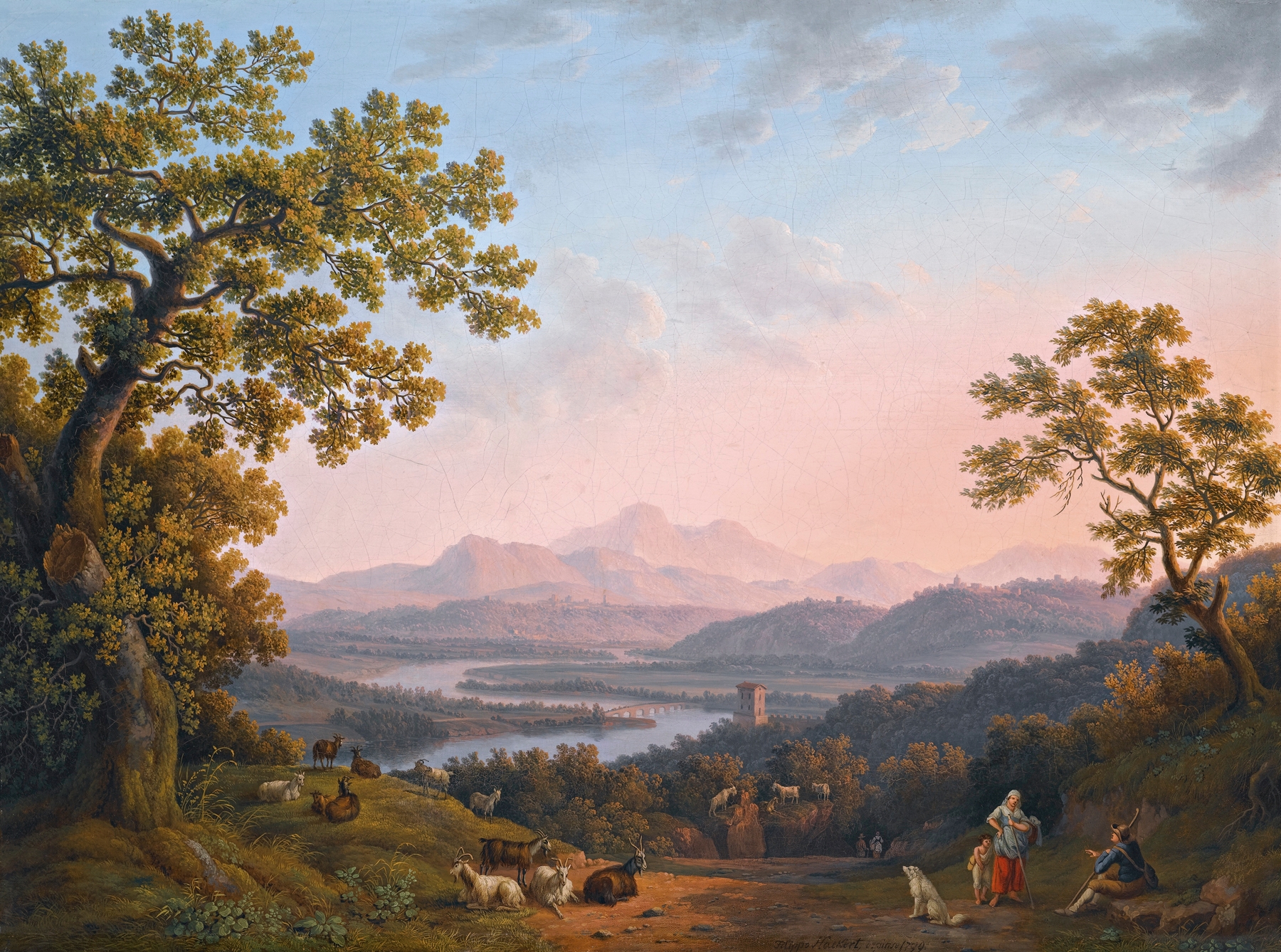
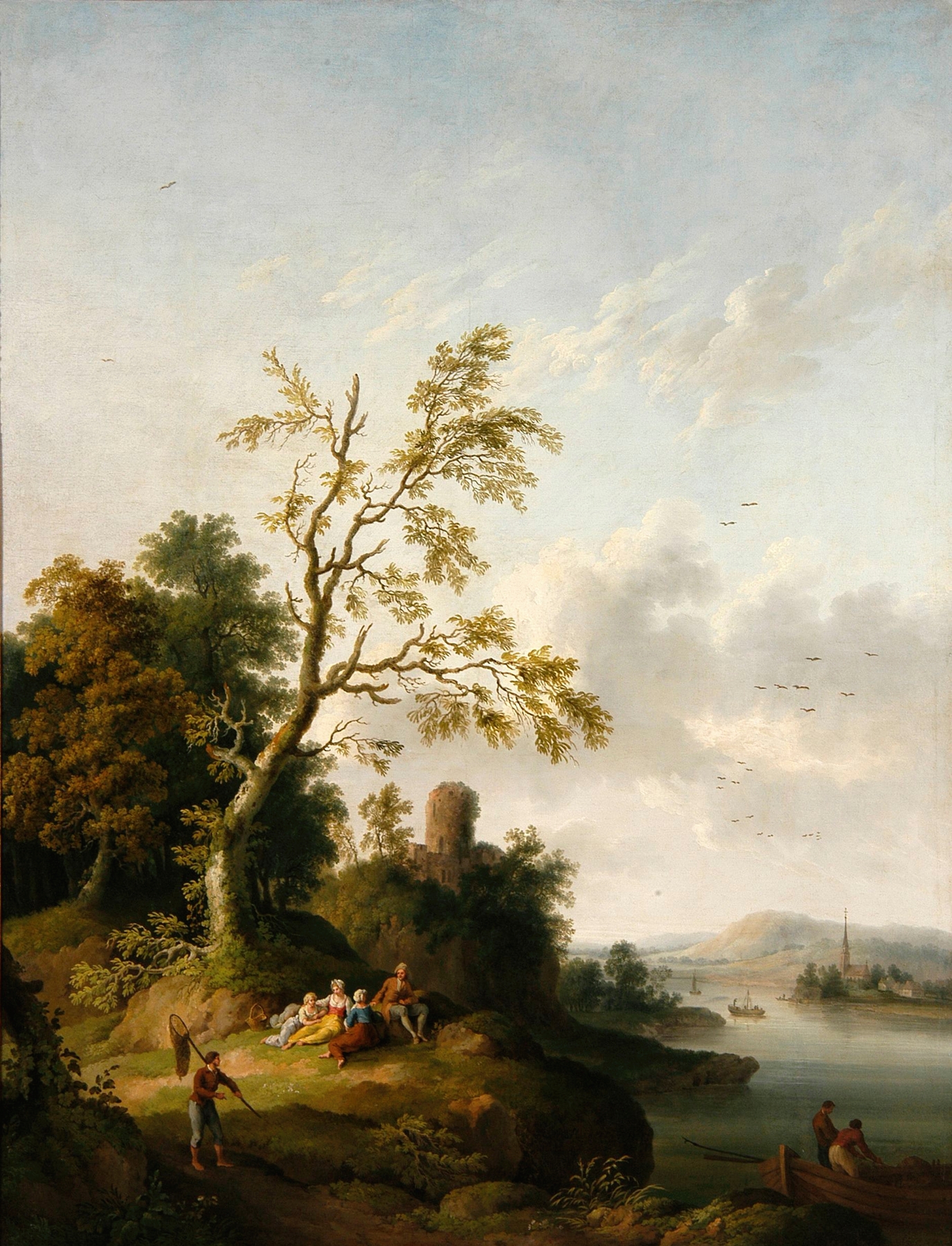
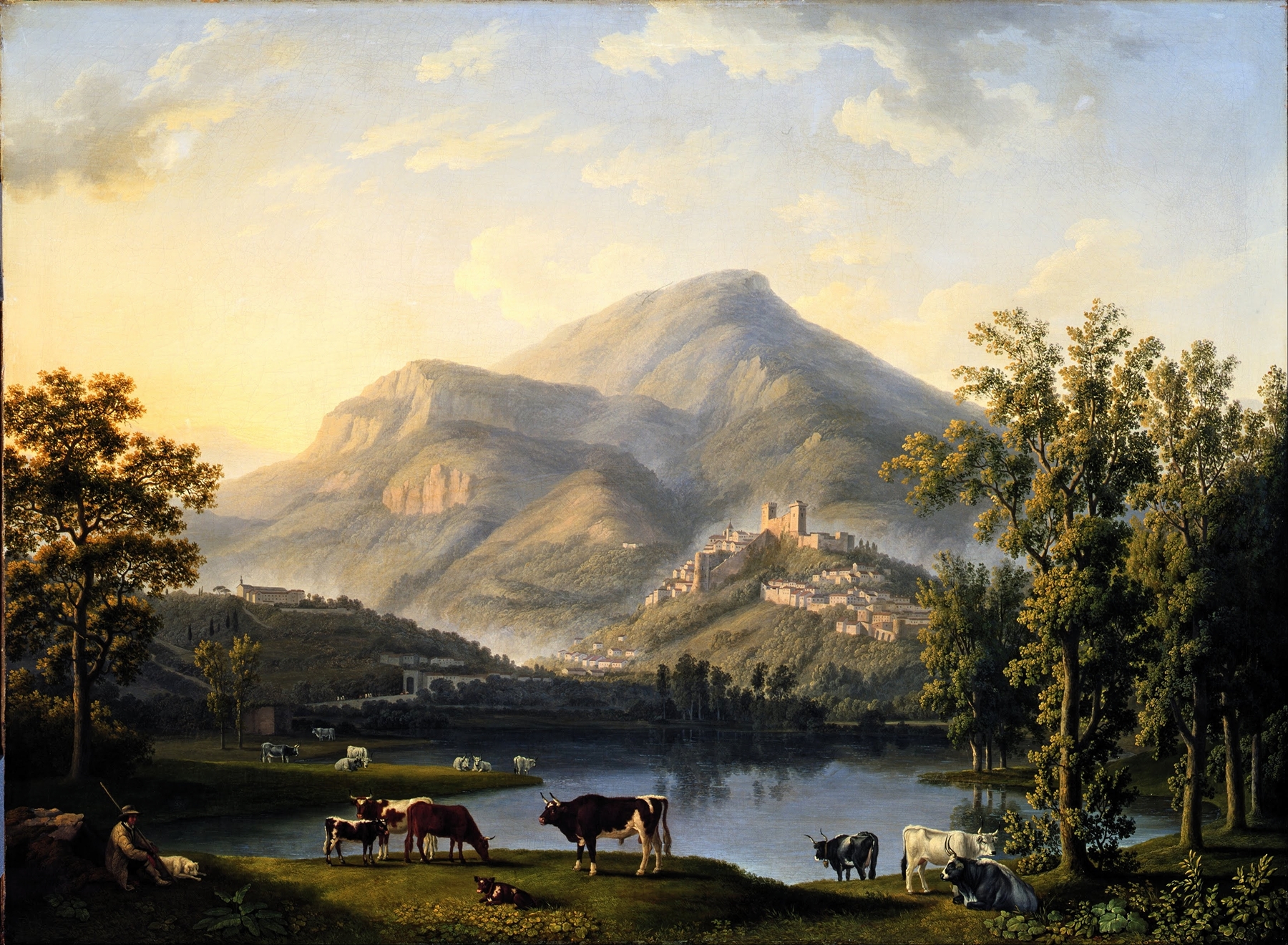
Who listens when art speaks of silence? In Veduta d’Itri, the echoes of solitude resonate through the hills and valleys, inviting introspection and quiet contemplation. Look to the left, where the gentle rise of the land meets a delicate blue sky, a horizon stretching into a serene distance. The interplay of light and shadow reveals Hackert’s masterful brushwork, each stroke defined yet tender, capturing the essence of nature’s tranquility. Notice how soft greens meld into warm earth tones, creating a harmonious palette that embodies both peace and isolation.
The winding path through the landscape beckons the viewer, suggesting not just a physical journey but an emotional passage into introspection. In this landscape, a subtle tension exists between the grandeur of nature and the human experience of loneliness. The solitary figure, almost engulfed by the expansive view, reflects the duality of connection and distance. This work subtly conveys how vastness can amplify isolation, as empty spaces echo the silence of unspoken thoughts. The distant ruins, remnants of a bygone era, whisper stories of the past, inviting contemplation of what was lost amidst the beauty of the present.
Jacob Philipp Hackert created Veduta d’Itri in 1788, a period marked by the artist's flourishing career in Italy. Residing in Rome, he was deeply influenced by the Romantic movement's emphasis on the sublime in nature. Amidst this artistic milieu, Hackert sought to capture the emotional weight of landscapes, reflecting the changing tides of society and the individual’s place within it. His work resonates with themes of solitude, mirroring a collective yearning for peace and reflection in an increasingly complex world.