A View Across The Volturno River Towards Alife, Piedimonte Matese, And The Matese Mountains Rising Beyond — History & Analysis
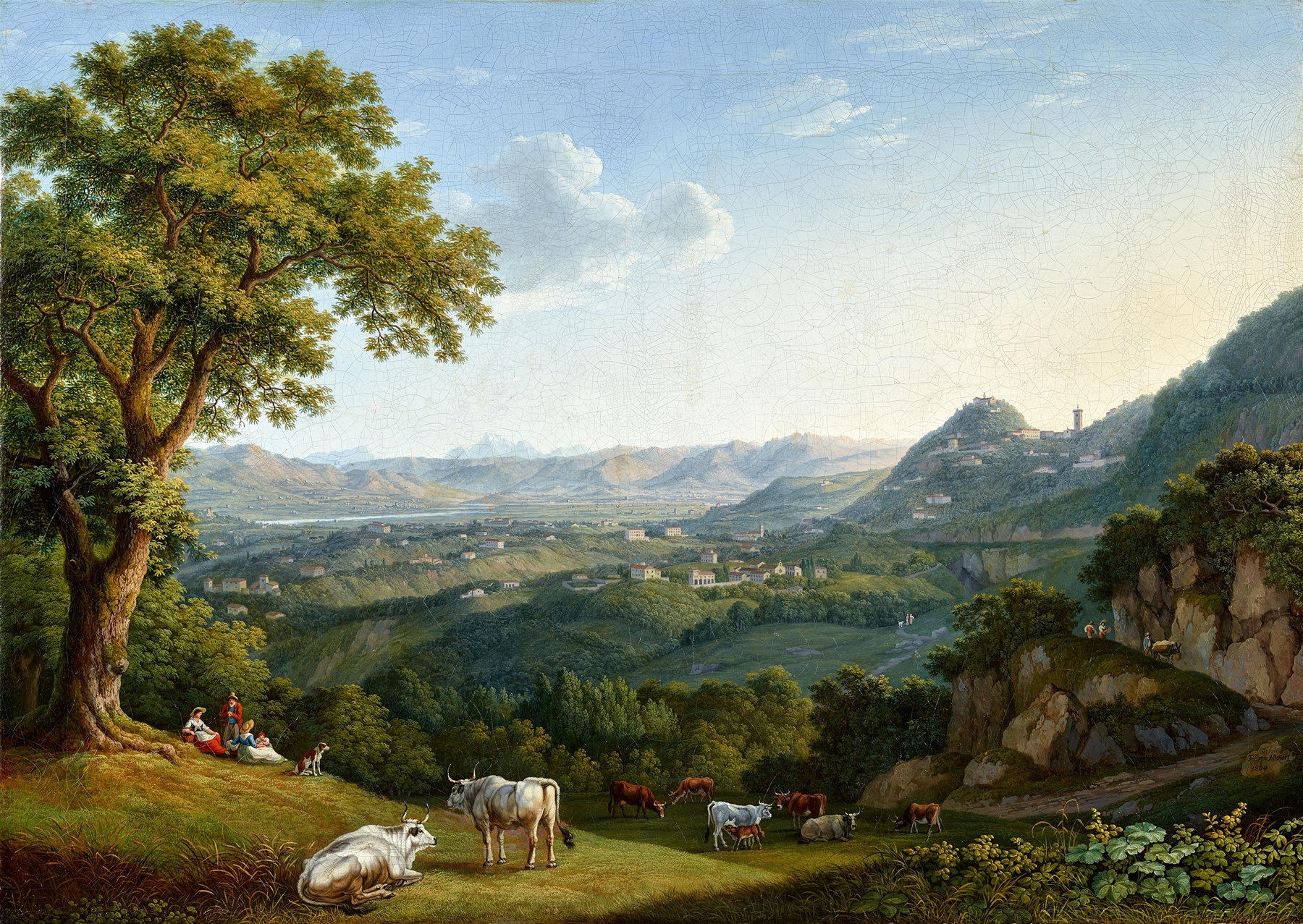
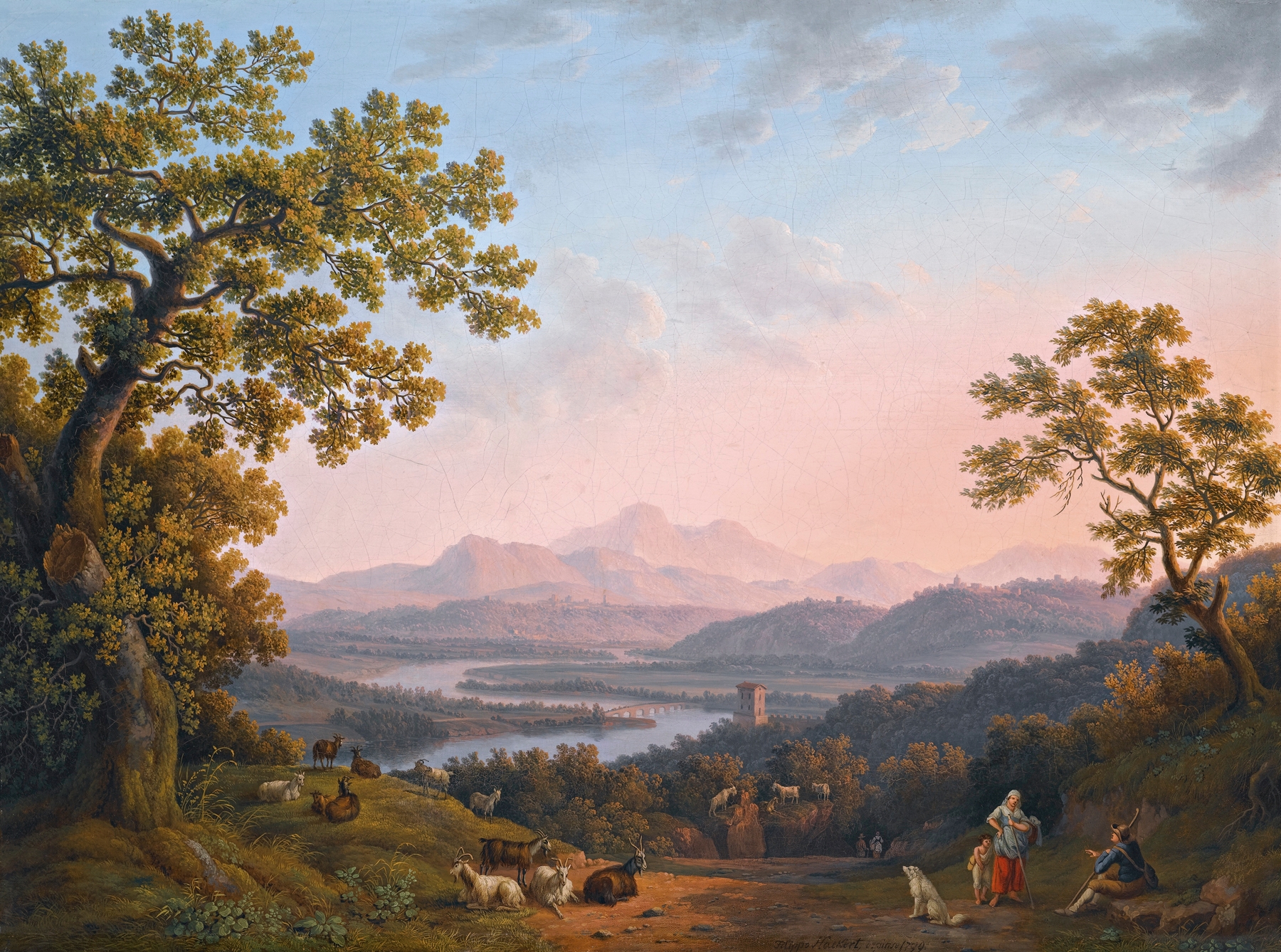
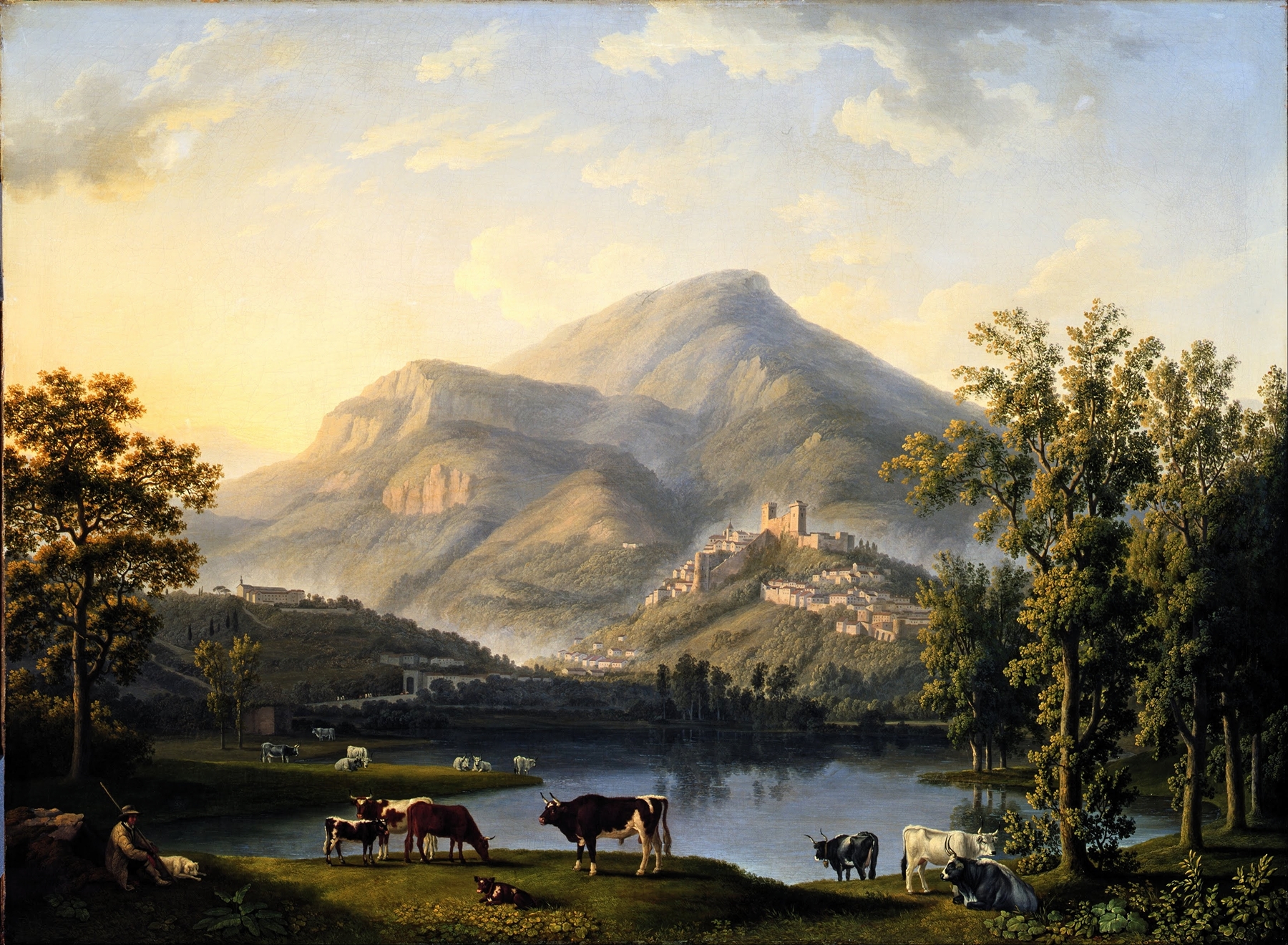
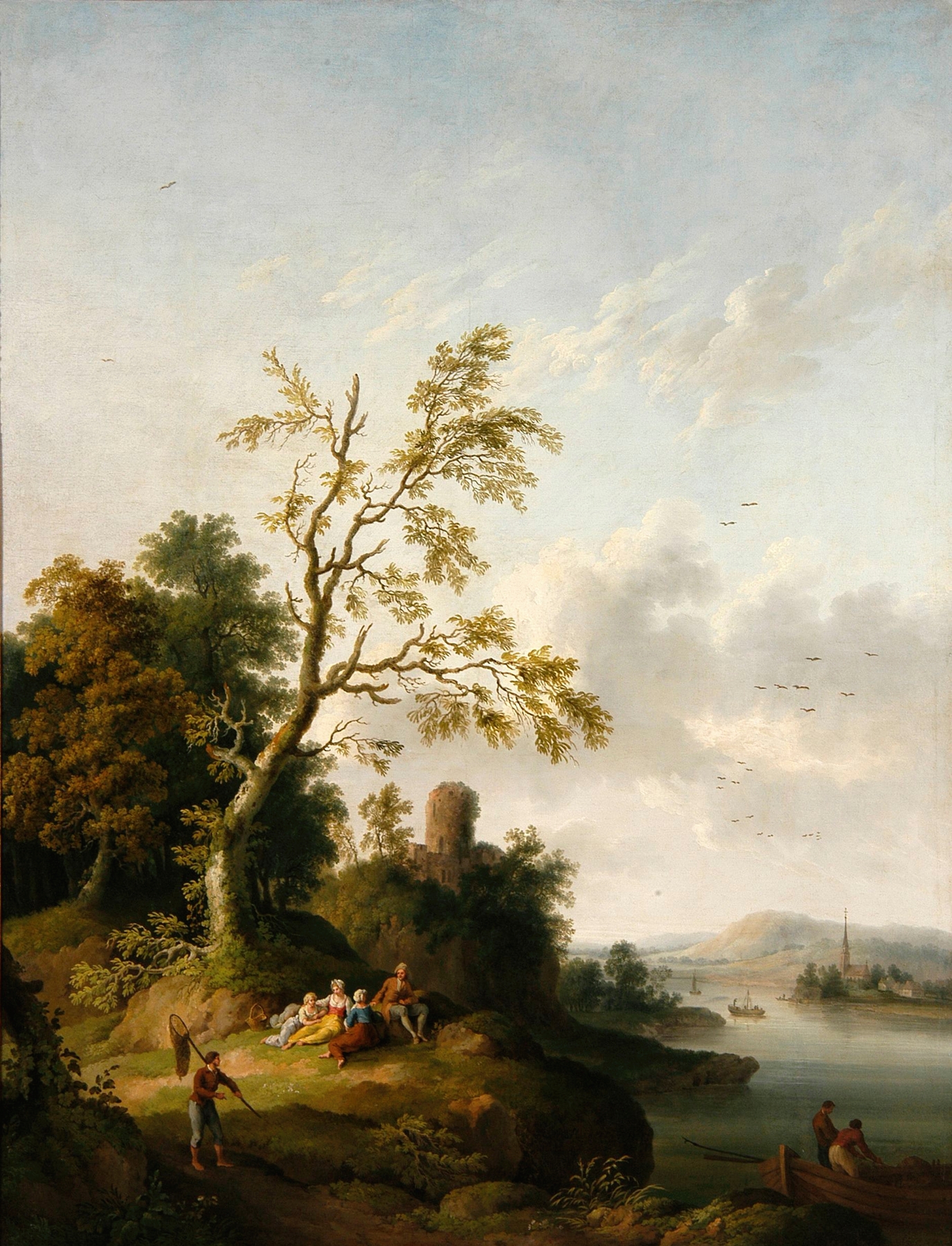
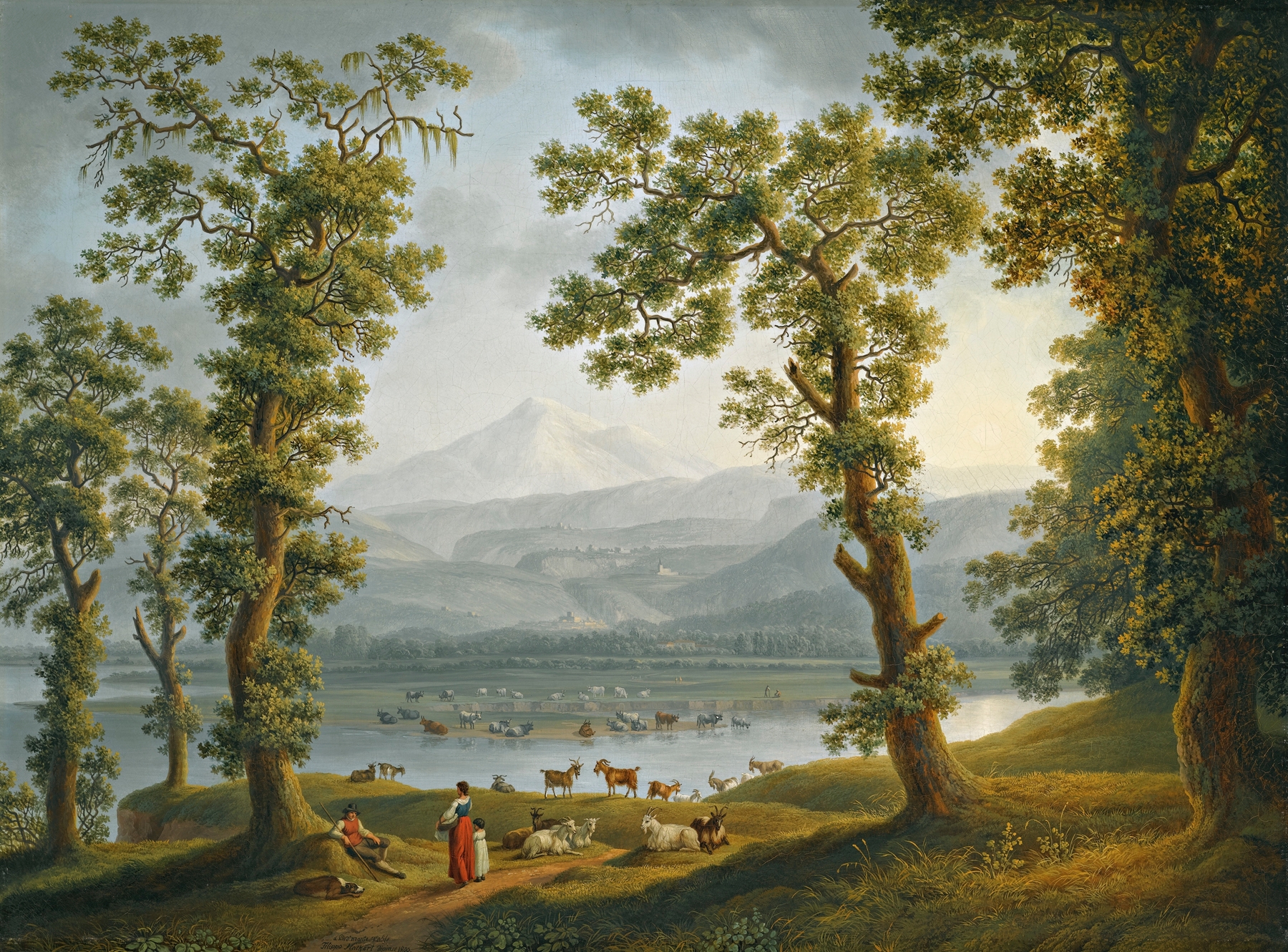
Can paint confess what words never could? In the gentle undulation of color and form, A View Across The Volturno River Towards Alife, Piedimonte Matese, And The Matese Mountains Rising Beyond embodies the quiet whispers of memory and the landscape's soul. Look to the left at the serene Volturno River, its reflective surface shimmering under a soft, golden light. The brushwork captures the flowing water with delicate strokes, inviting your gaze to drift along its banks.
As you move your eyes to the background, notice how the Matese Mountains rise majestically; their muted blues and greys contrast with the verdant greens of the trees, framing the scene with a sense of grandeur. The painter’s choice of palette not only harmonizes nature's hues but also evokes a deep sense of nostalgia, as if the landscape carries stories from days long past. Hidden within the tranquil beauty are nuances of juxtaposition—between the serenity of the river and the formidable mountains, between the calmness of the foreground and the hints of life in the distant village. The sparse clouds gently punctuate the sky, suggesting both promise and longing, while the distant towns hint at the presence of human life, contrasting with the overwhelming natural beauty.
Together, these elements evoke an emotional tension that speaks to the viewer's own memories and feelings. Created during a time when the Neoclassical movement was flourishing, the artist found himself in Italy, exploring the rich landscapes that would inspire his work. Although the precise date of this piece is unknown, Hackert was known to have painted it during the late 18th to early 19th centuries, a period marked by an increasing appreciation for the picturesque and the sublime in nature. His work captures not just a scene, but an entire atmosphere, reflecting the romantic sentiment of his era.