The Transept Of Århus Cathedral — History & Analysis
Did the painter know this moment would outlive them? The decay of history captured in a single frame, a testament to both the passage of time and the beauty that lingers in its wake. Look to the center of the canvas, where the grand arches of Århus Cathedral rise majestically, their stone façades echoing the whispers of centuries. Notice how the light spills through the stained glass, casting vibrant hues that dance on the cold stone floor, illuminating details that might otherwise slip into shadow.
The palette is rich yet subdued, with earth tones coexisting with the ethereal blues and reds, creating a harmonious balance that invites contemplation. Deeper meanings emerge in the interplay of shadow and light—the juxtaposition of the enduring structure against the inevitable decay of time. Small details, like the creeping ivy or the worn steps, speak of a history that is both cherished and neglected. There’s a tension between reverence and abandonment, as if the cathedral, while still standing, quietly mourns the passing of its own significance, inviting viewers to reflect on their own mortality and the fleeting nature of existence.
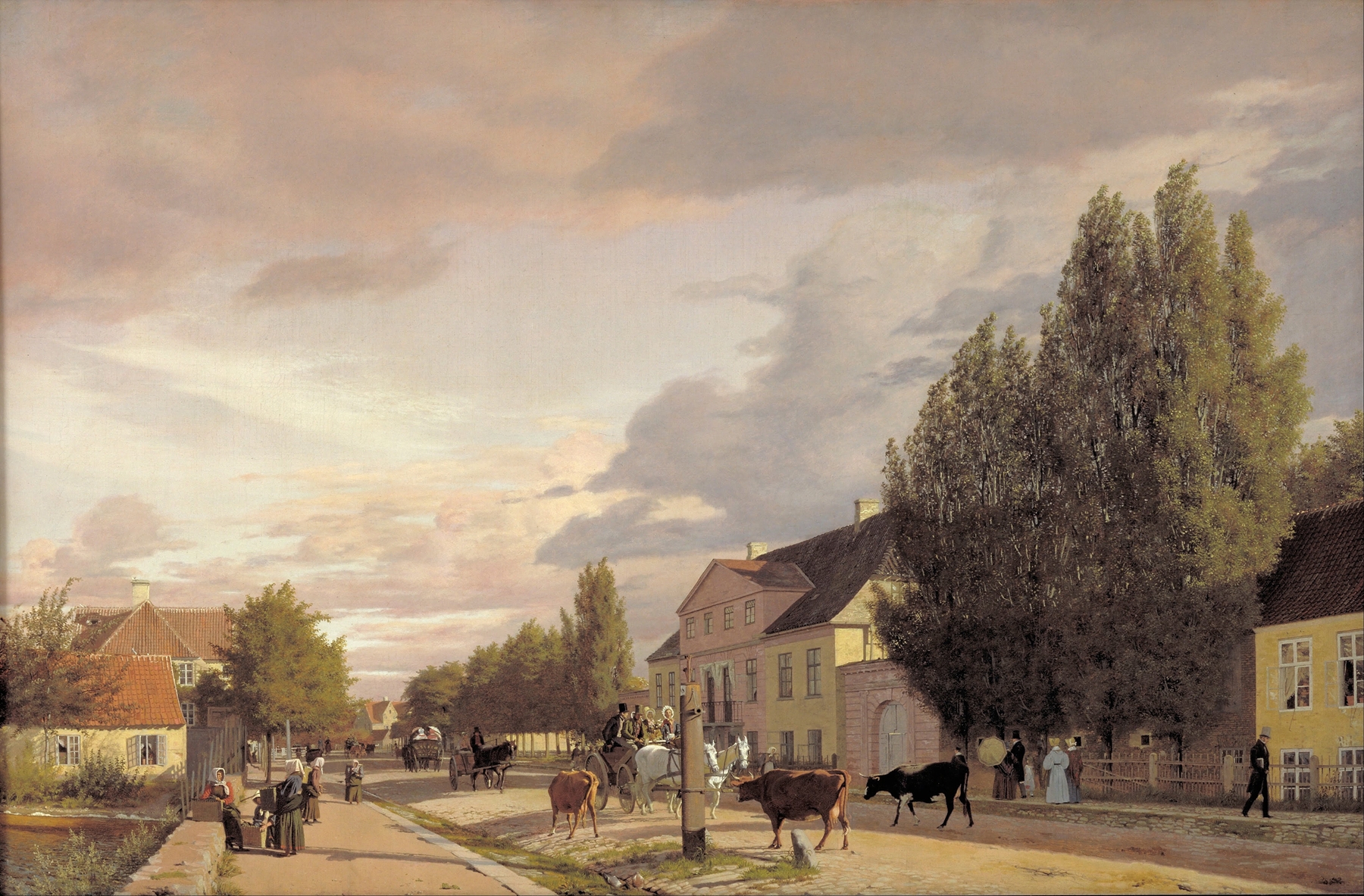
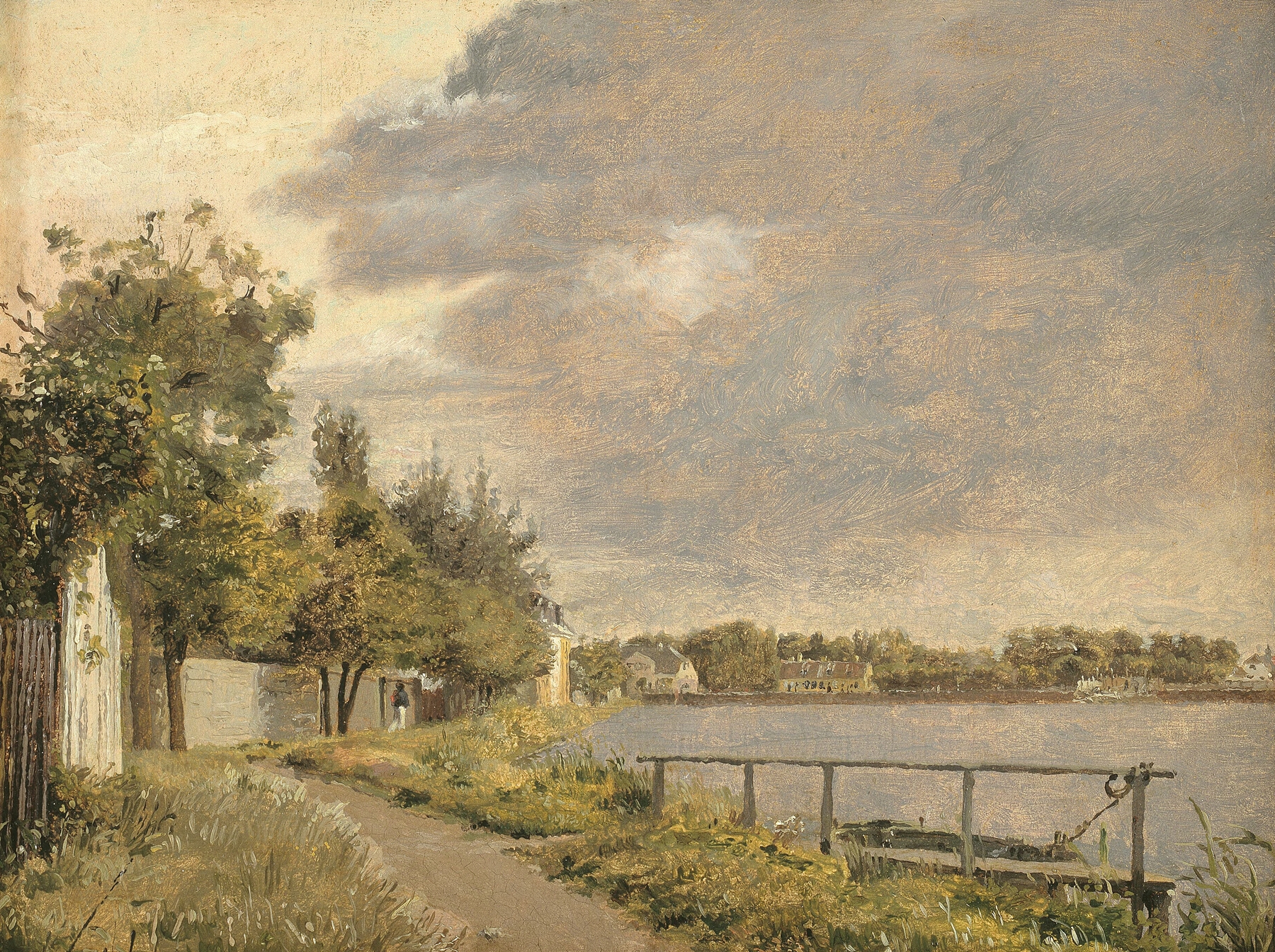
In 1830, Christen Købke created this work amidst a burgeoning interest in the Romantic movement and a growing appreciation for capturing the sublime beauty of everyday experiences. Living in Denmark, he was influenced by the evolving landscape of art, moving toward realistic depictions that embraced both detail and emotion. As he painted, the world around him was increasingly shifting—this cathedral, once a focal point of life, now transformed into a quiet monument, embodying the layers of time and the stories etched within its walls.