The Transept, Westminster — History & Analysis
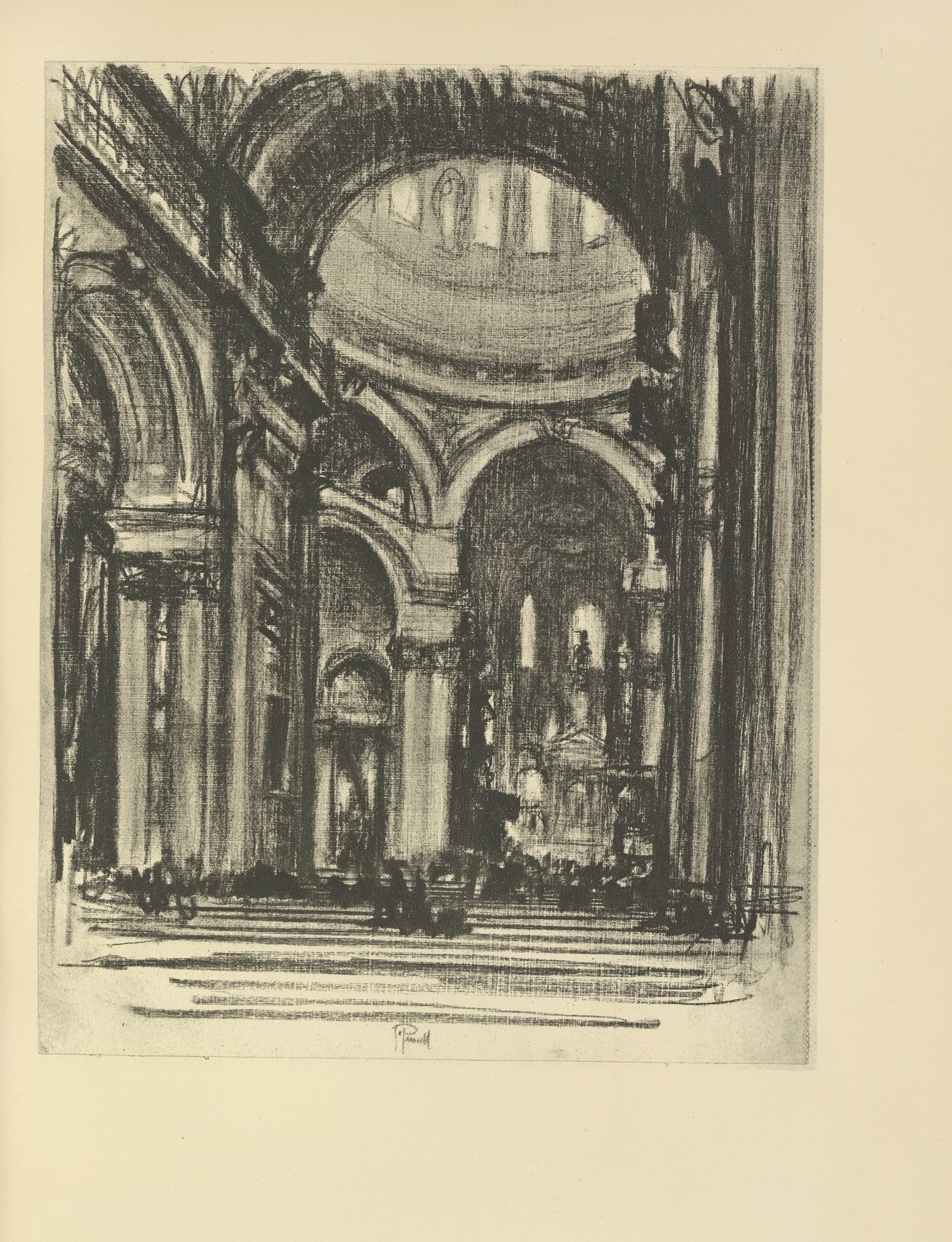
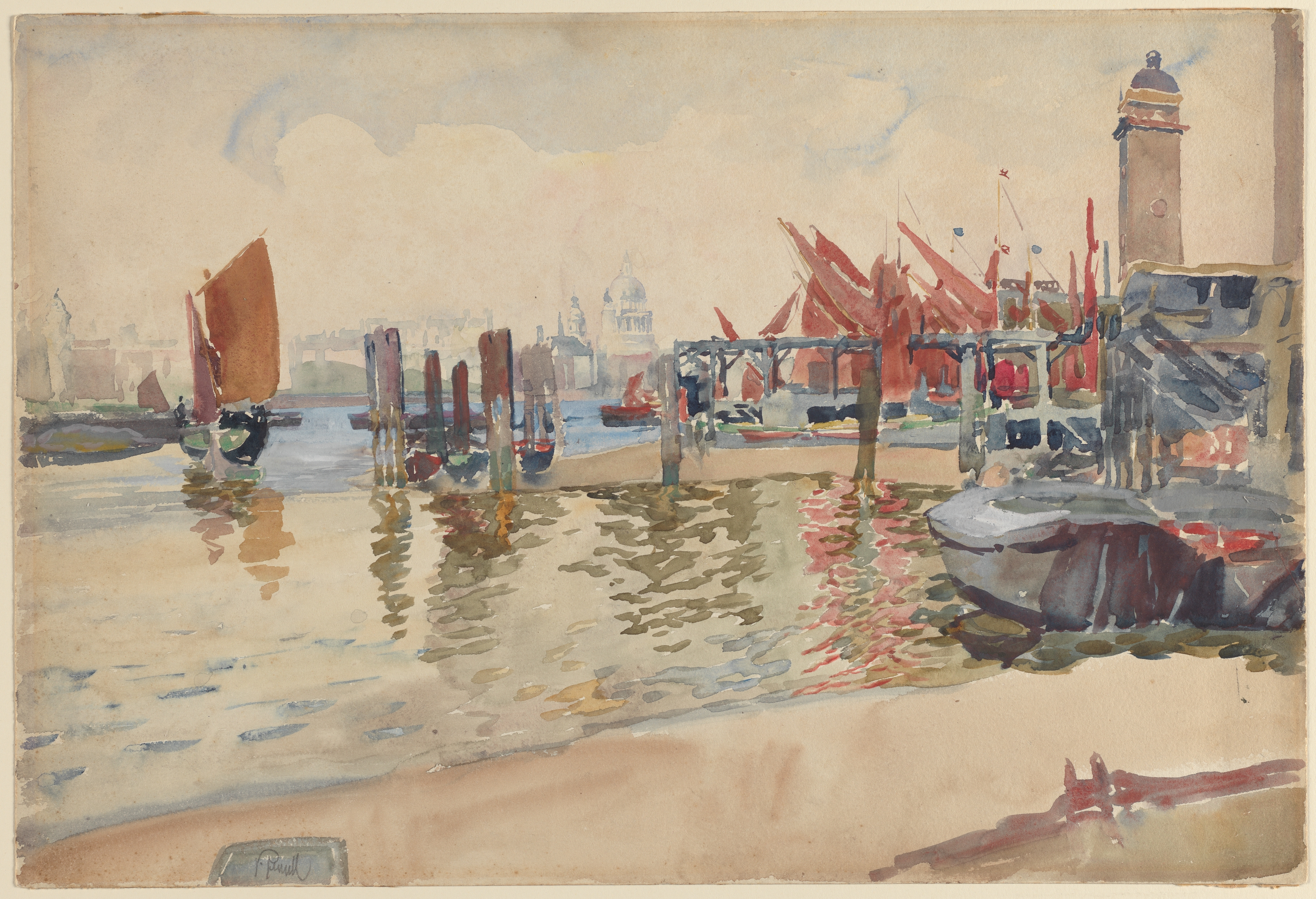
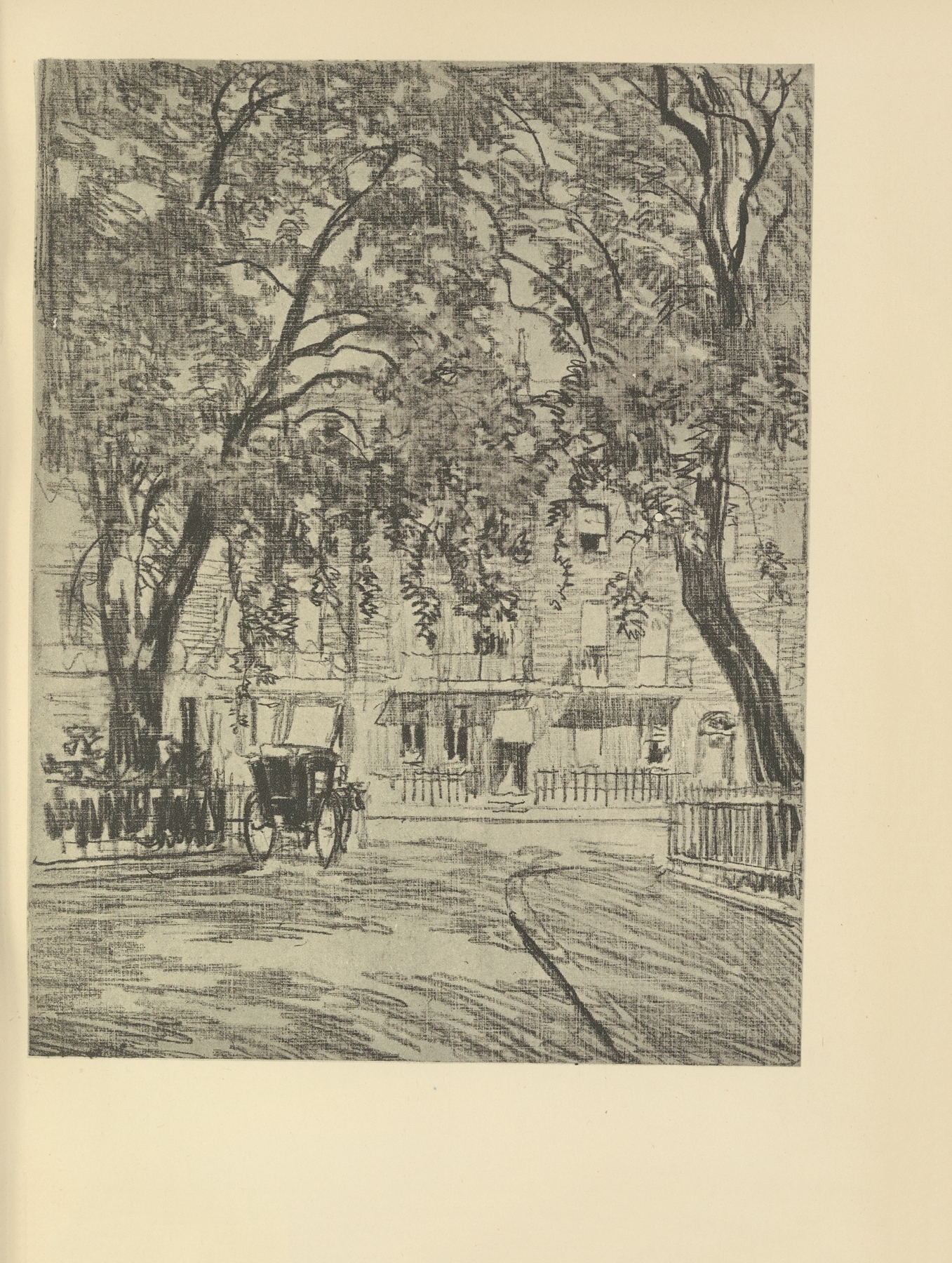
What if beauty was never meant to be finished? The allure of impermanence dances in the shadows of decay, whispering secrets through the arching lines of ancient structures. Look to the foreground, where intricate stonework emerges from a haze of soft colors. The light filters through the vast, gothic windows, casting a mosaic of muted tones across the worn stone, inviting your gaze to wander. Notice how the delicate interplay of shadow and illumination highlights the texture of the walls, while the looming arches draw your eyes upwards, creating a sense of reverence for this sacred space.
The composition is both grand and intimate, reflecting the dual nature of a place steeped in history yet continually evolving. Within this scene lies a profound tension between permanence and decay. The weathered surfaces testify to the passage of time, embodying the idea that beauty often flourishes in its own disintegration. The subtle brushstrokes suggest an artist's admiration for the aged stone, celebrating its character while hinting at the inevitable decline that awaits all creations, a poignant reminder of our own mortality.
Each crack and crevice tells a story that resonates with the viewer, bridging the gap between the past and present. In 1928, Pennell worked in London, capturing the essence of architectural grandeur from a period when modernity and tradition collided. At this time, he was deeply involved in printmaking, and the painting reflects his exploration of light and shadow as he sought to immortalize the timeless beauty of Westminster Abbey amidst the rapid changes of the contemporary world. This piece encapsulates his artistic evolution, where he skillfully blended the old with the new, creating a conversation steeped in history and the fleeting nature of existence.