The Vale of Ambleside, Wansfell — History & Analysis
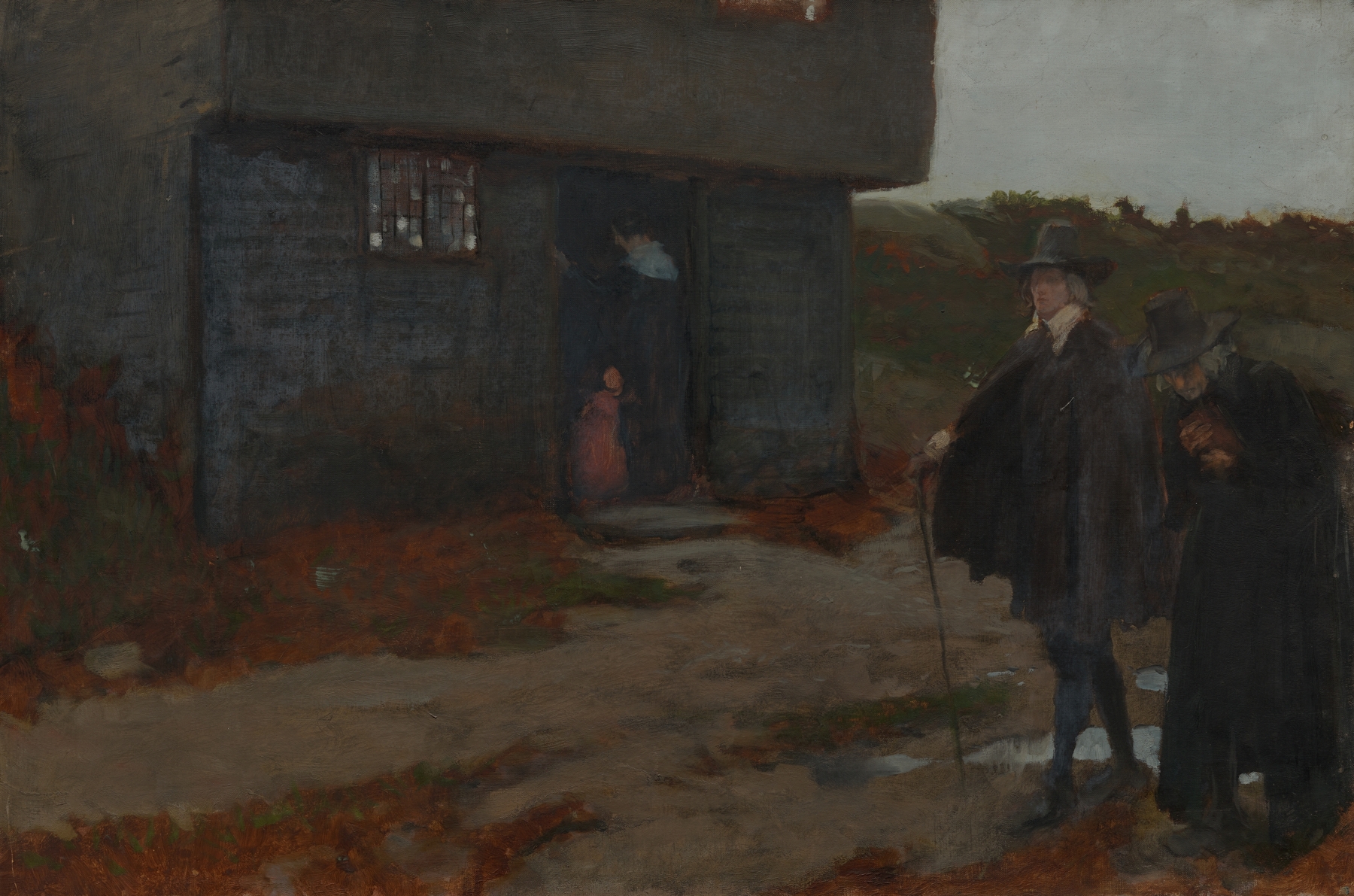
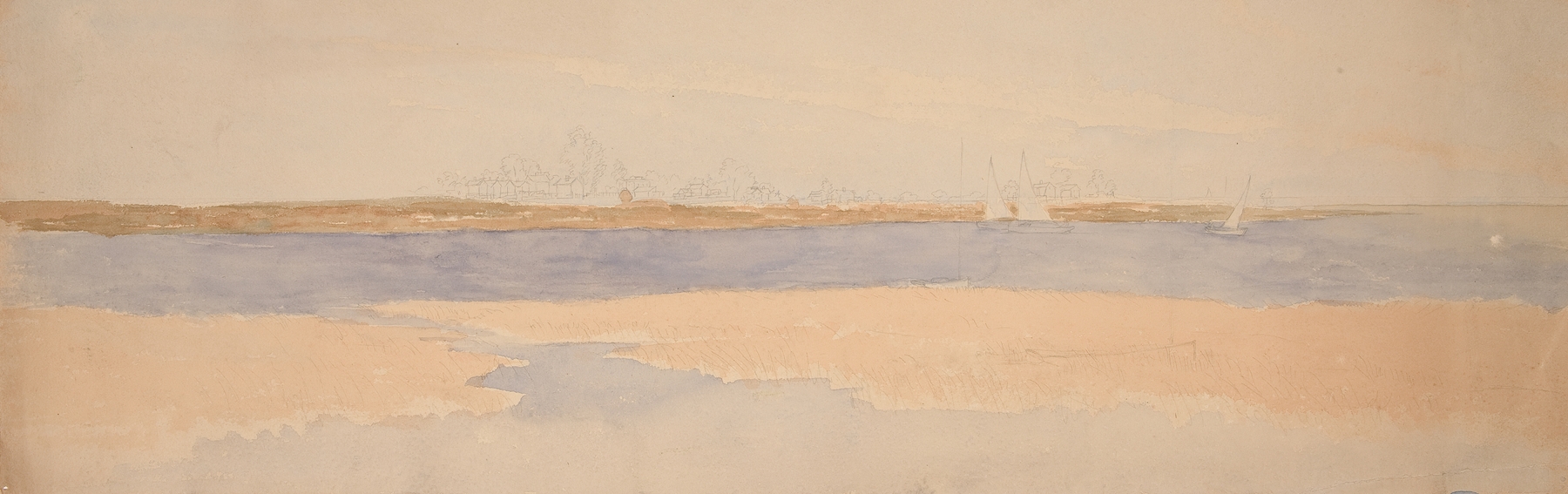
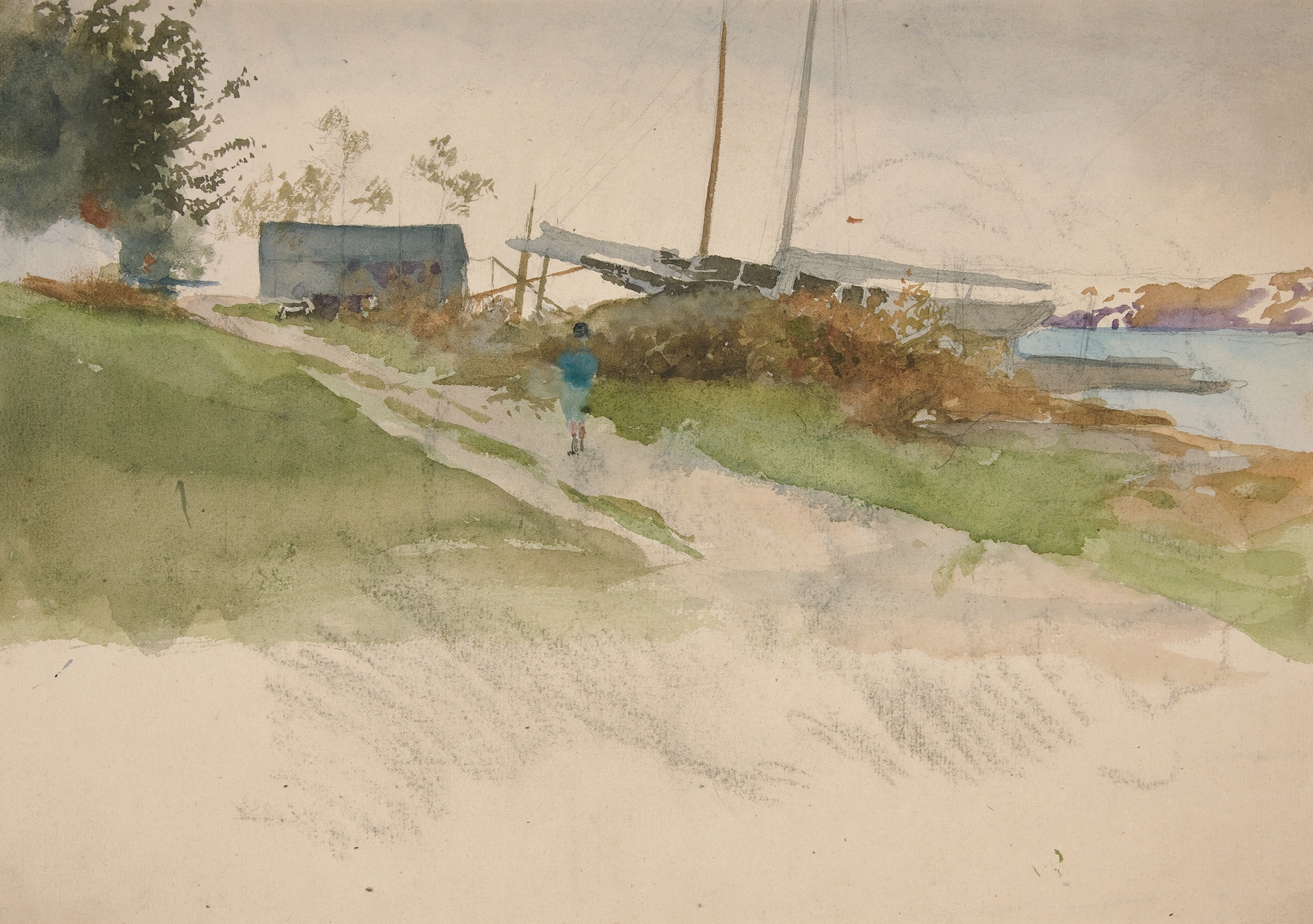
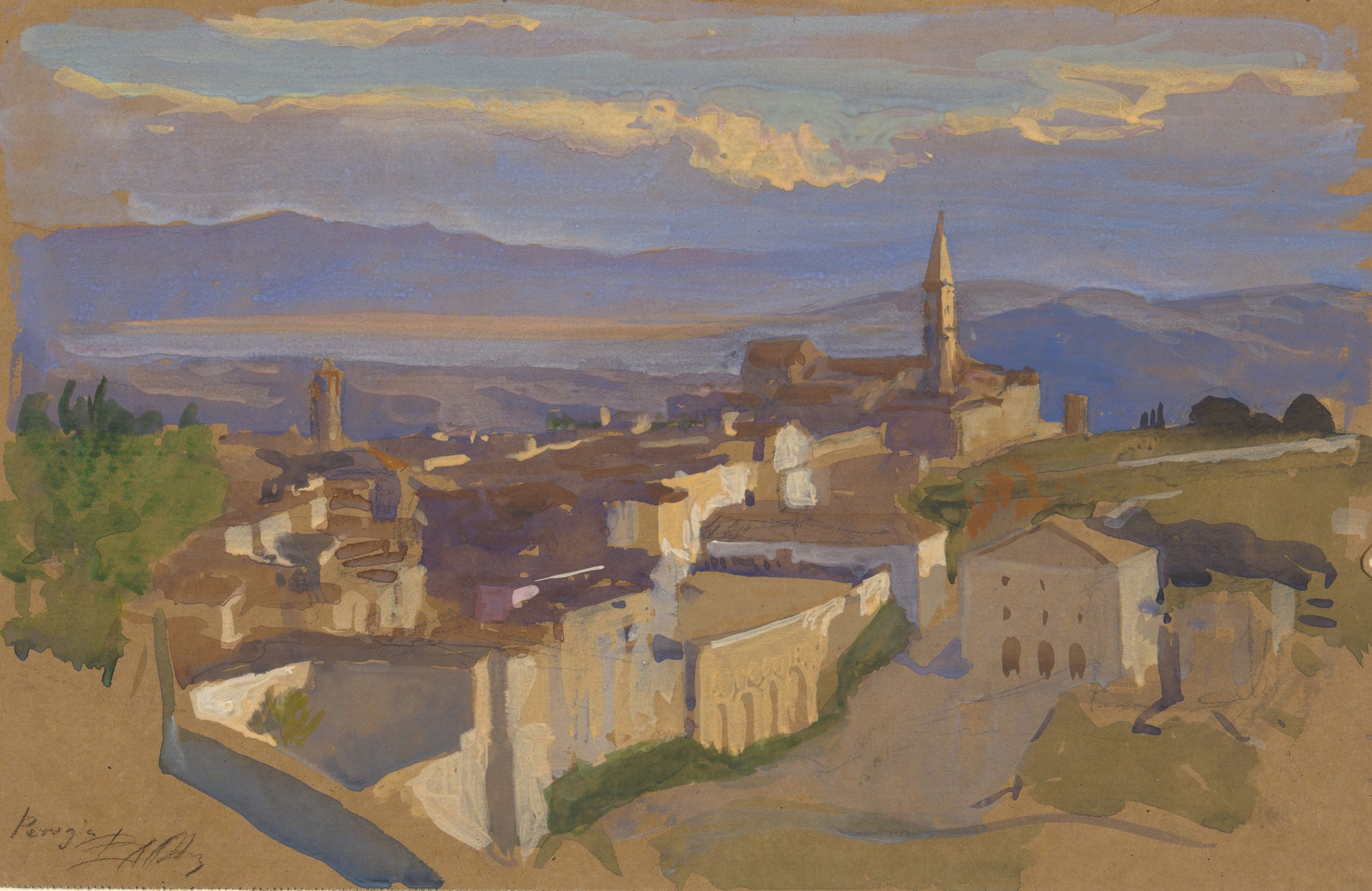
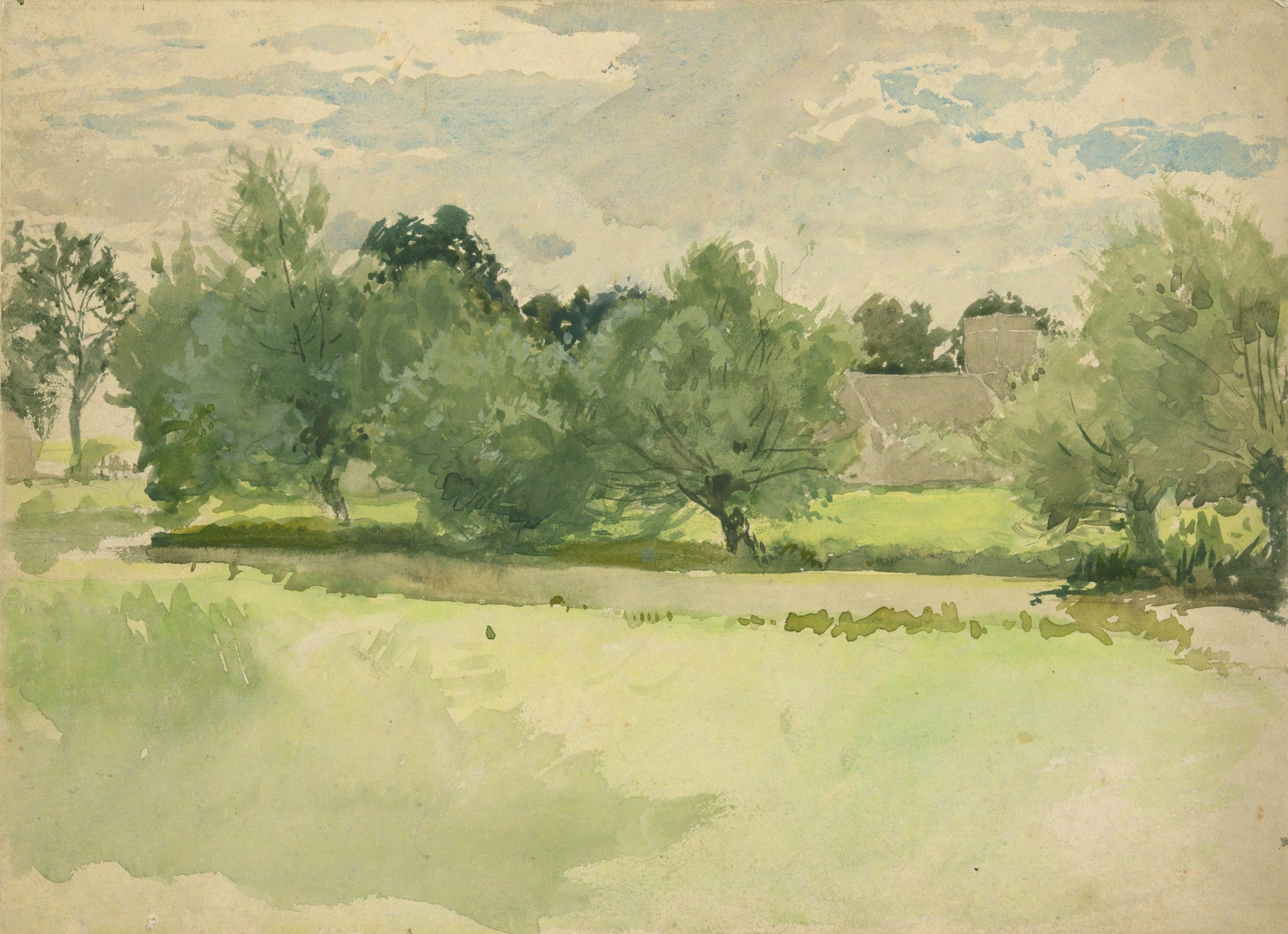
“Sometimes beauty is just pain, disguised in gold.” The heart of art often lies in translating raw truth into visual splendor, creating a dialogue between what is seen and what is felt. Look to the center of the canvas where the gentle arms of the hills embrace the vale, their lush greens contrasting with the golden light that spills across the landscape. Notice how the interplay of shadow and illumination shapes the contours of the land, inviting the viewer to explore its depths. The meticulous brushstrokes reveal Abbey's devotion to detail, crafting an immersive vista that feels both inviting and introspective.
As you take in the scene, subtle tensions emerge. The tranquil water reflects a world brimming with life, yet the looming hills remind one of nature's isolation. Here, beauty is a paradox; the idyllic landscape carries an air of solitude, suggesting both the comfort and the melancholy of seclusion. Abbey captures the essence of the vale not merely as a picturesque setting but as a mirror of human emotion, blending joy with an undercurrent of longing.
Edwin Austin Abbey created this work during an era marked by rapid changes in the art world, as the late 19th century saw a burgeoning interest in American landscapes. Living in England at the time, Abbey was influenced by both European Romanticism and a deep appreciation for the natural world that surrounded him. His ability to convey emotional resonance through such serene depictions would solidify his legacy as a master of atmospheric landscapes.