The Watermill with the Great Red Roof — History & Analysis
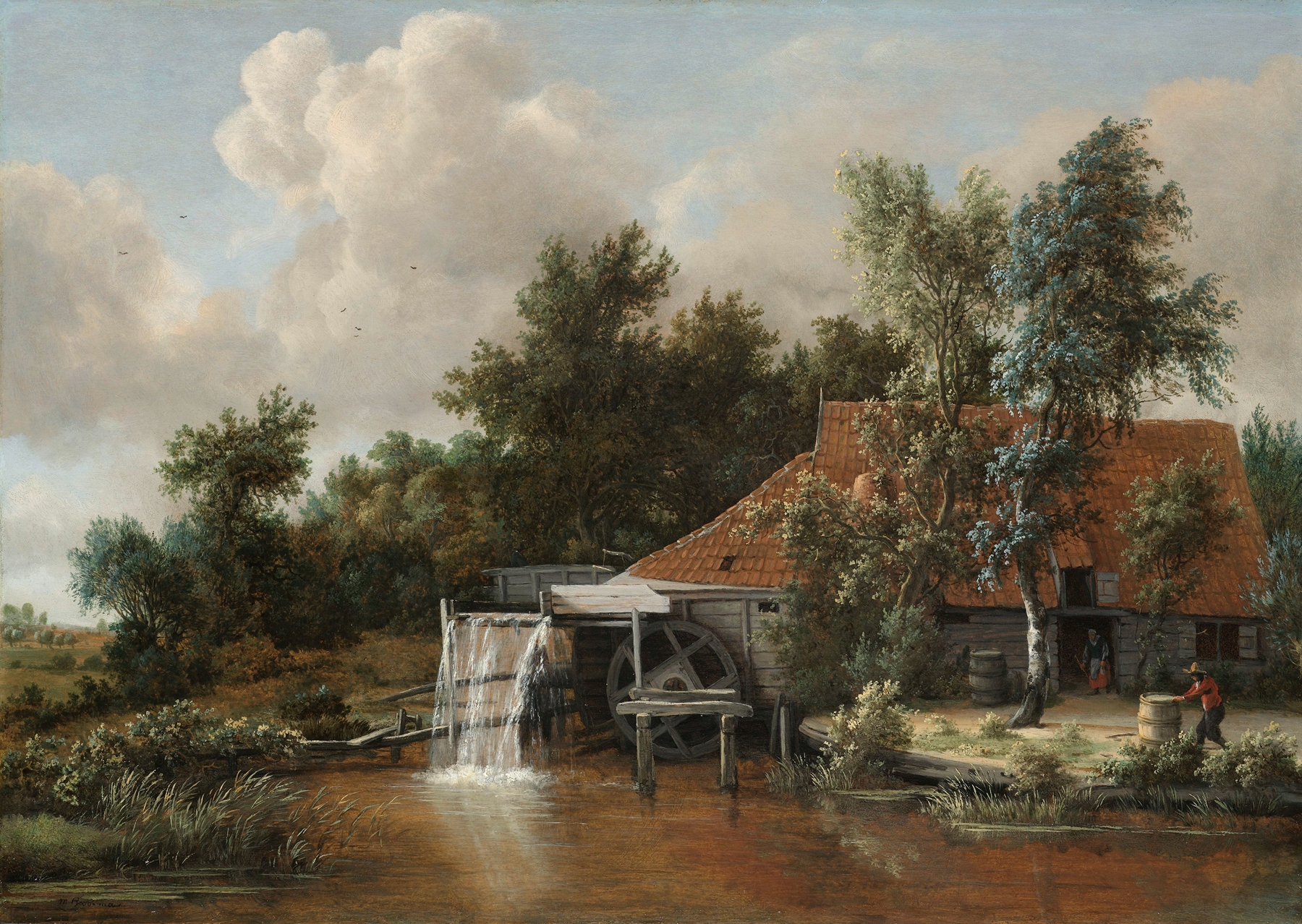
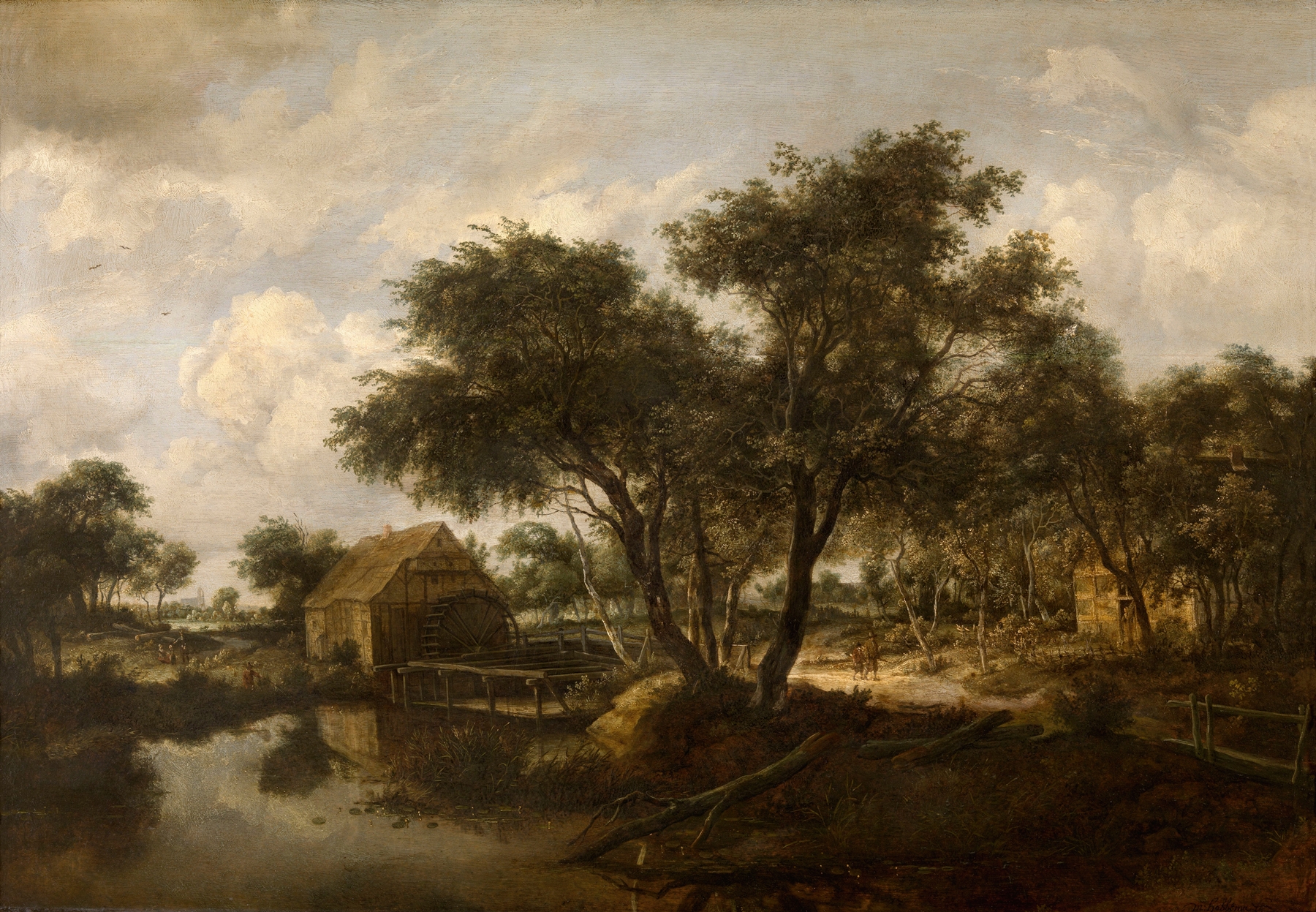
When did color learn to lie? This question resonates deeply in the realm of landscape painting, where hues can evoke emotion and forge realities that transcend mere representation. Look to the left at the vibrant greens that swell against the cool blues of the water. The lush foliage frames the scene, inviting your gaze to dance along the rippling stream. Notice how the sunlight bathes the great red roof of the mill, casting a warm glow that draws the eye upward.
The colors are more than just pigments; they weave a narrative of harmony and life, where nature and human craftsmanship collide. Yet, the striking contrasts in this work reveal tension beneath the surface. The serene water reflects not just the sky but the calm before an impending storm, whispering stories of change and resilience. The rigid structure of the mill stands steadfast amidst the fluidity of nature, symbolizing man’s age-old struggle against the elements.
Each brushstroke speaks to the relationship between light and shadow, illusion and reality, capturing a fleeting moment that feels both eternal and ephemeral. Painted between 1662 and 1665, this work emerged during a time when Meindert Hobbema was firmly established in Haarlem's vibrant art scene. Influenced by both Rembrandt's chiaroscuro and the meticulous detail of the Dutch Golden Age, he honed his technique in landscape painting, reflecting the growing trend for pastoral scenes within the genre. As Europe navigated the complexities of trade and exploration, Hobbema’s landscapes captured not just the era’s aesthetics, but also its evolving sentiments.