They Hunt No More — History & Analysis
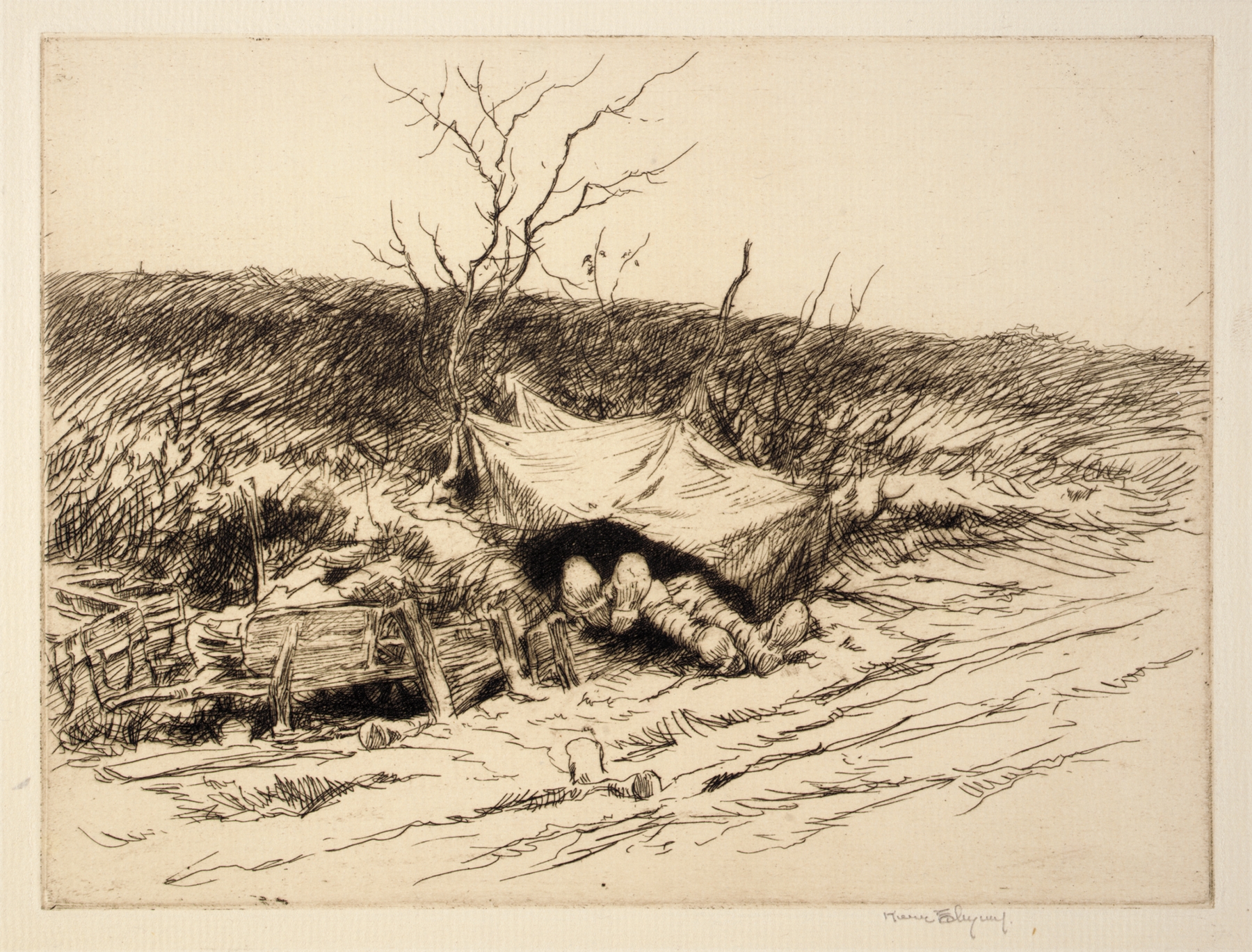
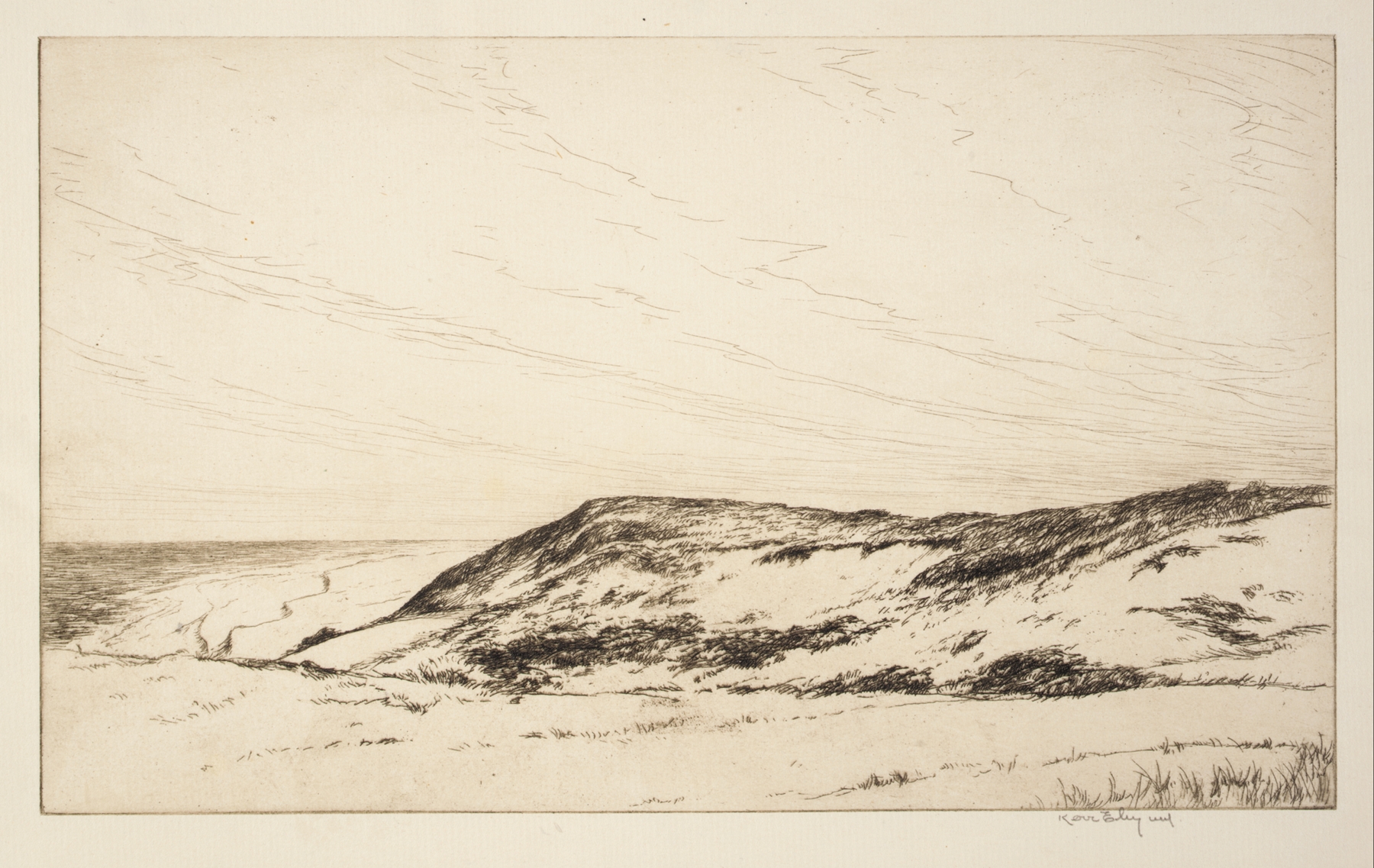
“The canvas doesn’t lie — it simply waits.” In the silence of a dream, what truths remain unspoken? The layers of time and memory intertwine, revealing the haunting echoes of existence. Look to the center of the composition, where the figures of hunters merge into the landscape, their forms almost evaporating into the misty background. The subtle blues and grays create an ethereal atmosphere, drawing the viewer into a world suspended between reality and reverie.
Notice how the textures of the paint capture both the ruggedness of the hunters’ attire and the delicate softness of the surrounding wilderness, suggesting a transient moment, a pause before the inevitable. Beneath the surface, the painting conveys a poignant tension between humanity and nature. The hunters, poised yet almost ghostly, evoke a sense of loss — not just of game, but of connection, of purpose. This is a landscape where the past and future collide, reflecting a deep unease about the relentless march of progress.
The interplay of light and shadow invites contemplation about our place in the natural world and the dreams we chase, often at great cost. Created in 1937, this work emerged during a time when Kerr Eby grappled with the aftermath of the Great Depression and the looming threats of war. Living in New York City, he was surrounded by a vibrant yet tumultuous art scene. His experiences as a war artist during World War I deeply influenced his perspective, as he sought to capture the fragility of life and the enduring spirit of the human condition through his evocative imagery.