Tiberius rocks at Capri — History & Analysis
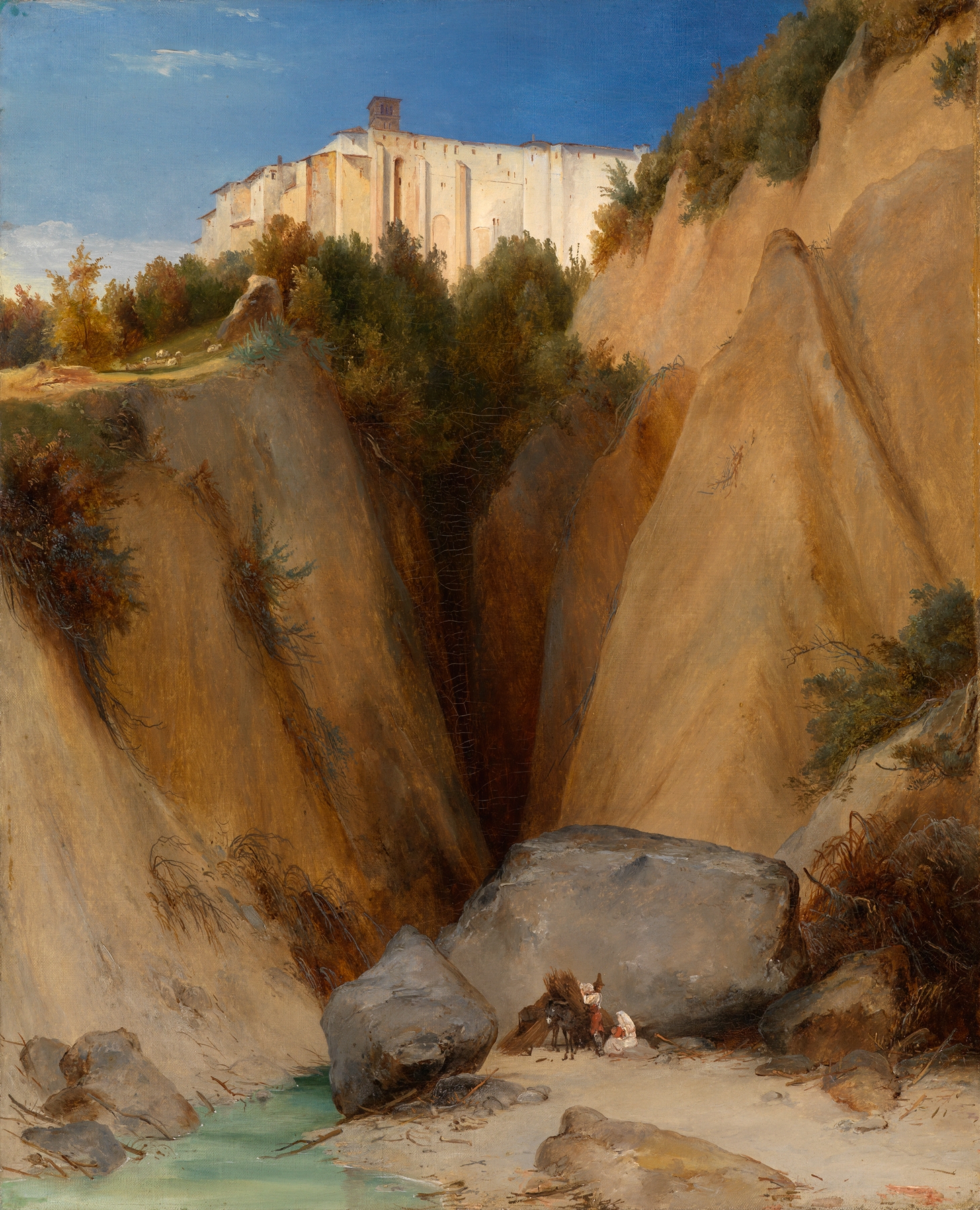
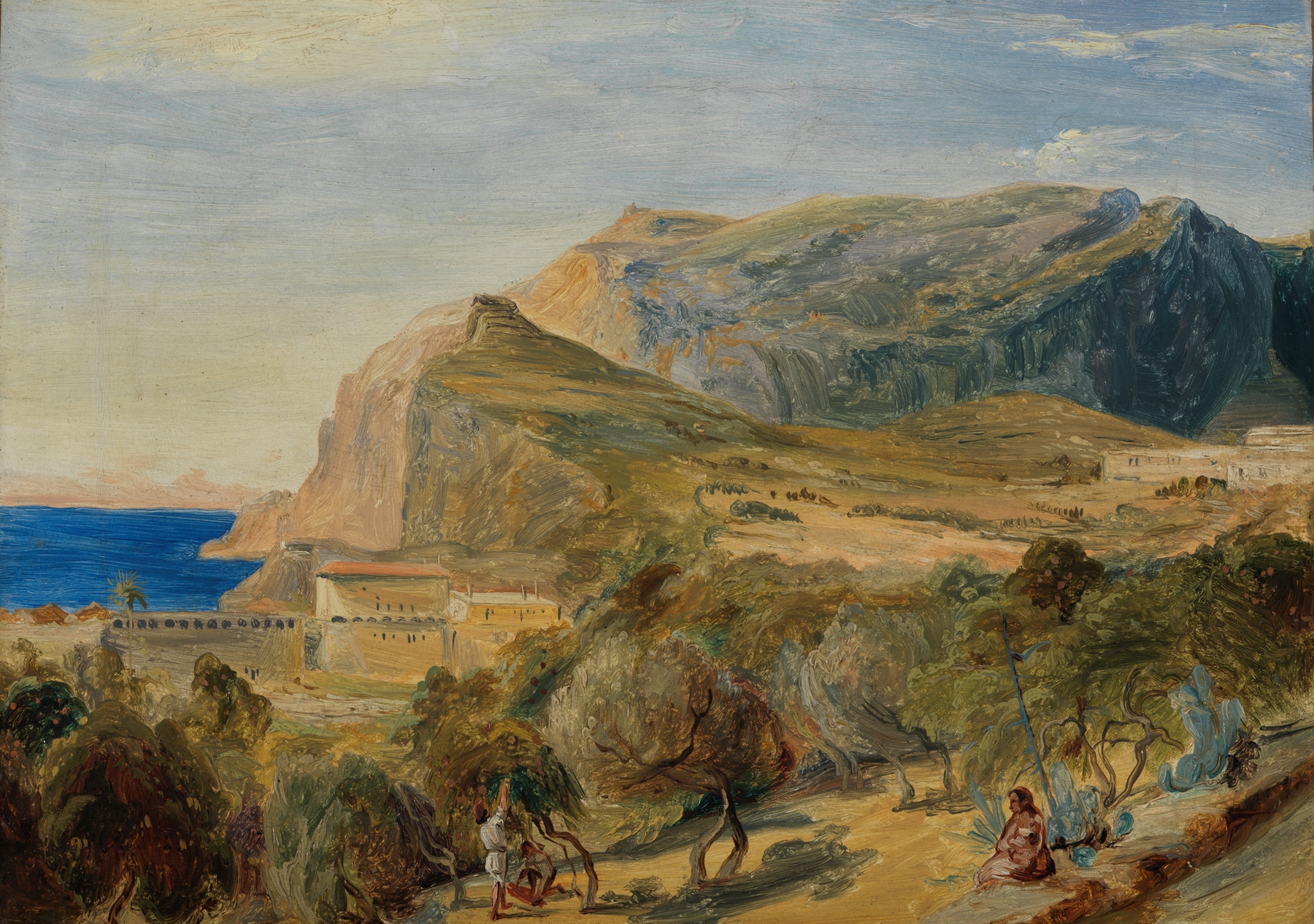
Is this a mirror — or a memory? The desolate grandeur of the rocks at Capri serves as a haunting reminder of solitude, echoing the depths of isolation felt by its subjects. Look to the foreground, where the rugged cliffs rise dramatically, their stony surfaces entwined with verdant patches of vegetation. The interplay of light and shadow accentuates the texture of the rocks, drawing the viewer’s eye into a labyrinth of nature’s raw beauty. Notice how the distant sea glimmers in the sunlight, its calm surface contrasting with the jagged cliffs, creating a tension that reflects both the majesty and loneliness of this landscape.
The palette, dominated by earthy tones and dashes of emerald and azure, evokes a sense of wistfulness, as if the scene itself longs for connection. The rocks stand as silent sentinels to the passage of time, embodying the emotional weight of solitude. The absence of human figures amplifies this sense of loneliness, inviting contemplation on the isolation often felt in moments of grandeur. The juxtaposition of the serene sea and the imposing cliffs suggests the duality of existence—beauty intertwined with solitude, peace alongside the burden of isolation.
In this dichotomy, one can sense a yearning for companionship, a silent lament echoing through the ages. In the years 1828-1829, the artist found himself in a period of deep introspection, painting in Italy while grappling with his own artistic identity. The Romantic movement was gaining momentum, and Blechen was deeply influenced by the emphasis on emotion and nature. His experiences during this time reflect not only personal challenges but also a broader exploration of solitude and the human spirit, immortalized in the striking landscape he captured on canvas.