Toits de Paris — History & Analysis
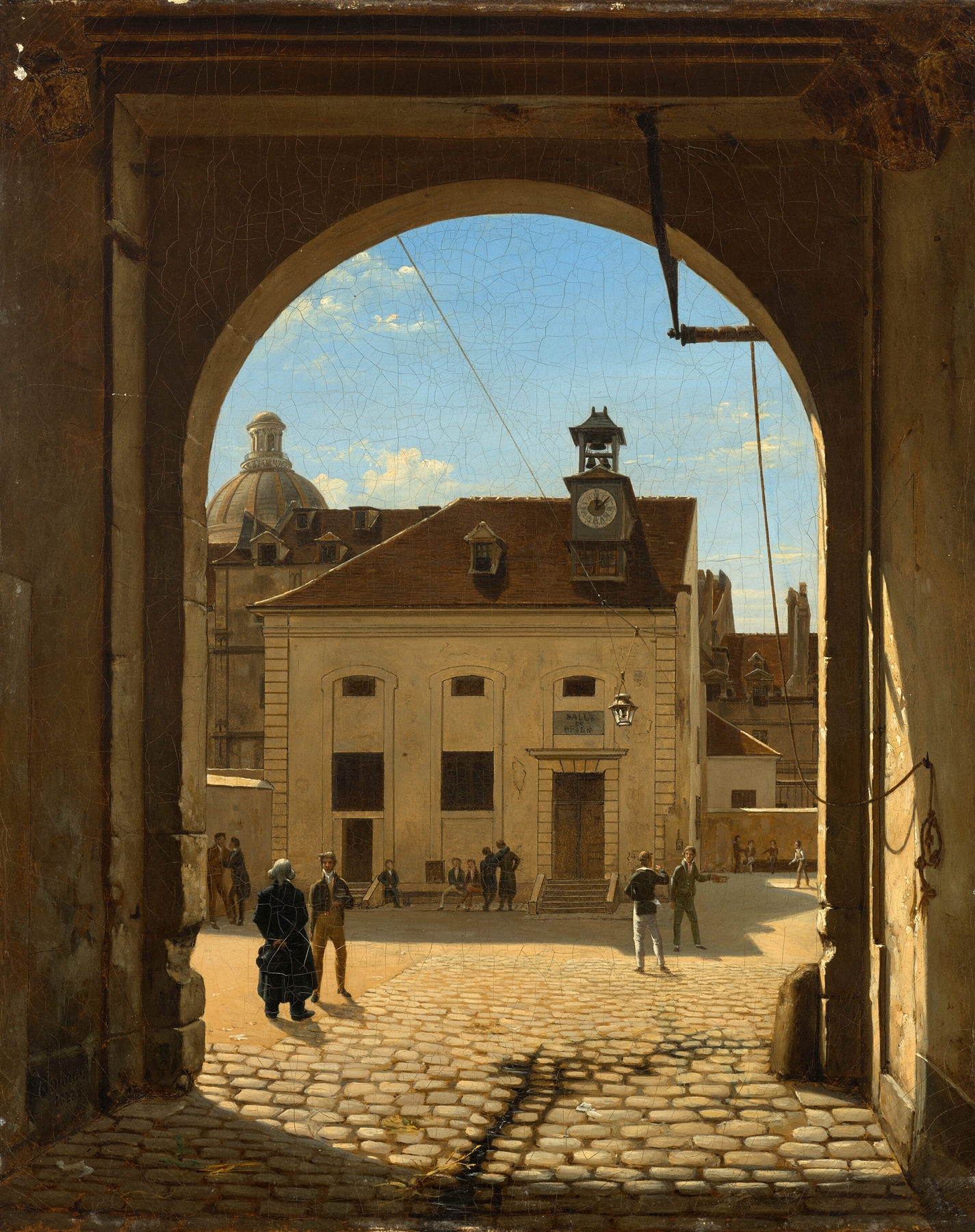
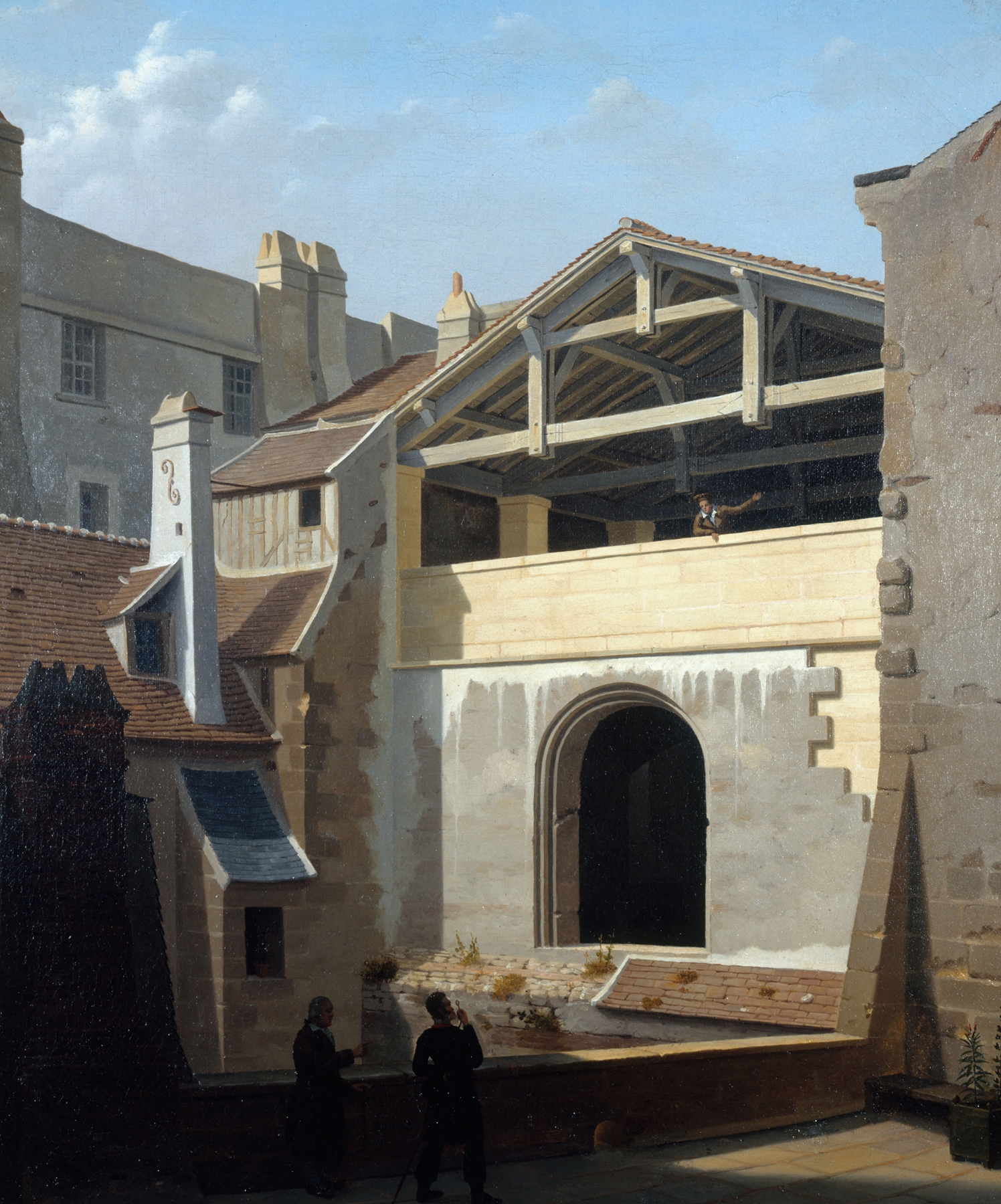
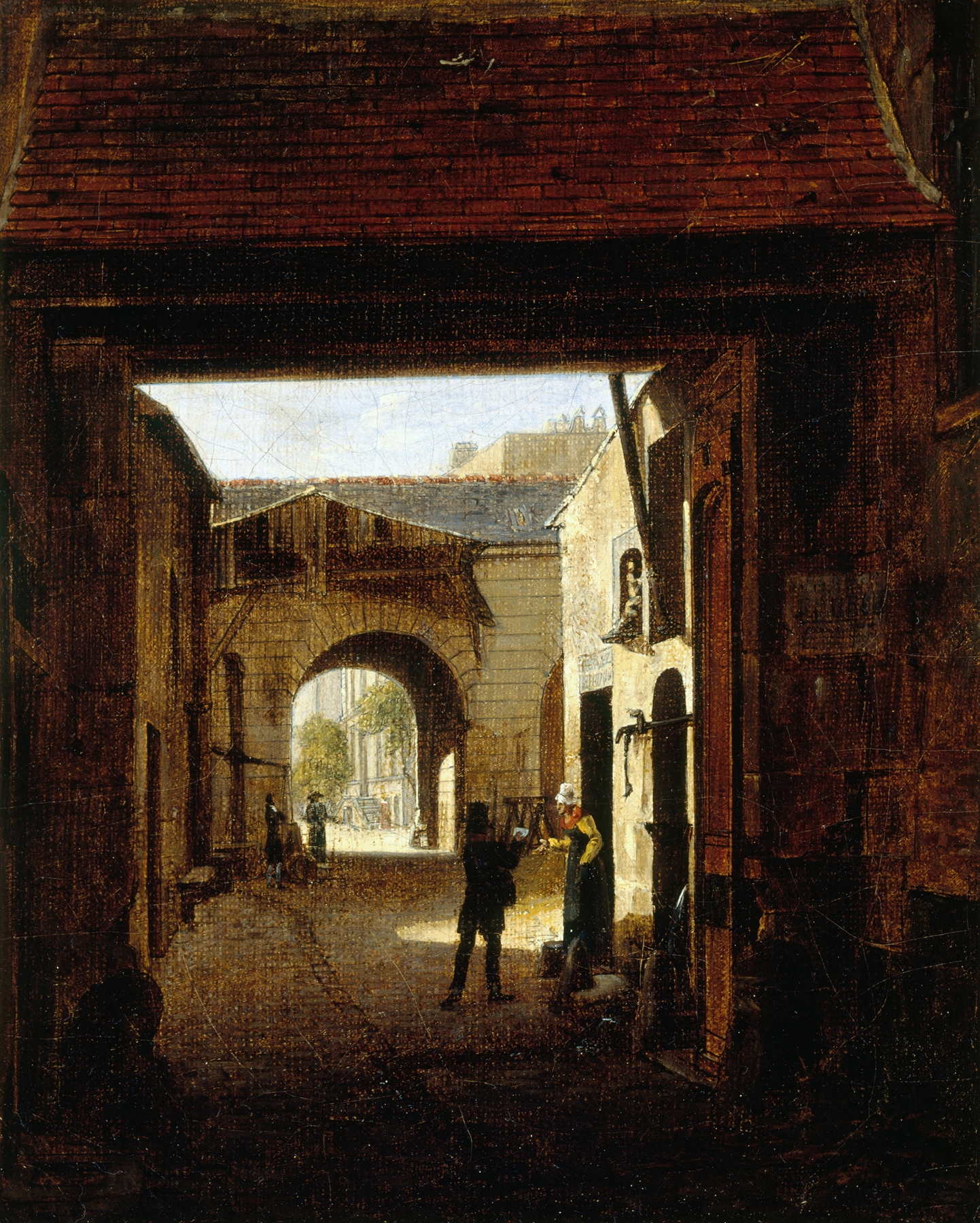
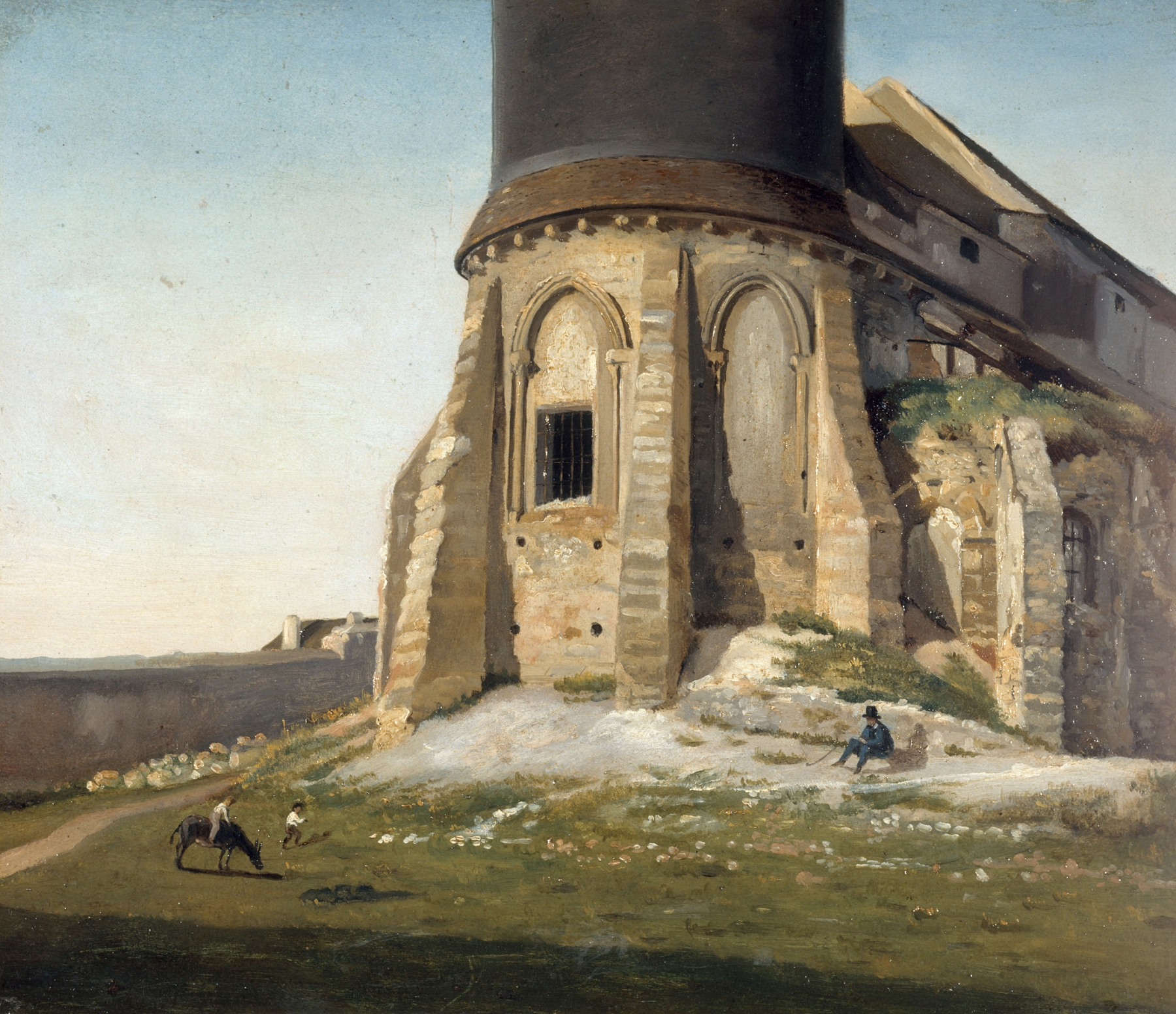
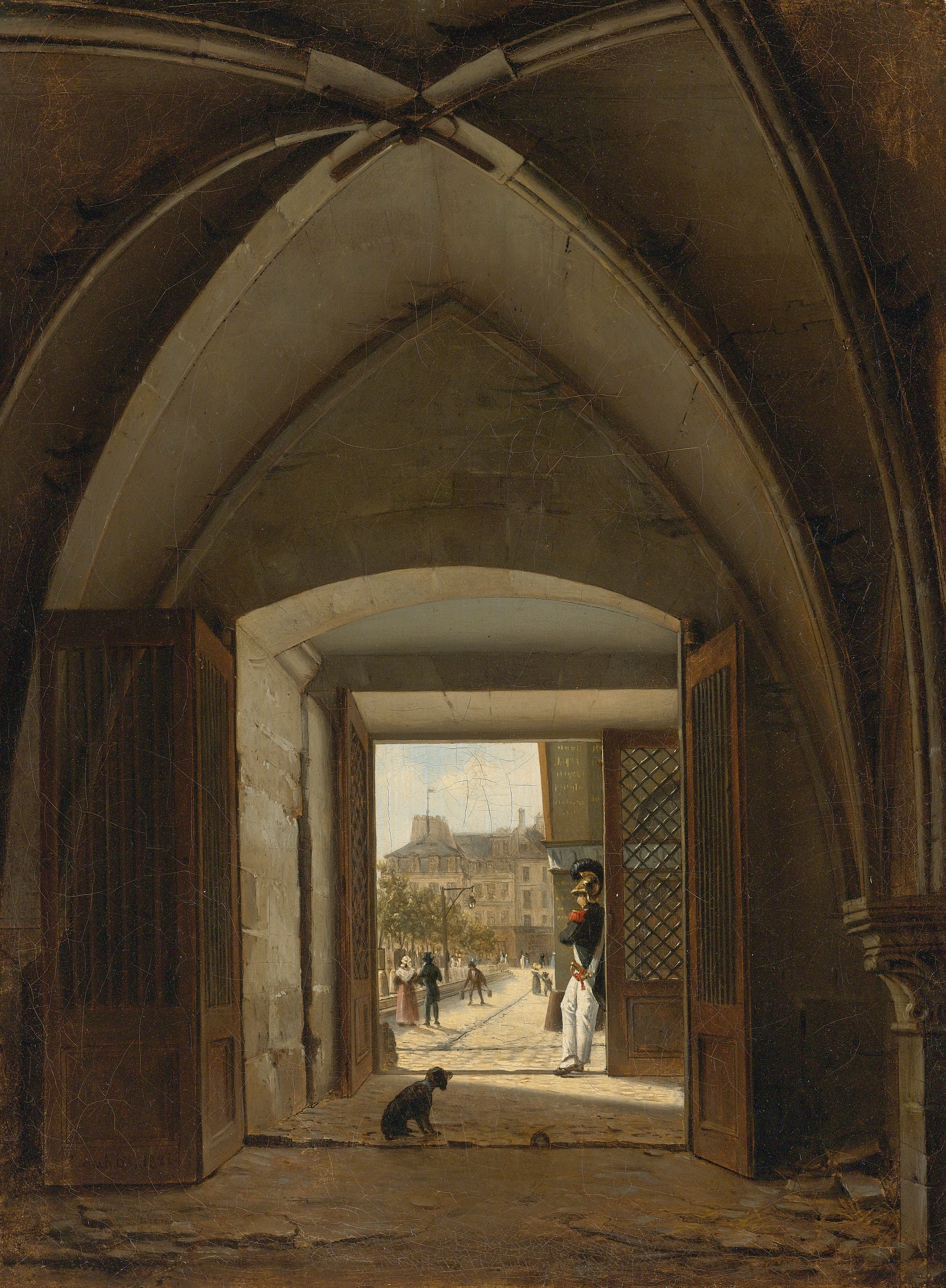
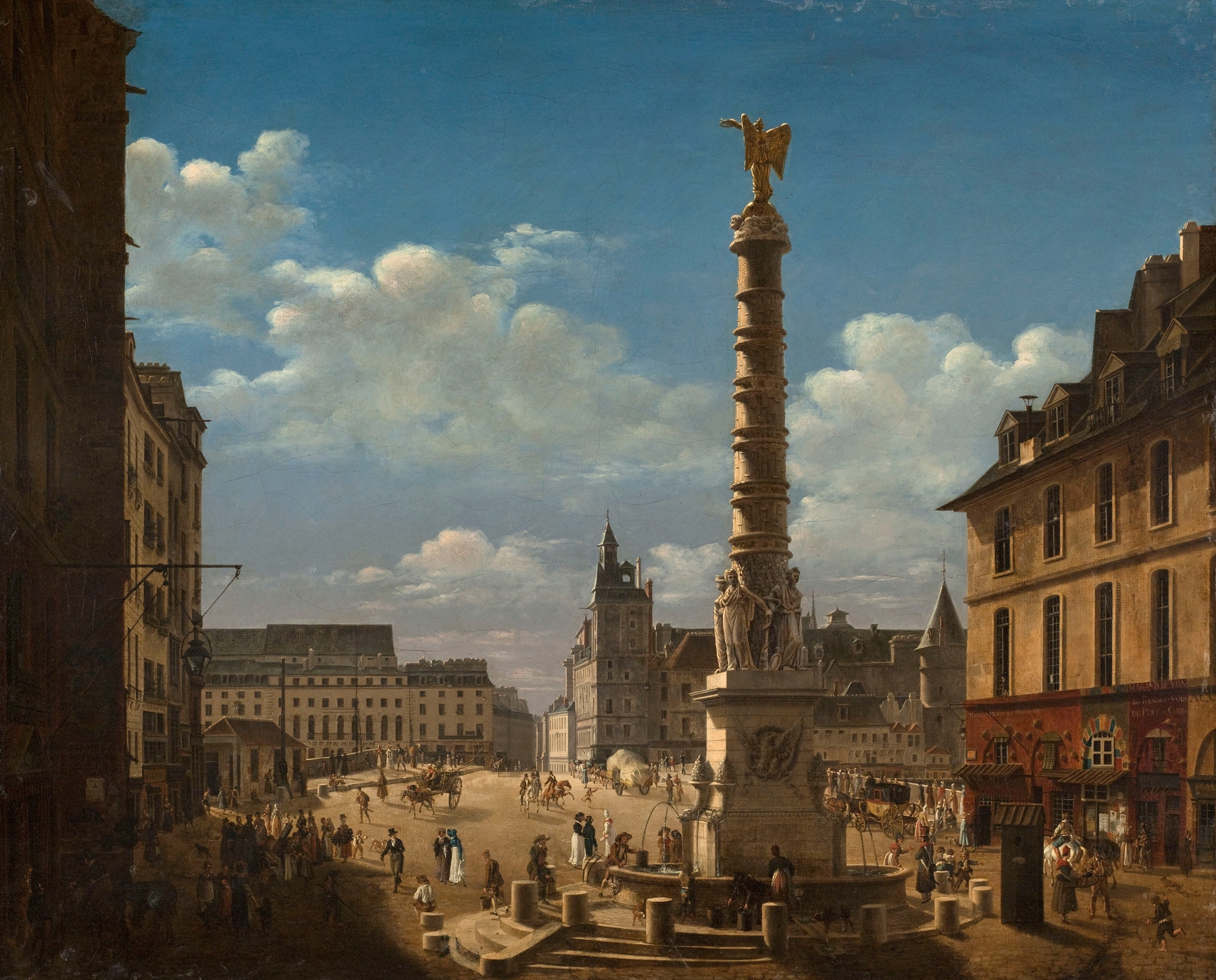
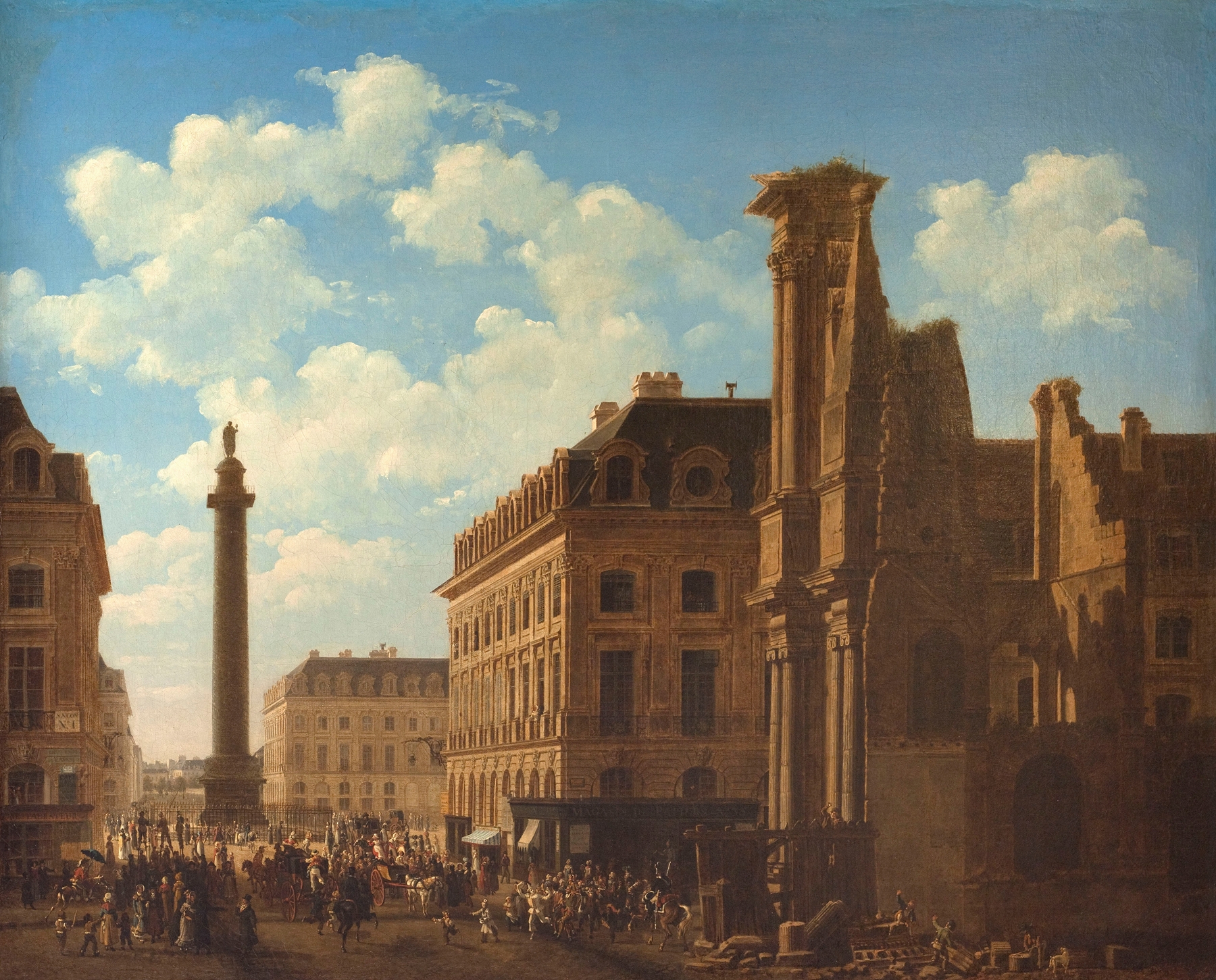
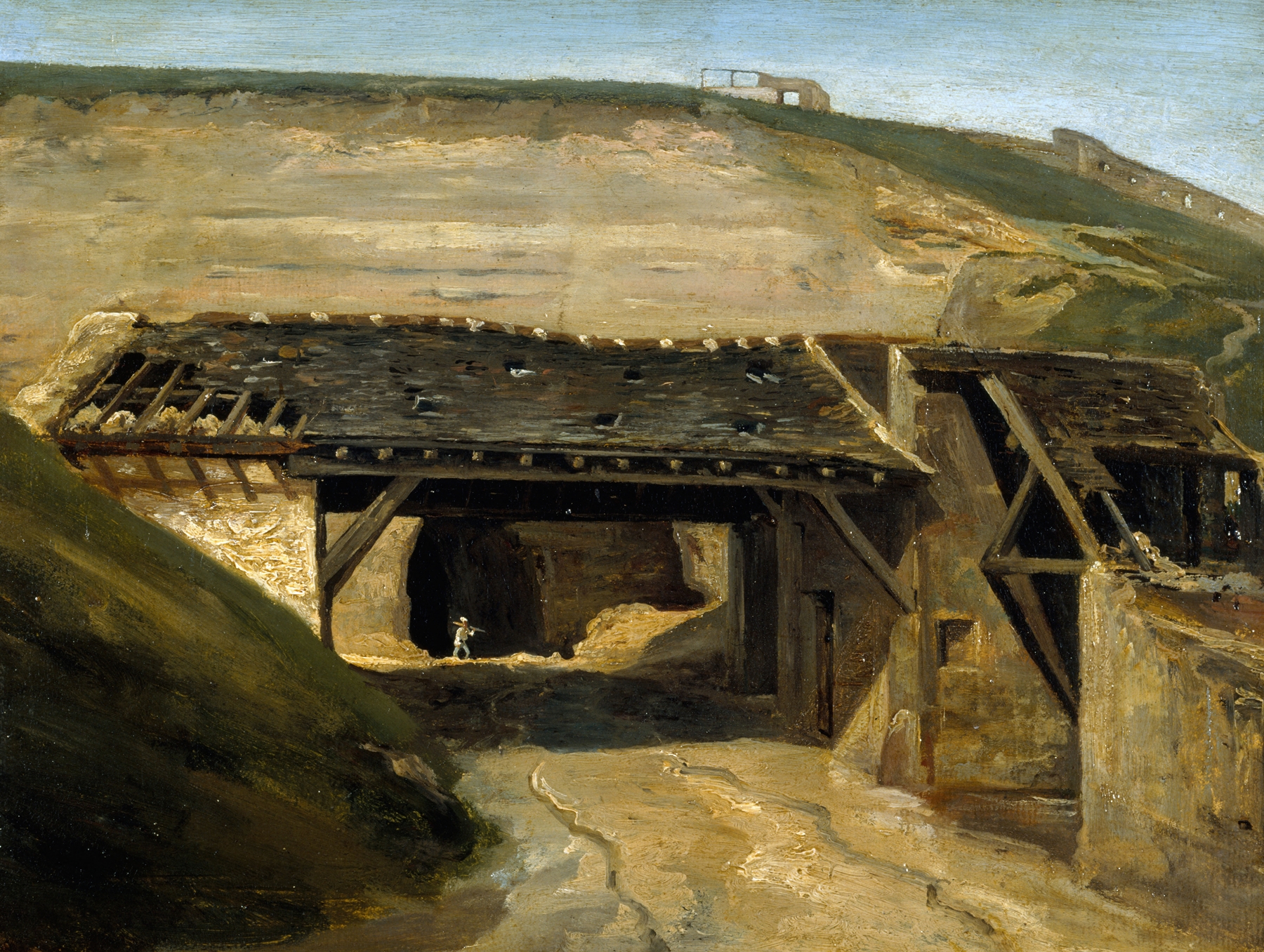
Can beauty exist without sorrow? In Toits de Paris, the rooftops of the city rise and fall like the rhythm of time, suggesting a delicate balance between joy and melancholy. Look to the left at the soft, muted hues blending in the sky, as if the dawn is kissing the slate rooftops awake. Notice how the gentle contours of the architecture create a tapestry of light and shadow, inviting the viewer's eye to dance across the scene.
Each chimney and gabled roof tells a story, rendered with precise brush strokes that breathe life into the stillness of this urban landscape. The color palette, dominated by grays and ochres, evokes a sense of nostalgia, emphasizing both the passage of time and the enduring spirit of the city. Delve into the details: the solitary figure perched on a rooftop, perhaps a watchman or a dreamer, embodies the solitude often found amidst the vibrancy of life. The subtle variations in texture, from the smoothness of the sky to the roughness of the brickwork, speak to the contrasts of aspiration and decay.
This painting captures not just the physicality of Parisian architecture, but also the emotional weight of a city rich with history, where the passage of time weaves a narrative of collective memory. In 1830, when this piece was created, the artist was deeply immersed in the artistic revival of Paris, a city on the brink of political upheaval. Bouhot painted during a period marked by a burgeoning appreciation for realism and a shift from romanticism. It was a time of both beauty and struggle, reflecting the intricate dance of life in the heart of a changing metropolis.