Travelers in Hilly Countryside — History & Analysis
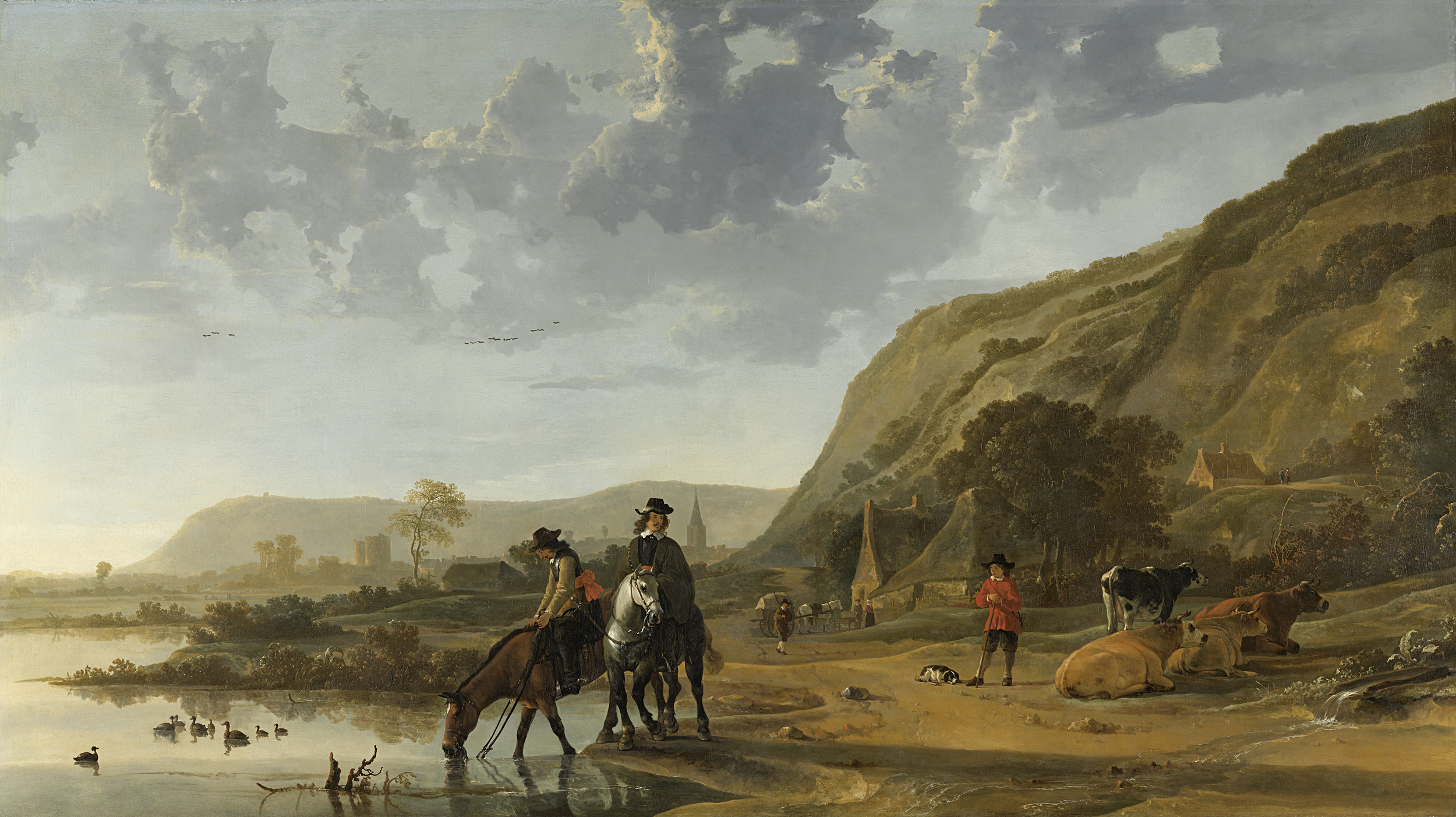
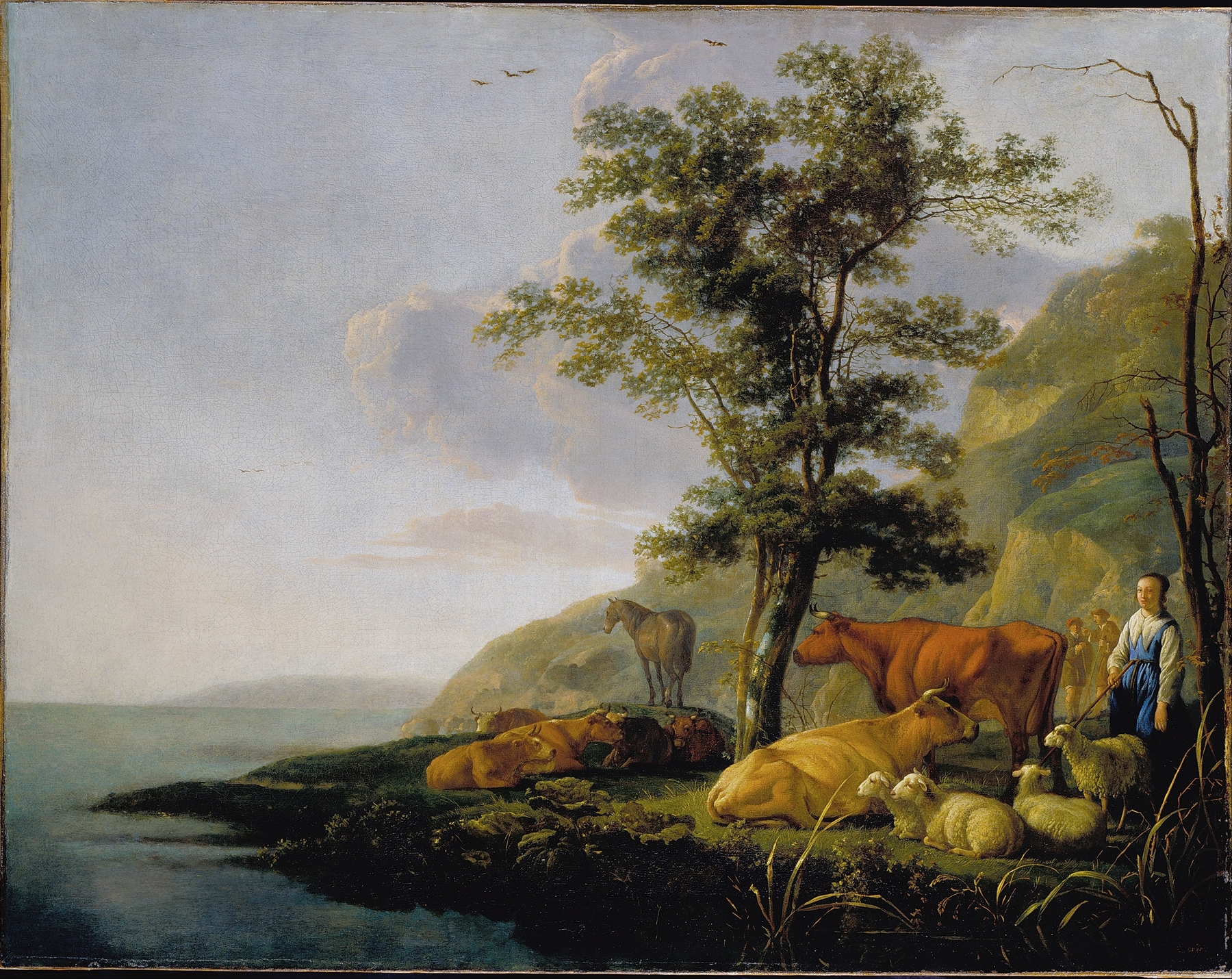
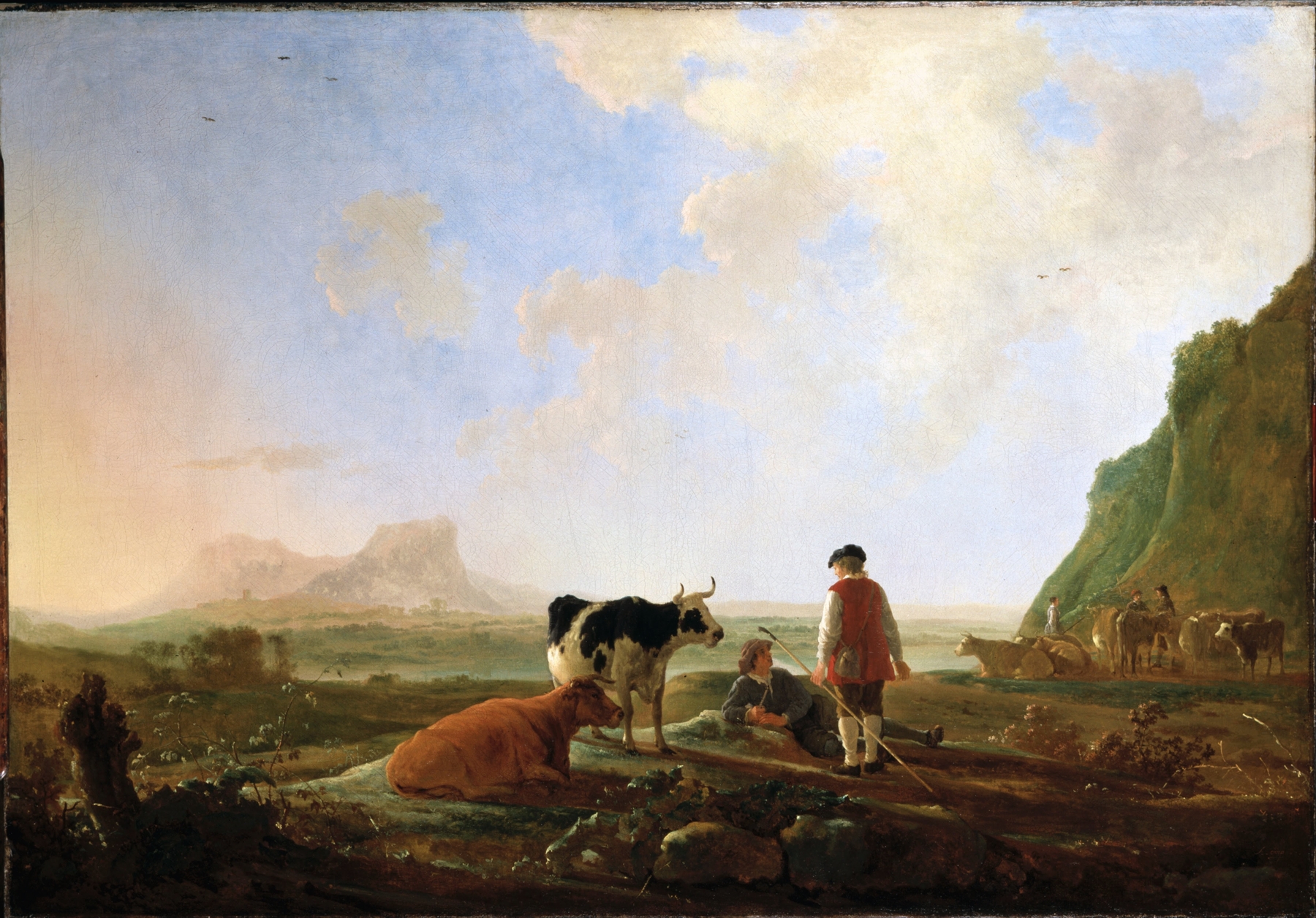
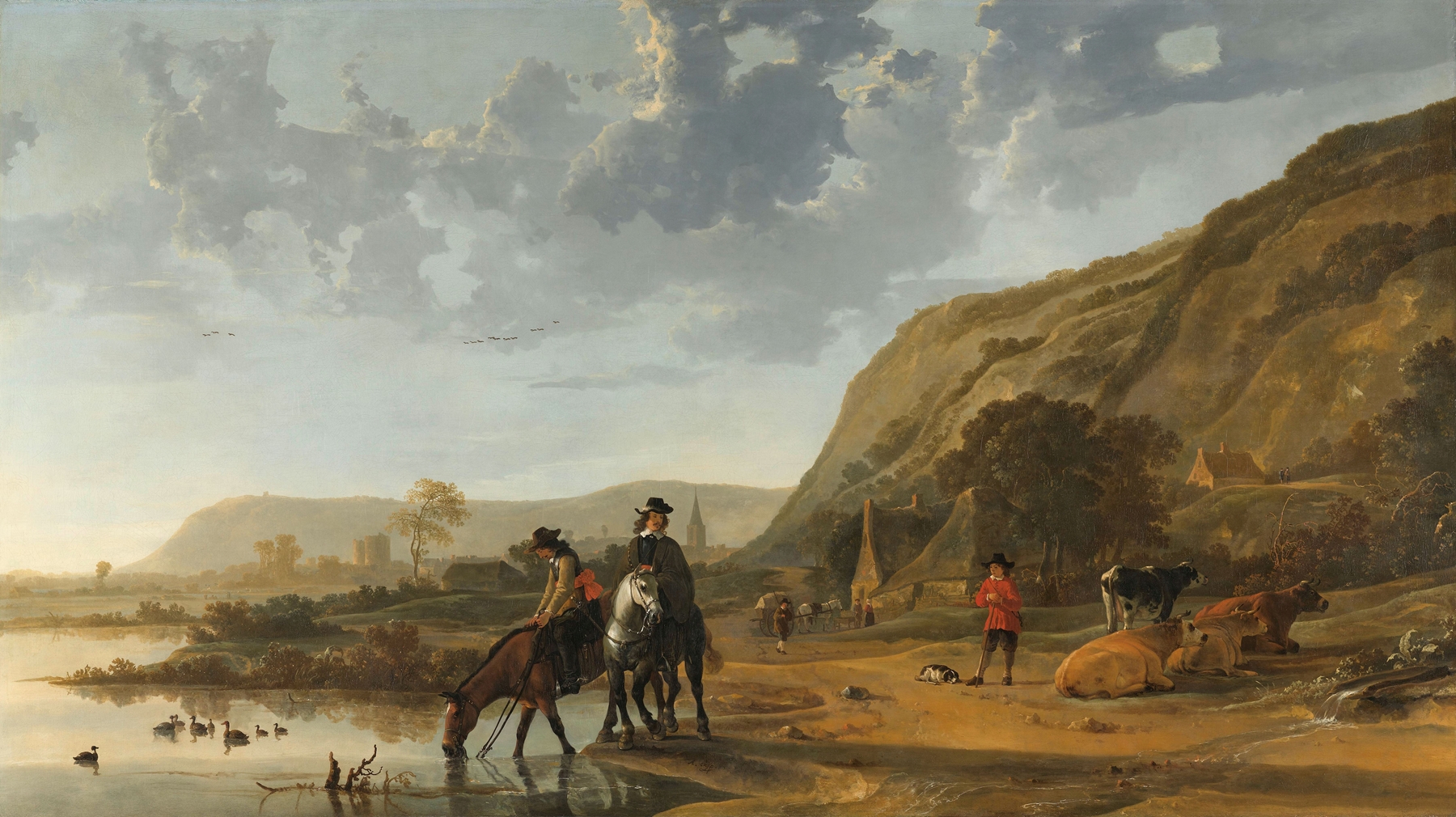
Did the painter know this moment would outlive them? The scene in Travelers in Hilly Countryside captures a world in motion, the gentle undulation of hills stirring with life that echoes through time. Look to the left at the group of travelers, their slow procession crafting a narrative of journeying souls. The golden hues of sunlight dance against the lush green of the hills, highlighting the vibrancy of nature and the intimacy of the moment. Notice how the light falls upon their figures, illuminating the texture of their garments and revealing the warmth of the day.
The broad, sweeping curves of the landscape guide our gaze toward the distant horizon, suggesting both an end and a beginning, an invitation to explore further. Beneath the serene surface lies a contrast between the travelers' purposeful movement and the stillness of the landscape around them. The subtle play of shadows hints at the passage of time, while the towering clouds above loom, their soft forms contrasting with the more defined figures below. This duality speaks to the fleeting nature of human endeavors against the enduring backdrop of nature.
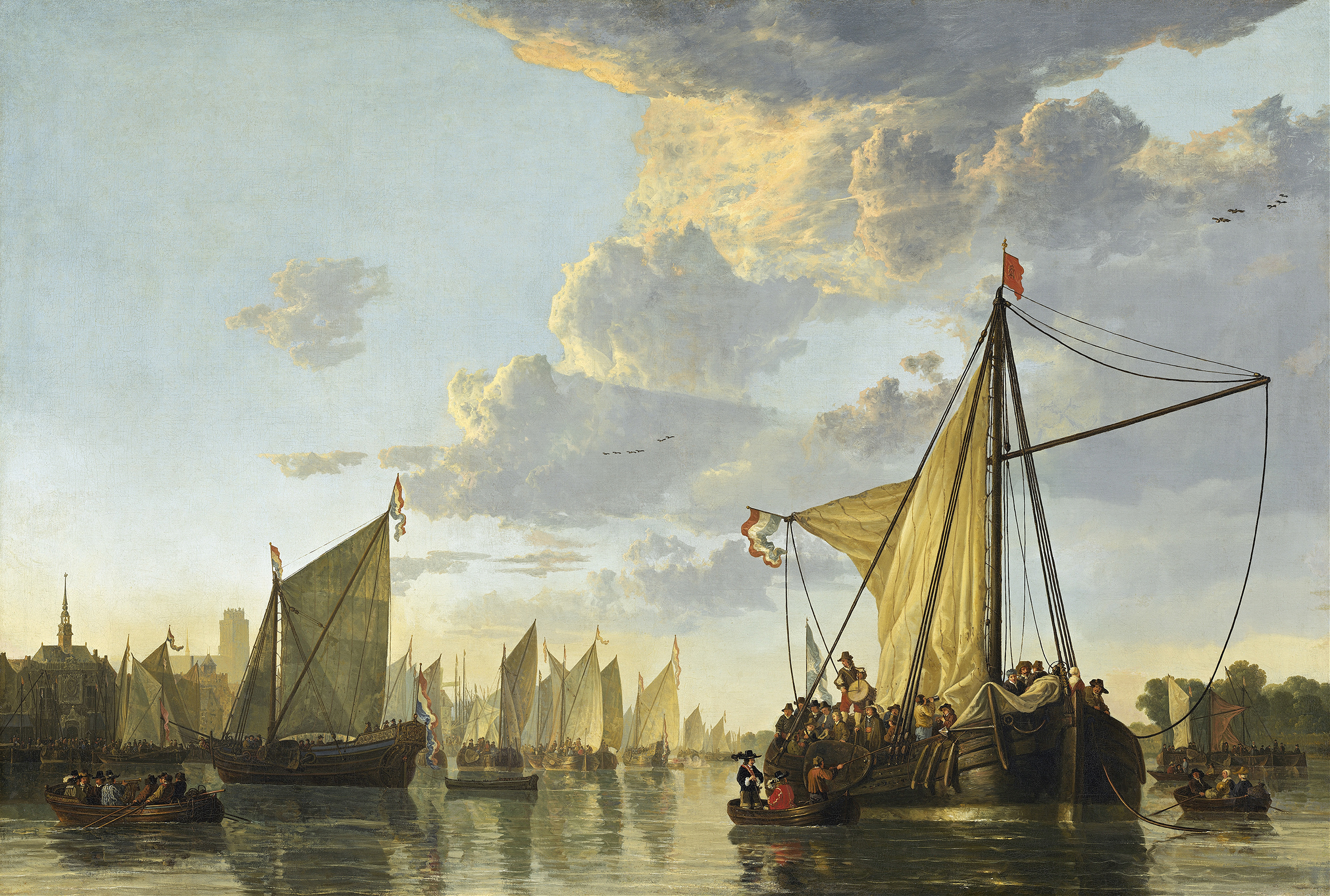
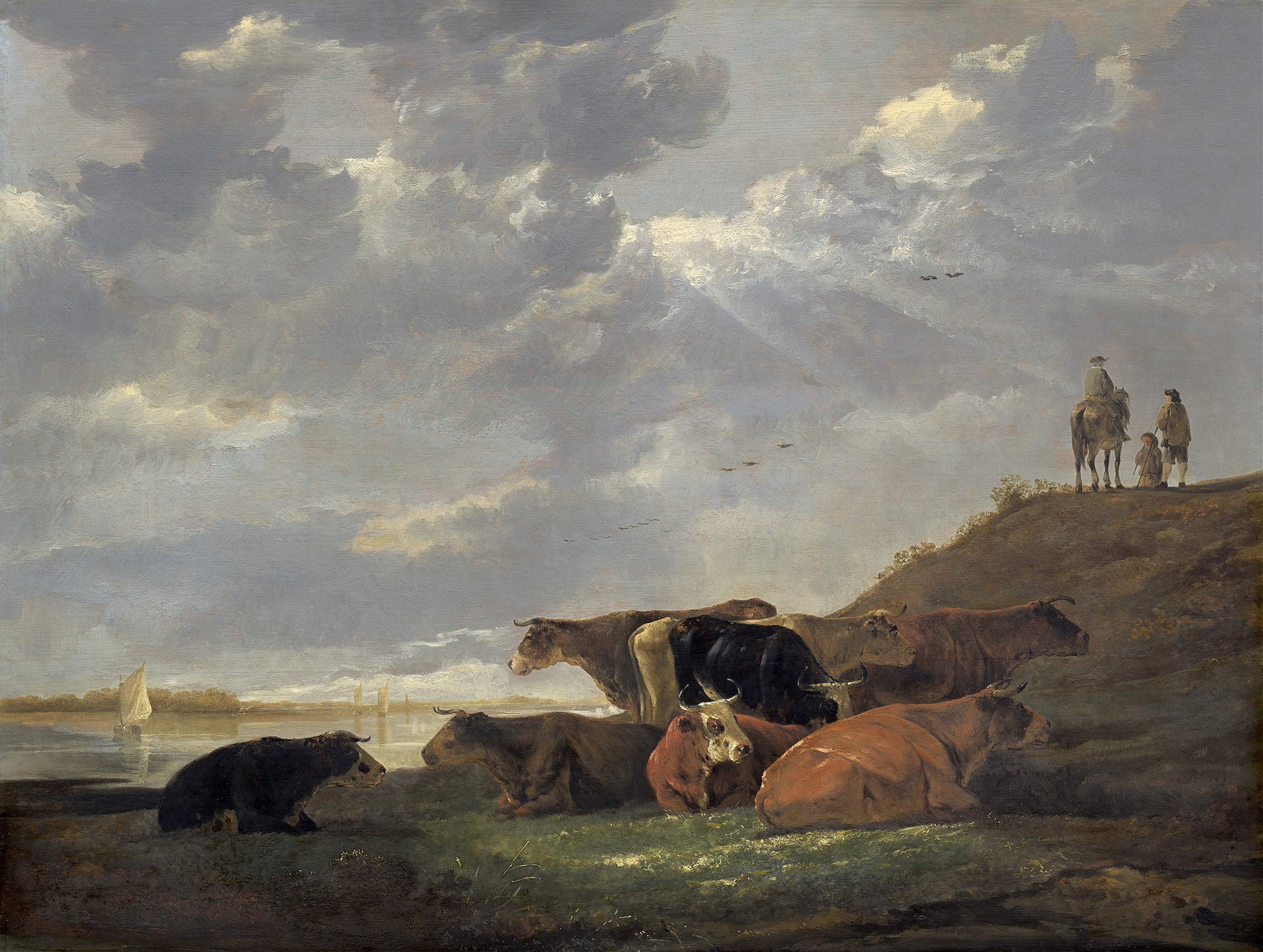
The gentle slopes cradle the figures, as if the earth itself acknowledges their passage, merging human experience with the eternal landscape. In the mid-17th century, Aelbert Cuyp painted this work while living in the Netherlands, a country flourishing in trade and exploration. This period marked a shift towards a focus on the natural world, influenced by the burgeoning Dutch Golden Age. Cuyp's ability to capture the enchanting interplay of light and landscape reflects his keen observation of the world around him, a testament to both his artistic mastery and the societal currents that shaped his vision.