Trees in a meadow in the Oder valley — History & Analysis
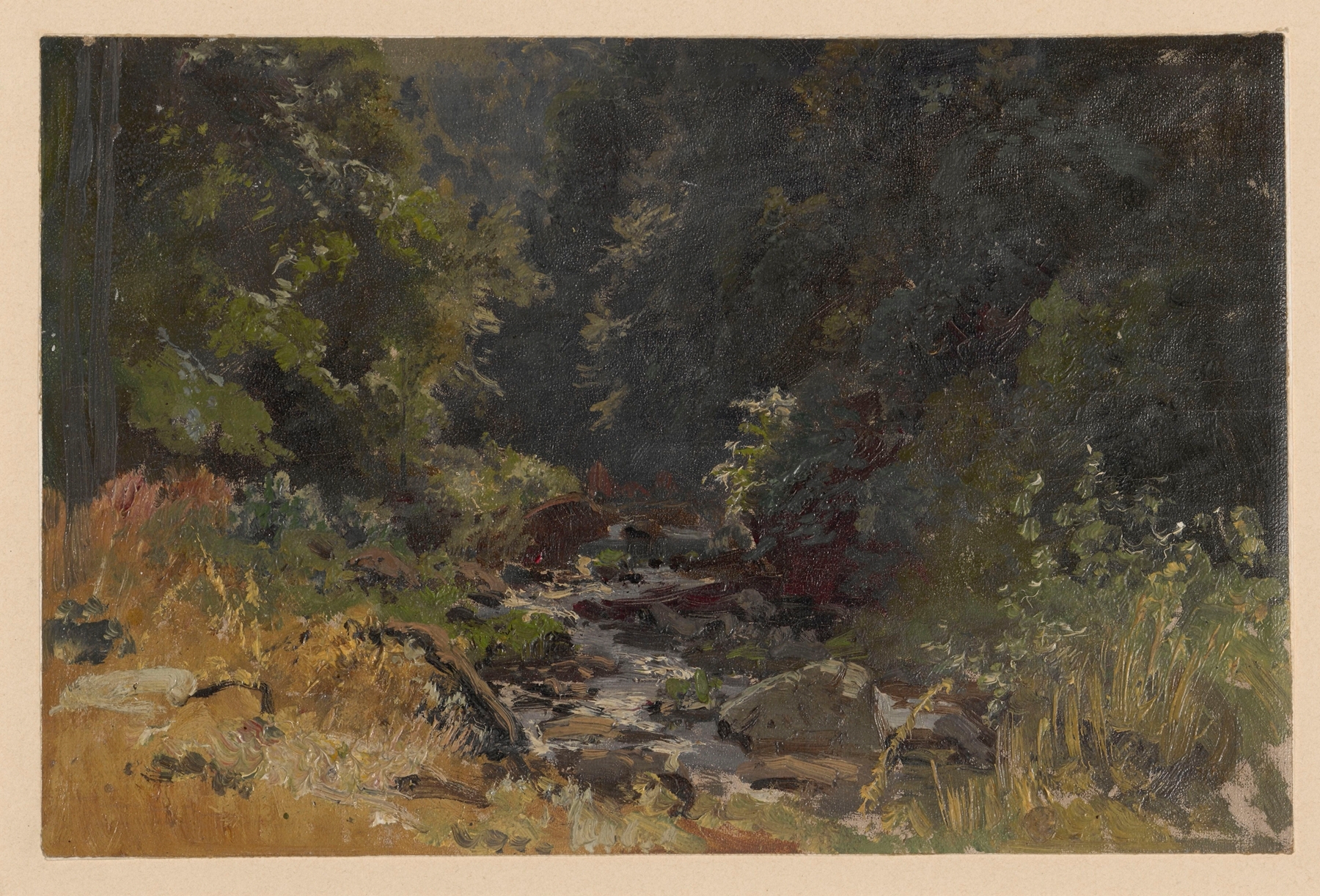
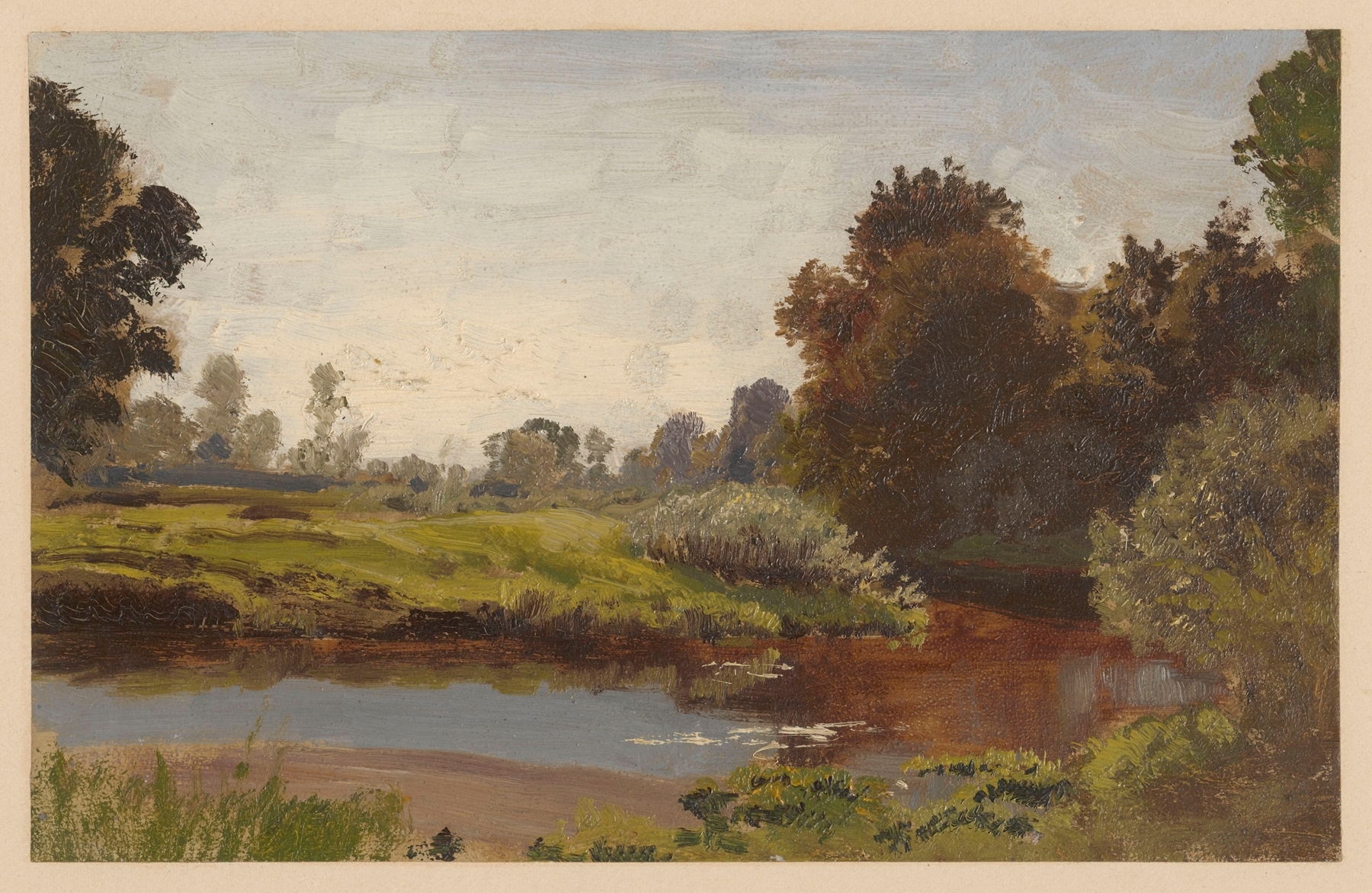
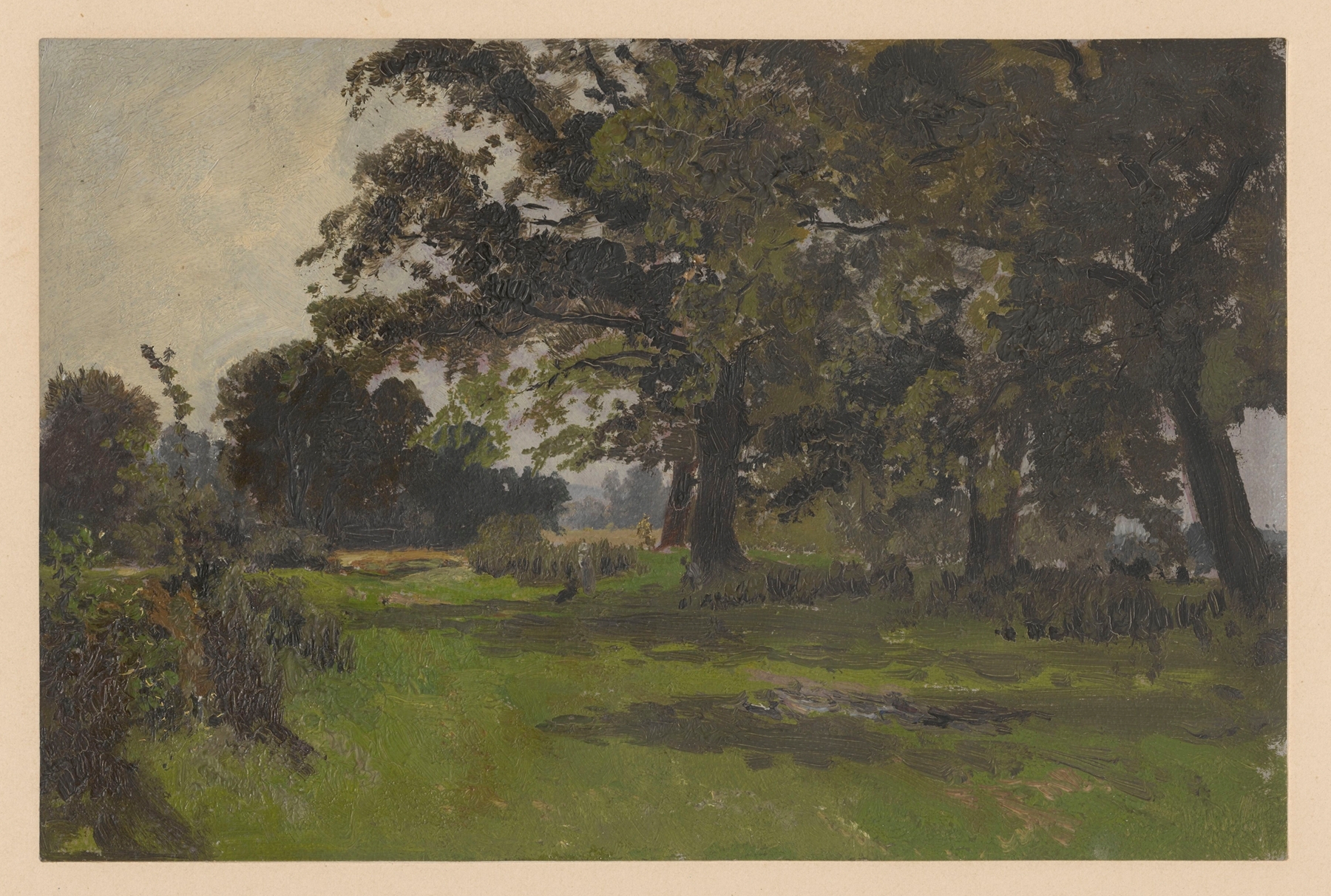
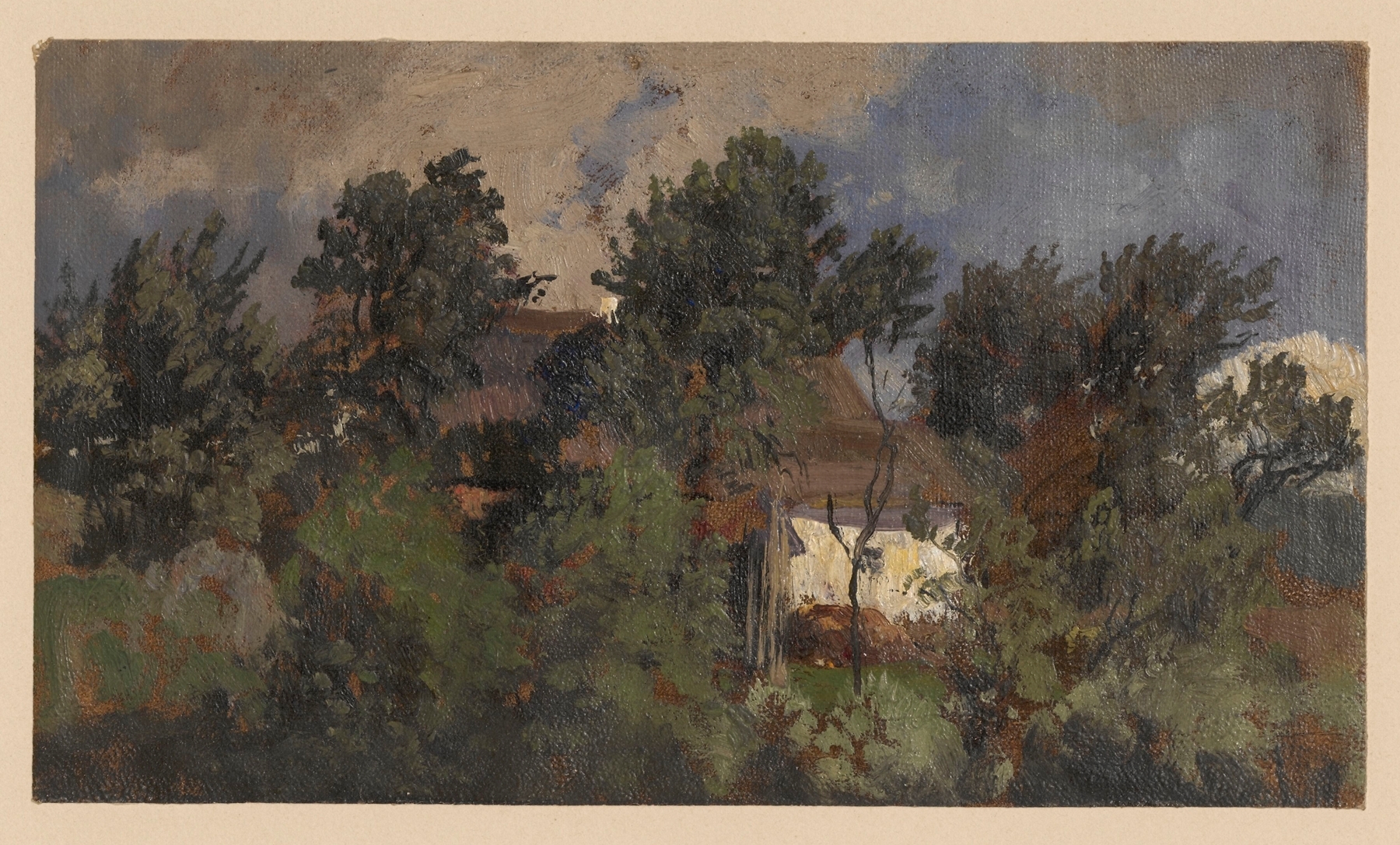
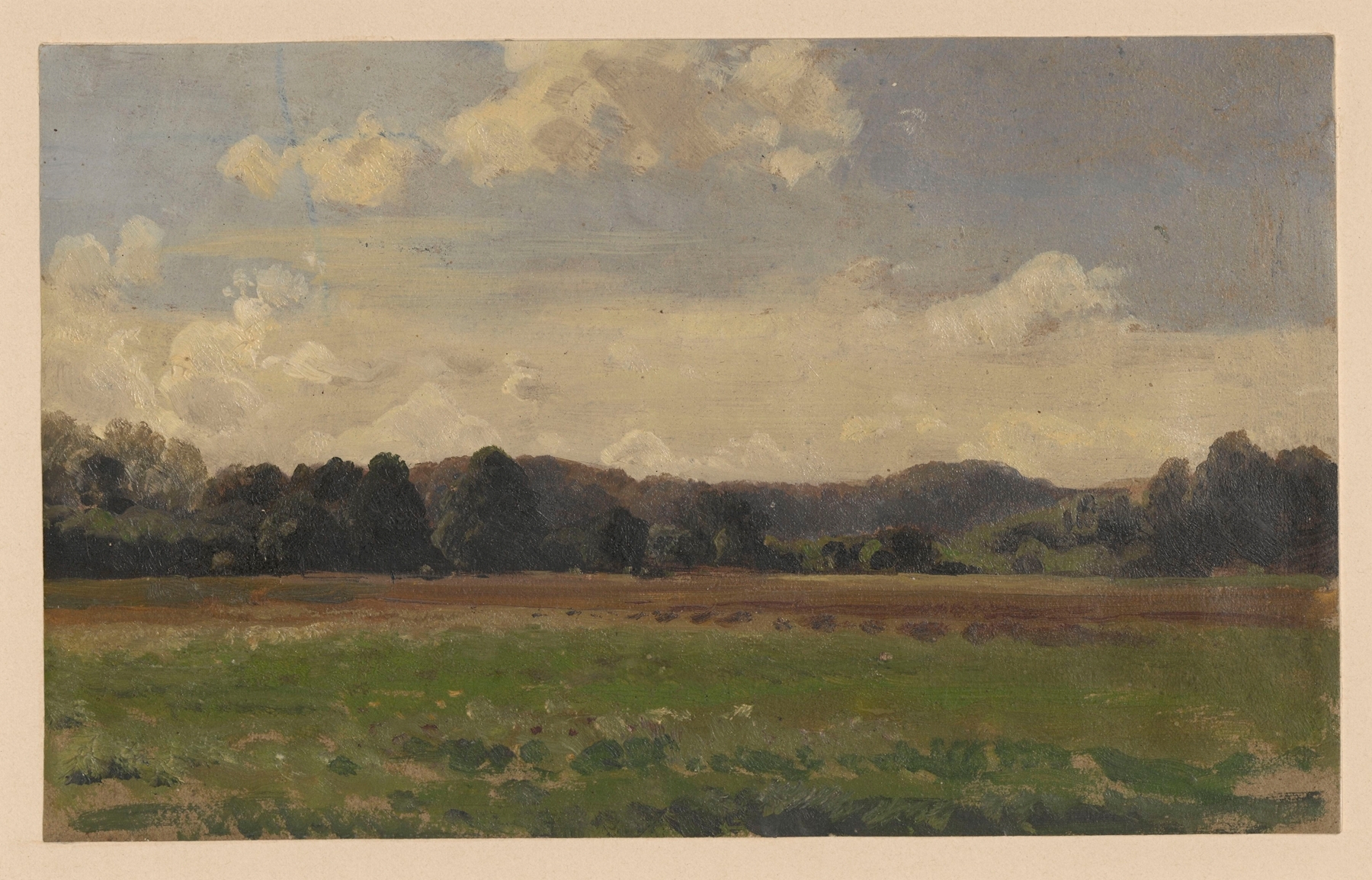
“Under the brush, chaos becomes grace.” This sentiment resonates deeply in the realm of desire, where each stroke of the artist’s hand unveils the yearning for beauty and tranquility in nature. Focus on the lush greens that vibrantly spring to life across the canvas. Look closely at the varied hues of the leaves, where a spectrum of emerald and jade dances under the golden rays of sunlight. Notice how the trees are positioned, creating a harmonious rhythm that guides the eye toward the distant horizon, a promise of adventure and serenity.
The gentle brushwork captures the soft rustle of leaves, inviting viewers to step into this verdant embrace. In this intimate portrayal, the trees stand not merely as flora but as sentinels of memory and longing. The interplay of light and shadow suggests a transient moment—a fleeting glimpse of eternity that resides within each leaf. The expansive meadow hints at the vastness of human desire, sprawling yet intimately tethered to the earth.
Here, nature becomes a reflection of the soul's quiet wishes, evoking both solitude and companionship. Adolf Dressler painted this work between 1850 and 1881, a time when the Romantic movement was flourishing in Europe, celebrating emotion and nature's sublimity. During this period, he sought to capture the serene beauty of the Oder valley, reflecting a shift towards deeper personal expression and a return to landscape as a subject matter. This canvas stands as a testament to his artistic evolution in a changing world, merging the natural with the profoundly personal.