Trees near water in a park — History & Analysis
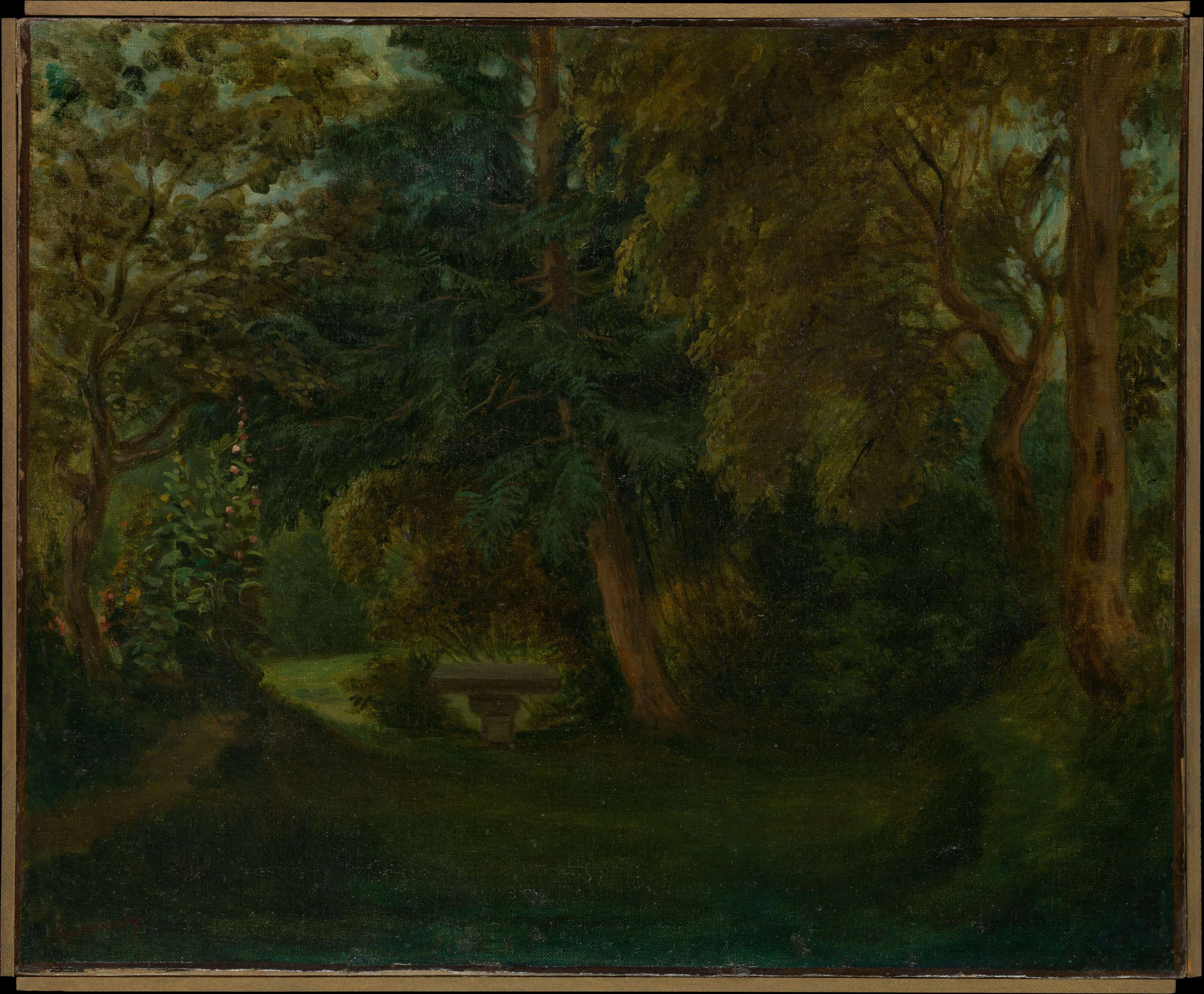
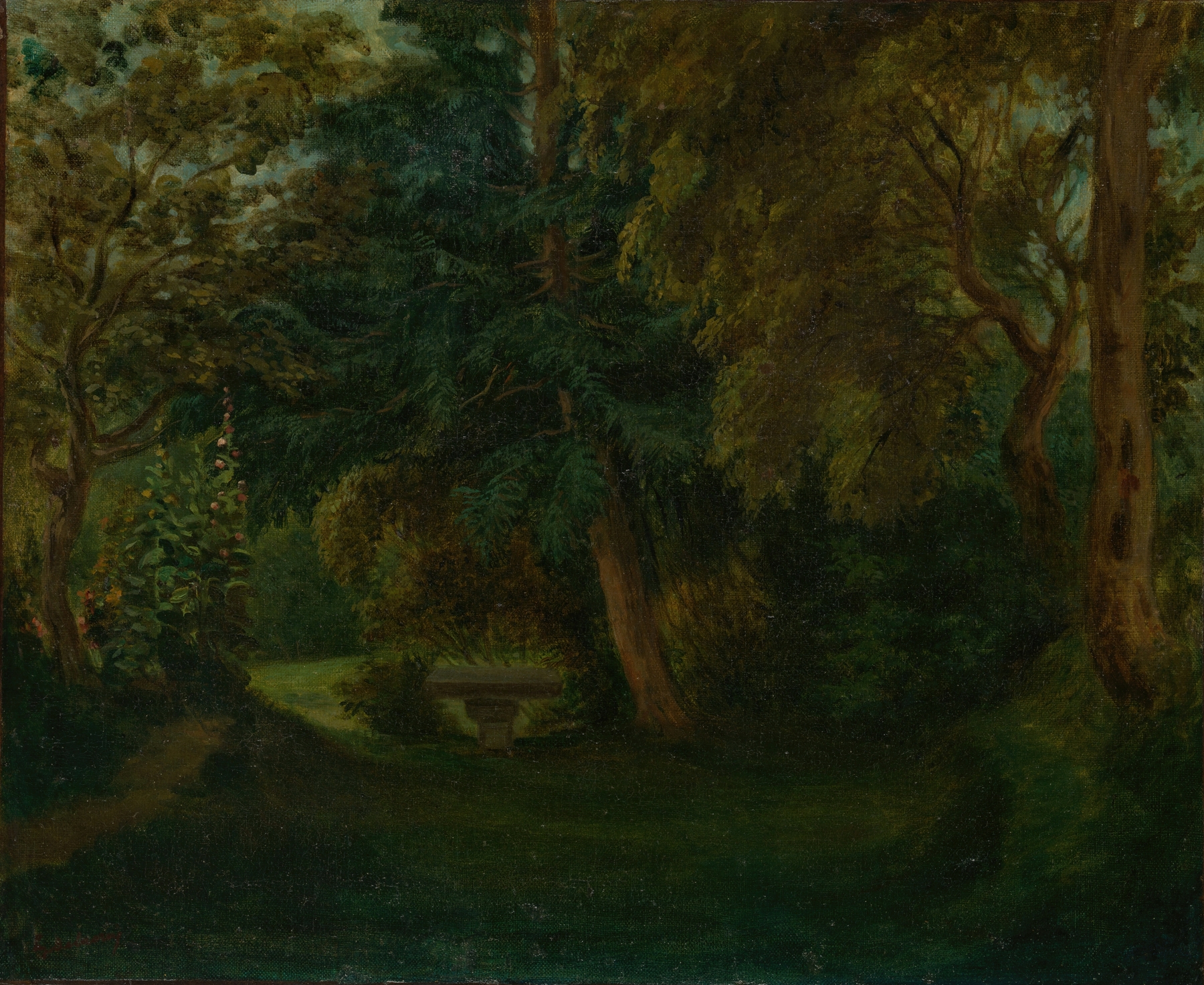
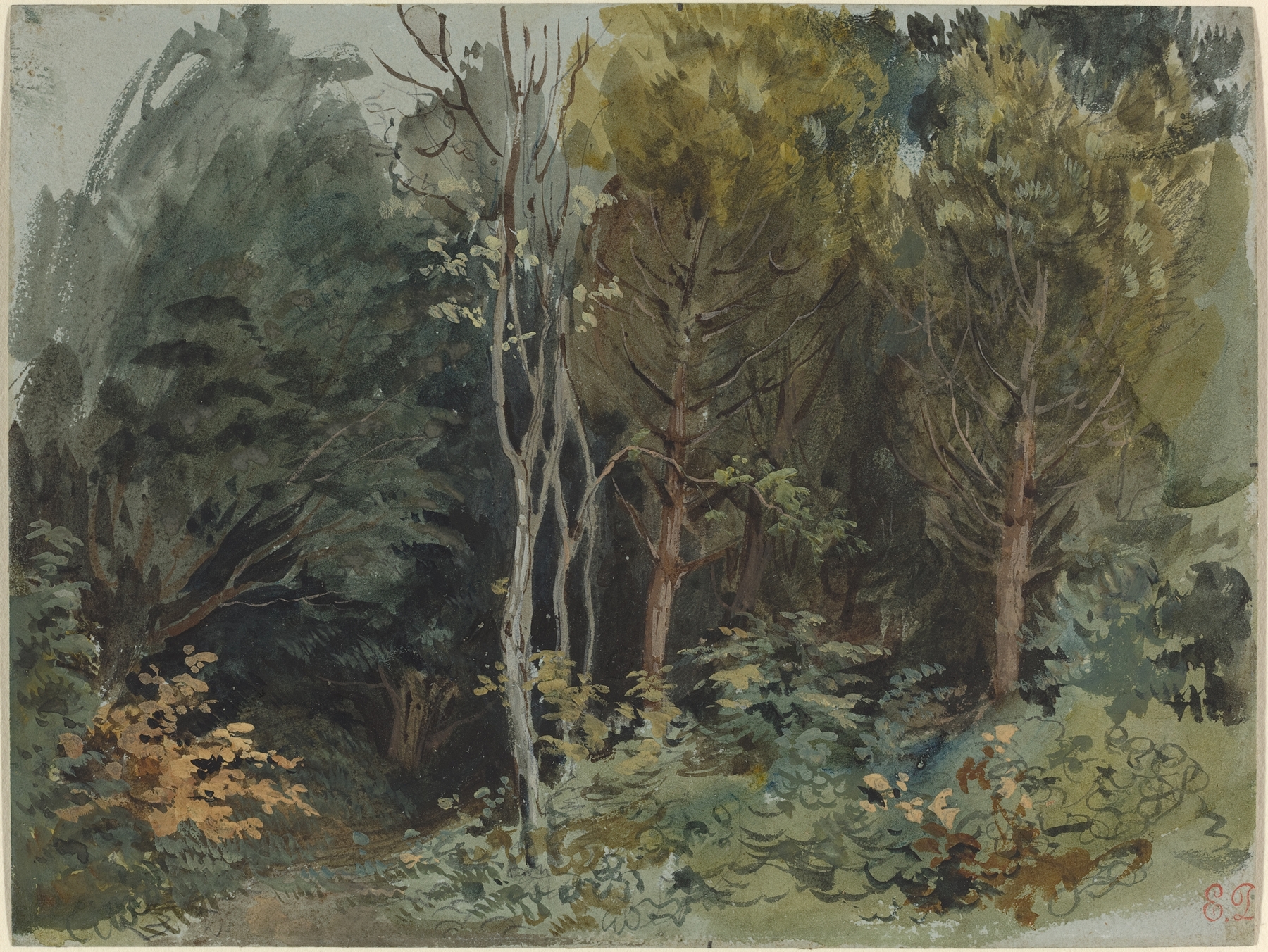
“Sometimes beauty is just pain, disguised in gold.” In the tranquil embrace of nature, there lies an unsettling truth, often overlooked beneath the surface. Look to the left at the tangled branches of the trees, their gnarled forms stretching out over the shimmering water, casting dark reflections that ripple with hidden intensity. The color palette is a harmonious blend of deep greens and soft blues, yet the subtle undertones of turbulence suggest something more sinister. Delacroix's brushwork creates a sense of movement, as if the scene is alive, with the trees bending slightly, as though whispering secrets of the past.
Beneath the serene façade, there is an emotional tension that speaks volumes. The calm water, while beautiful, also serves as a reminder of the violence that sometimes resides within nature. The juxtaposition of light and shadow hints at the struggle between tranquility and turmoil, evoking a complex emotional response. The viewer may find themselves drawn into a contemplative space, pondering the fragility of beauty and the lurking chaos in every serene moment.
In 1850, Delacroix painted this scene during a time of personal and artistic evolution. Living in France, he was navigating the complexities of Romanticism, an era rife with contrasts between beauty and violence, order and chaos. This work reflects both his mastery of color and his deep understanding of the emotional landscapes that define humanity, as he sought to capture the essence of nature intertwined with the turmoil of life itself.