Tropical Greenery (Tropical Landscape) — History & Analysis
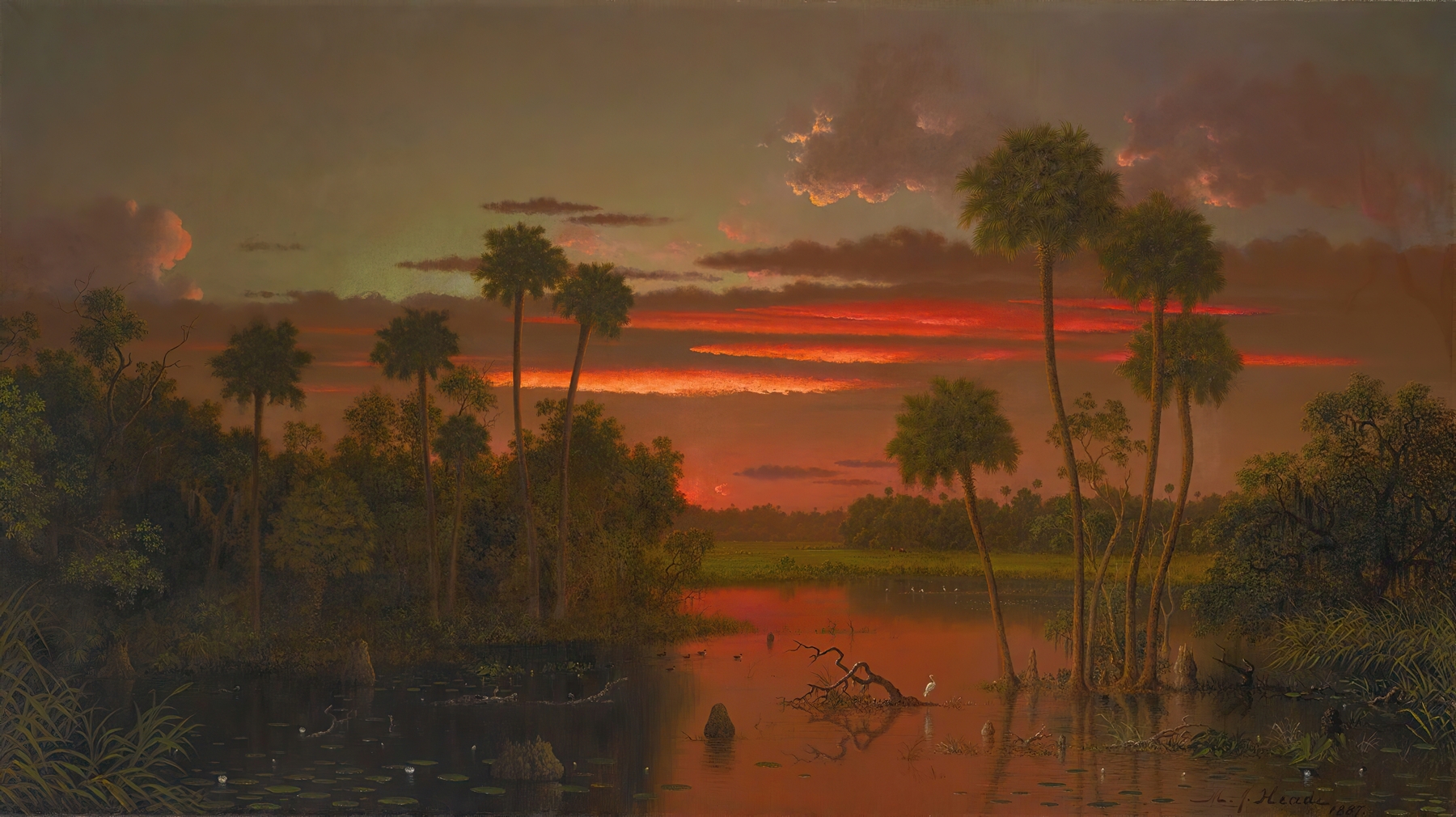
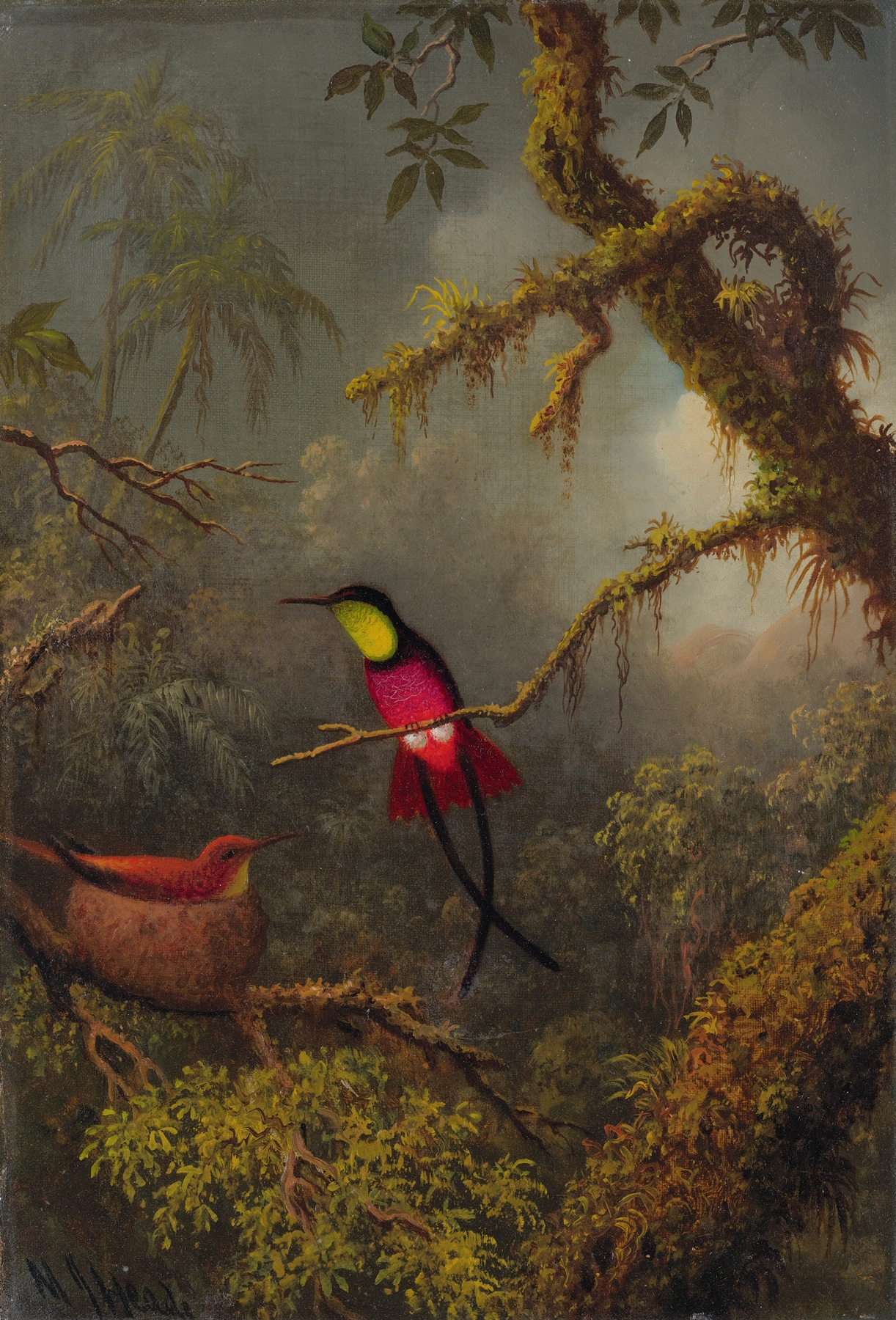
Is this a mirror — or a memory? In Tropical Greenery, the lush foliage and vibrant hues invite us into a world both fertile and haunting, where the weight of beauty feels palpable yet elusive. Look to the center, where the deep greens of the leaves appear almost alive, glistening with the freshness of dew. Notice how the light filters through the dense canopy, casting gentle shadows that play across the composition. The artist employs rich, saturated colors that contrast sharply with the serene blues of the distant sky, drawing your gaze toward the horizon, where the canopy thins and the landscape opens up to suggest an infinite expanse.
Each brushstroke seems to evoke movement, as if the leaves are whispering secrets of the tropics. Within this lush setting, tension arises between abundance and emptiness, echoing the duality of nature itself. The vibrant greens are punctuated by spaces that feel intentionally void, encouraging contemplation of what lies beyond the frame. Each aspect of the landscape, while alive with color, suggests a sense of solitude, reflecting a deeper emotional resonance that lingers long after the first glance.
It is a dance of presence and absence, inviting the viewer to ponder their own place within the natural world. In 1875, Martin Johnson Heade painted Tropical Greenery during a period when American artists were increasingly drawn to the exotic tropics, spurred by exploration and travel narratives. Living in a time of artistic transition, he embraced the beauty of botanical subjects, finding inspiration in the lush environments of South America. This piece exemplifies his fascination with nature, where he melded realism with romanticism, and sought to capture not just landscapes, but the emotional landscapes they evoke.