Tserkov’ Pokrova na Filiakh — History & Analysis
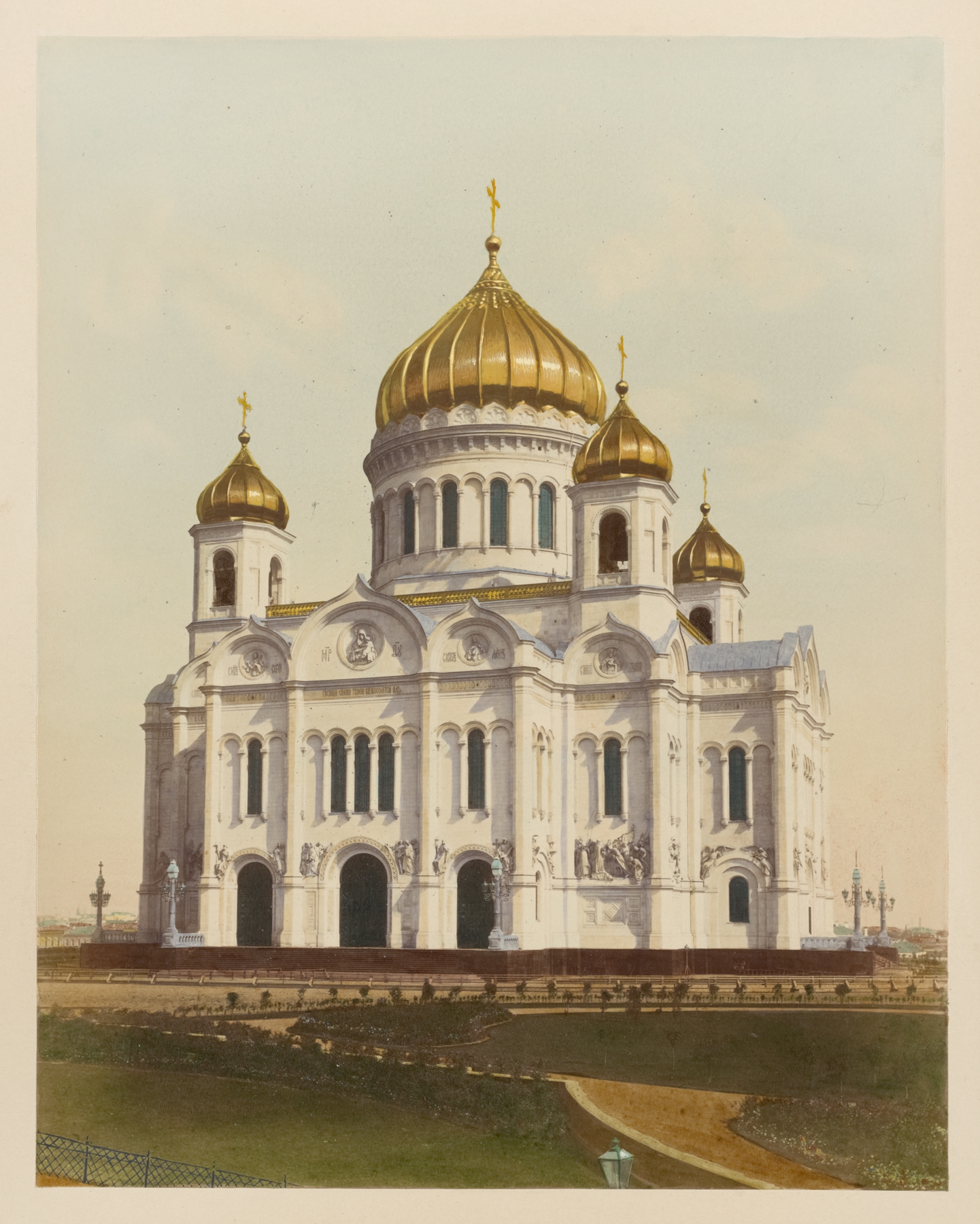
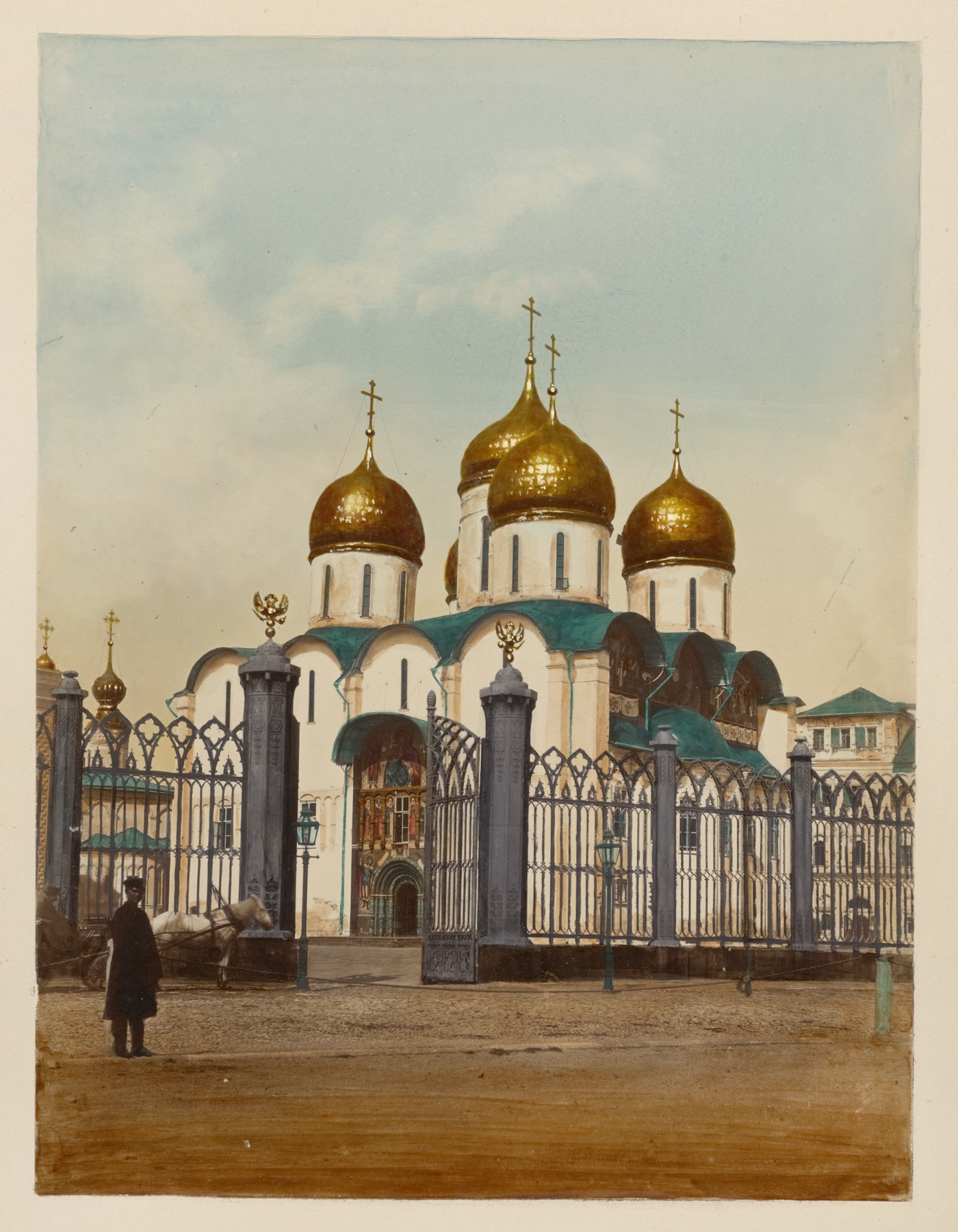
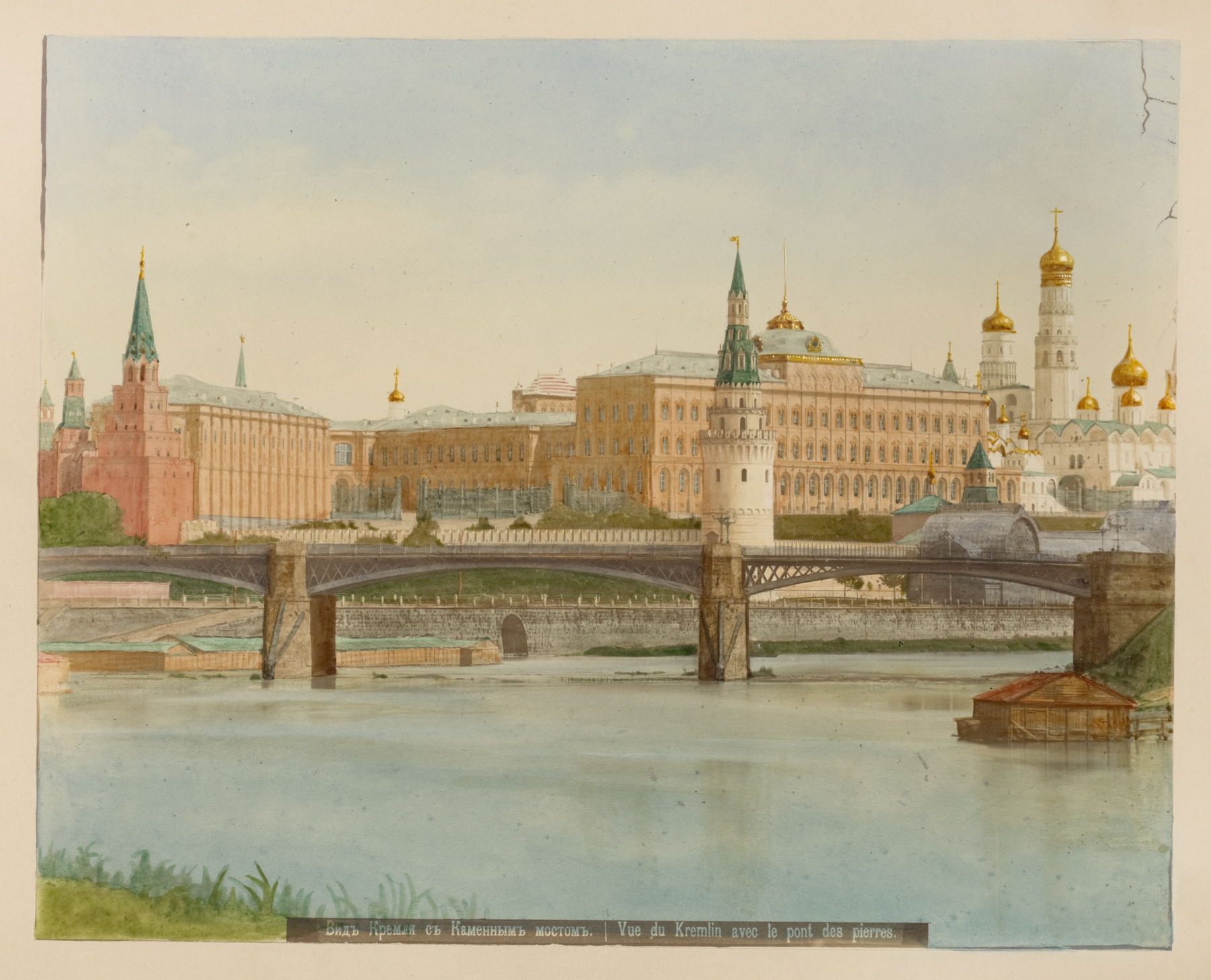
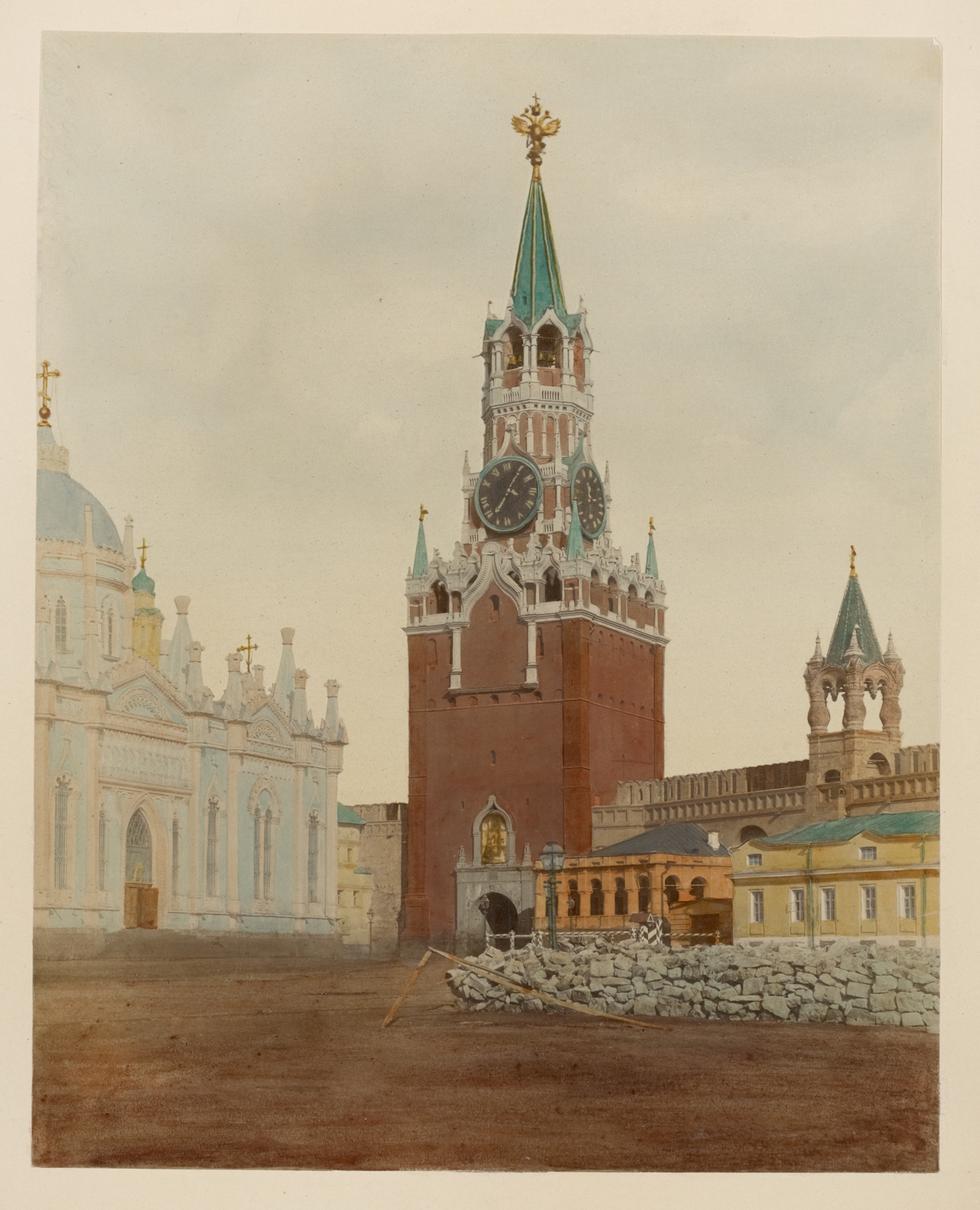
Did the painter know this moment would outlive them? The legacy of a fleeting scene, captured in time, begs us to ponder the permanence of beauty against the backdrop of our ephemeral lives. Focus on the masterful interplay of light and shadow in the foreground, where golden rays illuminate the domes of the church, creating an ethereal glow. Notice how the delicate brushwork renders the textures of the trees swaying gently, inviting the viewer to feel the breezy whispers of the landscape.
The tranquil blue sky, speckled with soft clouds, harmonizes with the warm earth tones, drawing the eye upward, toward the sacred architecture that dominates the composition. Yet, amidst this serene beauty lies an underlying tension. The church, a symbol of faith and continuity, stands resilient against the passage of time, while the sparse figures below—perhaps pilgrims or onlookers—remind us of our fleeting existence. The juxtaposition between the monumental structure and the smallness of humanity evokes a profound contemplation of legacy, as the brushstrokes seem to breathe life into both the sacred and the ordinary.
Daziaro’s deliberate color palette amplifies this contrast, with the vibrancy of the church's facade offering hope against the muted tones of the earth. In 1880, Tserkov’ Pokrova na Filiakh emerged from Daziaro's studio in Russia, a time when the world of art was undergoing significant transformation. The painter navigated the rise of realism and impressionism, seeking to unite both styles in his work. As Daziaro captured this timeless moment, he also reflected the sociopolitical currents of his time, engaging with themes of faith and permanence in a rapidly changing society.