Étude de forêt — History & Analysis
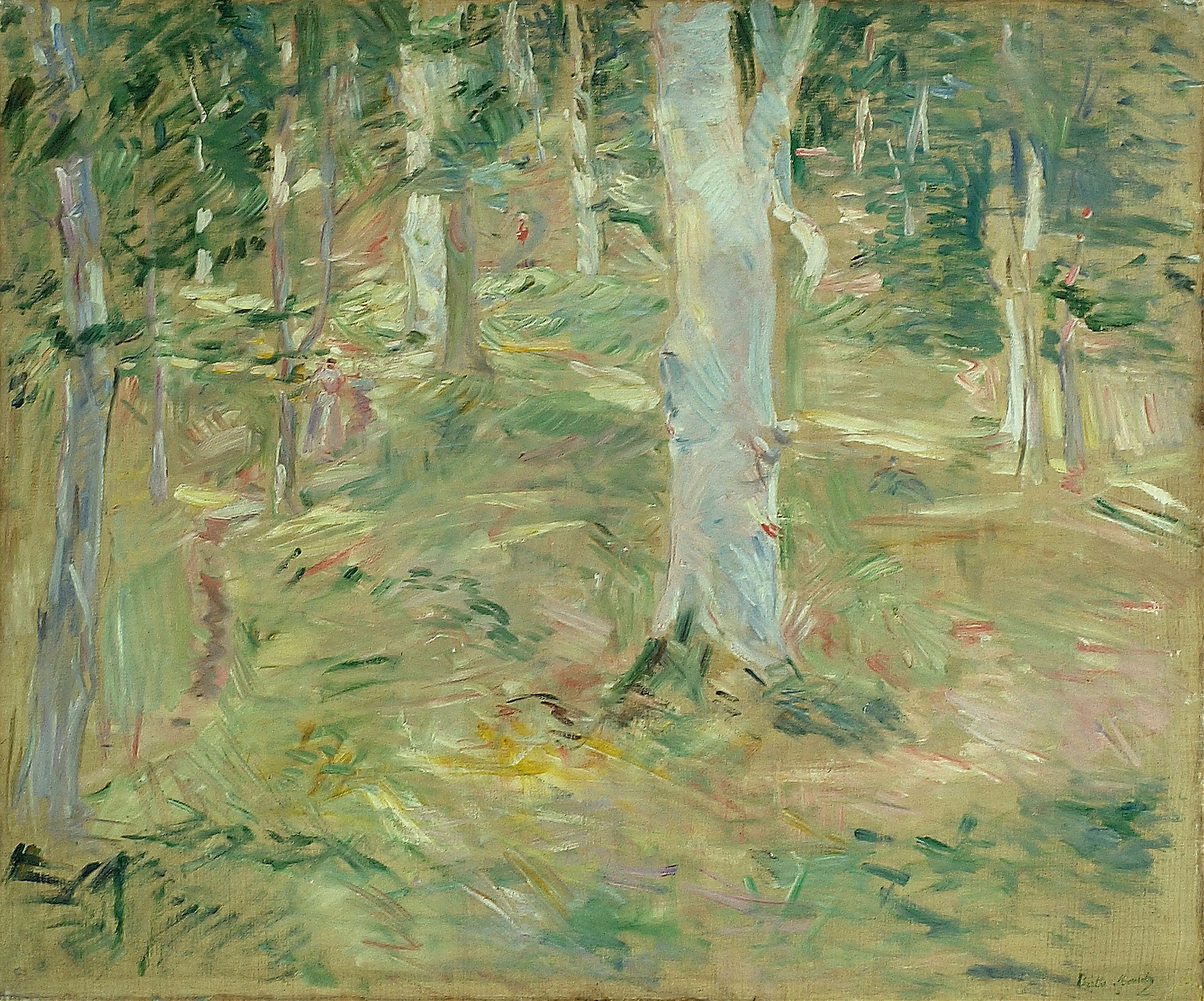
“To paint is to remember what time wants us to forget.” In the delicate strokes of a forest, rebirth emerges from silence and stillness. Look to the center of the canvas, where dappled light filters through a canopy of green. The soft, layered brushwork creates a sense of movement, as if the trees themselves breathe. Notice the variations in hue, each shade a whisper of spring's renewal, inviting the viewer to step deeper into the woodland's embrace.
The artist's choice of a muted palette enhances the tenderness of the scene, evoking a quiet yet palpable energy that pulses beneath the surface. Amidst the foliage, the interplay of light and shadow symbolizes the cycles of life and nature's resilience. The gentle juxtaposition of vibrant greens against soft earth tones suggests both growth and stability, hinting at the promise of what lies ahead. Each brushstroke carries an emotional weight, connecting the viewer to the fleeting moments of beauty in the natural world—a reminder that rebirth is a constant, even in the quietest corners of existence.
Berthe Morisot painted Étude de forêt during a time when women were starting to carve out spaces in the male-dominated art world of the late 19th century. Living in Paris, she was an integral figure in the Impressionist movement, immersed in a community that challenged traditional artistic norms. This piece reflects her intimate connection to nature and her innovative approach to color and light, capturing the essence of rebirth that was just beginning to resonate with her contemporaries.