Tuin met pergola op landgoed Marlot Marlot — History & Analysis
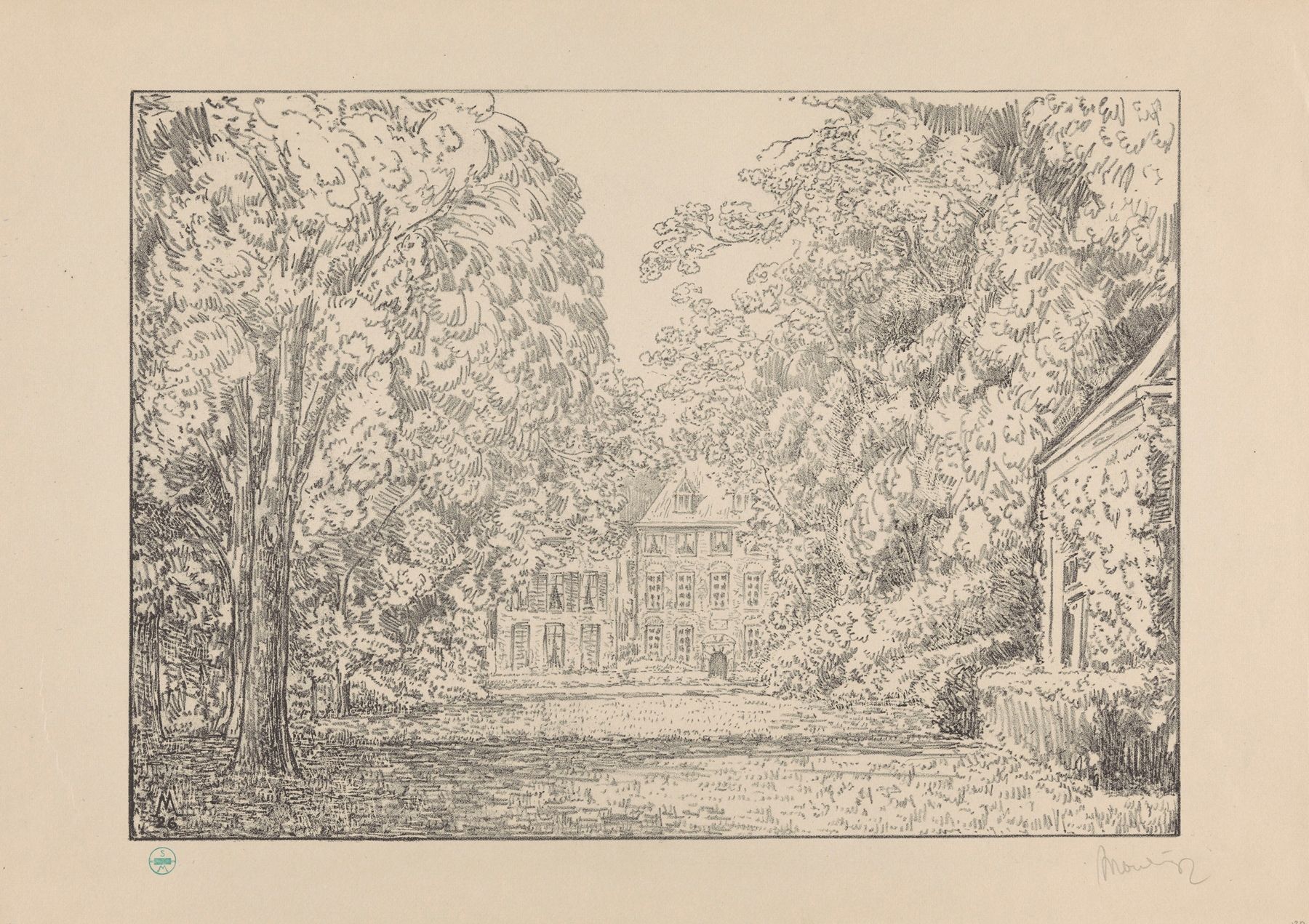
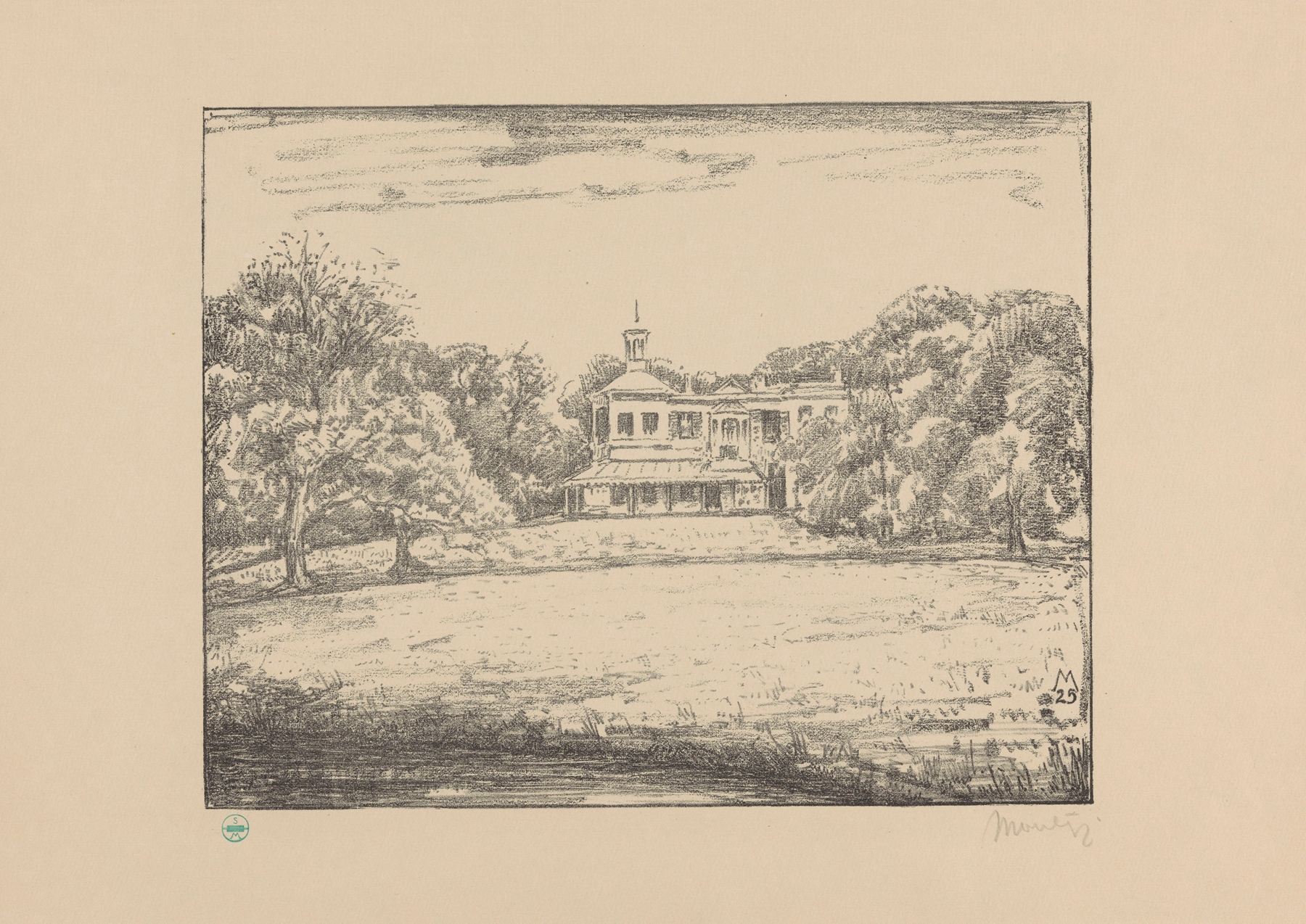
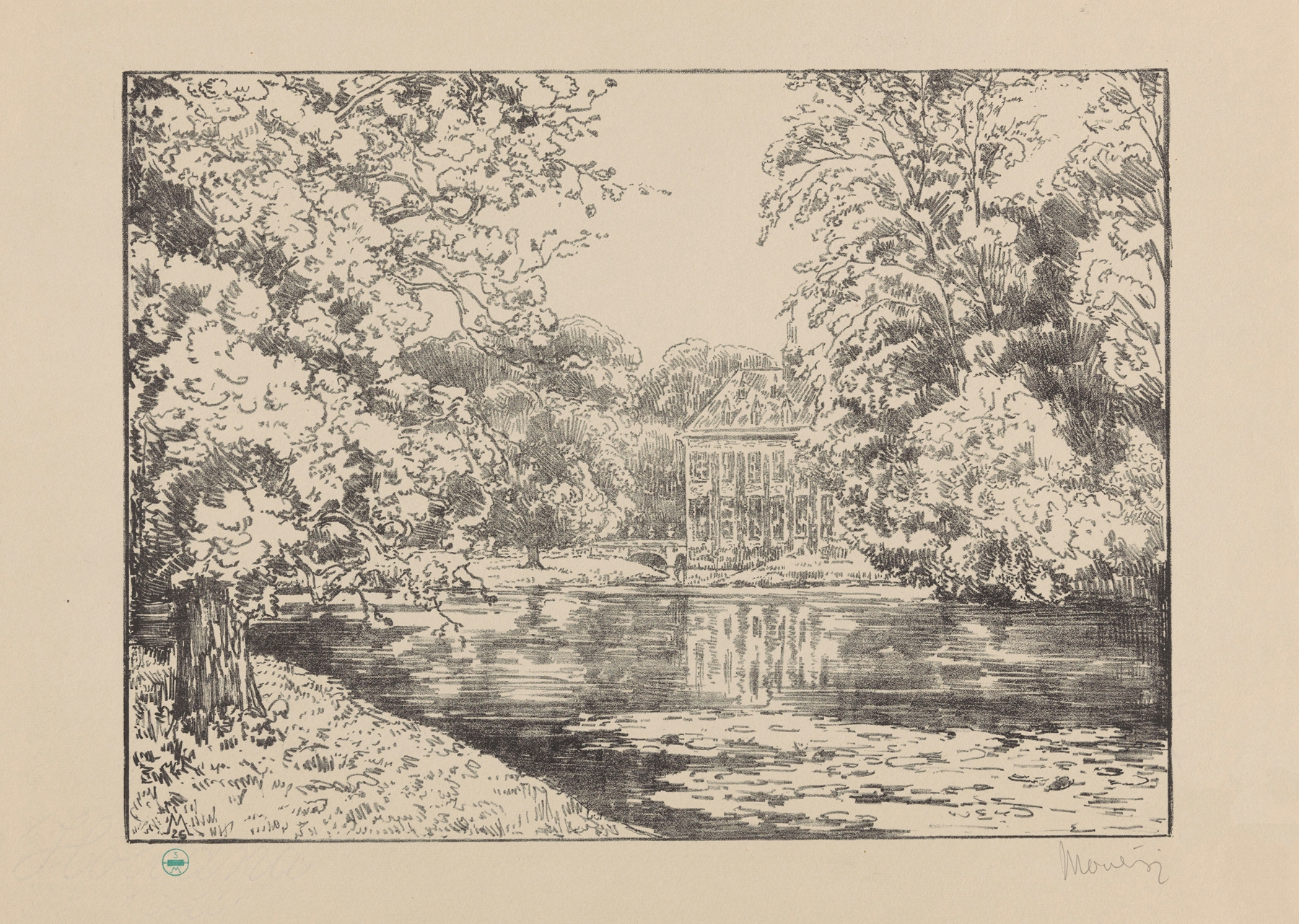
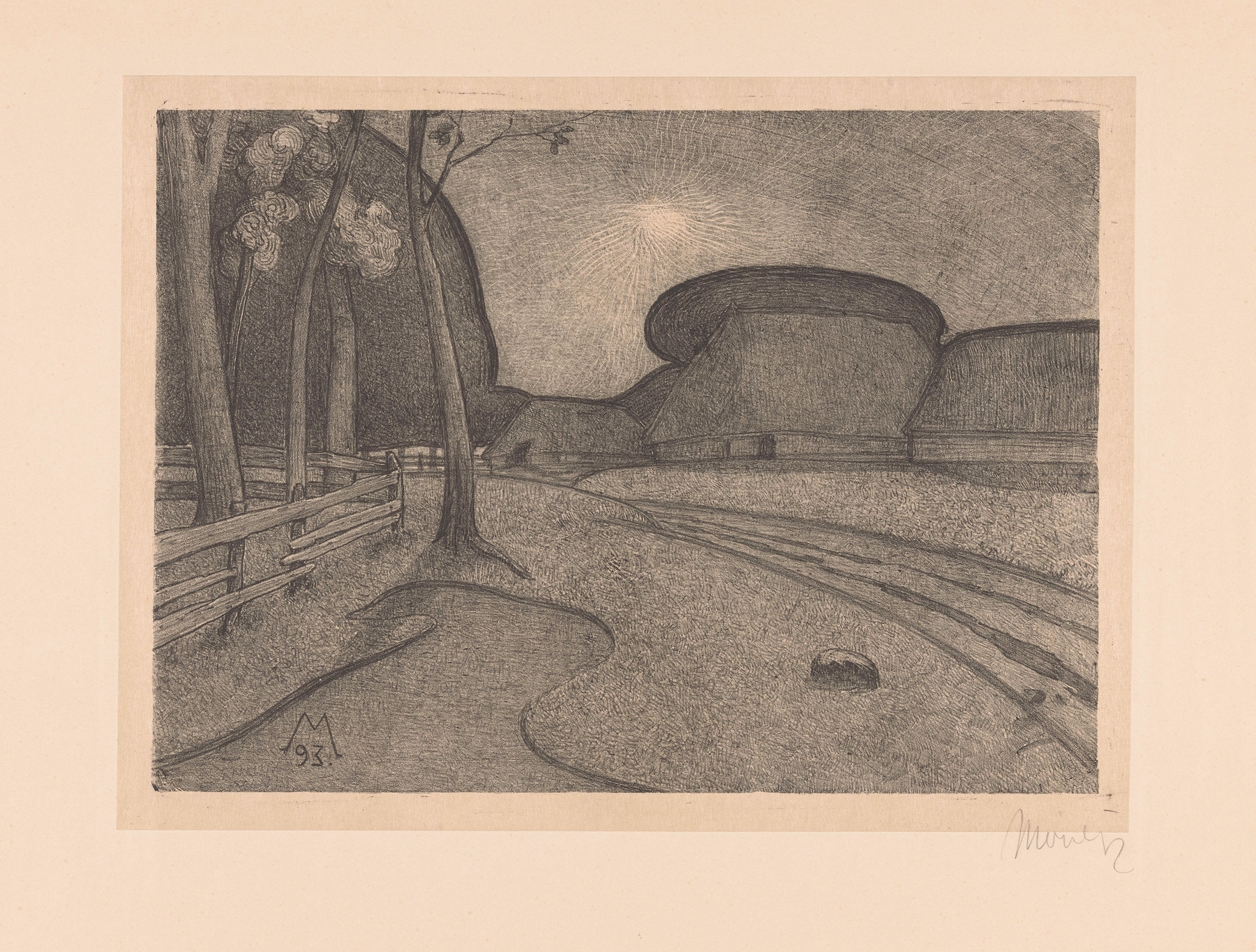
What if beauty was never meant to be finished? This evocative question lingers in the quiet spaces of Simon Moulijn’s Tuin met pergola op landgoed Marlot, inviting viewers to contemplate the ephemeral nature of perfection and the silence that accompanies it. Look to the center of the canvas, where a delicately rendered pergola stands, its elegant lines stretching outward as if yearning to embrace the surrounding landscape. The gentle greens and soft browns create a harmonious palette, while dappled light filters through the foliage, casting intricate patterns on the ground.
Each brushstroke is deliberate, yet free, capturing not just the physical aspects of the garden but also the invisible whispers of tranquility found within it. Here lies a profound contrast between the structured beauty of the pergola and the wildness of nature that surrounds it. The empty spaces in the composition evoke a sense of longing, suggesting that beauty, while captivating, is ultimately fleeting. The absence of human figures amplifies this sentiment, creating a dialogue between solitude and serenity, inviting introspection for those who stand before it.
One might feel the palpable tension between an idealized garden and the reality of an unfinished world. In 1929, Moulijn painted this work during a period of artistic exploration and transition in the Netherlands. The post-World War I era was marked by a renewed interest in nature and landscape painting, as artists sought to articulate the complexities of a changing society. Moulijn, influenced by both Impressionism and the burgeoning modernist movement, embraced this tension in his work, using light and form to reflect deeper emotional narratives within the natural world.