Twee schepen: een ijzeren varken en een waterschip — History & Analysis
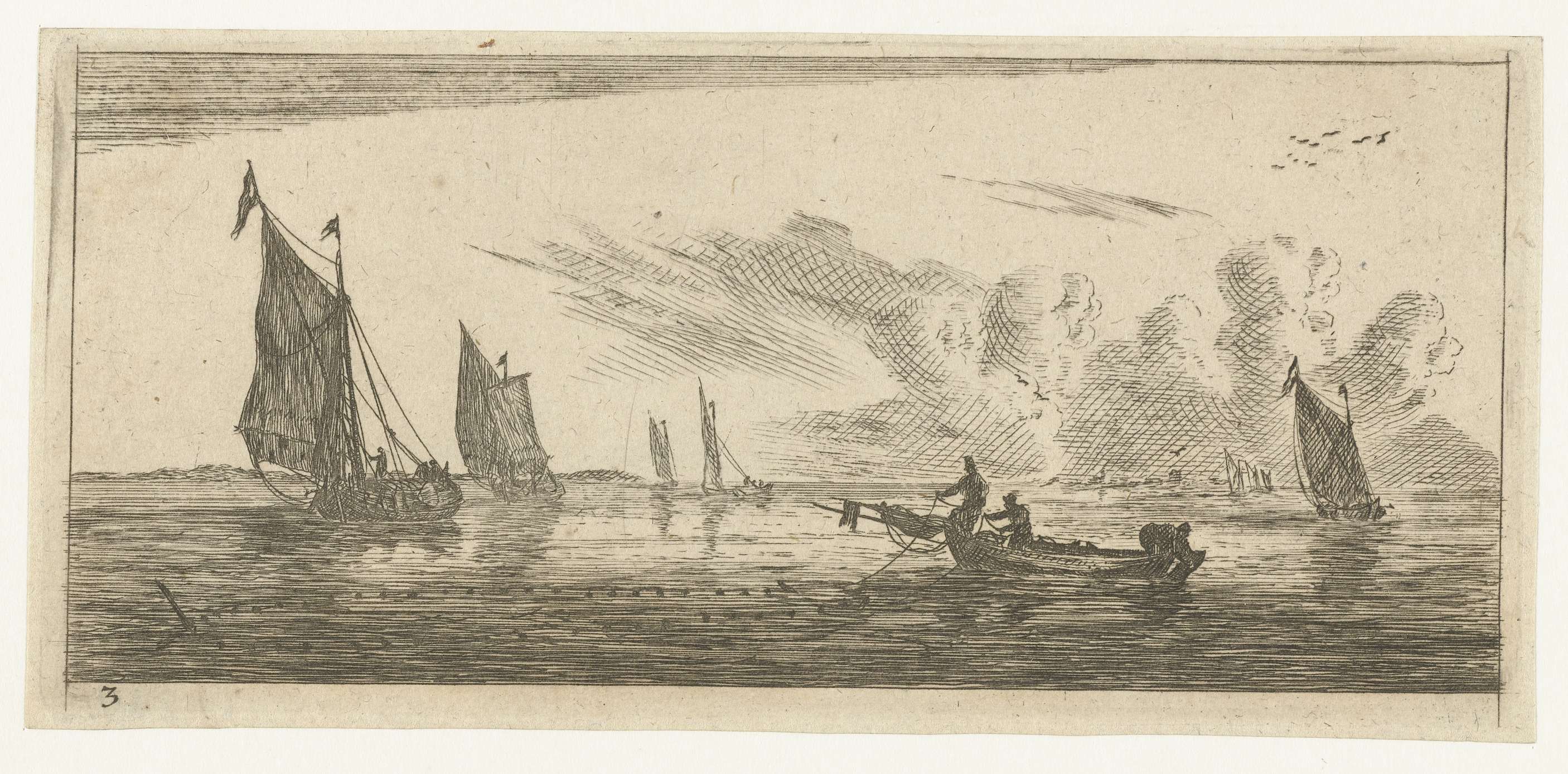
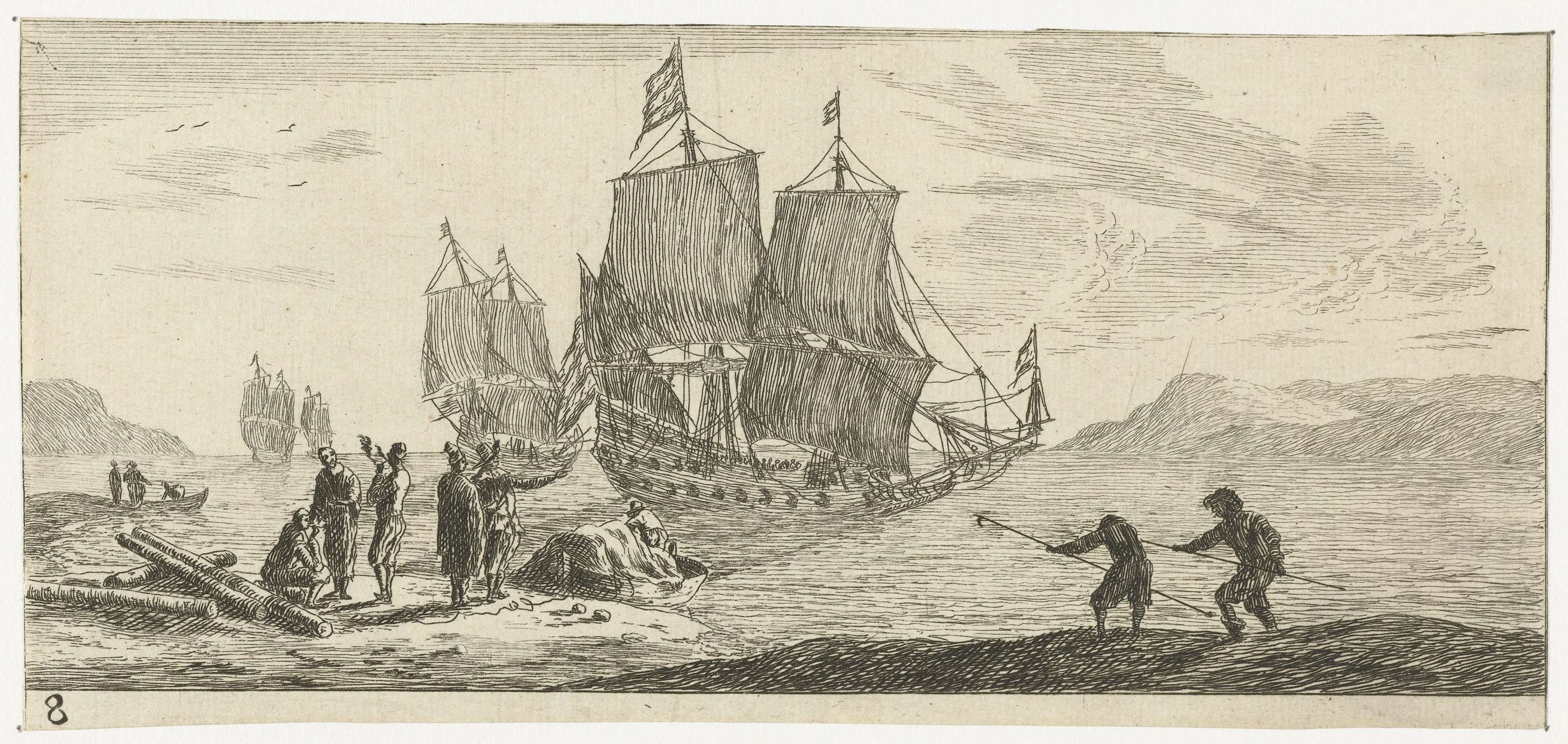
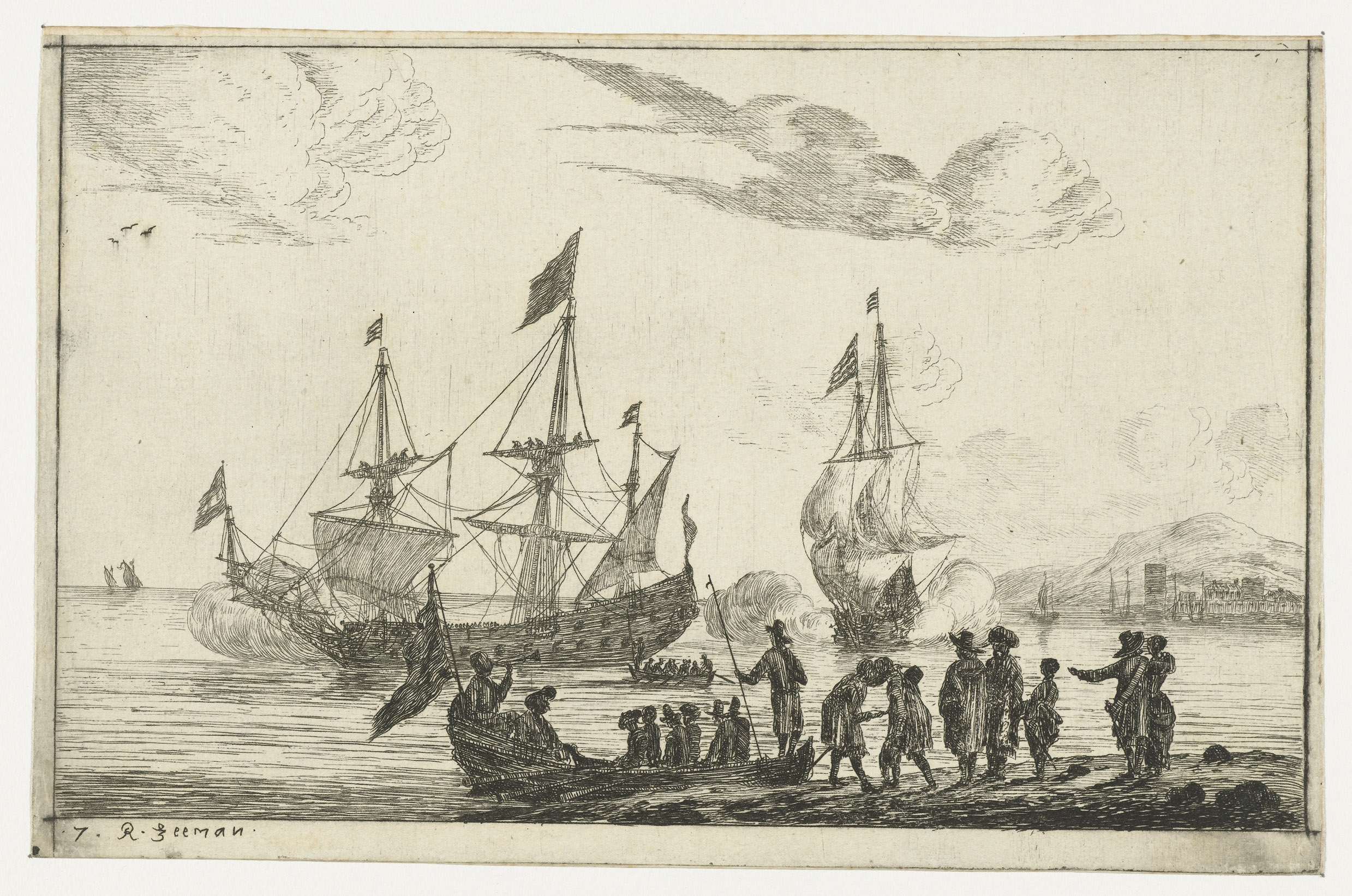
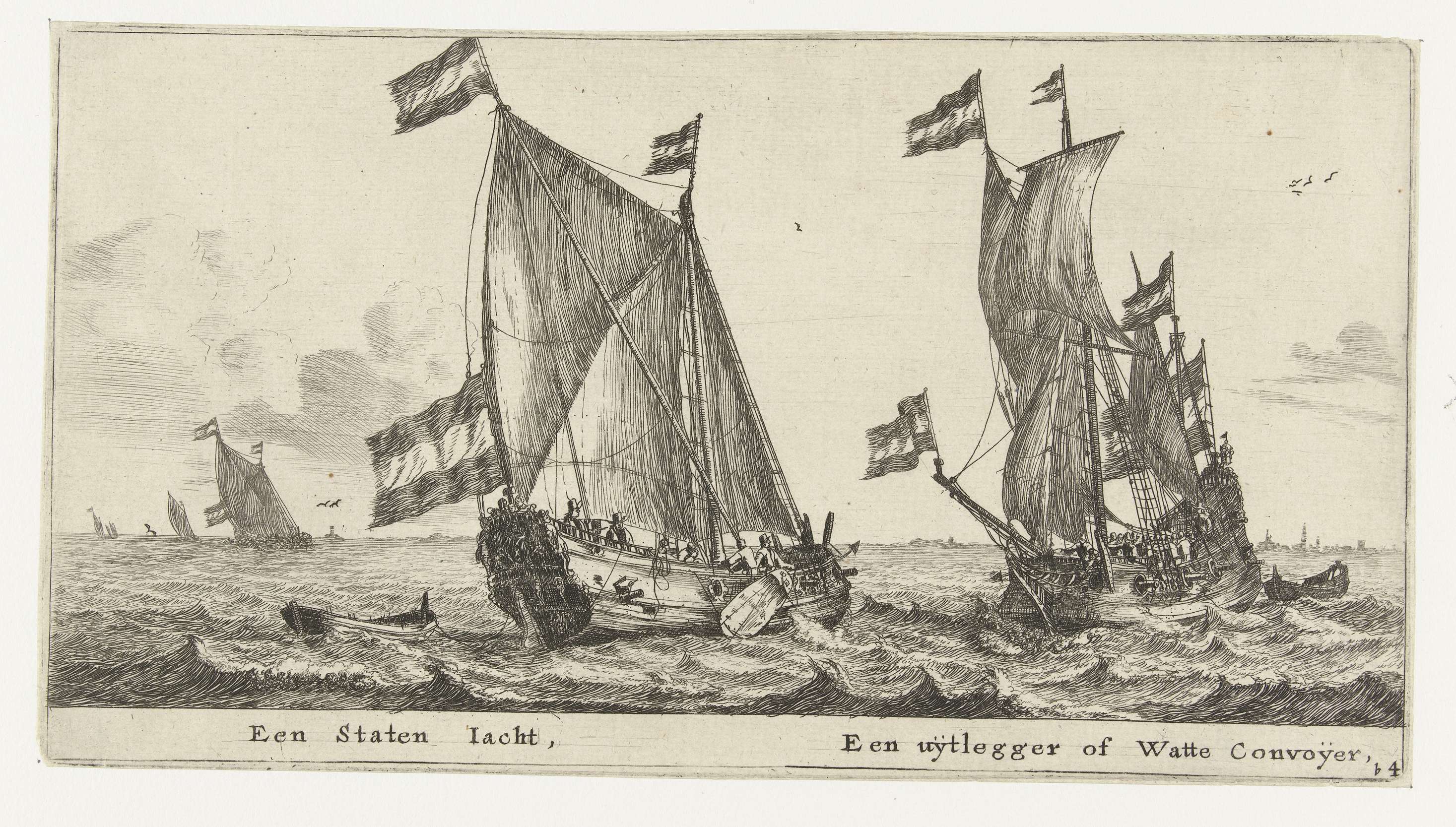
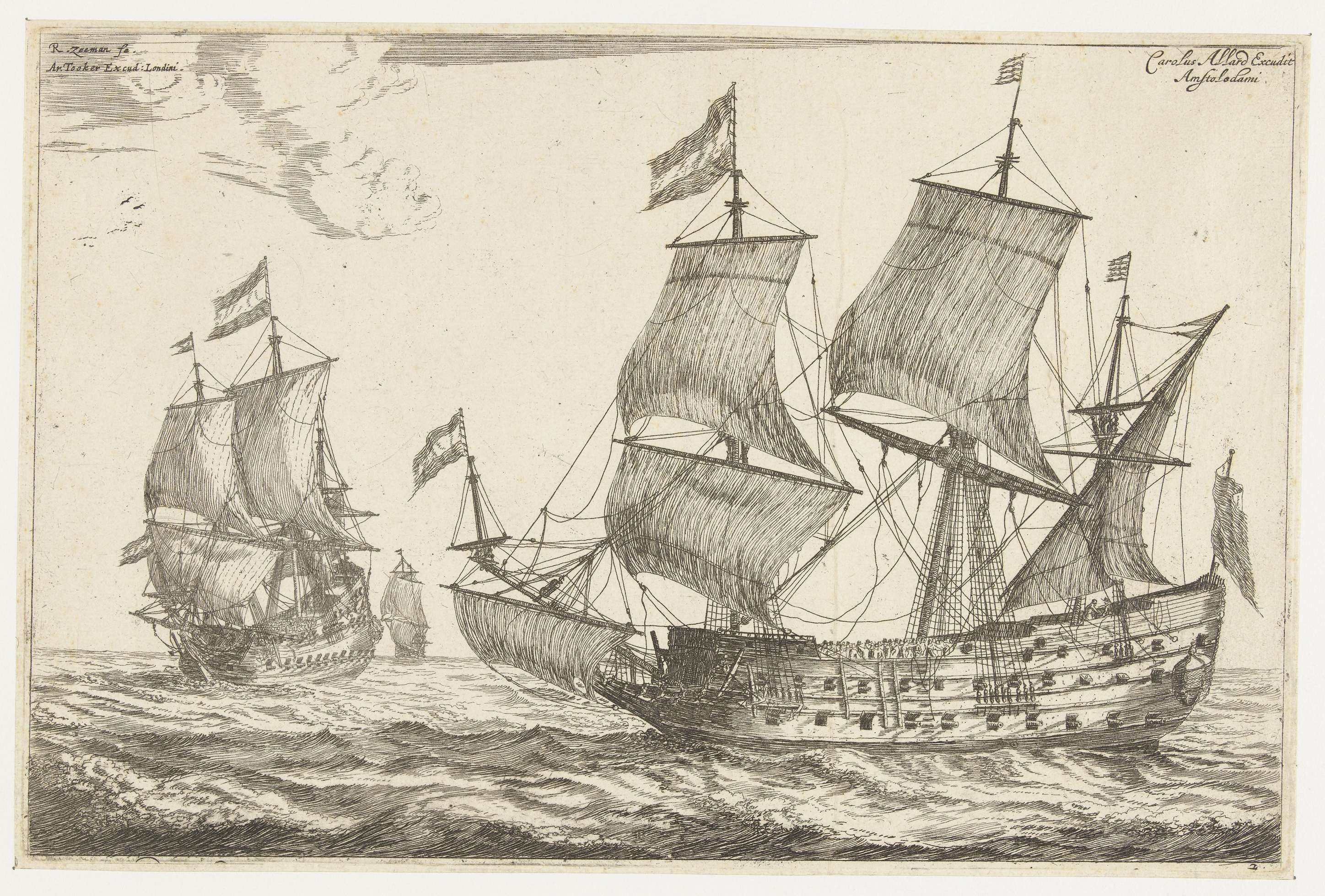
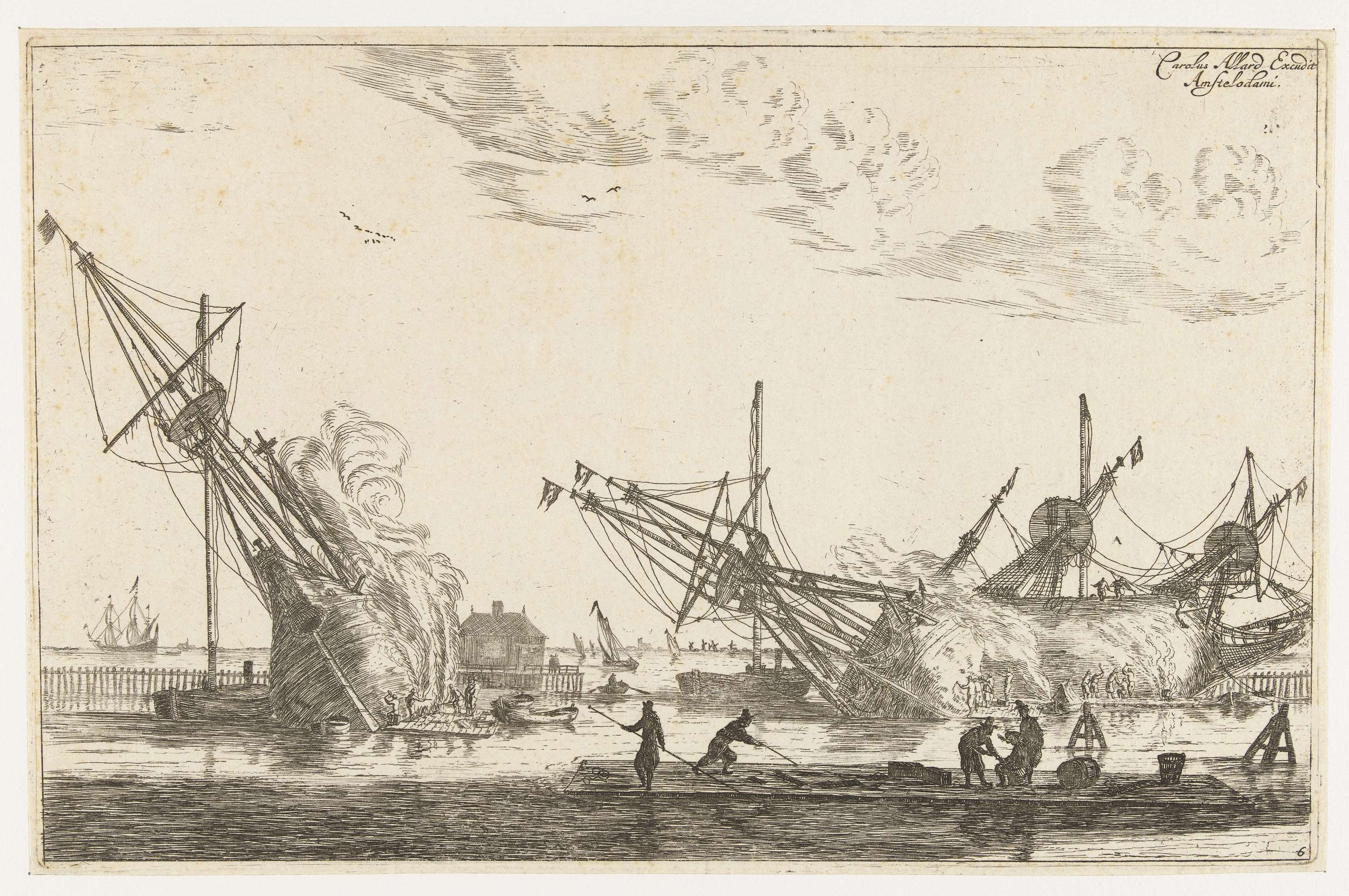
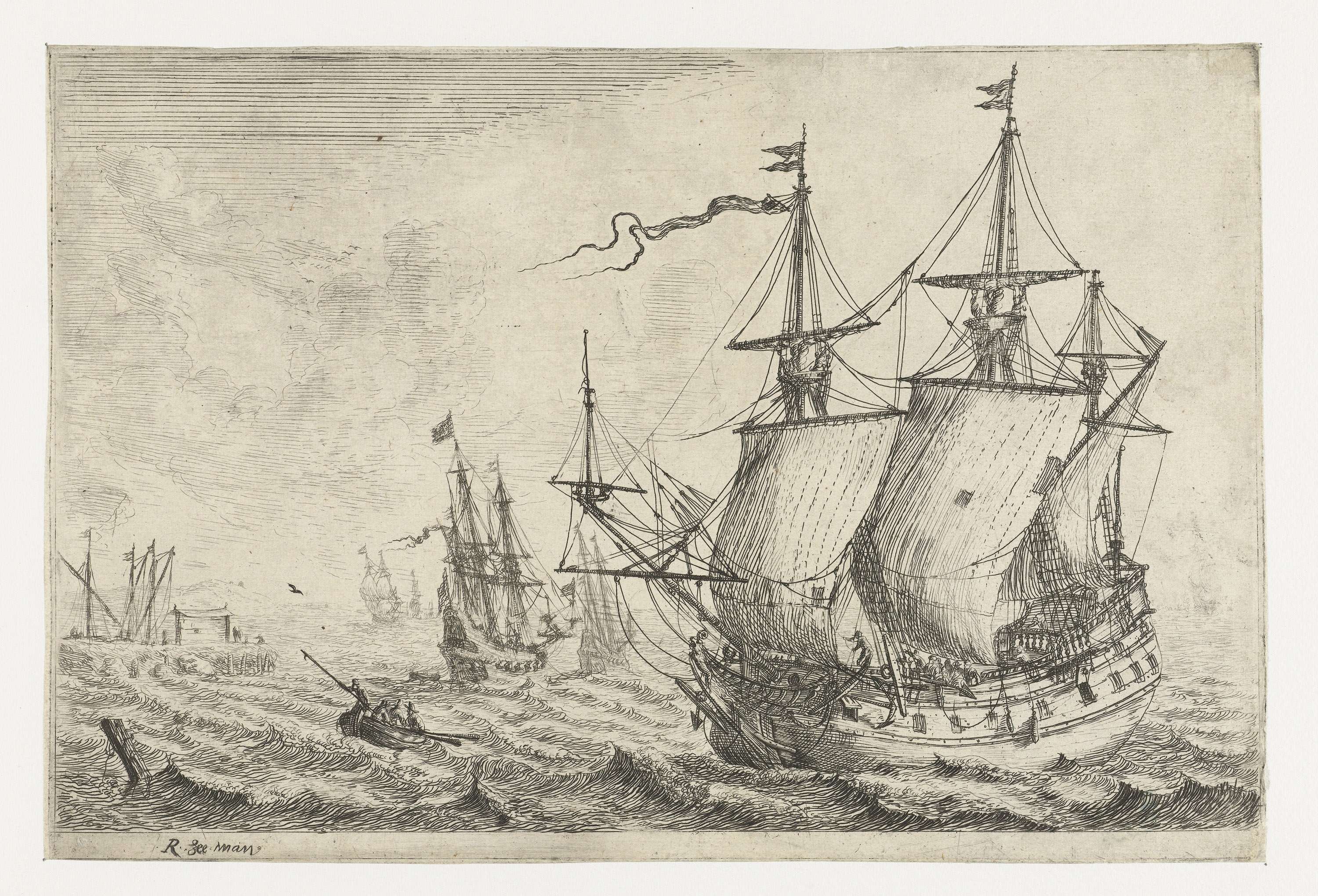
Could beauty survive in a century of chaos? In the serene expanse of Twee schepen: een ijzeren varken en een waterschip, the juxtaposition of maritime vessels invites contemplation, serving as a testament to human desire amid tumultuous times. Look closely at the left side of the canvas, where the iron pig—a symbol of industry—stands stalwart against the backdrop of a gentle sea. The ship, its sails billowing softly, captures the subtle play of light reflecting off the water, while a palette of muted blues and earthy tones grounds the scene in reality.
The careful strokes give depth to the tranquil waves, creating a harmonious balance between nature and man-made creation. The tension between the iron vessel and the flowing water evokes a sense of yearning—an unfulfilled desire for harmony in the face of contrasting forces. This pairing suggests industrial ambition colliding with the delicate beauty of the natural world, highlighting the fragility of human endeavors against the timelessness of nature. The stillness of the moment carries an undertone of anticipation, as if the vessels are poised at the edge of a greater journey.
Reinier Nooms painted this piece between 1652 and 1654 during a period marked by the Dutch Golden Age, an era of significant artistic and economic growth. Situated in Amsterdam, Nooms was immersed in a vibrant artistic community, witnessing the rise of realism and maritime themes that reflected the nation’s burgeoning sea power. His work captures the intersection of innovation and nature, embodying the complexities of a society navigating change.