Uitstorting van de Heilige Geest — History & Analysis
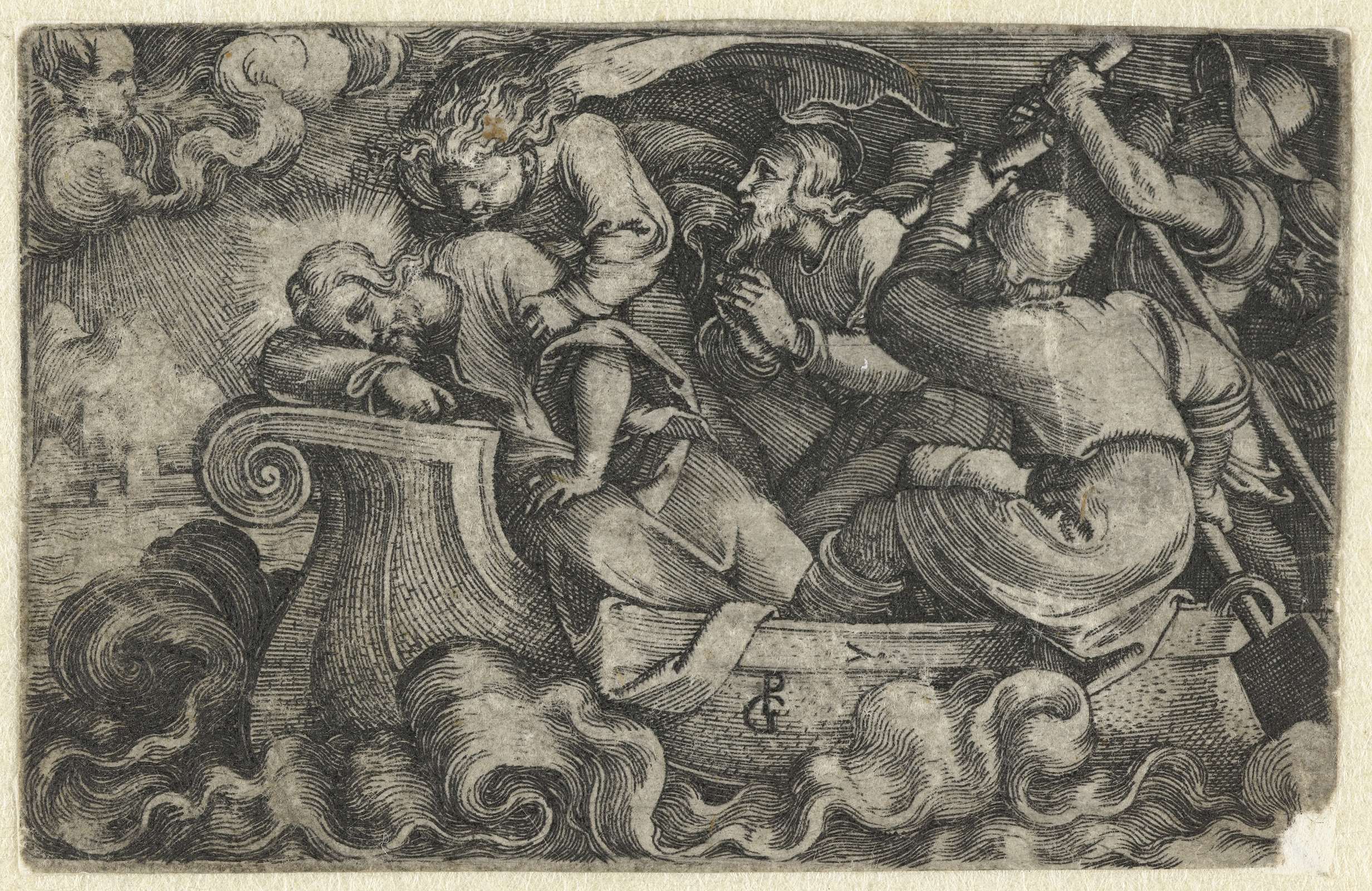
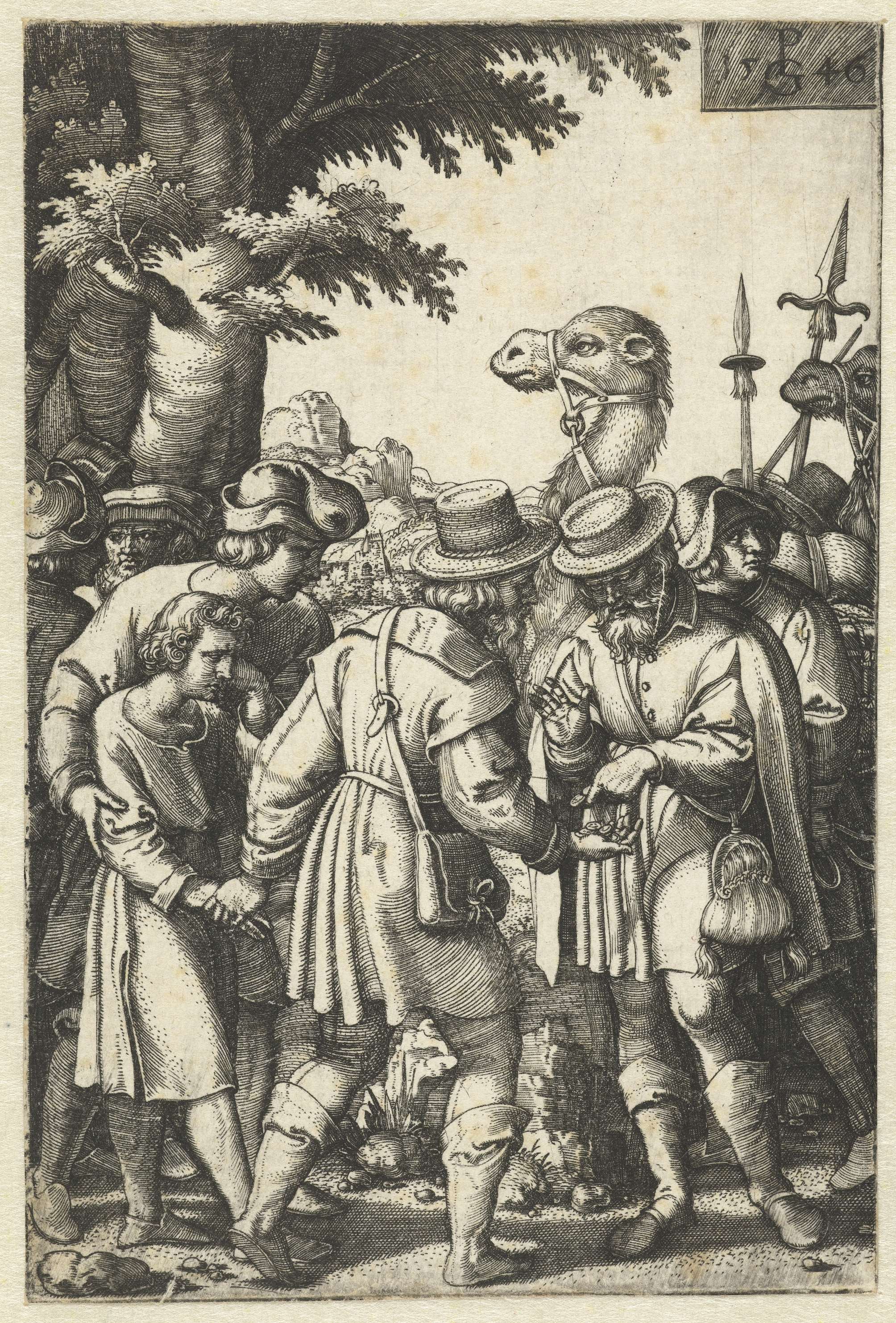
What secret hides in the quiet of the canvas? In a world of vibrant tumult, it is the stillness that whispers the loudest truths, urging us to look deeper into the heart of memory. Look to the center, where the Holy Spirit descends in a radiant burst of light, illuminating the figures below. Notice how the golden rays cut through the somber tones of the gathering, casting a celestial glow that bathes each face in an otherworldly softness. The muted colors of deep blues and earthy browns ground the scene, creating a striking contrast that heightens the ethereal quality of the divine presence above.
This delicate balance of light and shadow not only draws our gaze to the pivotal moment of revelation but encapsulates the tension between the celestial and the human experience. As our eyes wander, we can sense the emotional weight carried by the gathered figures. Each expression is a study in introspection, revealing a tapestry of faith, doubt, and hope. The positioning of their bodies hints at a collective anticipation, yet subtle gestures—an upward glance, a clasped hand, a furrowed brow—suggest an unvoiced struggle with the unknown.
Through such intricate detailing, the artist captures not just a moment of divine intervention, but also the nostalgic yearning for connection and understanding that transcends the centuries. Georg Pencz painted this remarkable piece between 1534 and 1535, during a time when the Reformation was reshaping the landscape of European art and faith. Working in Nuremberg, Pencz found himself at the crossroads of traditional religious themes and burgeoning humanist ideals. The work reflects both the spiritual fervor of his era and a growing desire for personal interpretation of the sacred, positioning him as a pivotal figure in the transition of artistic expression in the Renaissance.