Un Jardin À Trouville — History & Analysis
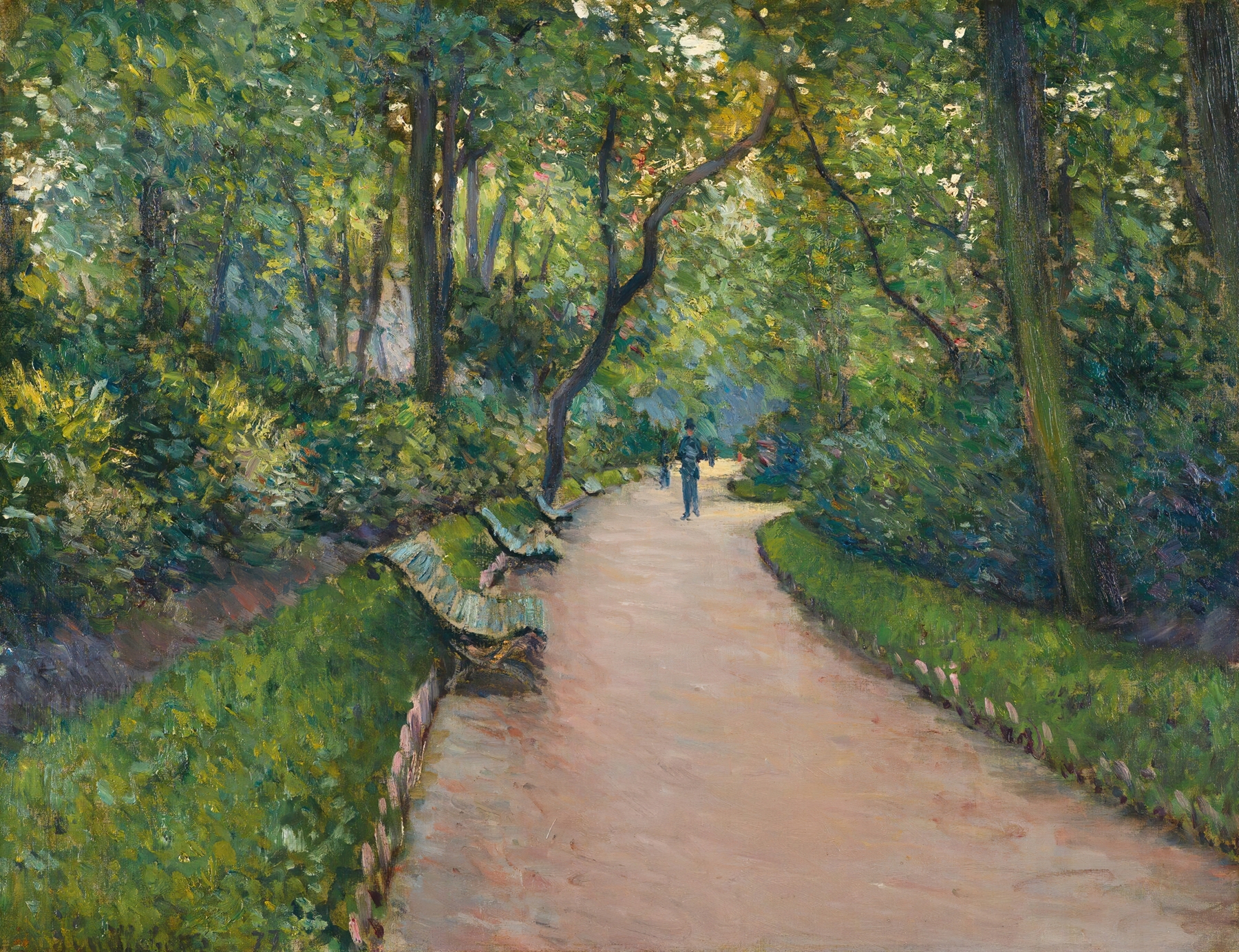
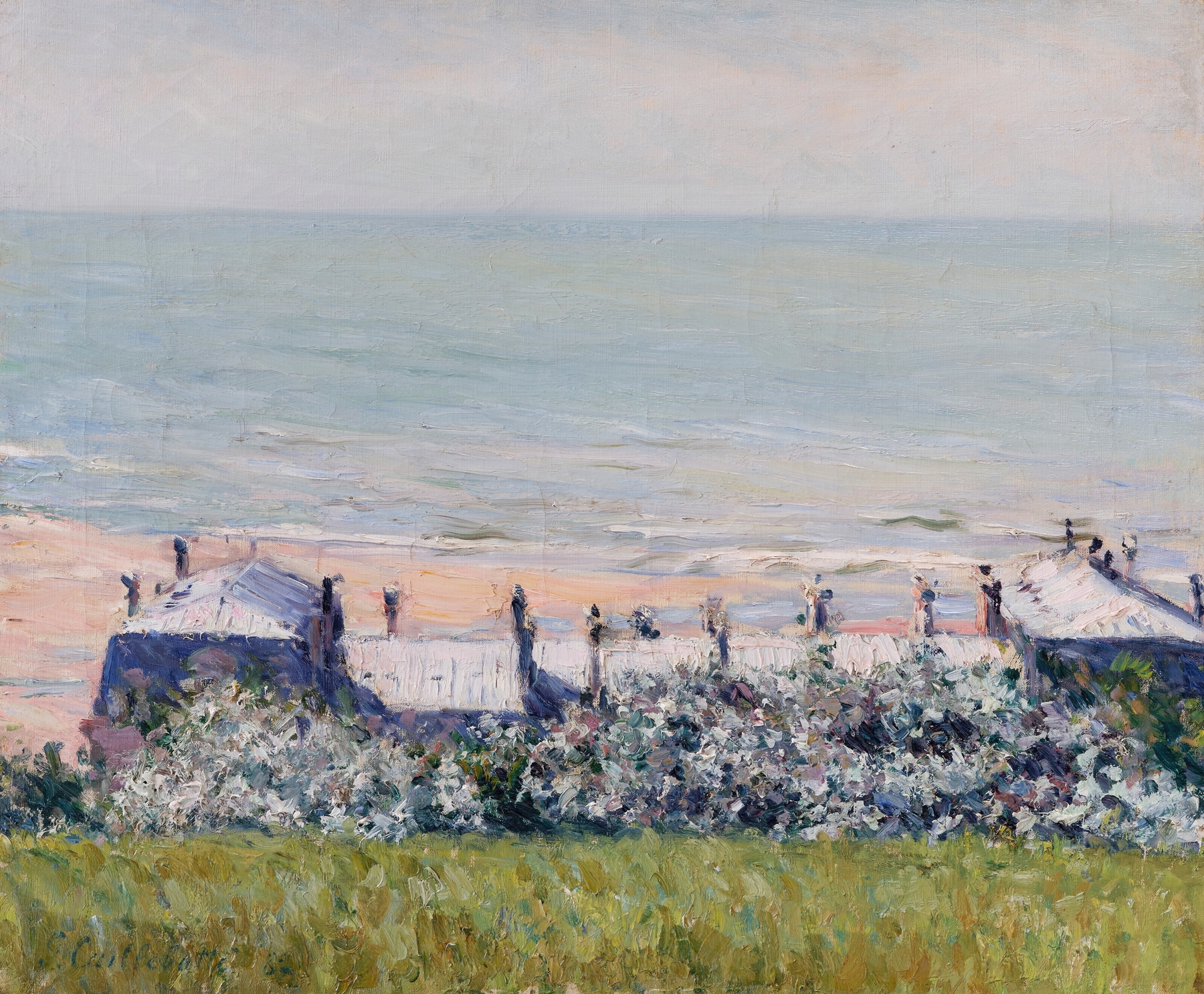
“Every brushstroke is a heartbeat remembered.” In Un Jardin À Trouville, the ephemeral beauty of a garden teeters on the brink of decay, echoing the fleeting nature of life itself. It is a space where vibrant colors and tender moments converge, yet an undercurrent of melancholy whispers through the foliage. Look to the center of the canvas, where a lush array of greens and yellows blooms with vitality. The energetic strokes capture the intricacies of the leaves, each one a testament to nature's artistry.
Notice how the light dances upon the petals, illuminating the scene while casting shadows that hint at the passage of time. The composition invites the eye to wander, revealing the delicate balance between life and the inevitable decline that shadows it. Amidst the vitality, certain details suggest an impending decay—perhaps the wilting petals or the unevenness of the garden path. These subtle contrasts evoke a tension between beauty and transience, as if the viewer is caught in a moment of nostalgic reflection.
The colors, though radiant, carry a heaviness, compelling one to ponder the fragility of human experience and the cycle of growth and decay. In 1882, amidst the vibrant artistic milieu of Paris, Gustave Caillebotte painted this piece while navigating his burgeoning career in the Impressionist movement. At this time, he was deeply engaged in exploring the interplay of light and form, reflecting the changes sweeping through both society and art. The garden, a symbol of domestic life, resonated with his personal experiences and the broader themes of modernity, grounding the ephemeral in the tangible world around him.