Un Moulin À Zaandam — History & Analysis
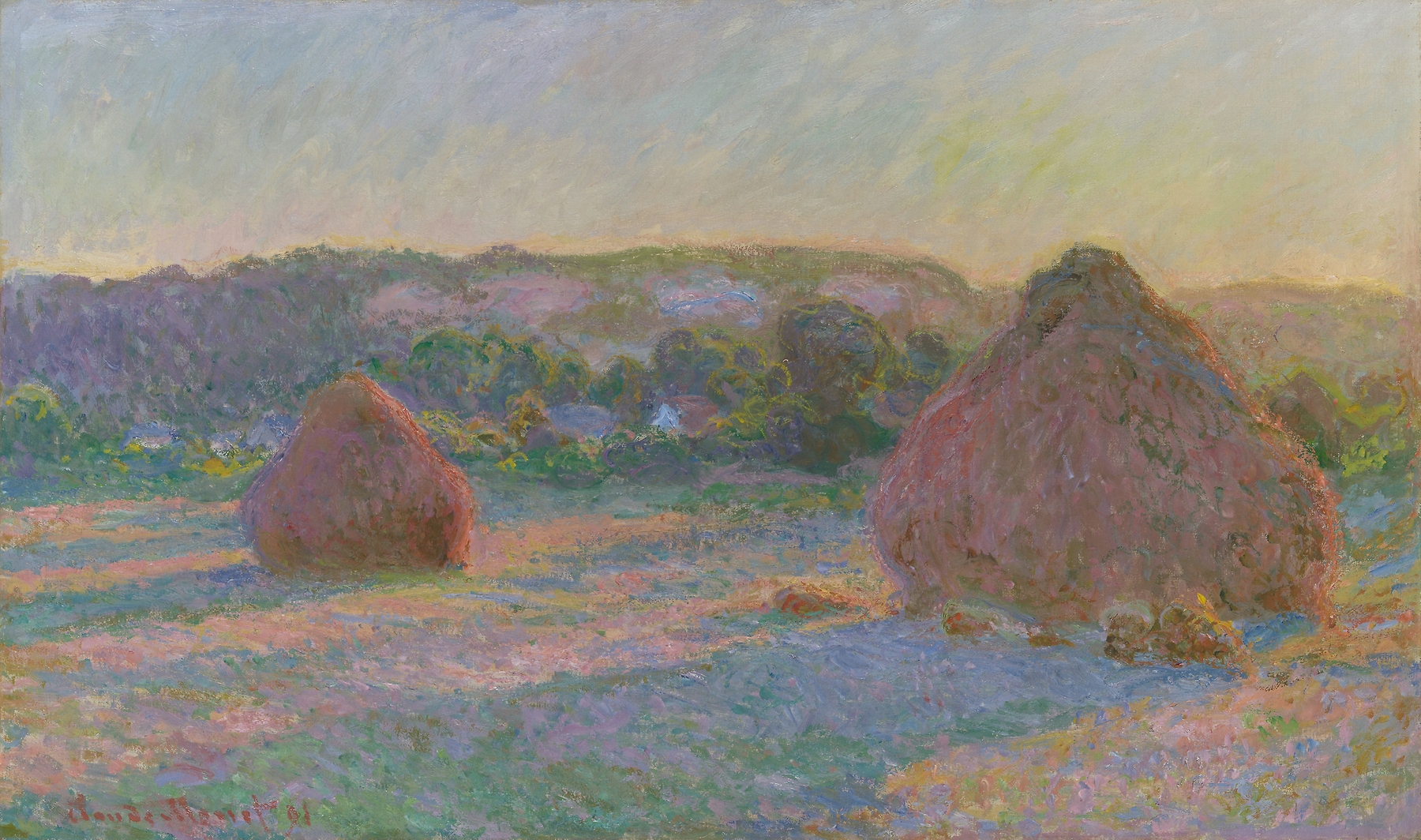
“To paint is to remember what time wants us to forget.” In Un Moulin À Zaandam, the essence of yearning is captured in the gentle dance of light across the landscape, a poignant reminder of fleeting moments that slip through our fingers like sand. Look to the foreground where the vibrant green fields cradle the weathered windmill, its blades reaching skyward as if yearning for the very wind that sustains it. Notice how the soft brushstrokes harmonize with shades of earthy brown and lush greenery, each stroke breathing life into the scene. The palette is rich yet tender, with the cobalt blue sky providing a perfect backdrop, allowing every element to resonate with a vivid clarity that invites you in.
Amidst the tranquility, contrasts emerge. The stillness of the water reflects the delicate brushwork, creating a conversation between the serene and the dynamic. The passage of time is palpable here, articulated through the wispy clouds and the shadows playing on the ground. There exists a subtle tension between the permanence of the mill and the ephemeral nature of the landscape, echoing a sense of nostalgia that permeates the painting.
Created in 1871 while Monet was in Zaandam, this piece reflects a transitional moment in his life. Having recently departed from a tumultuous relationship, he was immersing himself in the landscape painting genre, pushing the boundaries of impressionism. As he captured this rural scene, the world of art was on the brink of transformation, with new perspectives emerging against the backdrop of industrial change.