Valley Road — History & Analysis
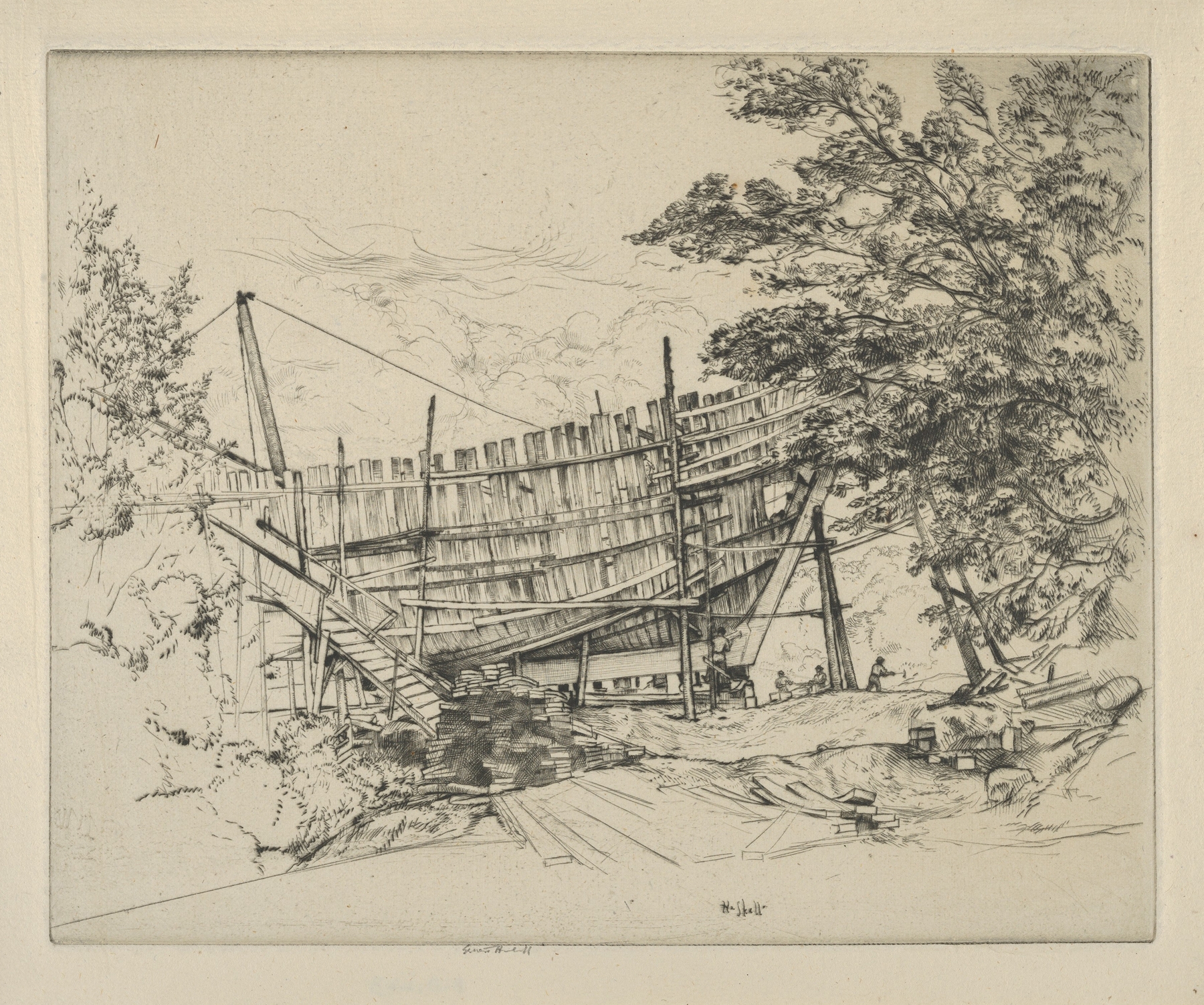
What if silence could speak through light? In Valley Road, that silence resonates with the obsessive beauty of nature, reflecting a moment where time stands still. Look to the left at the dappled light filtering through the trees, casting gentle shadows on the winding path. The earthy hues of green and brown envelop the scene, underscoring the tranquility that permeates the air. Notice the intricate brushwork that defines the foliage—each stroke a deliberate choice that invites the viewer to linger.
The contrast between the light and shadow draws the eye deeper into the composition, suggesting a journey both physical and introspective. Hidden within this serene landscape lies a tension between solitude and connection. The winding road, inviting yet uncertain, mirrors the path of obsession—a pursuit that draws one into the depths of one’s thoughts. The lush backdrop contrasts with the emptiness of the road, evoking a sense of longing that extends beyond the frame.
Each detail, from the rustle of leaves to the stillness of the air, hints at the weight of silence, capturing a fleeting moment of reflection. During the early 1900s, when Valley Road was painted, Haskell was exploring the boundaries of impressionism and realism. Working primarily in New England, he was captivated by the natural world, often reflecting on themes of isolation and introspection. This period marked a shift in artistic expression as artists sought to capture the ephemeral qualities of light and emotion, echoing the broader transitions occurring in the art world at the time.