Veduta dell’avanzo dell’Anfiteatro Castranse — History & Analysis
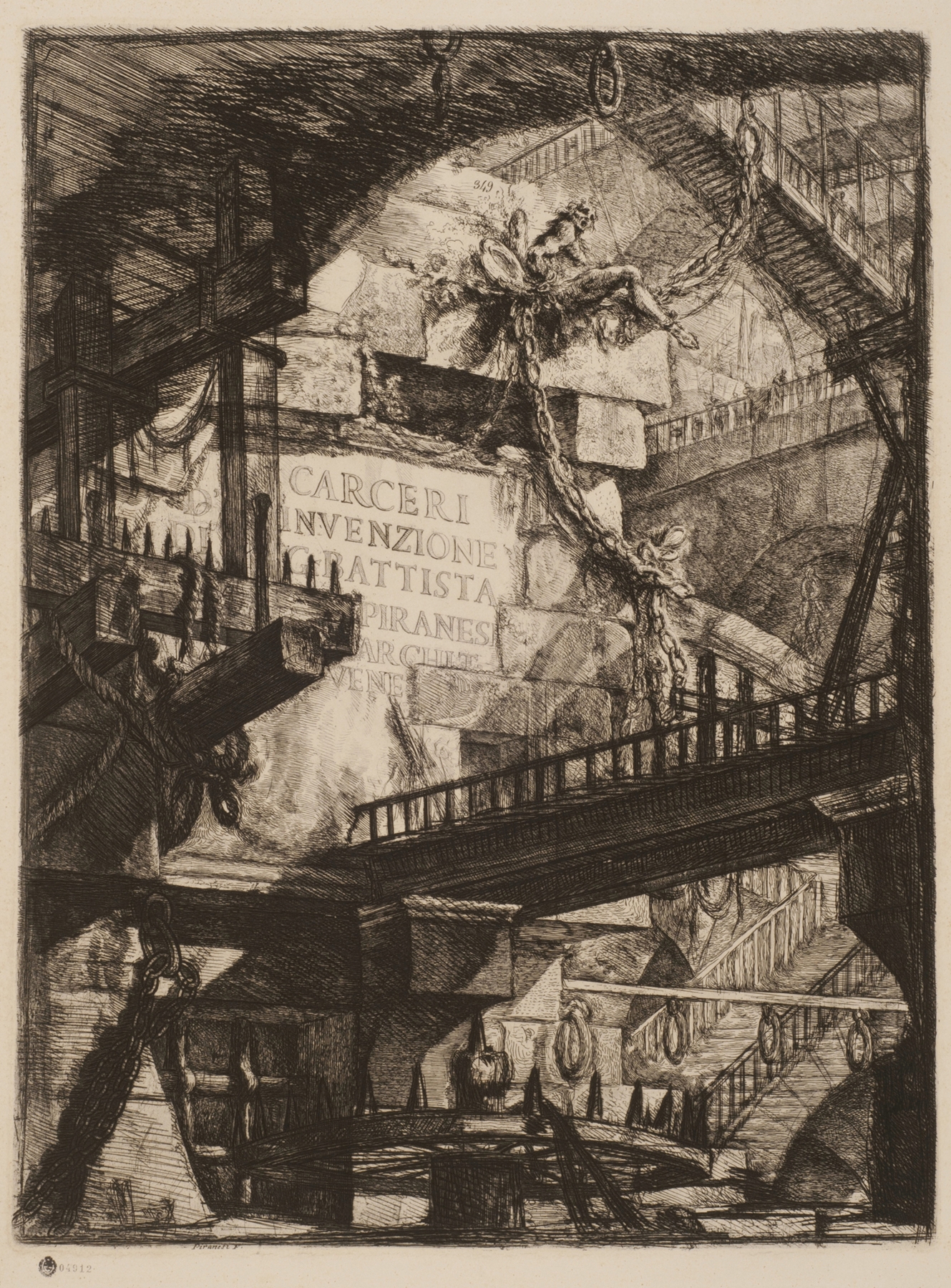
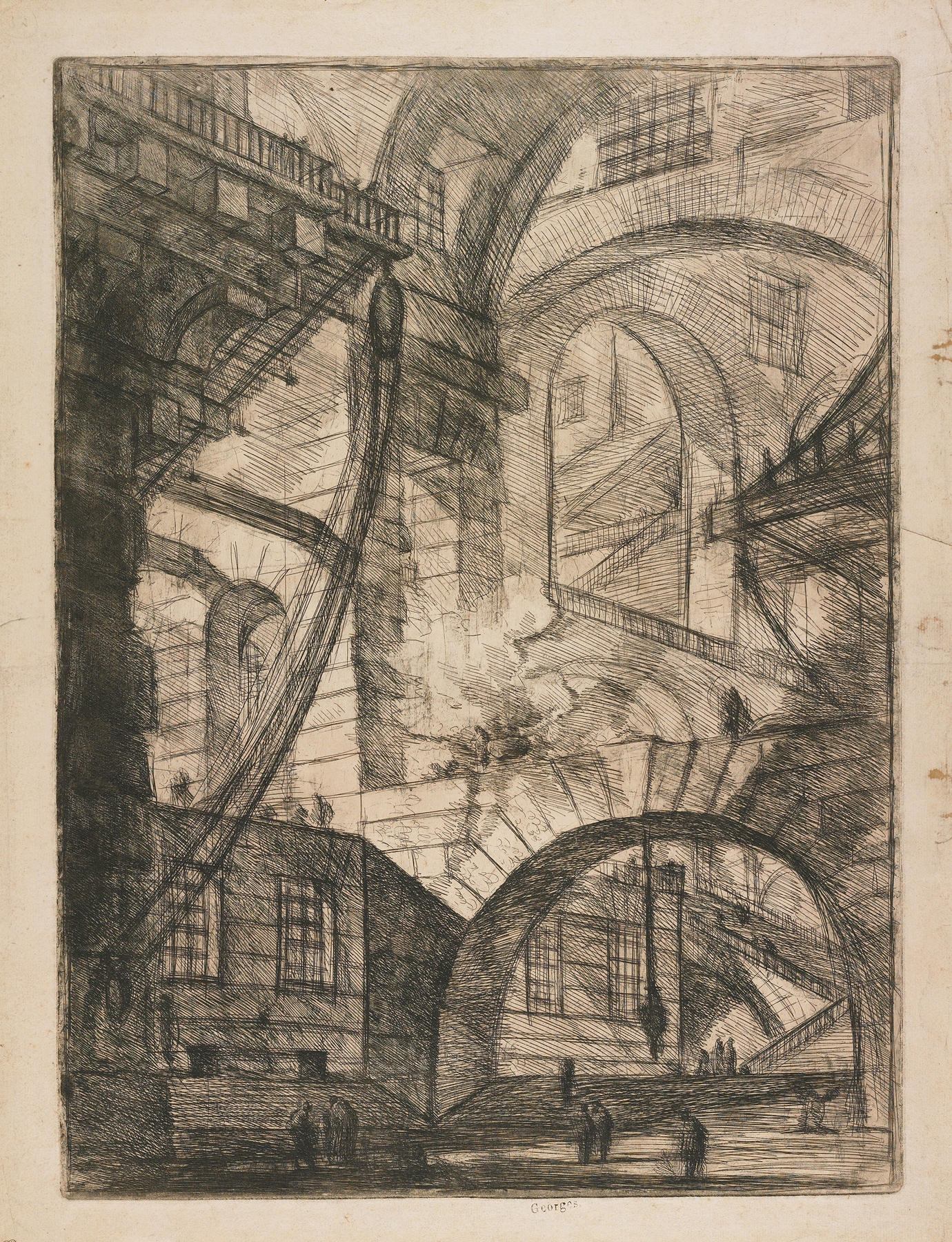
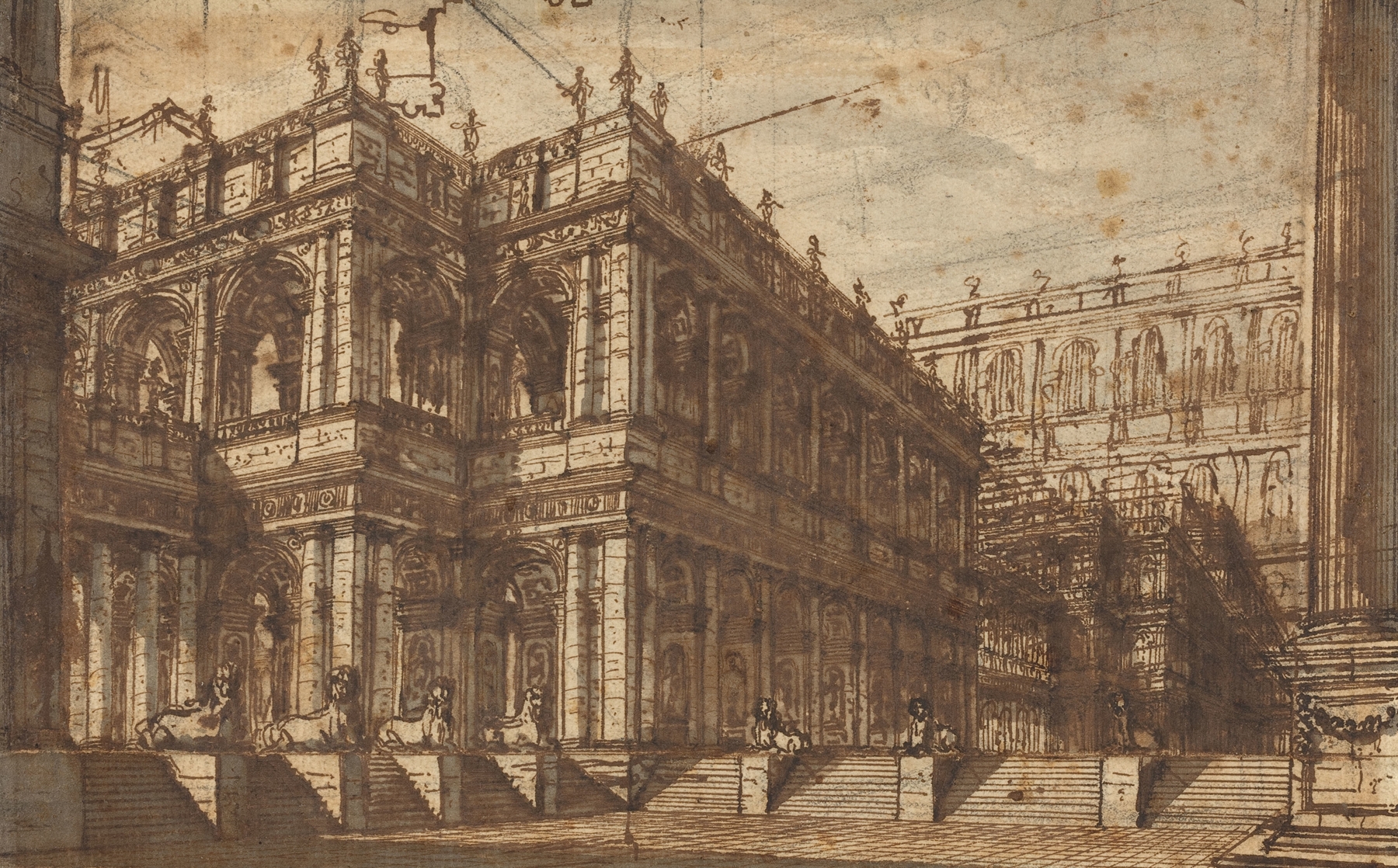
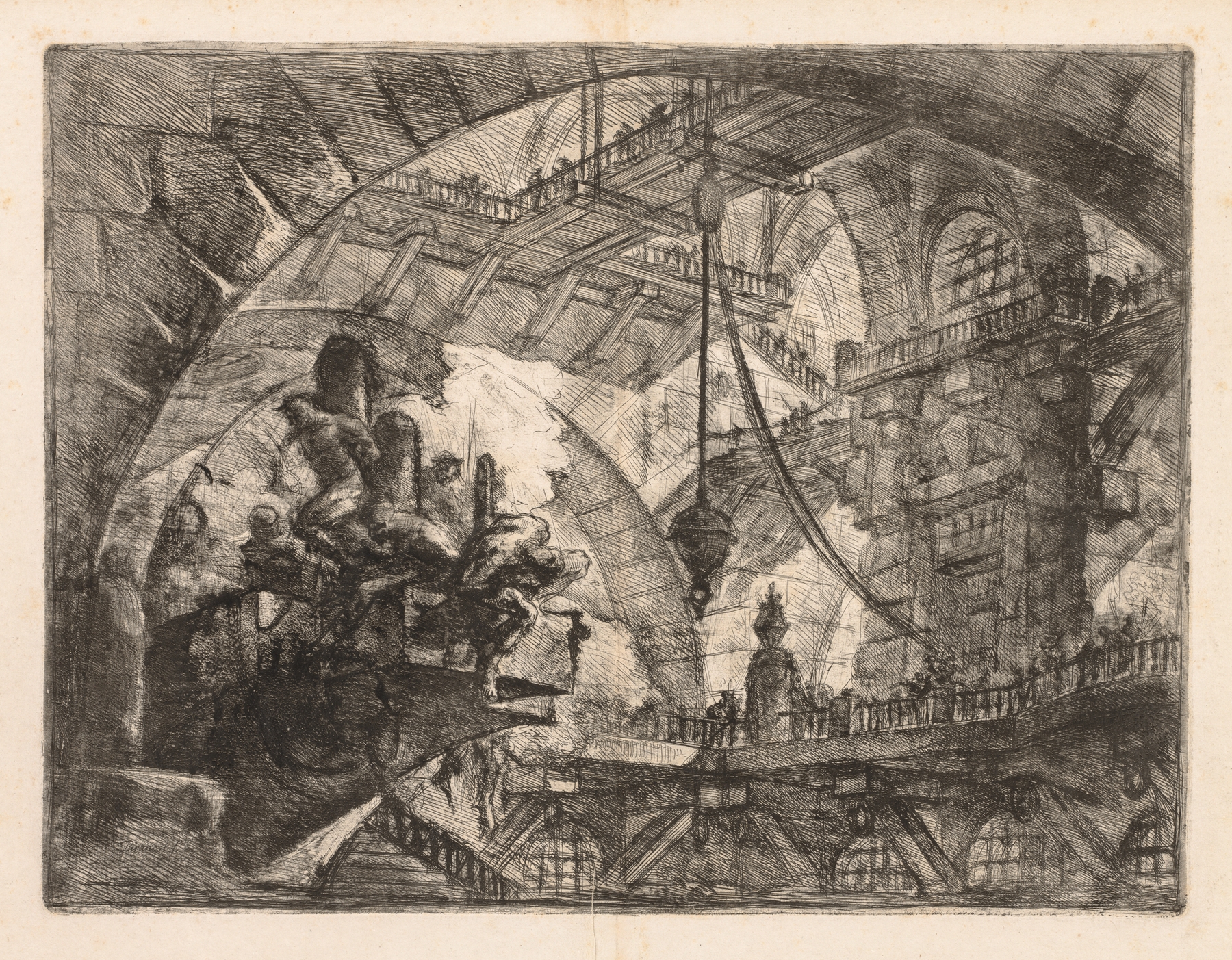
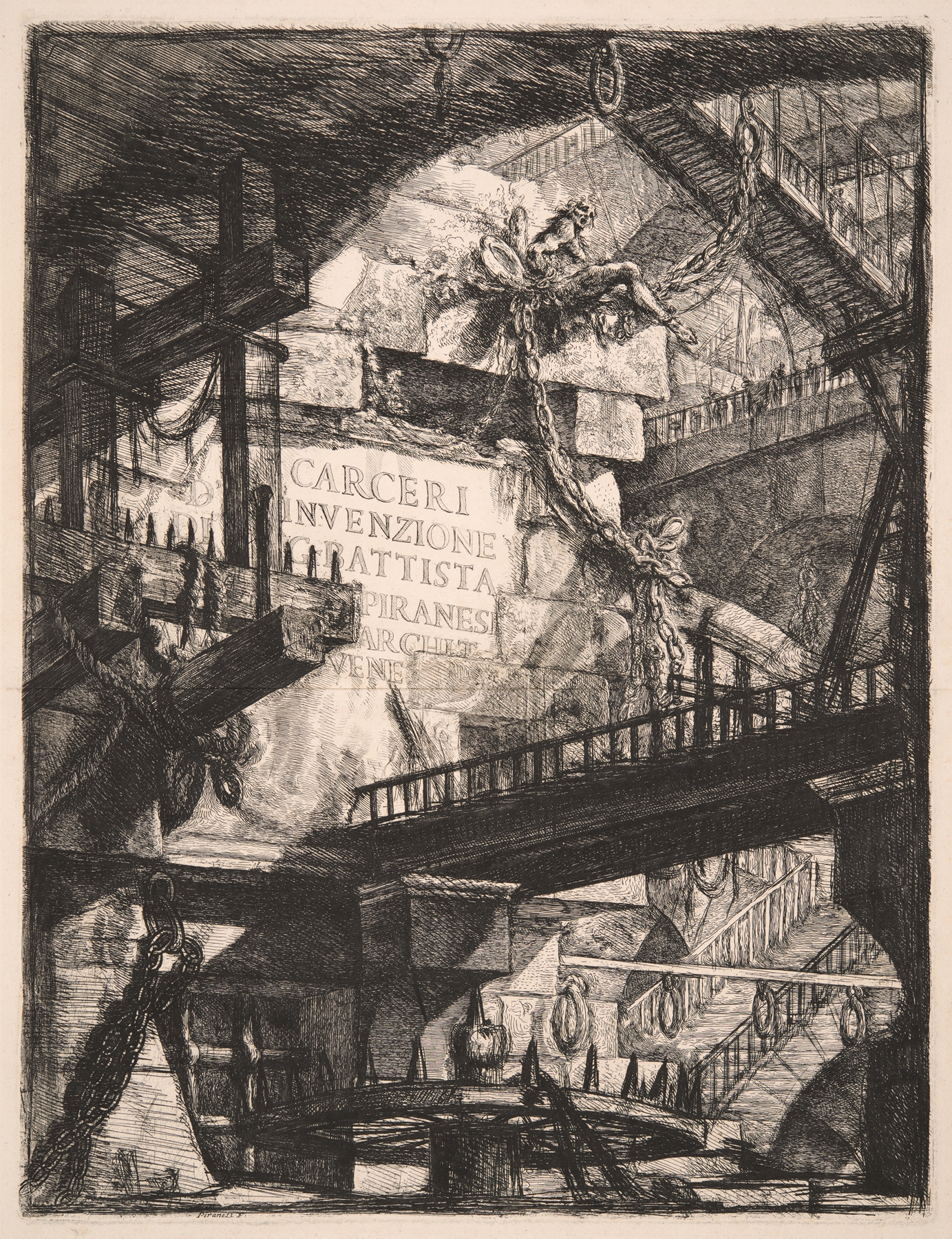
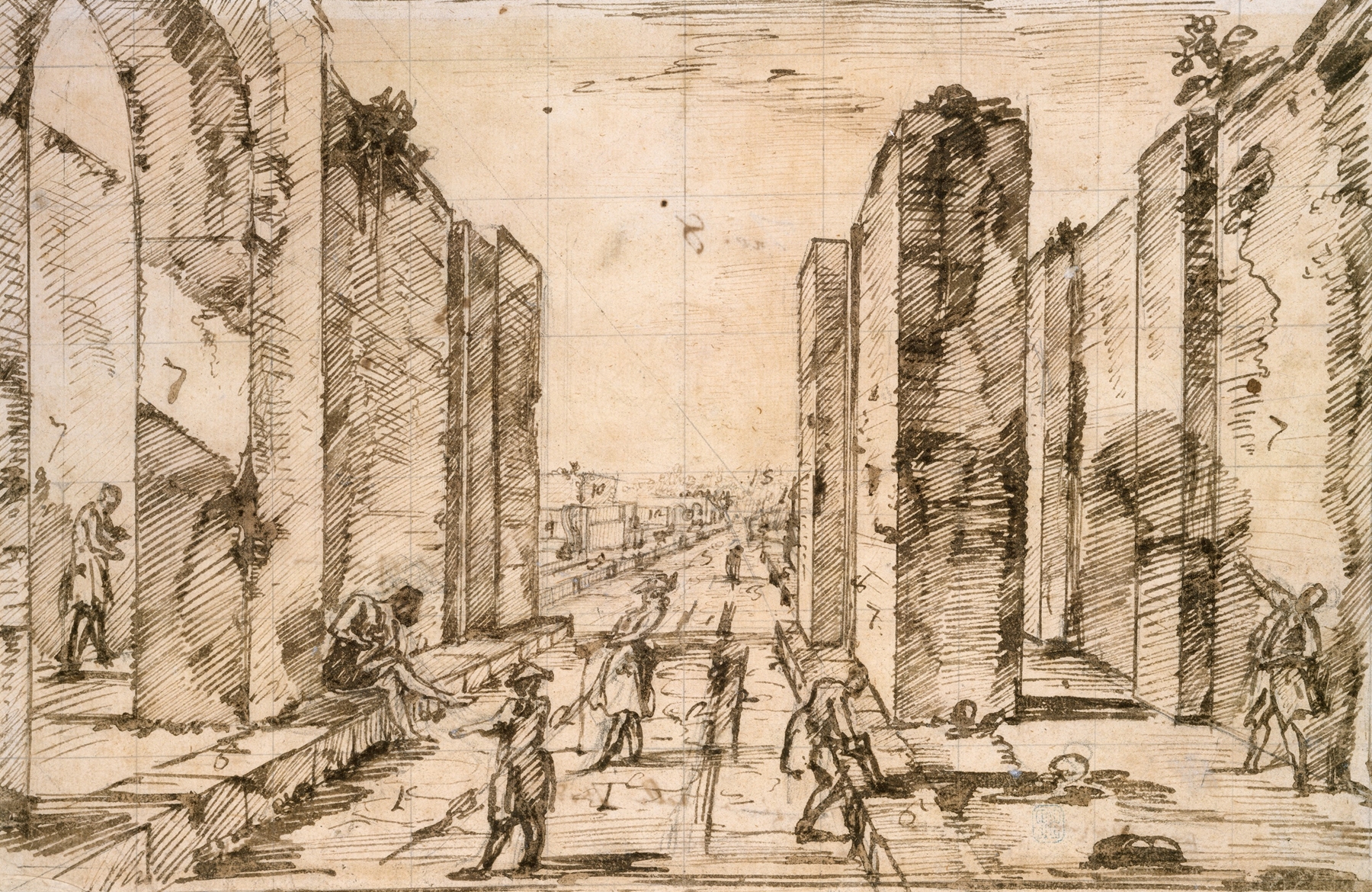
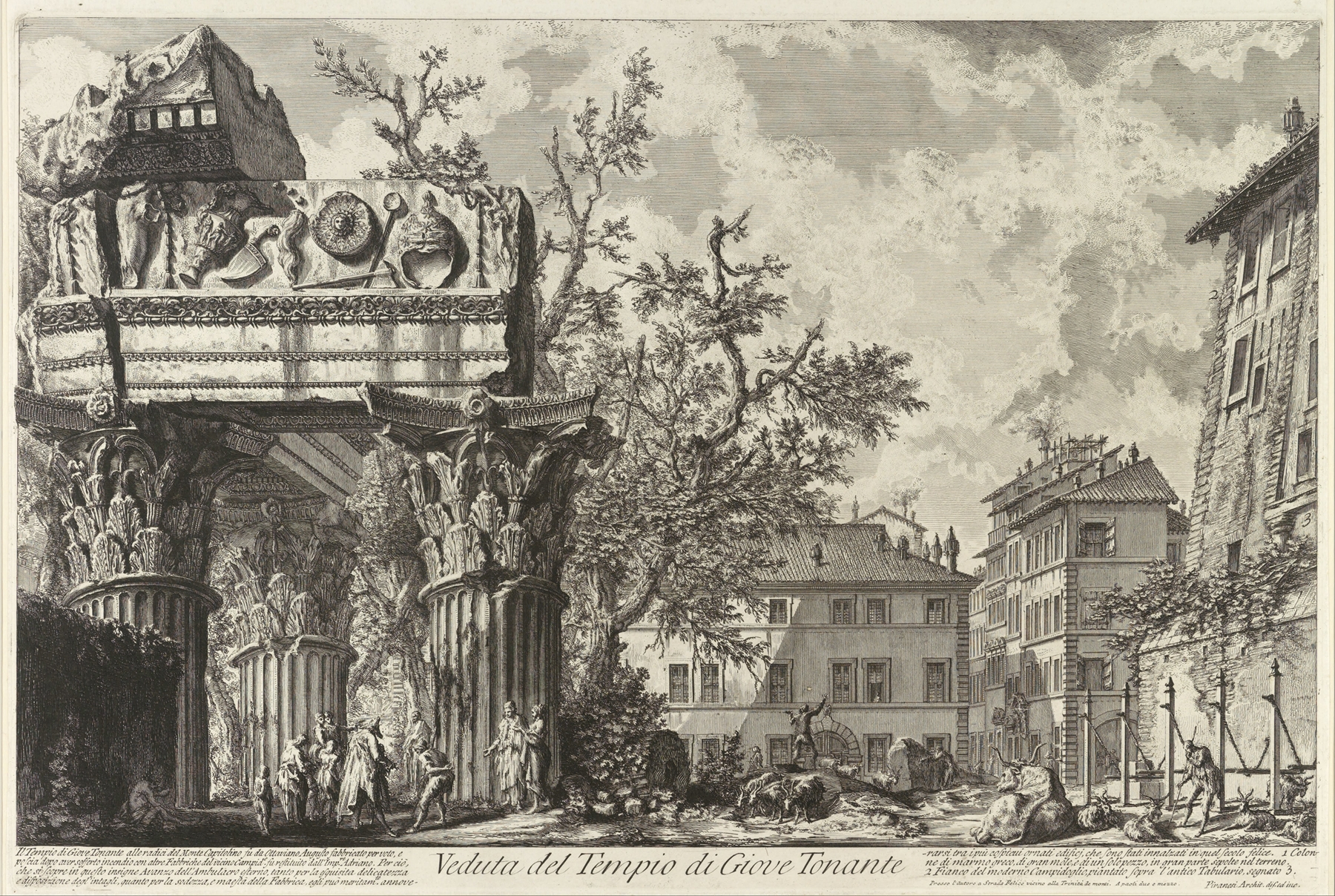
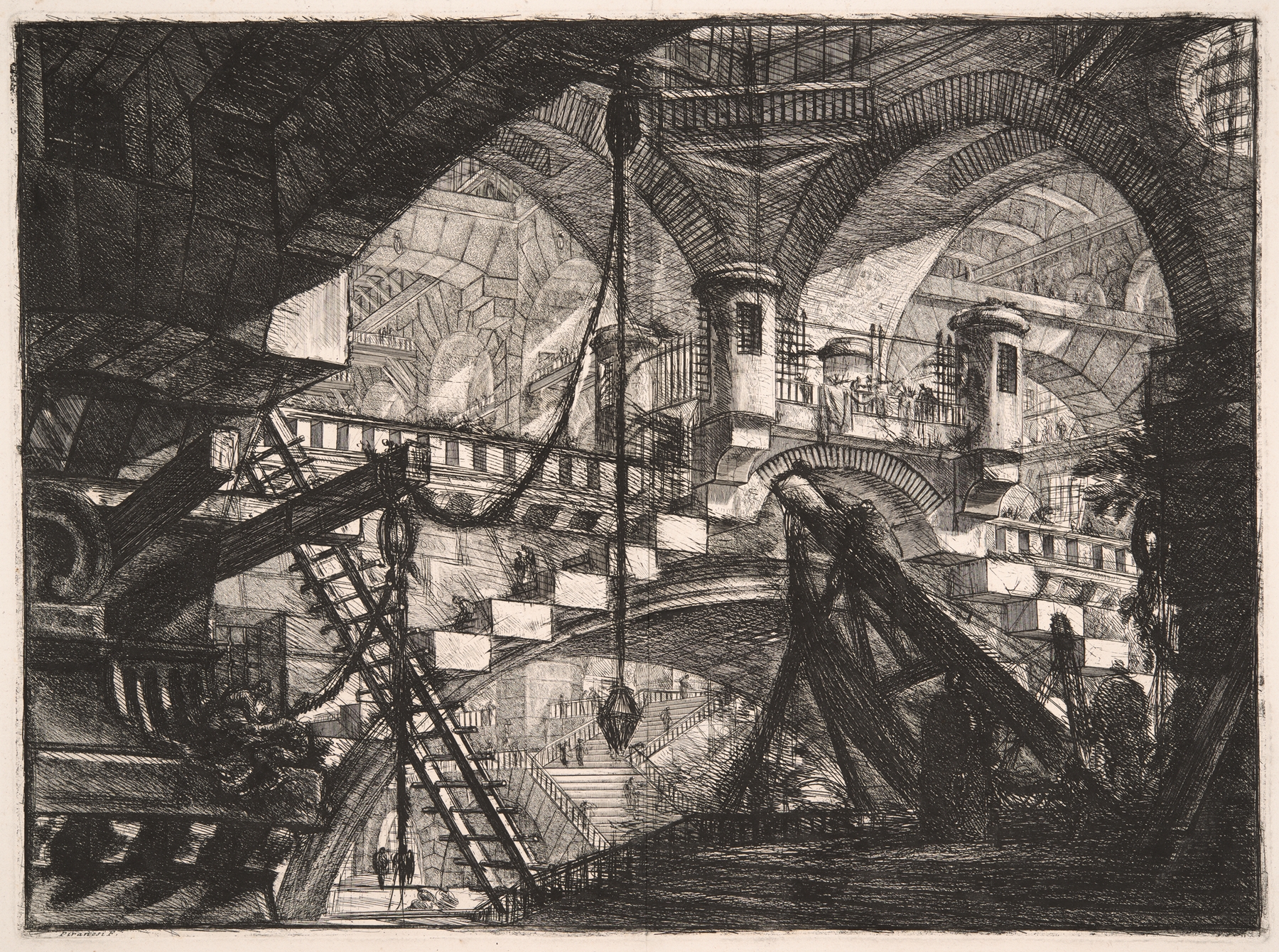
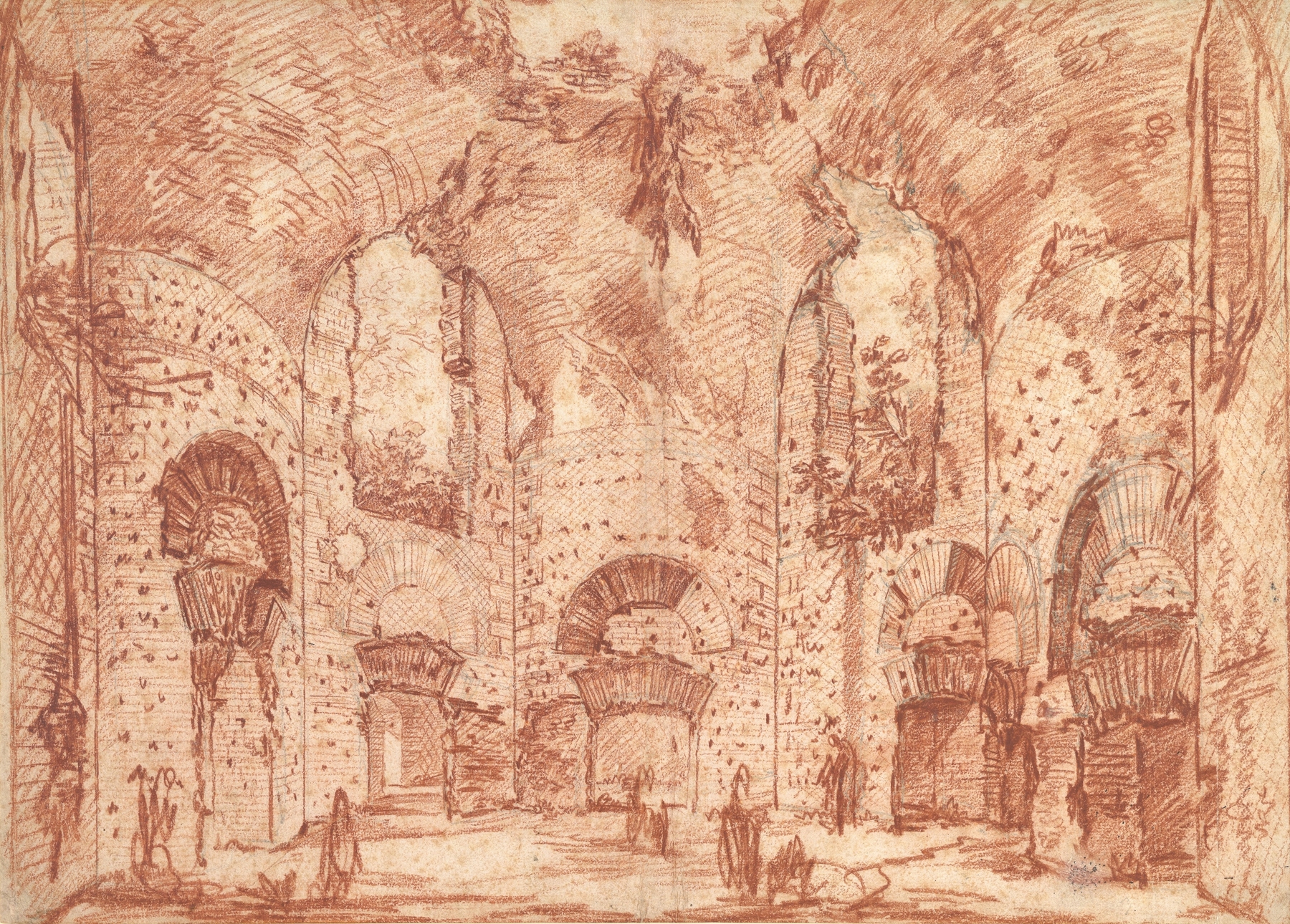
“Every brushstroke is a heartbeat remembered.” In the silent grandeur of ancient ruins, hope lingers, whispering stories of what once was and what may yet be. Focus on the intricate details in the foreground, where the remnants of stone arches rise defiantly against the backdrop of a serene sky. Notice how the light bathes the heavily textured surfaces, casting shadows that stretch like fingers across the crumbling remains. The careful interplay of light and dark reveals Piranesi’s masterful command of chiaroscuro, guiding your eye through the composition’s depth and inviting a sense of exploration.
As you delve deeper, consider the emotional weight of decay juxtaposed with the persistent beauty of nature encroaching on the scene. The overgrown vegetation hints at resilience, a testament to life’s insistence in the face of time’s relentless passage. Each fragment of ruin encapsulates stories of glory, loss, and hope, resonating with the viewer’s own experiences of transience and renewal.
In the 1750s, while based in Rome, Giovanni Battista Piranesi created this evocative work amidst a burgeoning interest in antiquity and Neoclassicism. His explorations of architectural ruins reflected not only a personal fascination with the past but also a broader cultural movement that sought to reconnect with classical ideals. This period was marked by both artistic innovation and a quest for understanding history, positioning Piranesi as a pivotal figure in the dialogue about art’s relationship to memory and identity.