Venice, a November Evening in the Lagoon — History & Analysis
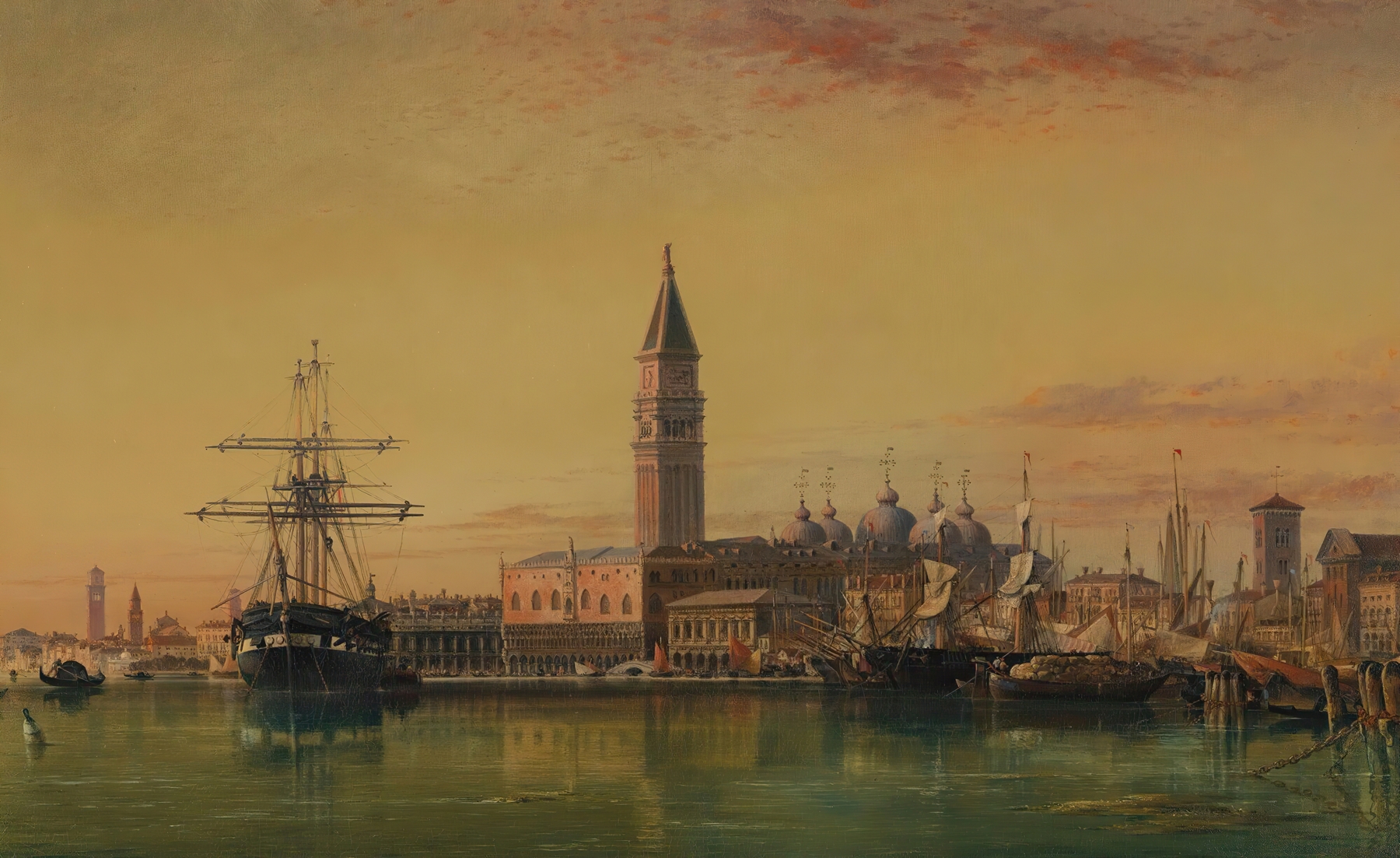
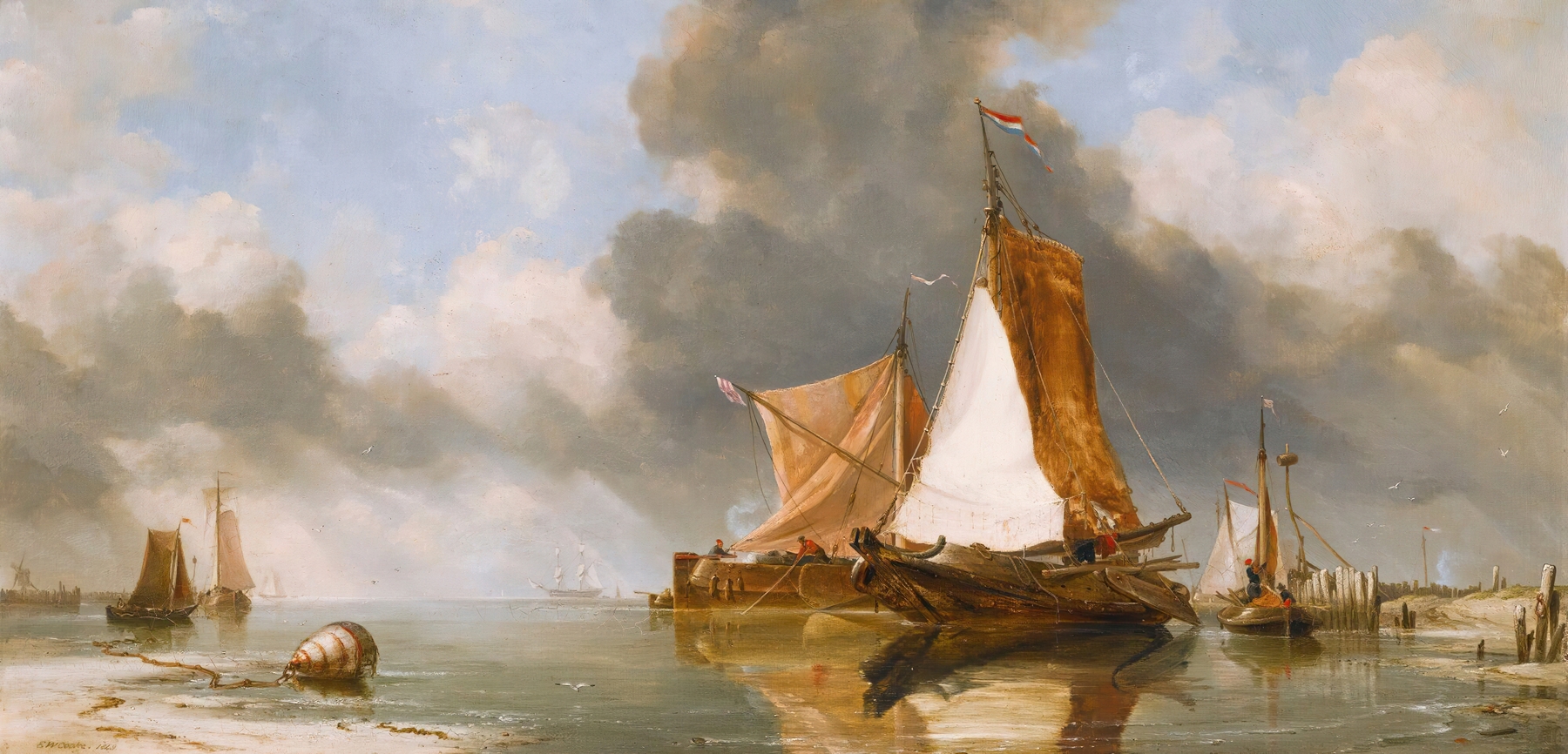
Where does light end, and longing begin? In the hazy reflection upon the lagoon of Venice, a sense of madness lingers beneath the tranquil surface. Look to the right at the soft, swirling colors that merge and blur, capturing the essence of dusk. The muted golds and deep blues create a dreamlike quality, as the gentle strokes of the brush suggest movement in the water while the skies melt into one another.
Notice how the light falls upon the ornate architecture in the background—delicate yet distant—implying both beauty and an ungraspable yearning, as if the city itself is slipping away. The emotional tension in this piece lies in its juxtaposition of serenity and chaos. The stillness of the water contrasts sharply with the restless skies above, evoking a sense of nostalgia for something irrevocably lost. The fleeting light, caught between day and night, hints at the madness of desire, leaving viewers yearning for a time that can never return.
Each detail, from the delicate shadows to the shimmering reflections, speaks to the fragility of memory and the allure of unattainable dreams. In 1859, Cooke painted this piece while residing in Venice, a city that inspired many artists of his time. The mid-19th century marked a shift in the art world, as Romanticism gave way to a more impressionistic approach. Cooke himself was exploring themes of atmosphere and light, influenced by the changing world around him, where the tranquility of nature often concealed deeper emotional undercurrents.