Venice, Sunset Behind The Church Of Santa Maria Della Salute — History & Analysis
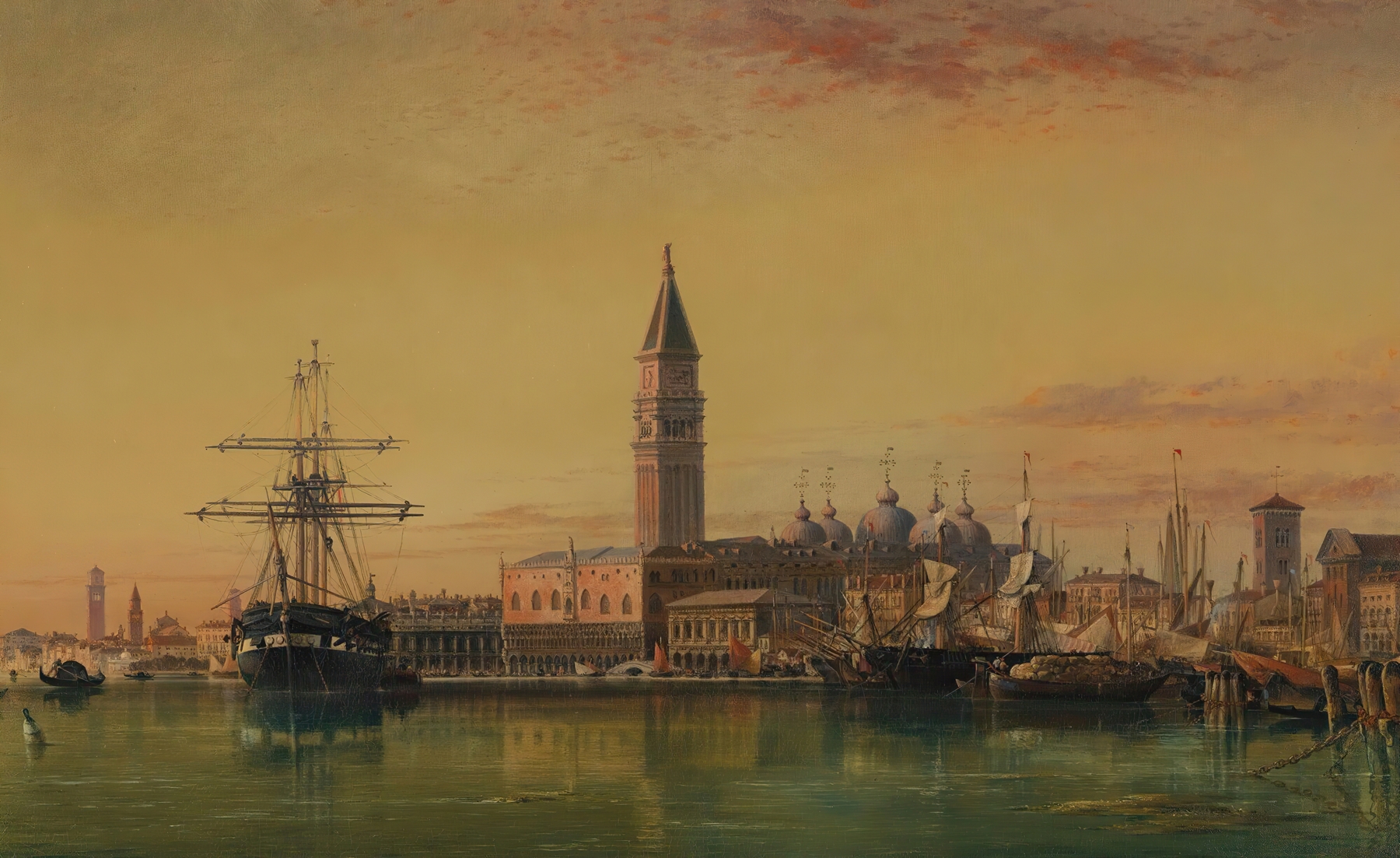
Is this a mirror — or a memory? The stillness captured in the twilight sky invites contemplation, as the tranquil waters of Venice beckon us into a world where reality softens into reverie. Look to the horizon, where the sun dissolves into a symphony of oranges and purples, casting a delicate glow over the domed silhouette of Santa Maria della Salute. Notice how the reflections dance upon the water’s surface, each ripple suggesting a whispered story.
The brushwork is deft yet gentle, encapsulating both architectural detail and the ephemeral quality of light as it fades into the embrace of evening. The juxtaposition of vibrant hues against the deepening shadows speaks to the fleeting nature of beauty and time. There’s a poignant silence in the scene; it captures the calm before night descends, suggesting both comfort and longing. One may feel the emotional weight of solitude, as if the church stands as a guardian of memories past, held within the still waters that mirror both sky and soul.
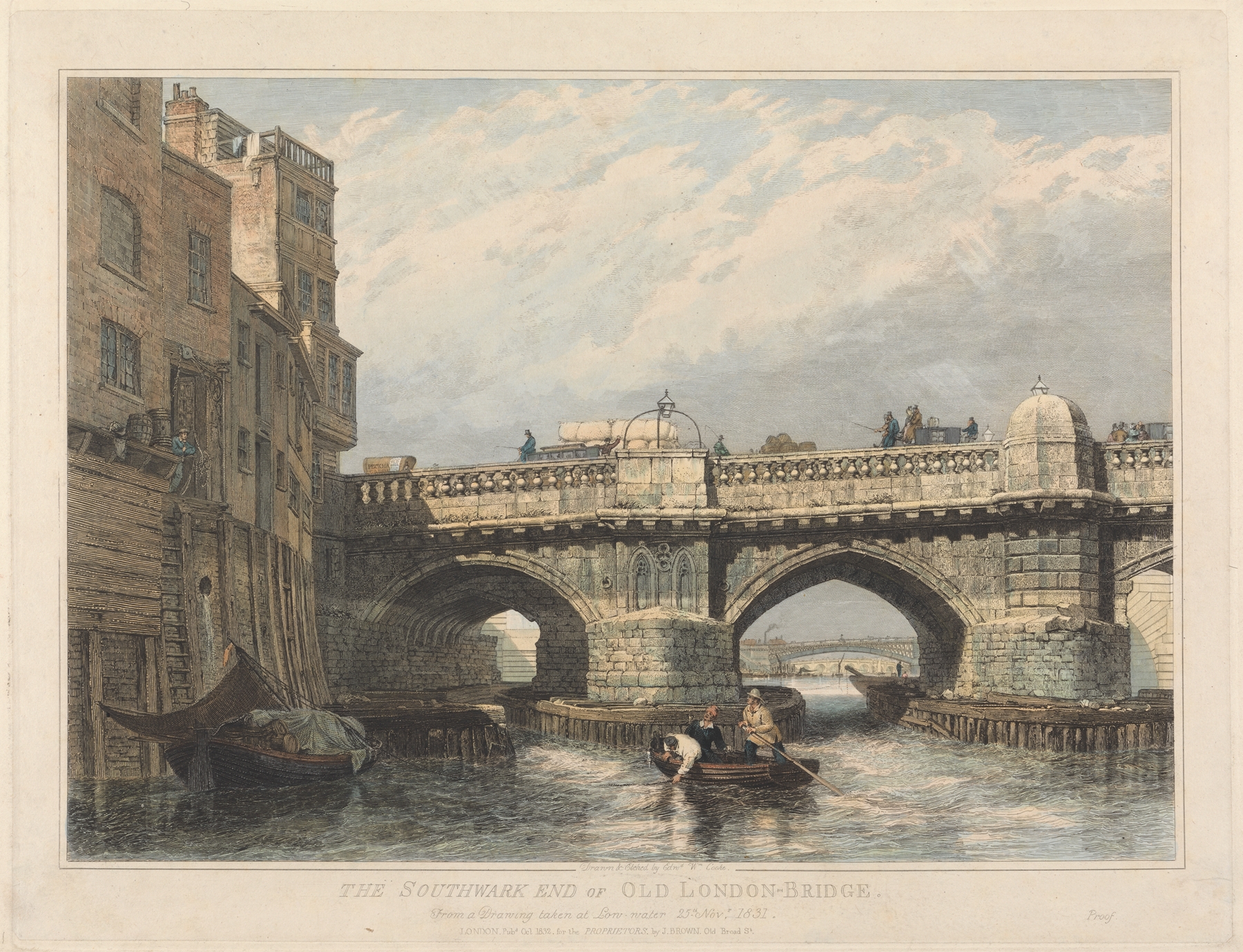
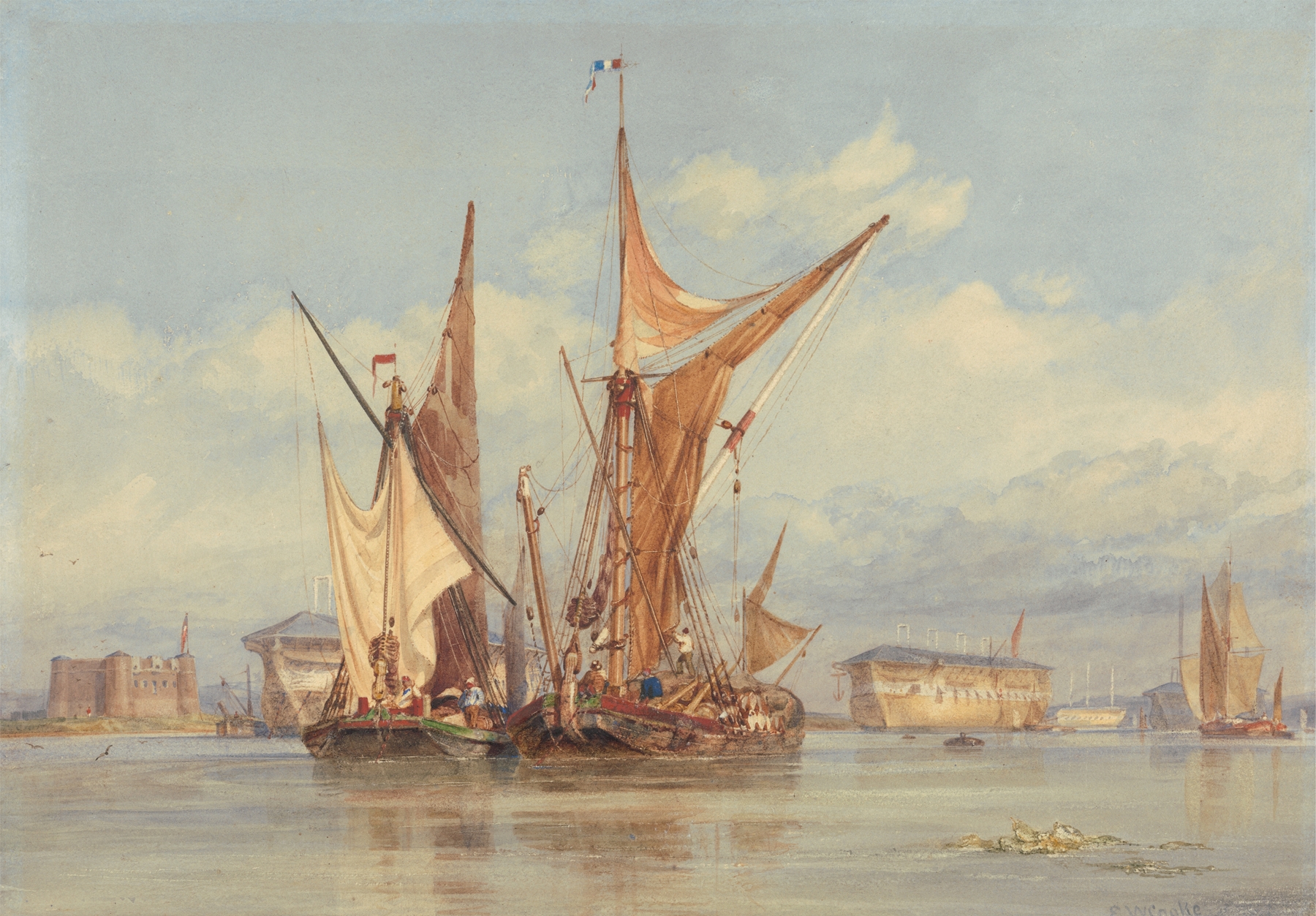
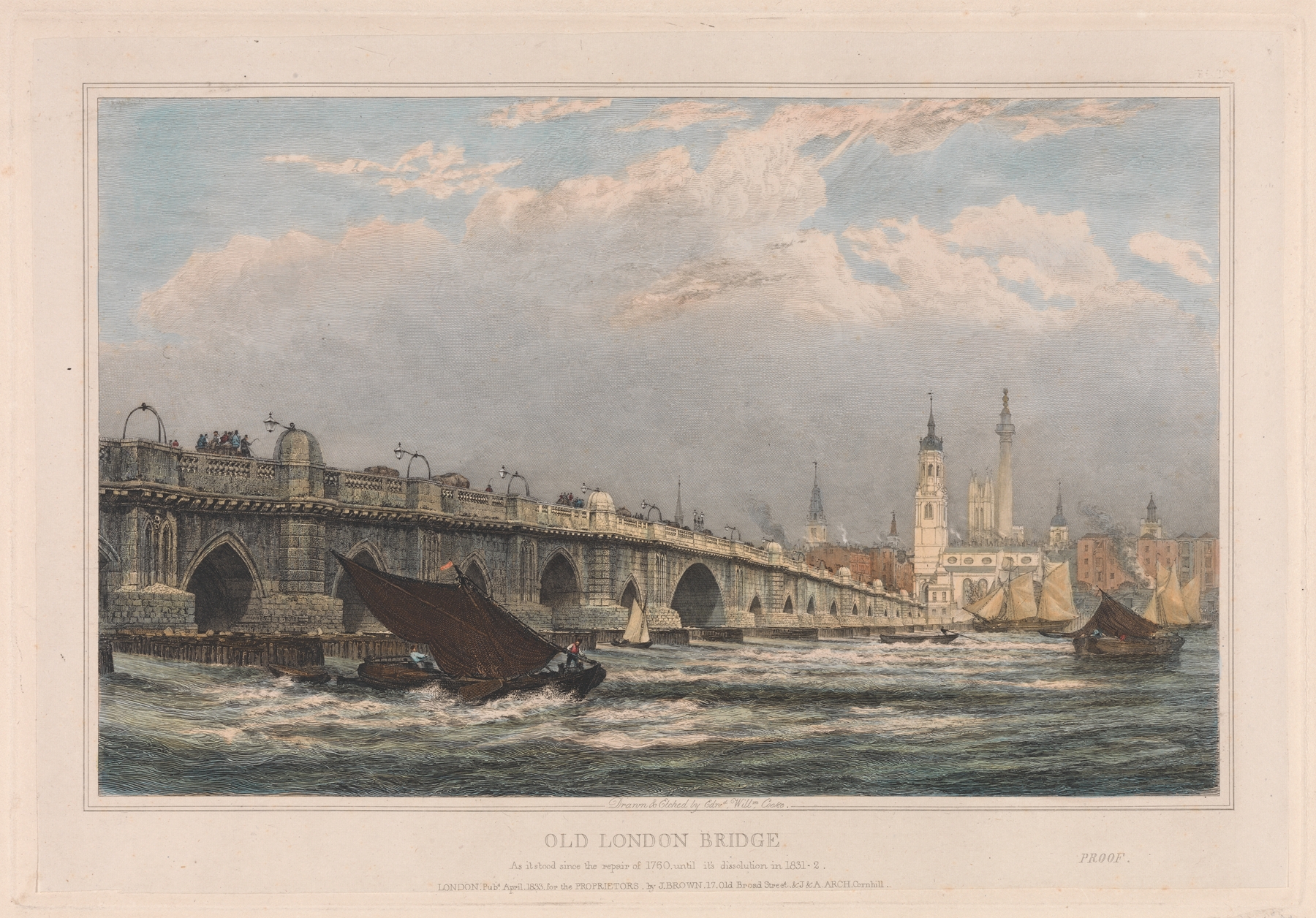
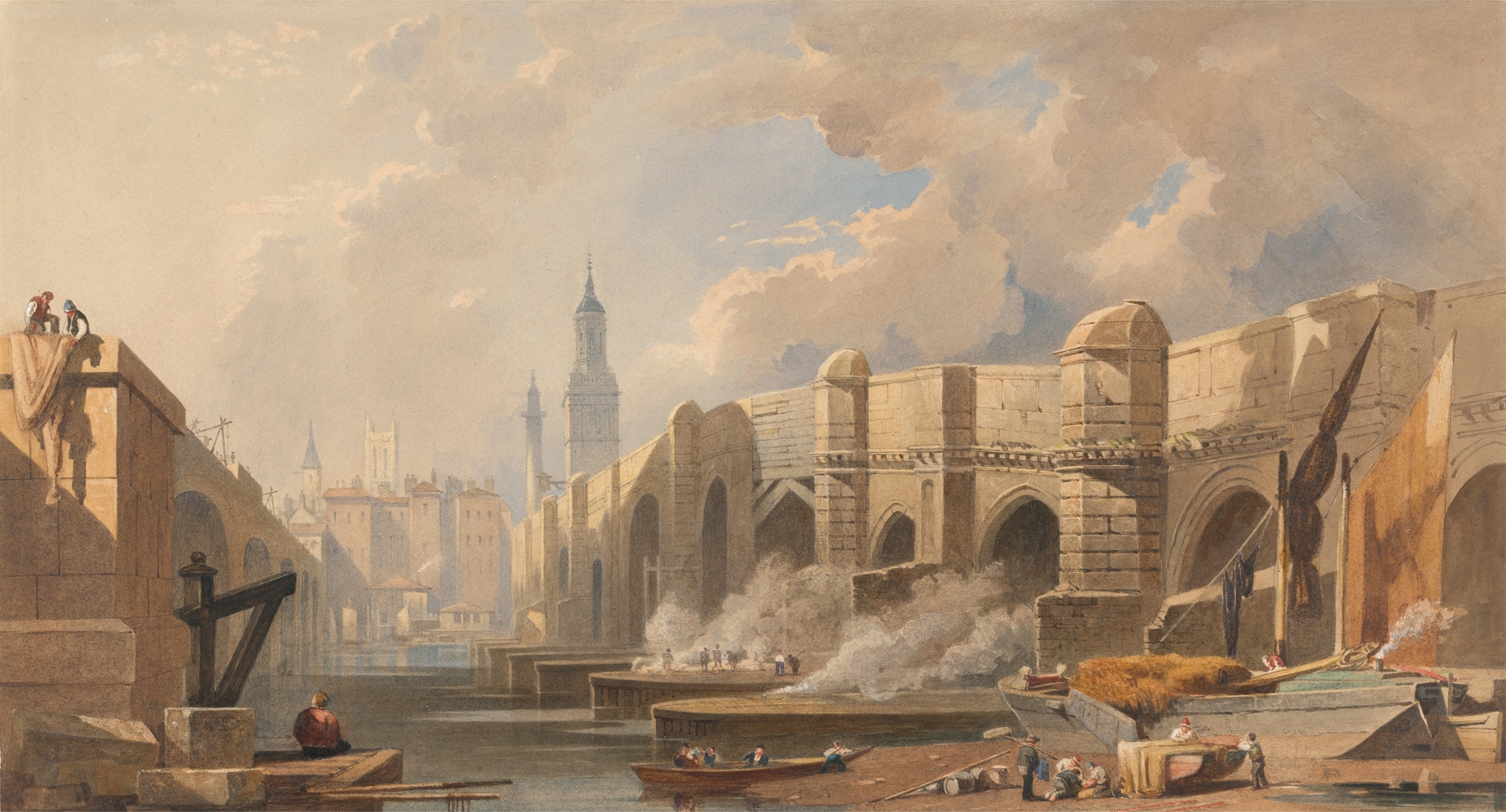
In 1855, Edward William Cooke painted this scene while exploring the enchanting waterways of Venice, a city rich with history and artistic fervor. At this time, he was deeply engaged in capturing the essence of landscapes that evoked nostalgia, reflecting broader trends in Romanticism. This piece not only showcases his technical prowess but also embodies the cultural currents of an era fascinated by the interplay of light, memory, and place.