Venice, the Grand Canal from the Palazzo Flangini to San Marcuola — History & Analysis
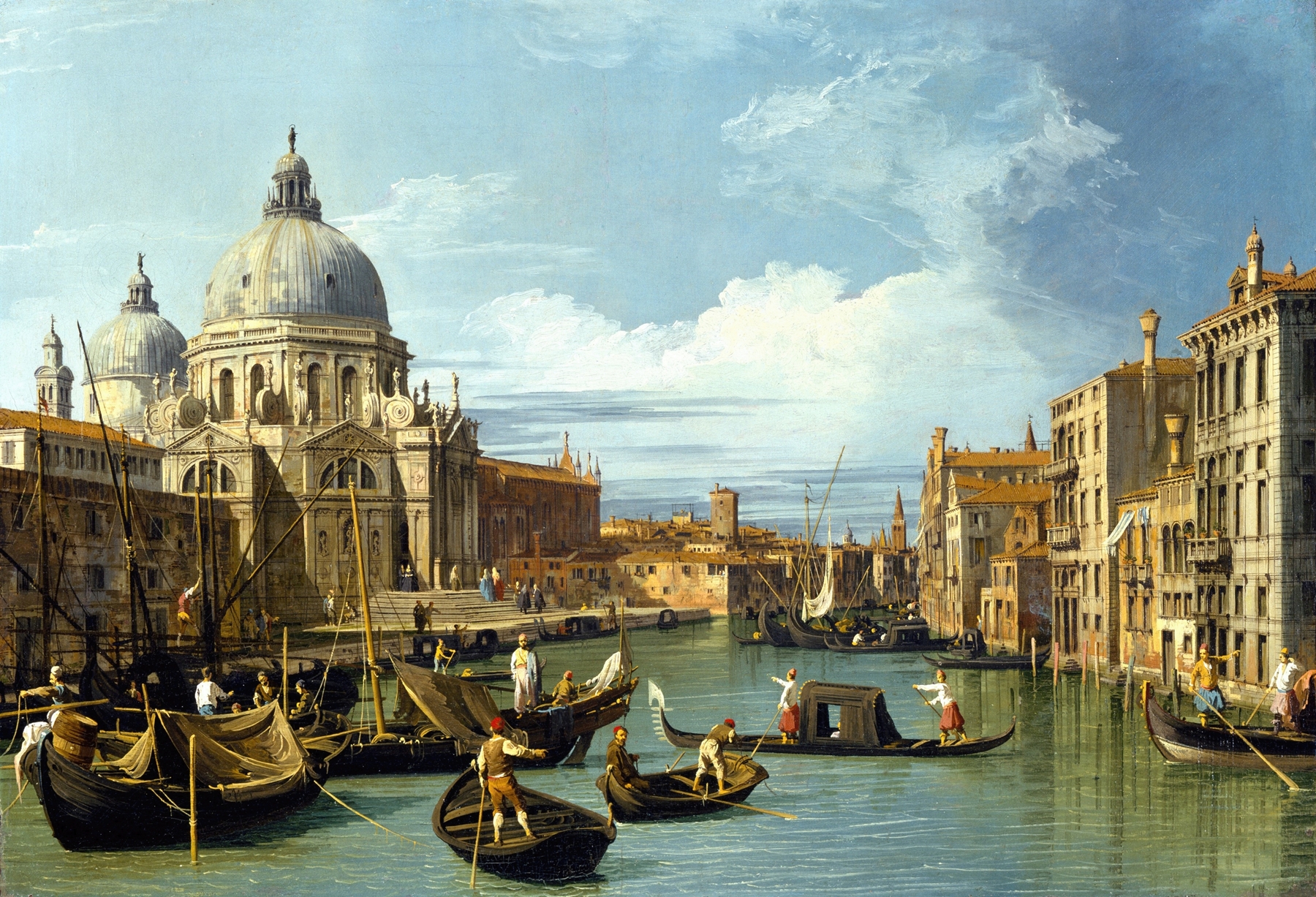
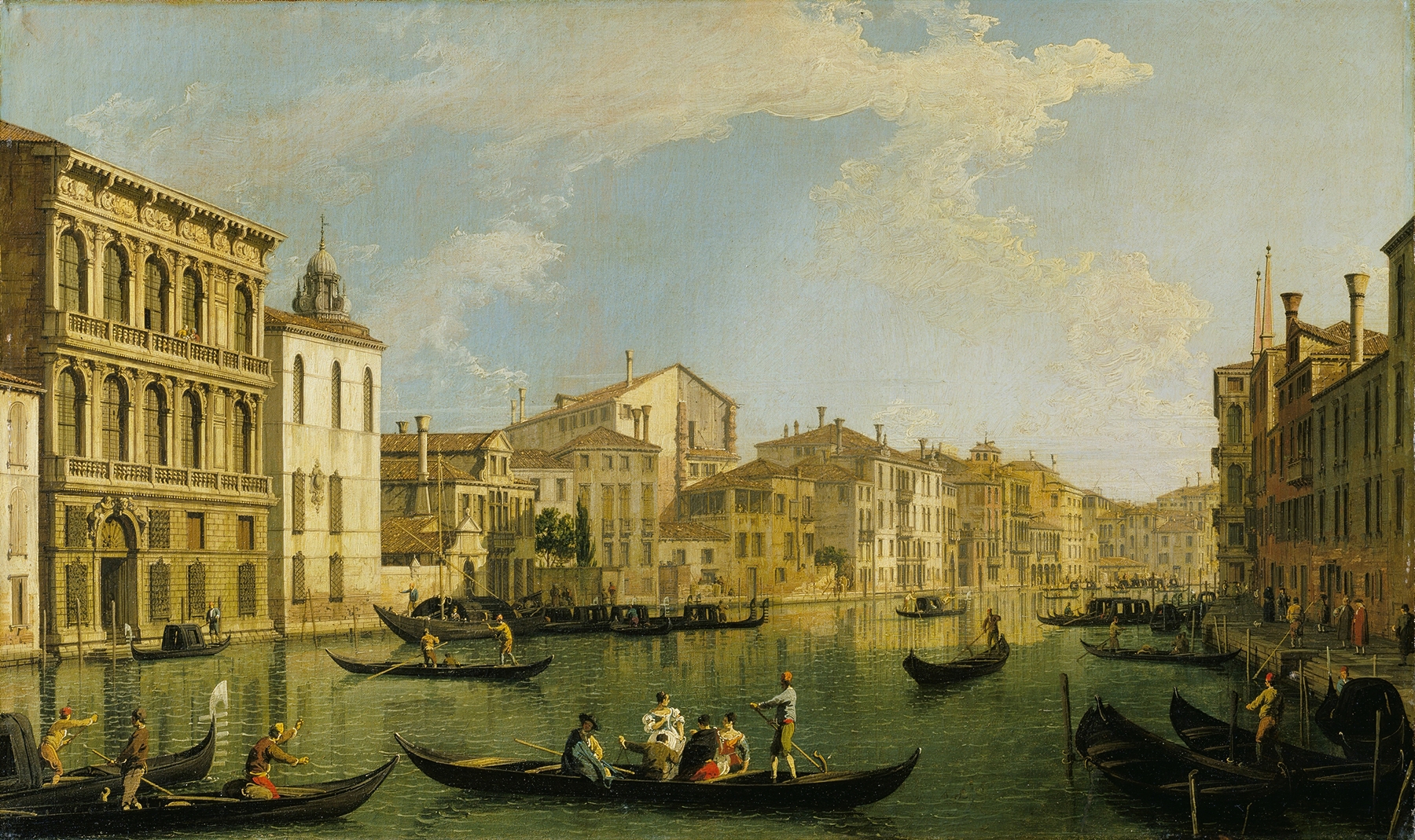
Could beauty survive in a century of chaos? In the tranquil embrace of Canaletto’s Venice, the Grand Canal from the Palazzo Flangini to San Marcuola, we find a serene answer woven into the fabric of the city. Look to the left at the elegant Palazzo Flangini, its imposing façade mirrored in the gentle waters of the canal. The warm hues of ochre and gold dominate its structure, offering a stark contrast to the vivid blues of the sky above.
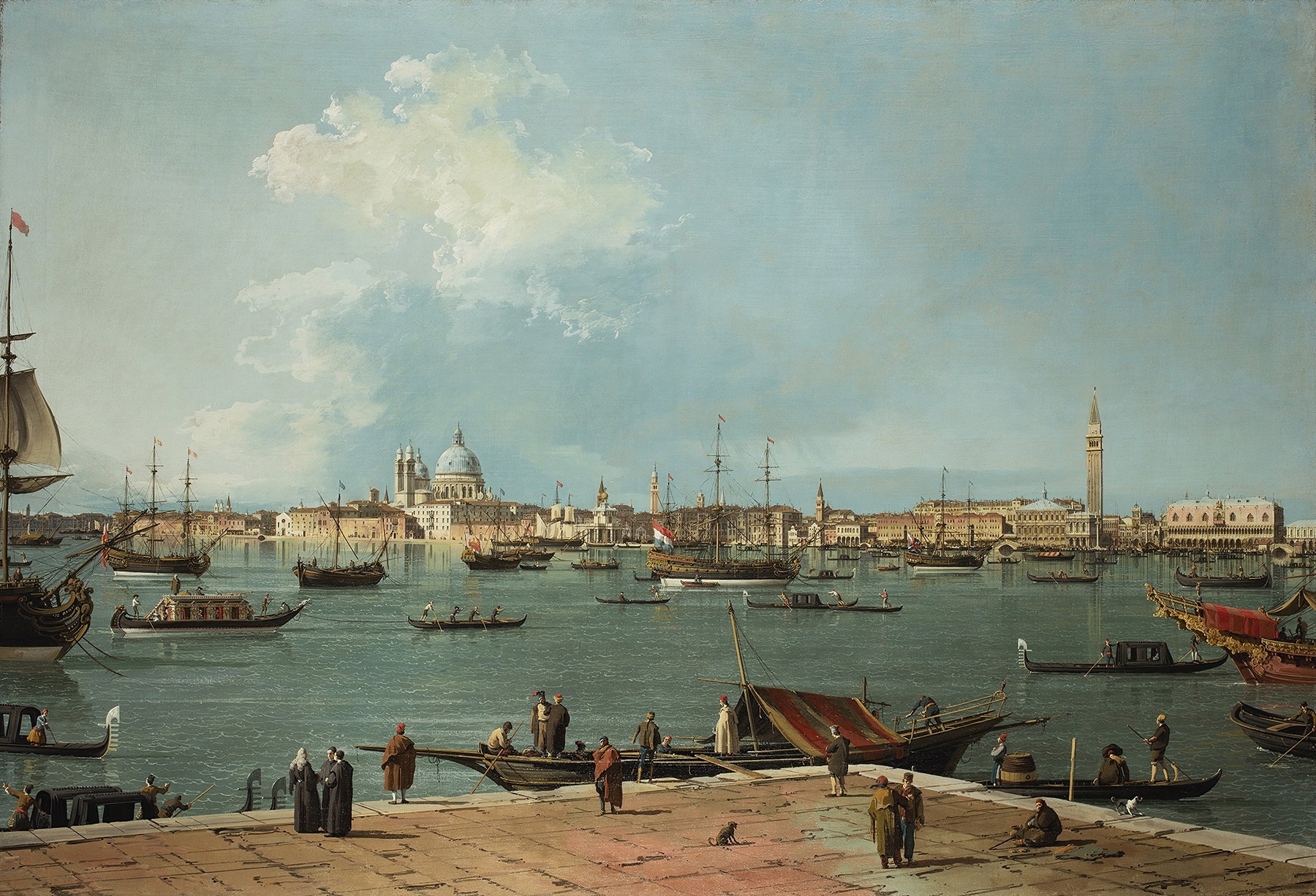
Notice how the artist skillfully uses light to capture the luminous reflections on the water's surface; each ripple contributing to a sense of movement, yet paradoxically, there lies an undeniable stillness within the scene. Your gaze then travels across the canal to the soft outlines of the distant San Marcuola, suggesting both a destination and a moment of contemplation. The painting resonates with tensions between grandeur and emptiness, a reminder of the past glories of Venice. The absence of bustling crowds, so typical of the era, amplifies the sense of solitude, evoking an invitation to reflect on what has been lost amid the passage of time.
The stark yet delicate brushwork draws attention to the details—the billowing sails of a distant boat seem to whisper stories of adventure while the deep shadows create a haunting contrast that underlines the fleeting nature of beauty. Canaletto created this work between 1740 and 1750, during a period of significant transformation in Venice. As the art world was shifting towards the grandiosity of the Rococo, he was firmly rooted in a style that celebrated clarity and perspective, embodying the intricate relationship between the city’s architectural splendor and the surrounding landscape. At this time, Venice was recovering from political upheaval, and through this canvas, the artist captures its enduring beauty amidst the fragility of existence.