Venice, The Mouth of the Grand Canal — History & Analysis
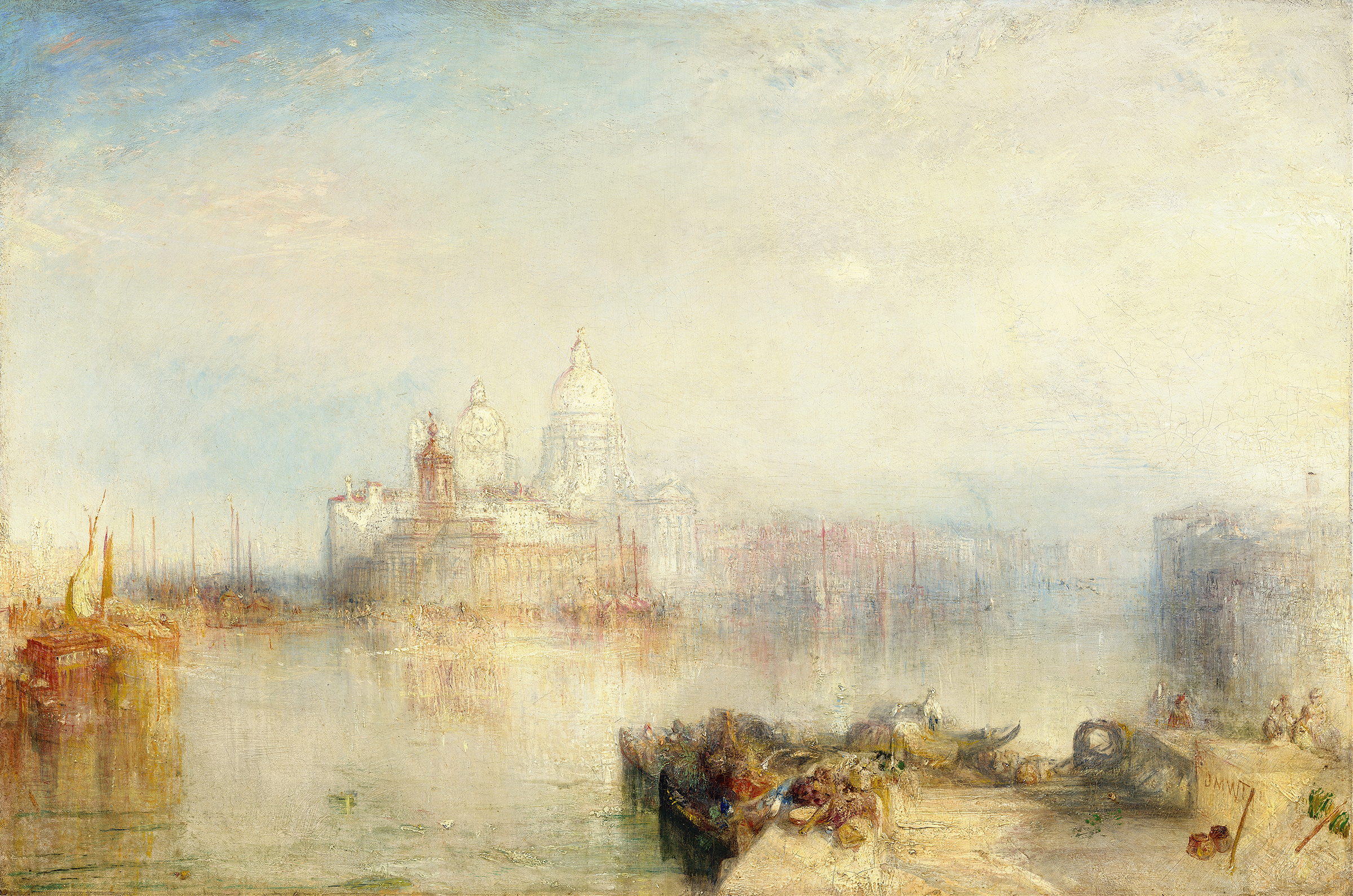
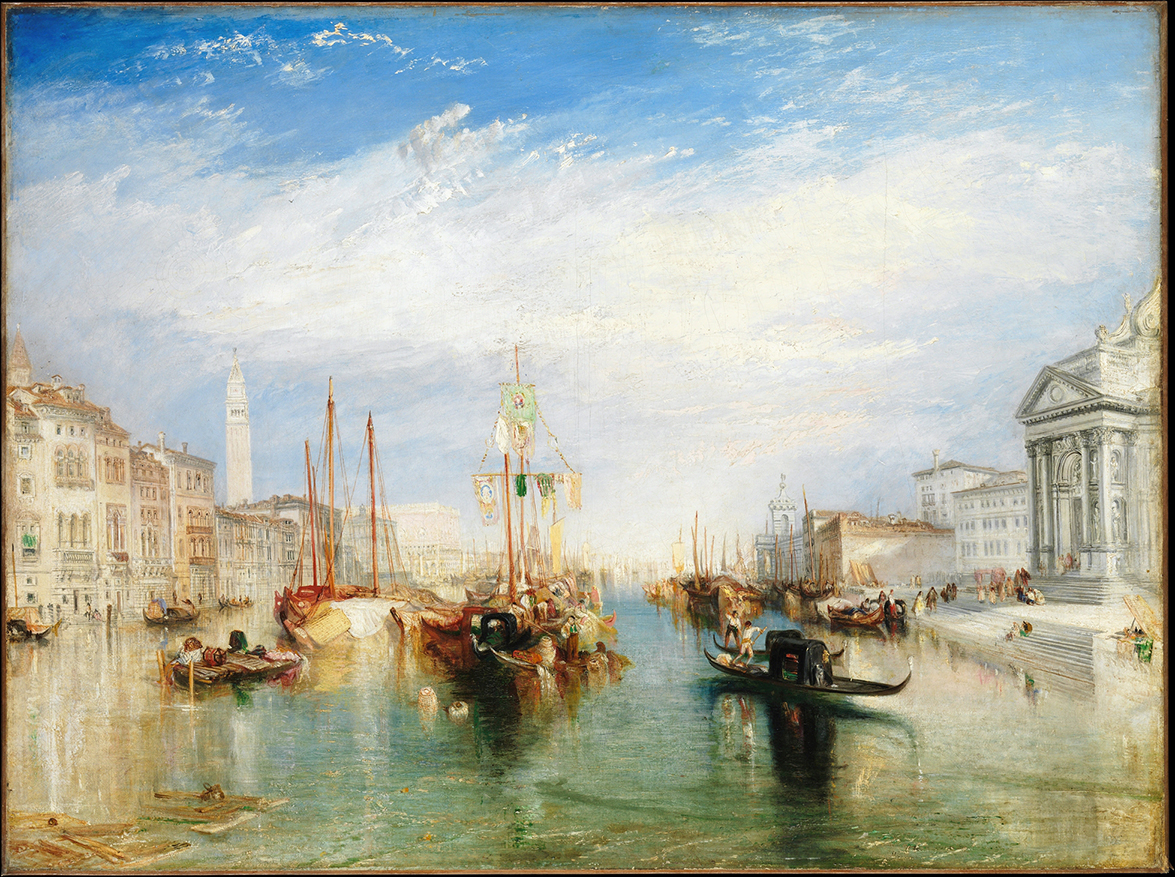
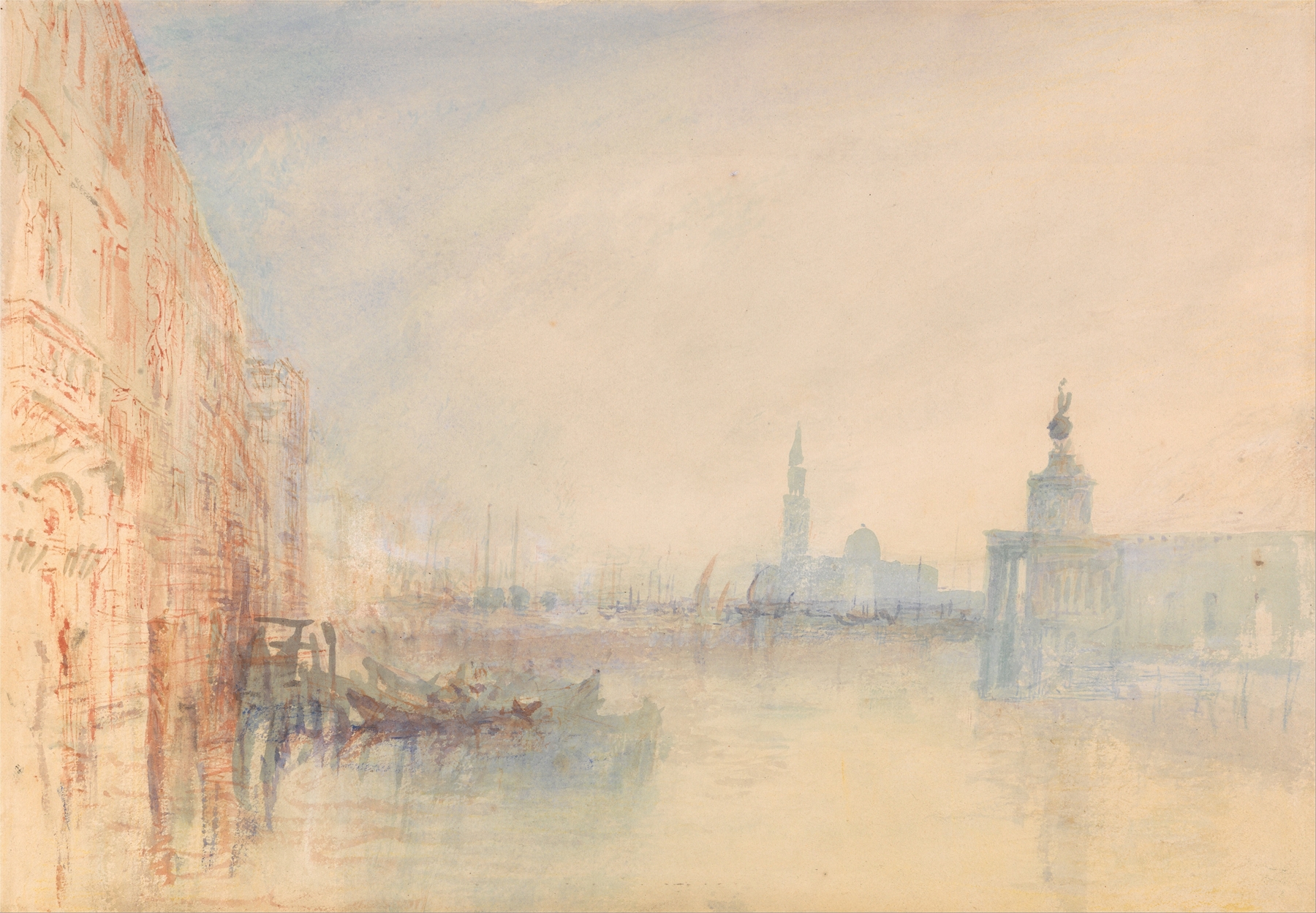
What if silence could speak through light? In *Venice, The Mouth of the Grand Canal*, a solitary moment captures the haunting beauty of a city suspended in time, where loneliness intertwines with the shimmering reflections on water. Look to the left at the fading silhouettes of gondolas, their forms softened by the golden haze. The colors wash over the canvas: hues of amber, ochre, and gentle blues blend seamlessly, evoking both nostalgia and a serene melancholia. Notice how the light spills across the scene, illuminating the towering architecture of Venice, yet leaving the figures adrift in a haze, almost ephemeral. This ethereal quality pulls the viewer deeper into the work, inviting contemplation of the city's fragile existence. In this painting, the convergence of light and shadow embodies the emotional tension inherent in solitude. The distant figures, seemingly insignificant against the grandeur of the canal, suggest a longing for connection amid the vastness of the scene. The rich brushstrokes evoke a sense of movement, yet preserve a stillness that resonates with the viewer's own feelings of isolation. Every element, from the tranquil waters to the blurred outlines of the buildings, speaks of a world that remains untouched, echoing the loneliness that lingers in the heart of Venice. Turner created this work in 1840 while in his later years, a period when he was grappling with personal losses and the changing tides of the art world. Exploring new techniques in color and light, he sought to capture the sublime essence of nature and architecture. Amidst the burgeoning movement of Impressionism, his deepening fascination with atmospheric effects revealed a profound sensitivity, offering the viewer an invitation to experience the beauty and solitude inherent in fleeting moments.