Verona — History & Analysis
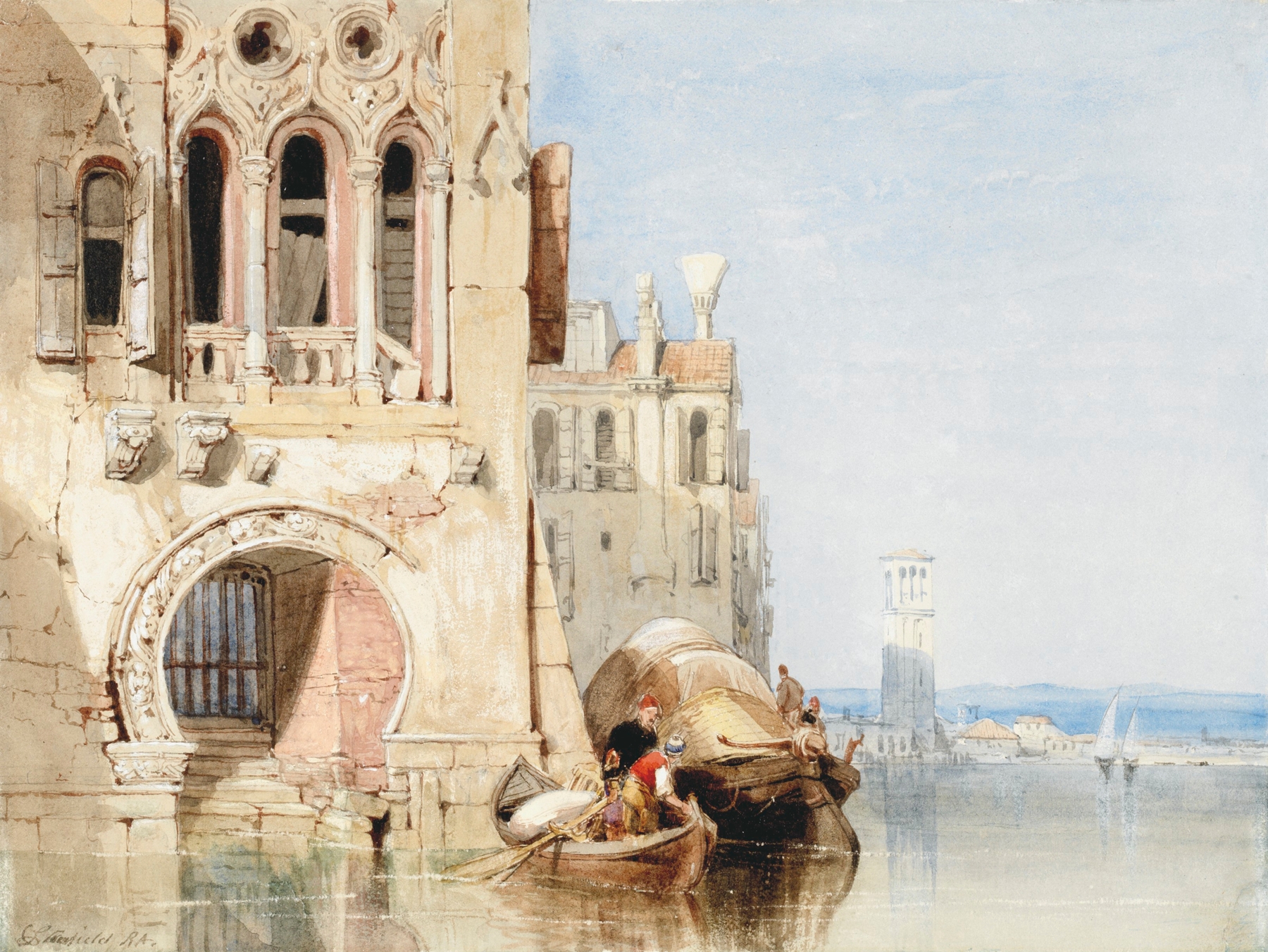
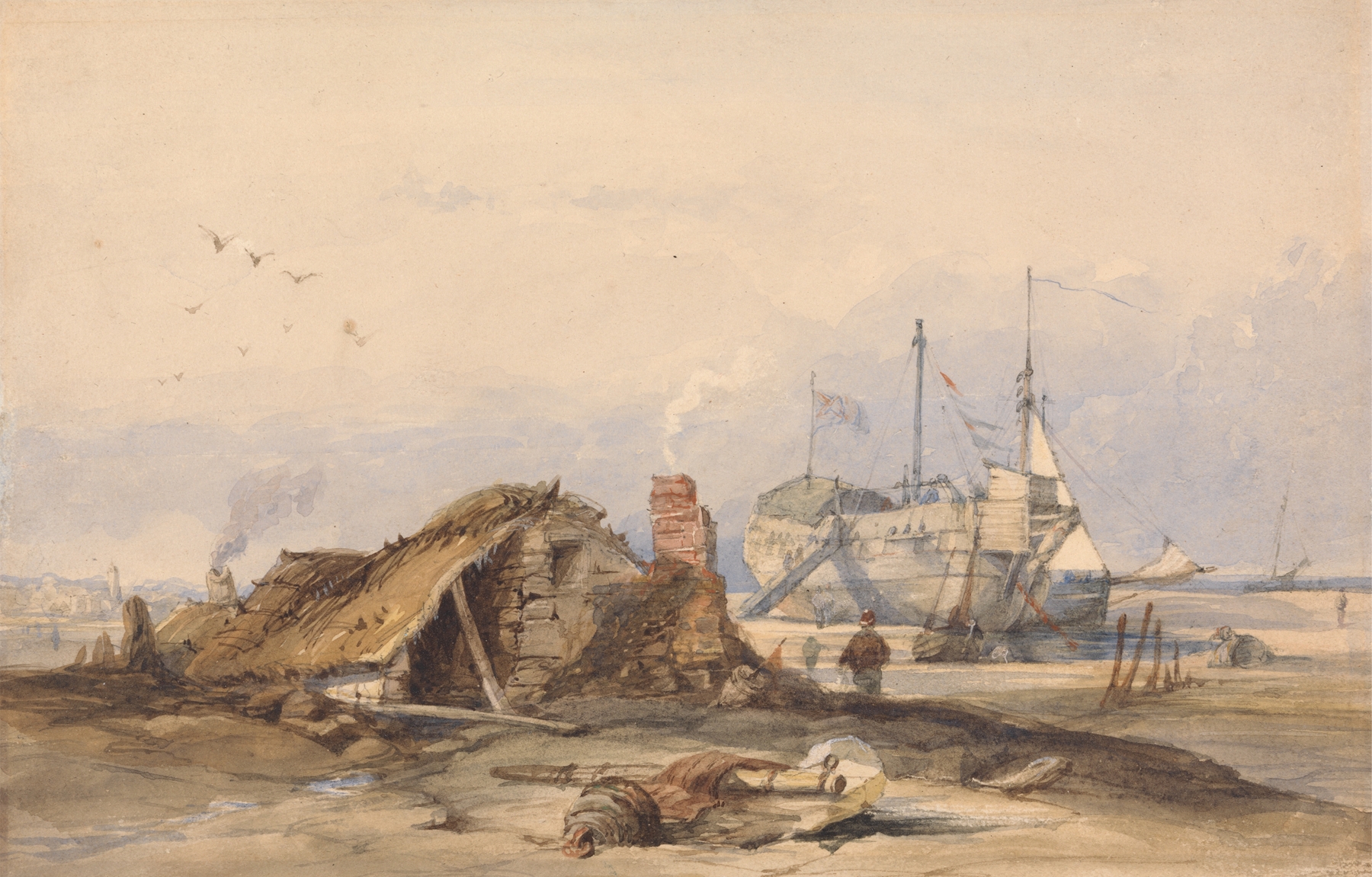
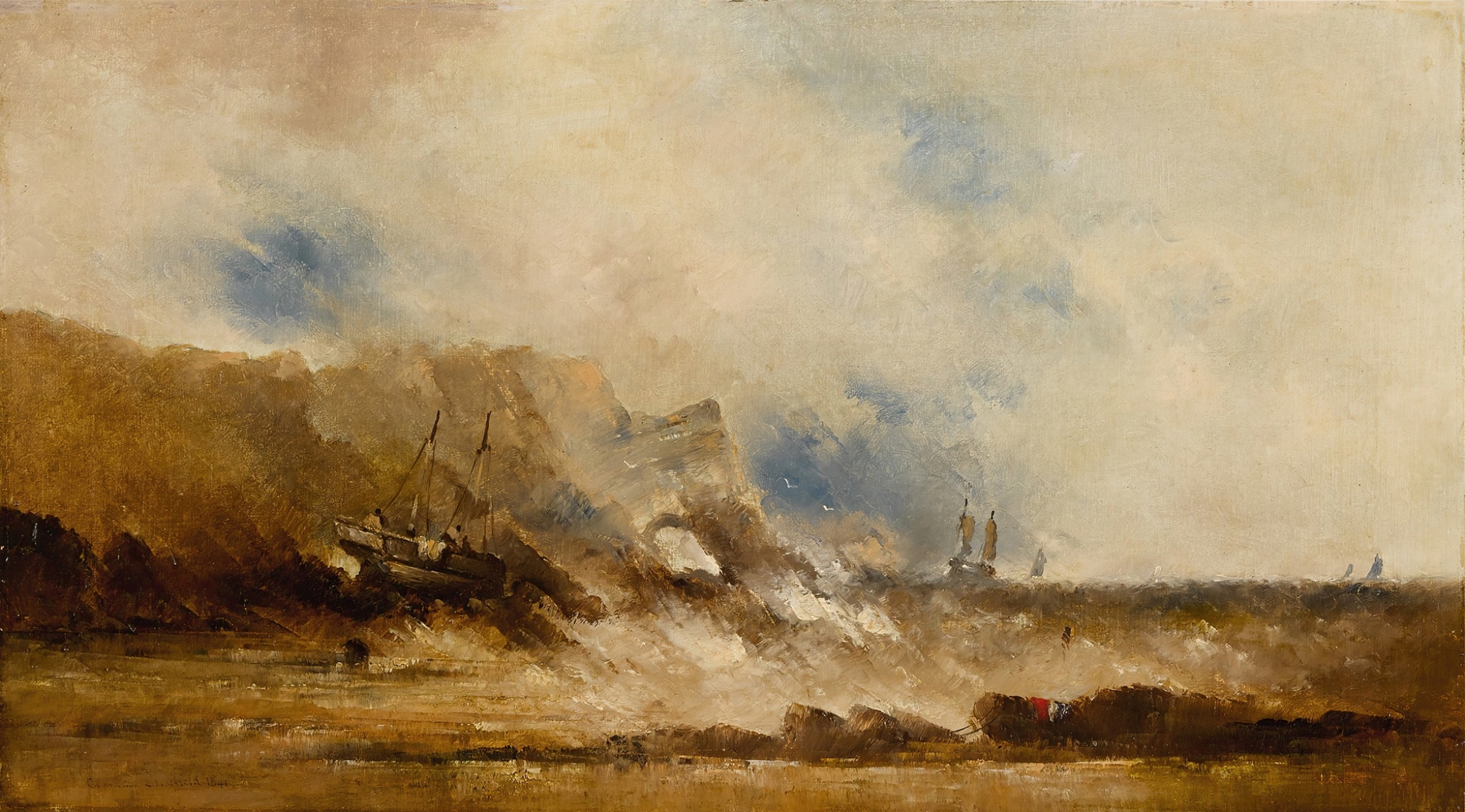
Who listens when art speaks of silence? In Clarkson Stanfield’s Verona, the canvas breathes a quiet revolution, inviting viewers to contemplate both the beauty and stillness of an untouched landscape. Look to the left at the soft, glowing light that filters through the gently swaying trees. Notice how the delicate brushstrokes create a serene interplay of greens and golds, evoking a sense of peace.
The distant cityscape of Verona emerges behind a veil of mist, its ancient architecture whispering tales of history. This subtle contrast between the vibrant foreground and the muted background draws the eye, guiding you deeper into the tranquility of the scene. Yet beneath its serene surface lies a tension—an undercurrent of change waiting to unfold. The silence of the landscape is punctuated by the looming presence of the city, hinting at the stories of revolution and transformation just out of sight.
The gentle ripples in the water and the soft curves of the hills suggest a world on the brink, where nature and civilization coexist, yet remain inexorably linked to the passage of time. In 1833, Stanfield created Verona during a period of significant social and political upheaval in Europe. As a leading figure in the Romantic movement, he was drawn to capturing the sublime beauty of landscapes amid the changes sweeping across society. This painting reflects a moment in his life spent in Italy, embodying his fascination with the interplay between nature and the remnants of human civilization, marking a pivotal time in both his artistic journey and the broader context of art history.