Vienna Viewed from the Belvedere Palace — History & Analysis
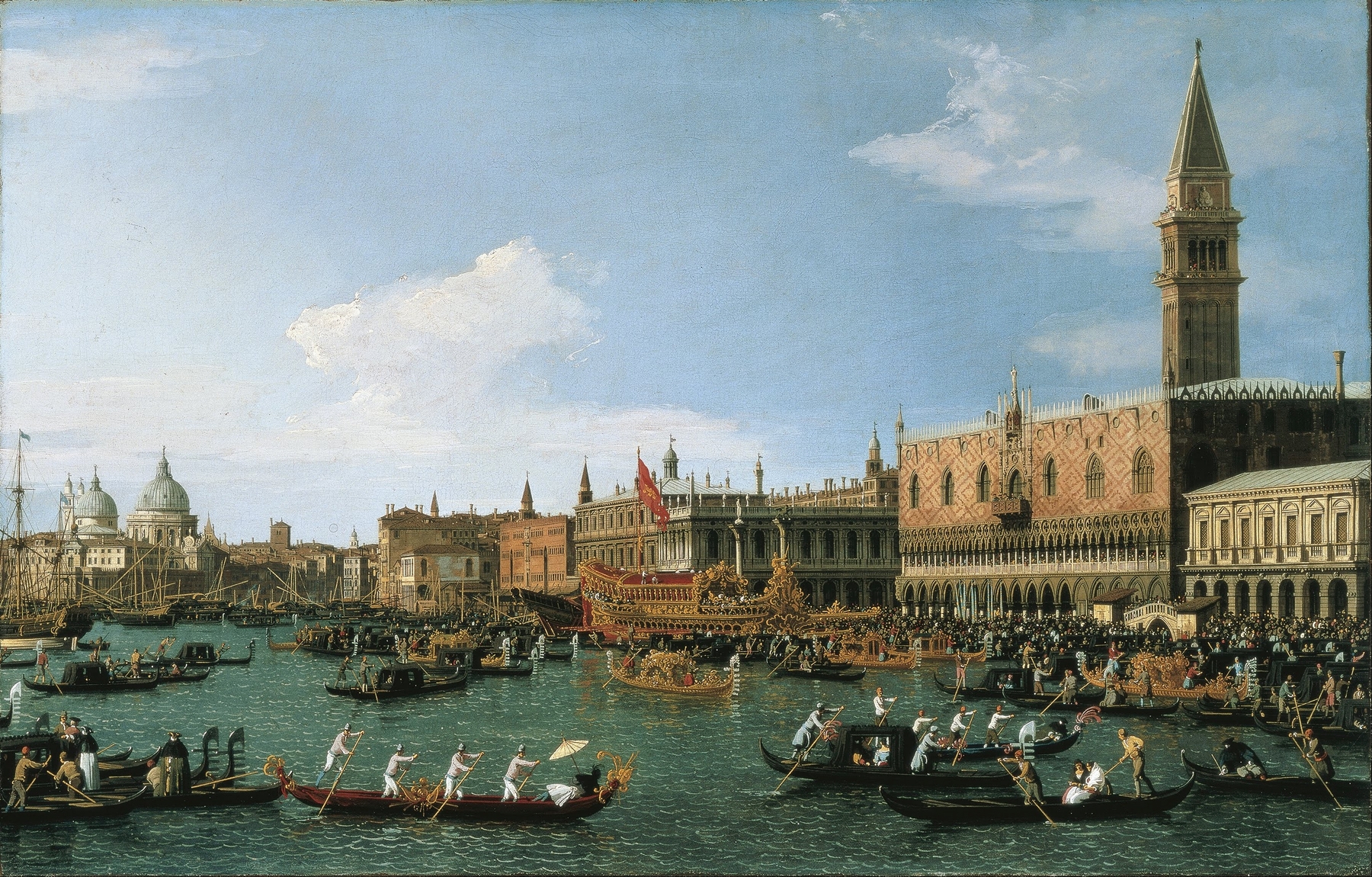
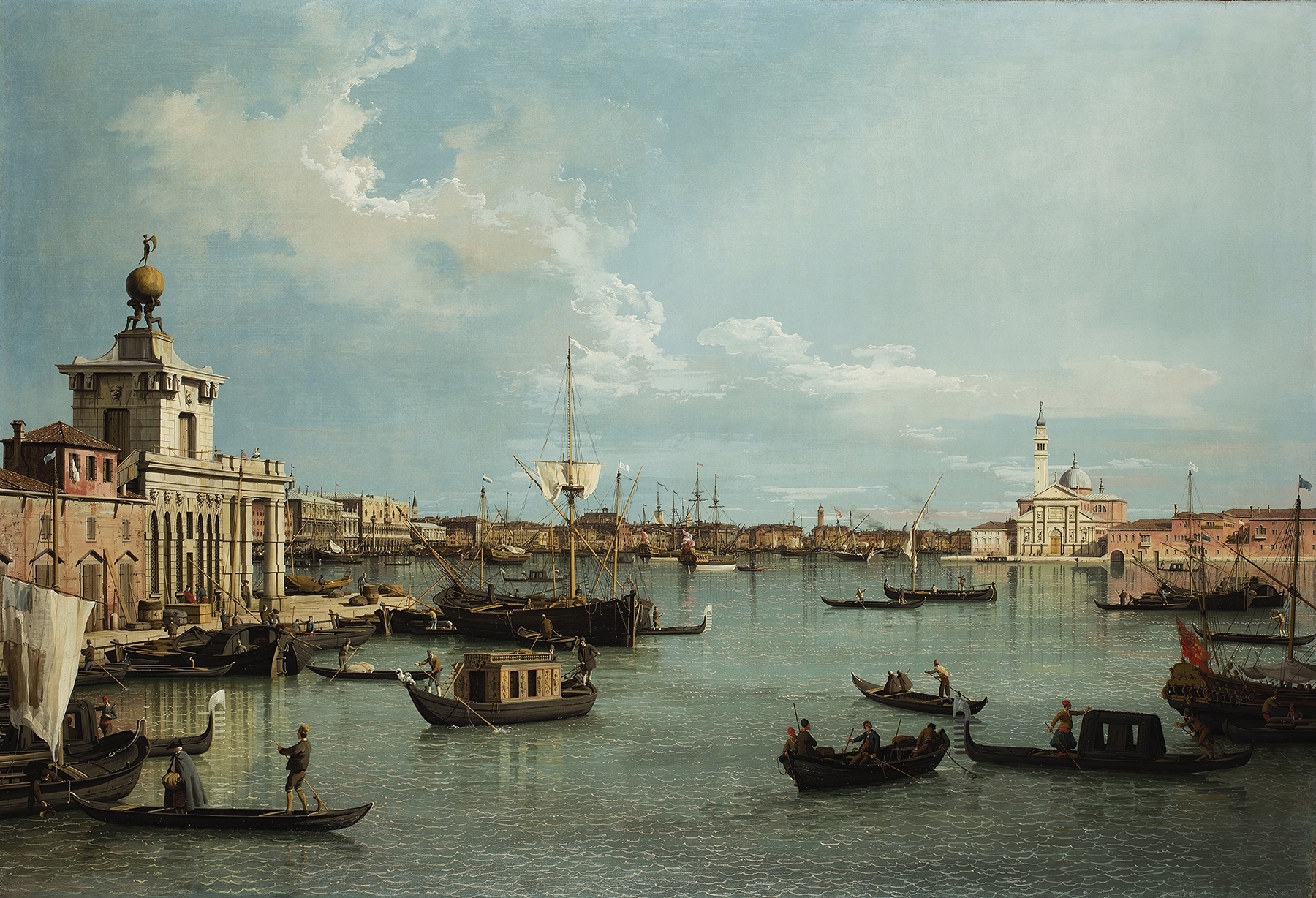
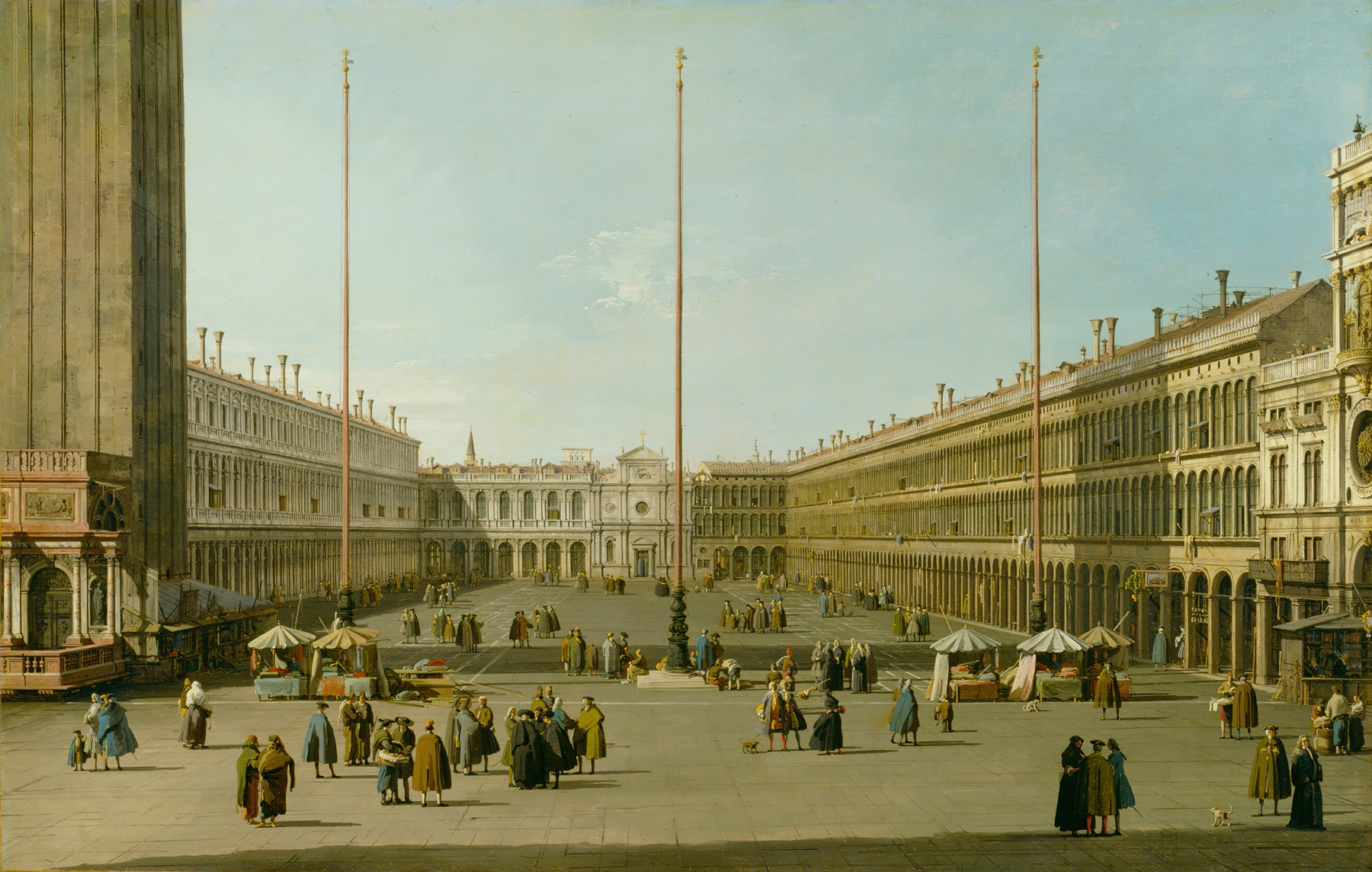
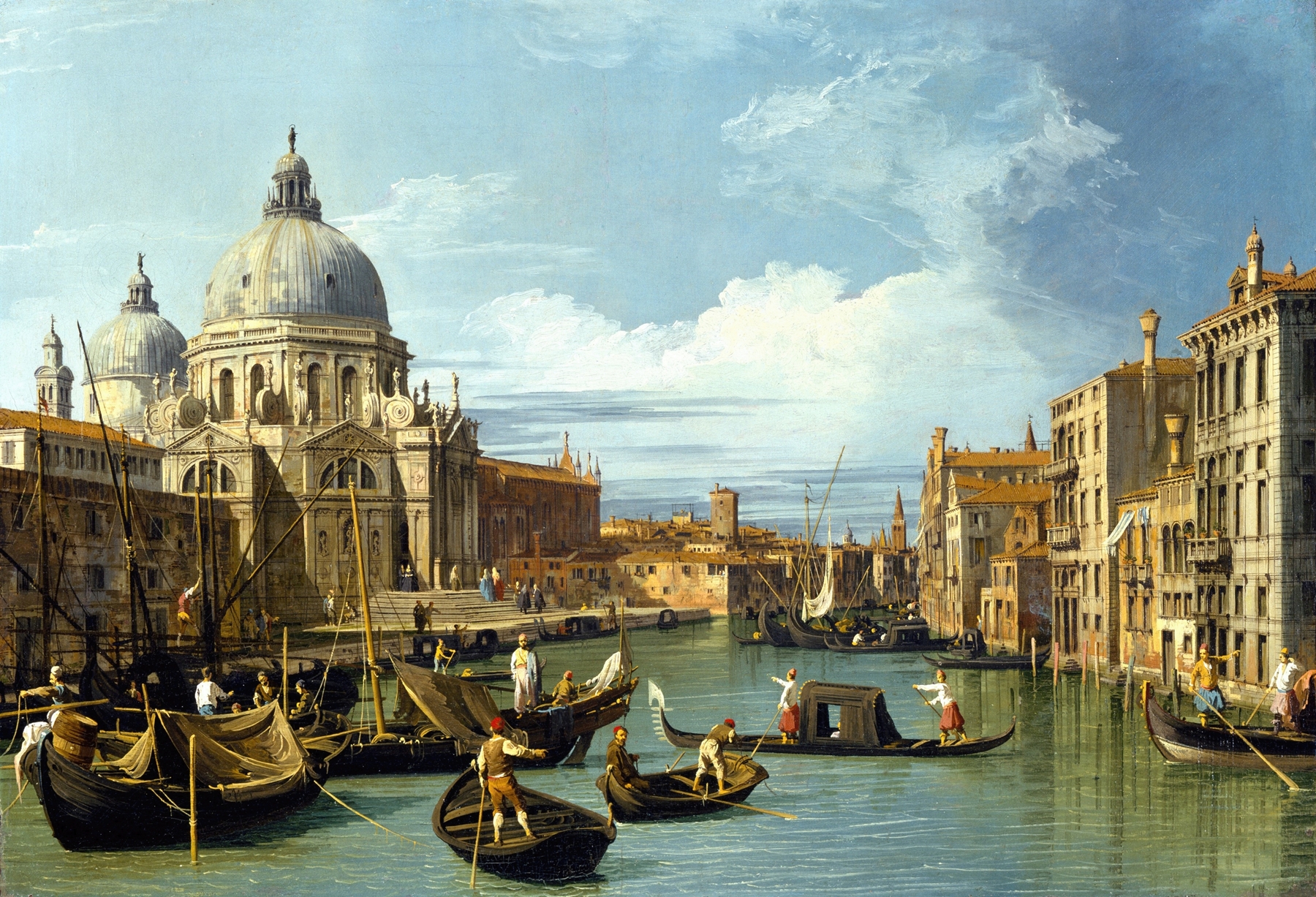
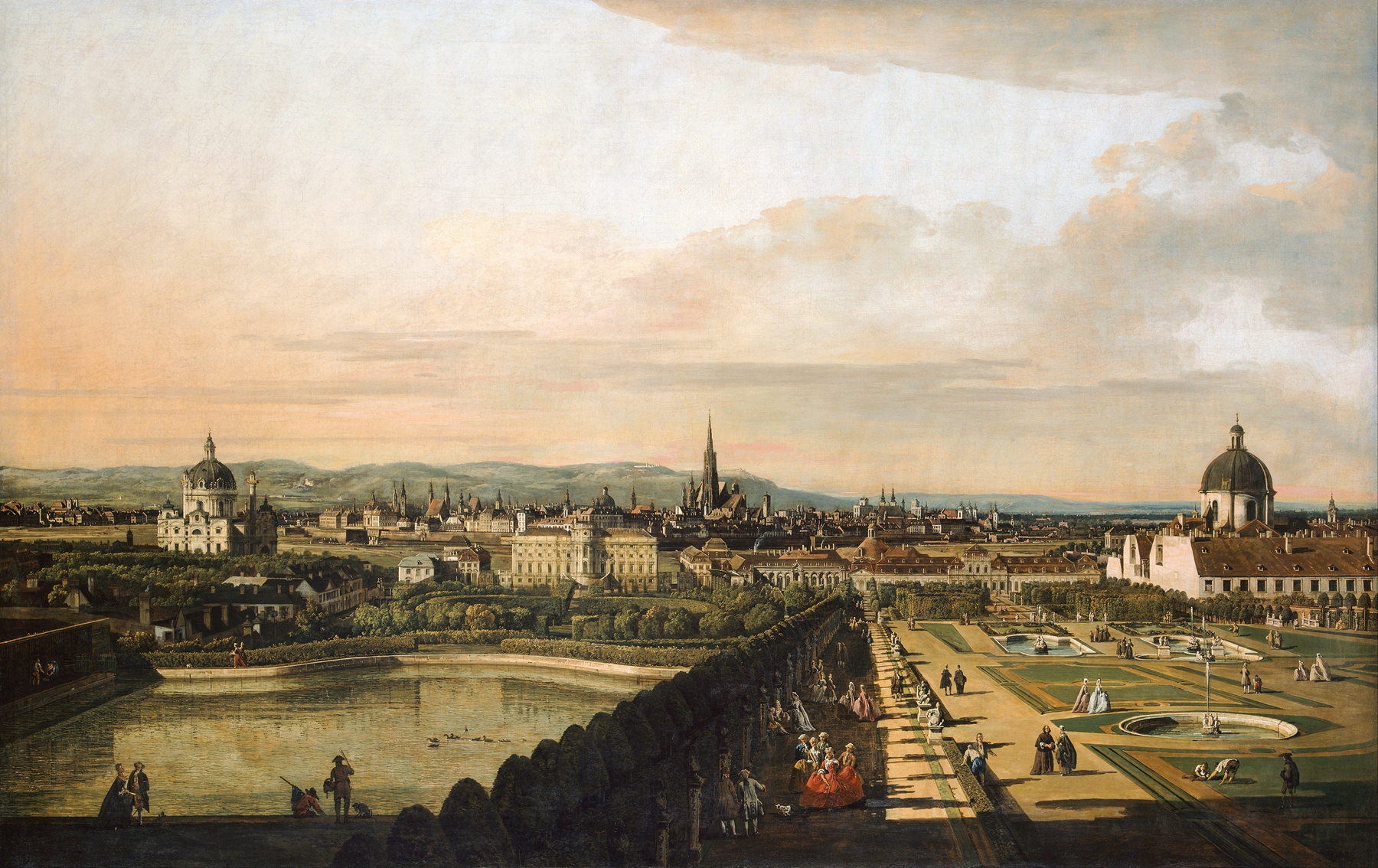
When did color learn to lie? The vibrant hues that dance across the canvas mask a solitude that echoes through the grandeur of Vienna. Look to the left at the regal contours of the Belvedere Palace, where the meticulously rendered architecture stands as a testament to human achievement. The delicate interplay of light and shadow creates an almost ethereal quality, inviting the viewer to explore every corner of the city below.
Notice how the cerulean sky seamlessly blends with the warm tones of the rooftops, yet it simultaneously evokes a sense of distance, as if the viewer is trapped in a moment that feels both intimate and achingly detached. Within this harmonious composition lies a deeper narrative of loneliness. The bustling streets are populated by tiny figures, each one a solitary existence submerged in the vast expanse of the city. The meticulous detailing of the landscape juxtaposes the lively city life against an underlying stillness, as if the very structures that define Vienna are confining its inhabitants.
This tension invites contemplation on the relationship between place and emotional experience, suggesting that beauty can often feel isolating. Canaletto painted this work during the mid-18th century, a time when he was firmly established in Venice but began to explore the allure of other European cities. The artist captured this view of Vienna while embracing the burgeoning trend of landscape painting, a genre that was gaining momentum as artists sought to depict the beauty of urban life. This period marked a shift in the art world, where realism and meticulous detail became paramount, reflecting both the triumphs and the melancholy of contemporary existence.