Vieux Chemin À Auvers — History & Analysis
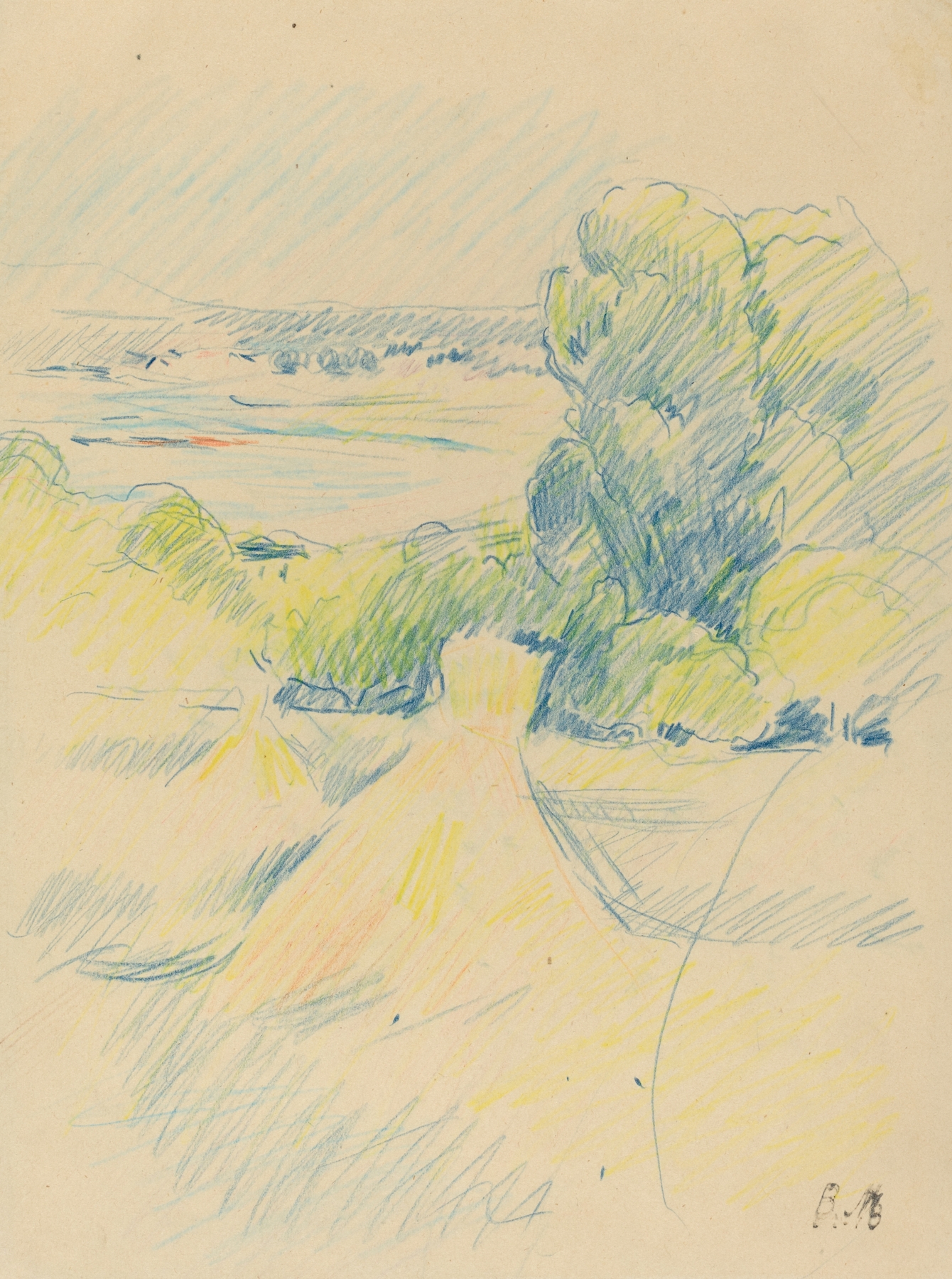
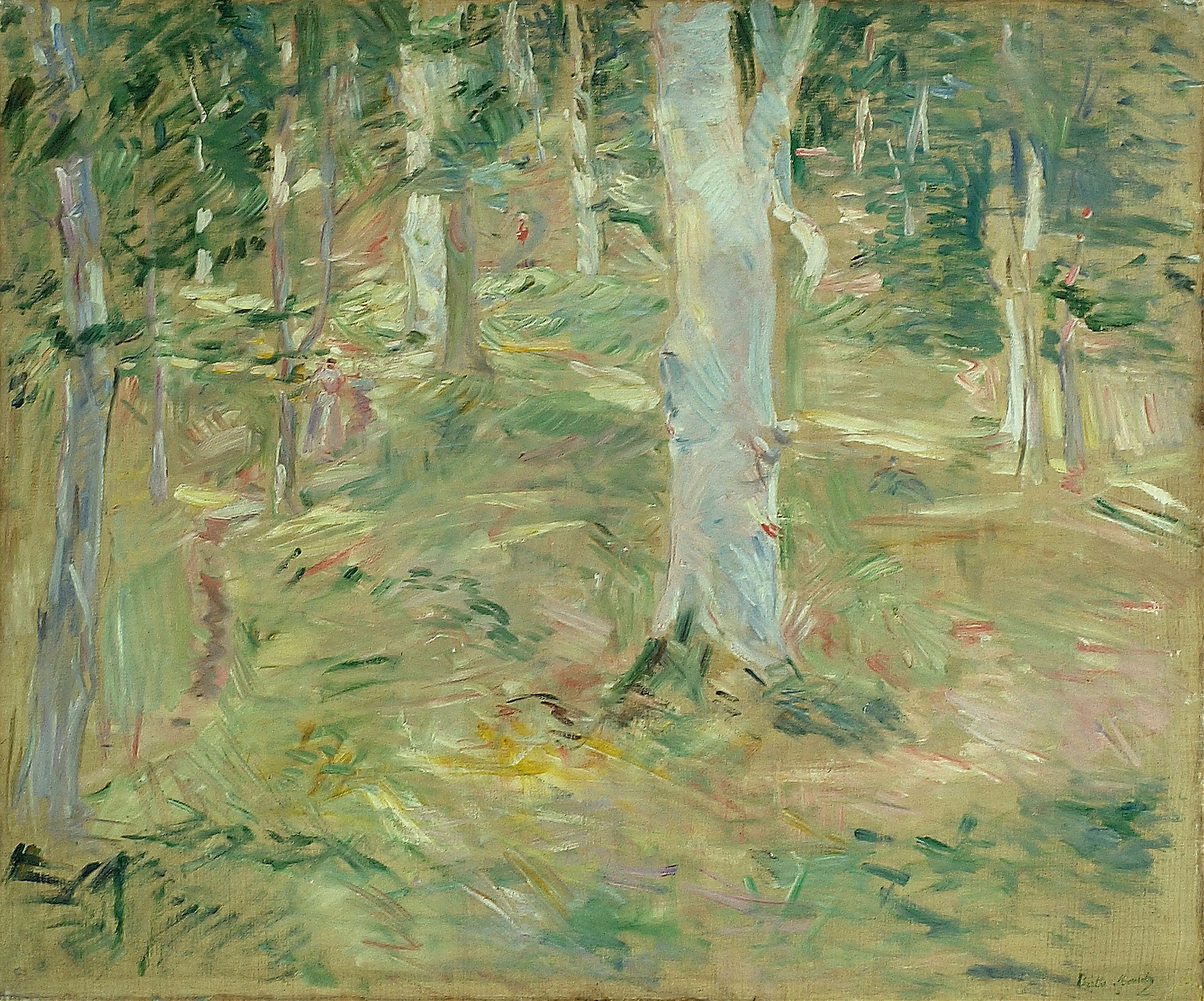
Where does light end, and longing begin? In a delicate dance of hues, the boundaries blur, inviting us into the emotional terrain of the soul. Look closely at the soft, shimmering light that spills across the canvas. Notice how it caresses the pathway in the foreground, casting gentle shadows that weave into the overgrown grass. The brushstrokes, light and fluid, create a sense of movement, guiding the viewer's eye toward the distant horizon where the path meanders and fades.
The palette is awash with serene greens, earth tones, and whispers of blue, each hue reflecting the tranquility yet underlying tension of a journey taken, or perhaps, one yet to begin. This artwork pulses with emotional depth. The winding path symbolizes both a physical journey and an internal quest, inviting contemplation on the nature of personal growth and reflection. The juxtaposition of the lively greens and the muted earth tones speaks of hope intertwined with uncertainty, while the luminous light suggests moments of clarity amid the shadows of doubt.
There’s an inherent tension in the stillness—an invitation to pause, breathe, and lose oneself in contemplation of what lies ahead. In 1863, during a pivotal moment in the world of art, the artist sought independence, painting Vieux Chemin À Auvers amid the vibrant and evolving atmosphere of the Impressionist movement. Living in Paris, she was surrounded by progressive thinkers and artists who challenged traditional norms, encouraging her to explore new techniques and themes. This period marked a significant evolution in her work, reflecting her inner aspirations and the broader shifts within the artistic community.