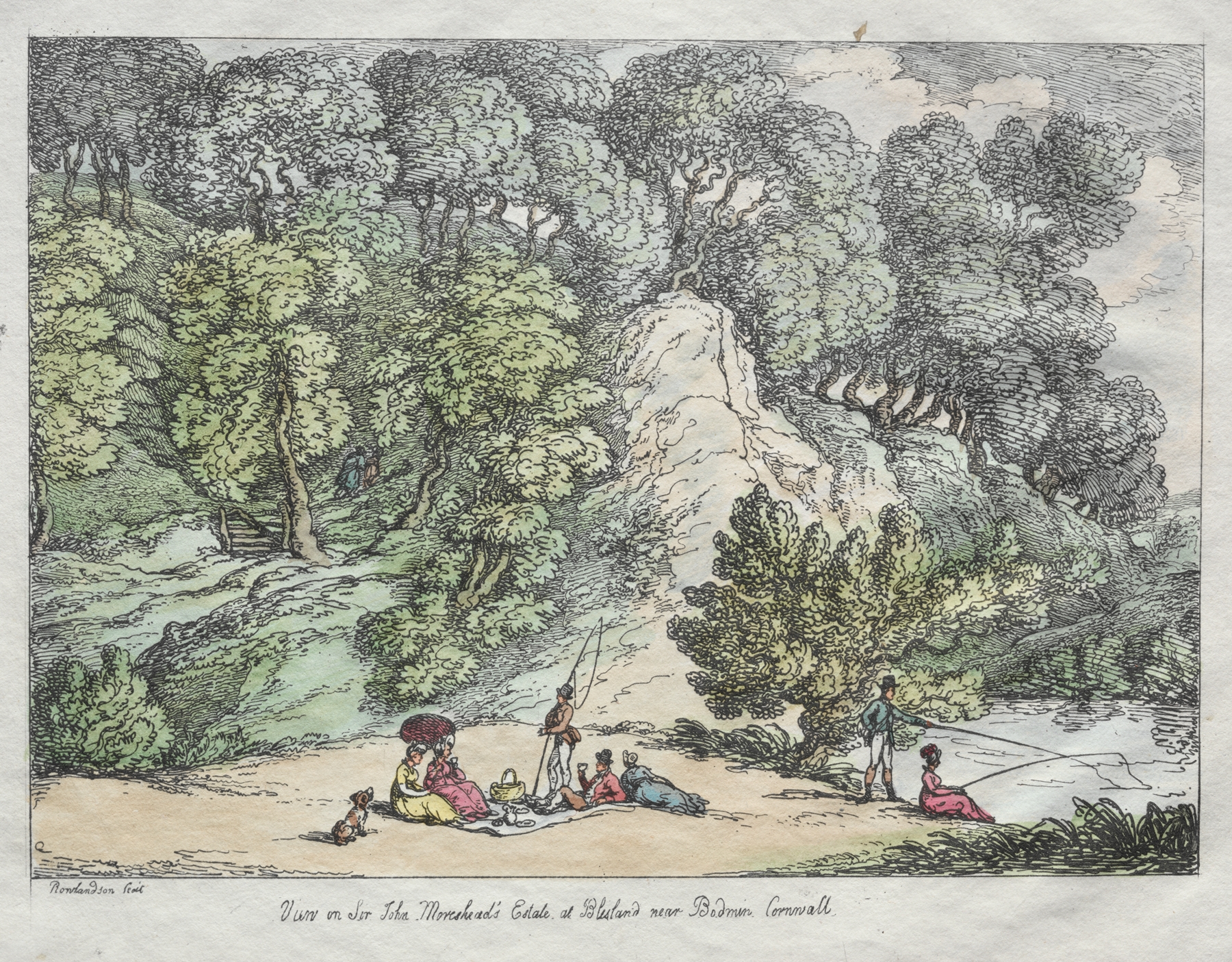
View at Blisland near Bodmin, Cornwall — History & Analysis
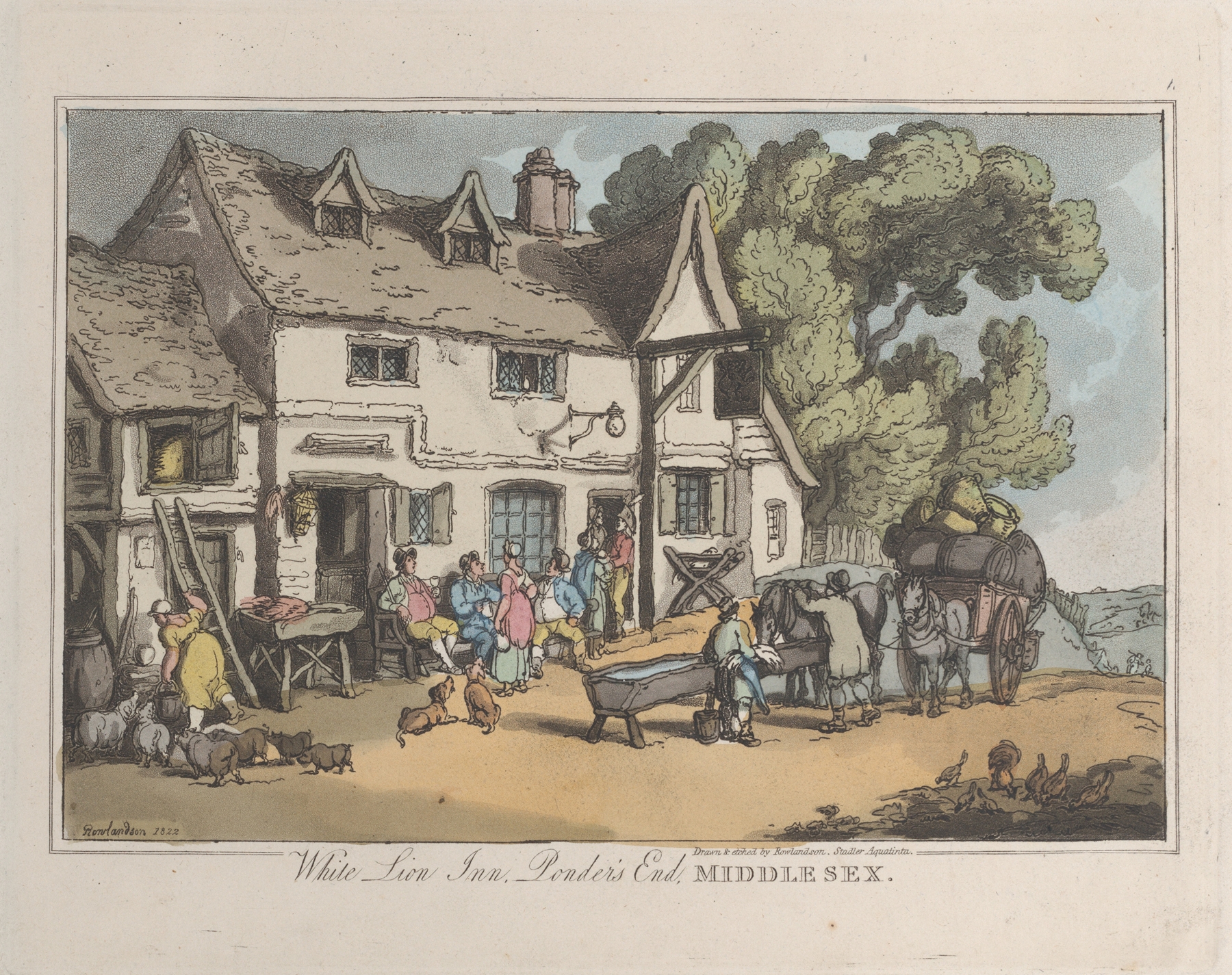
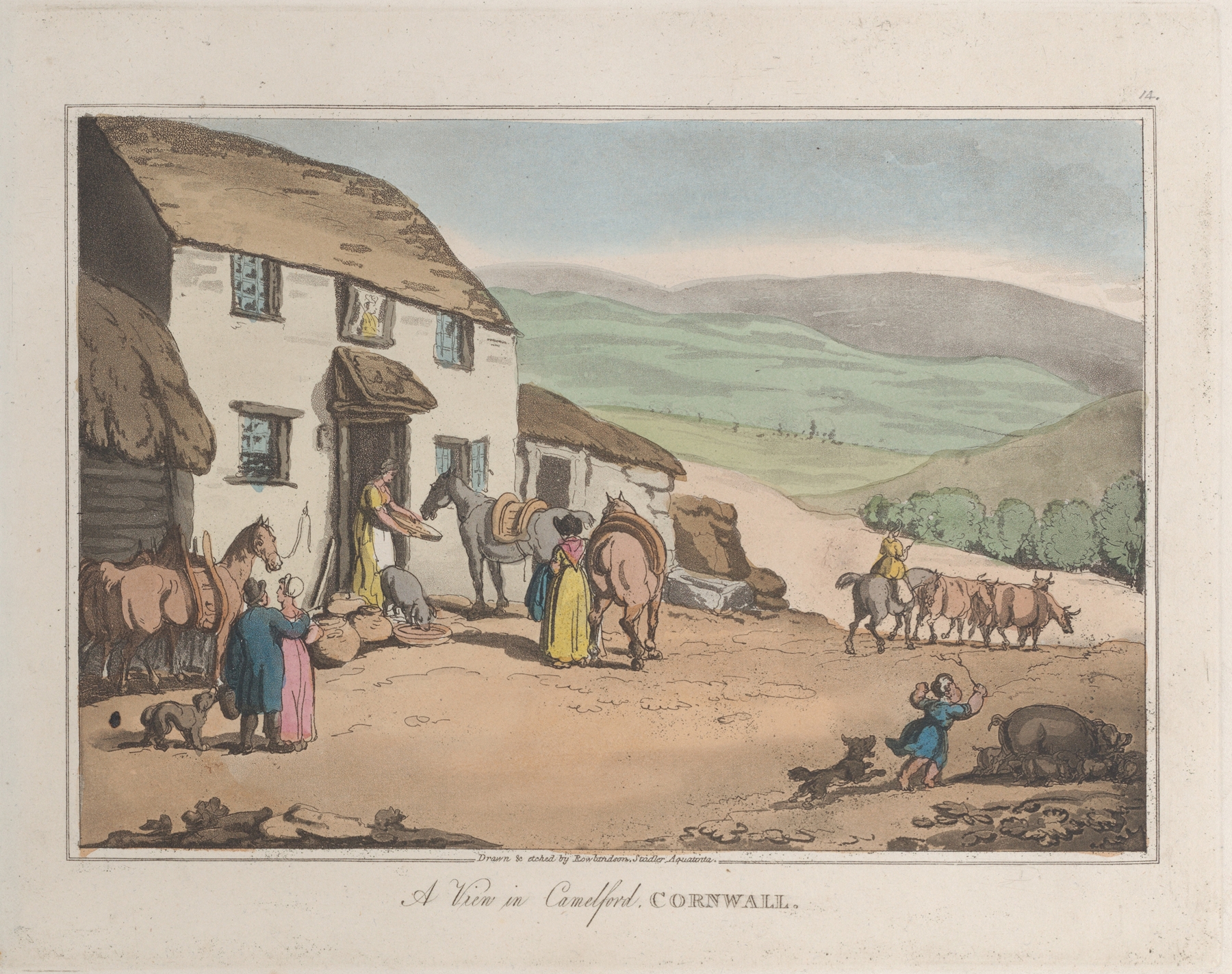
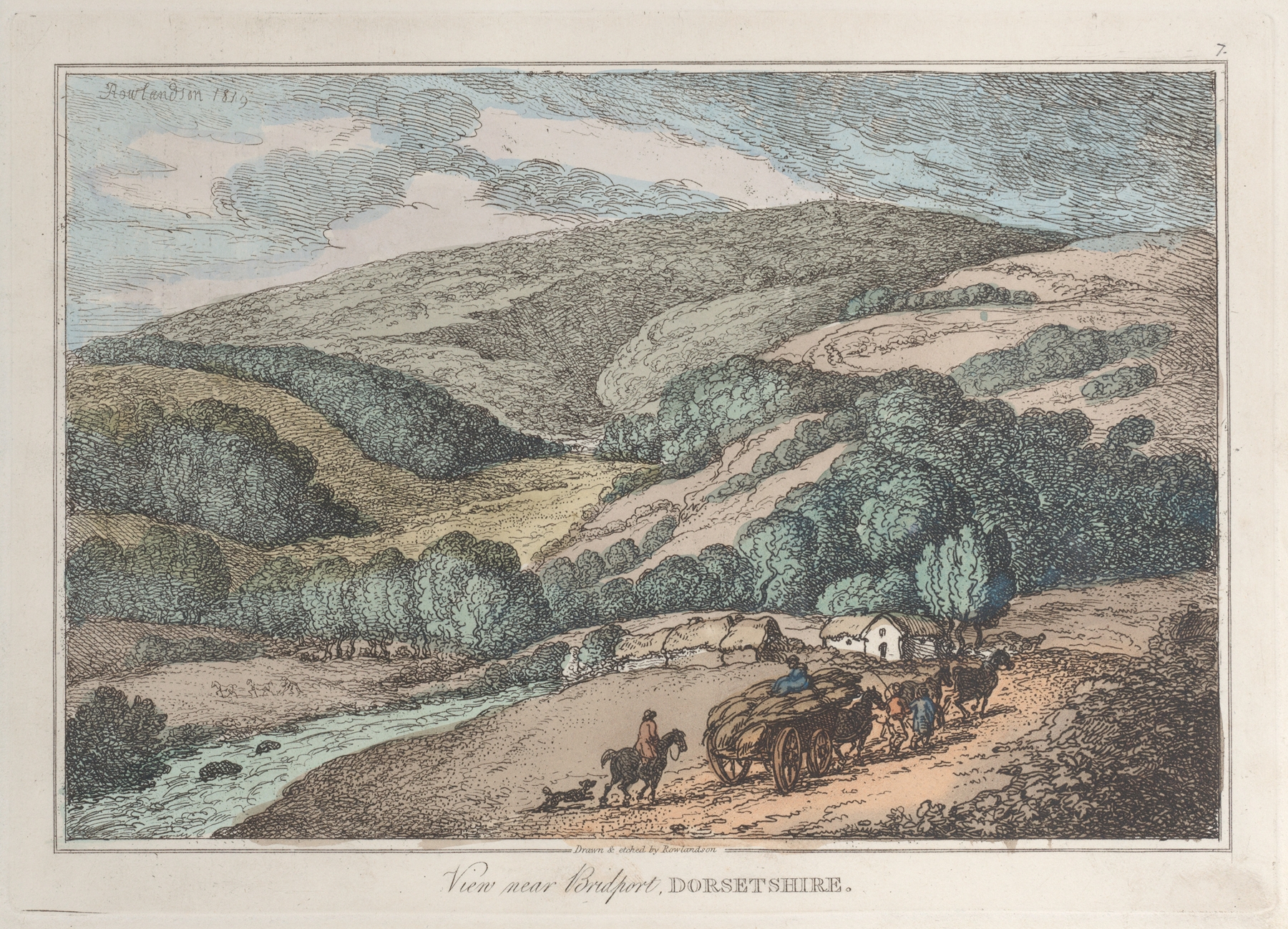
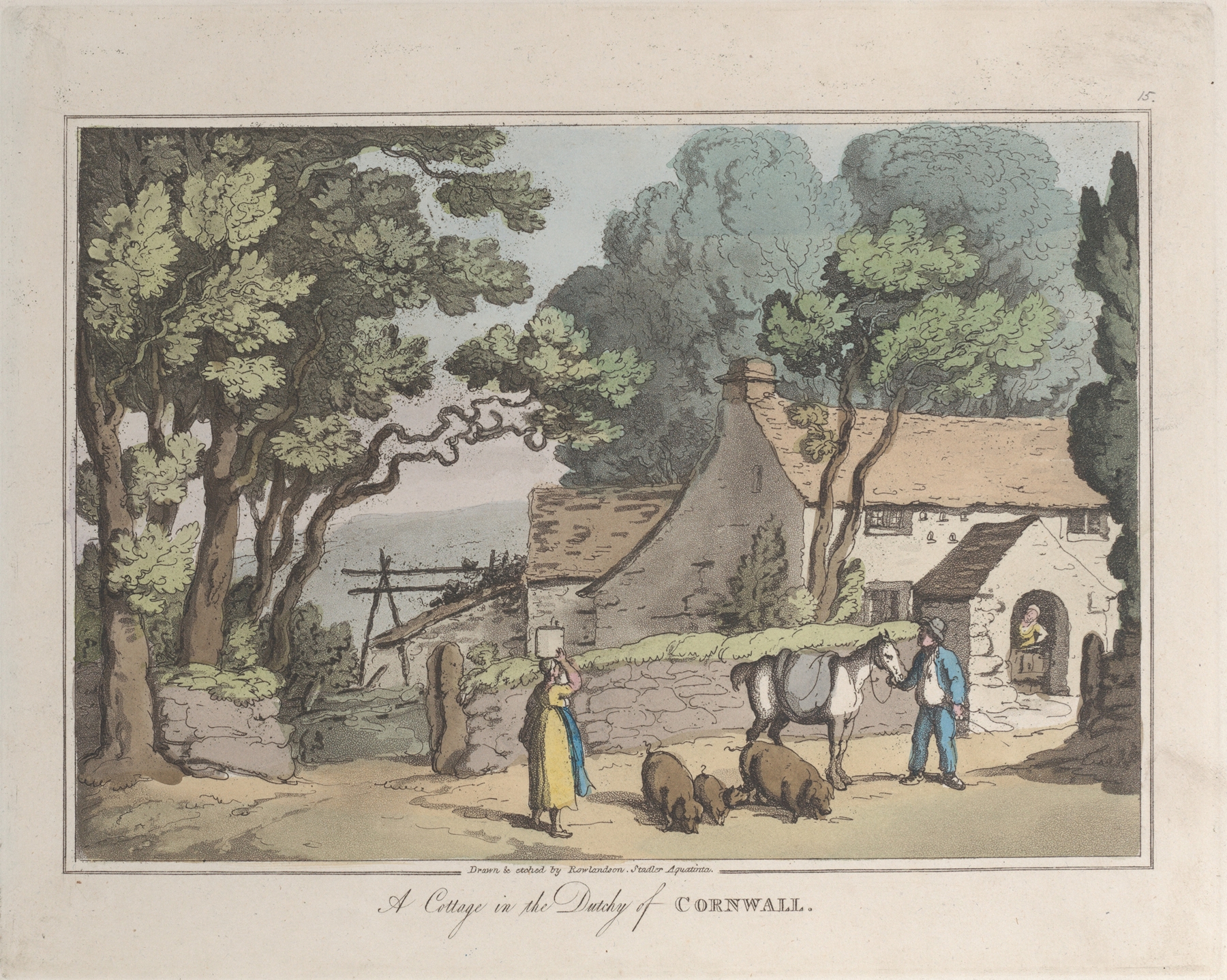
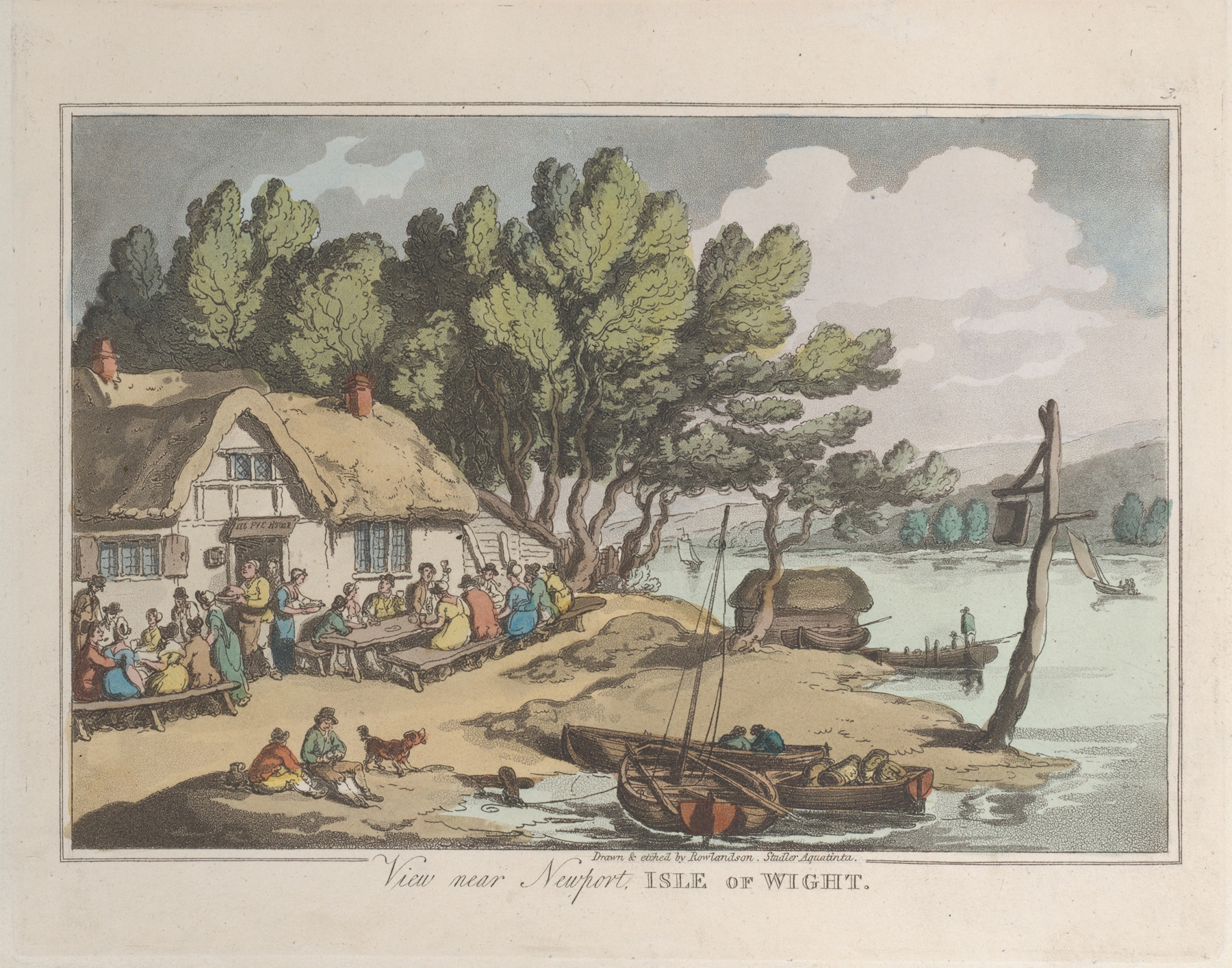
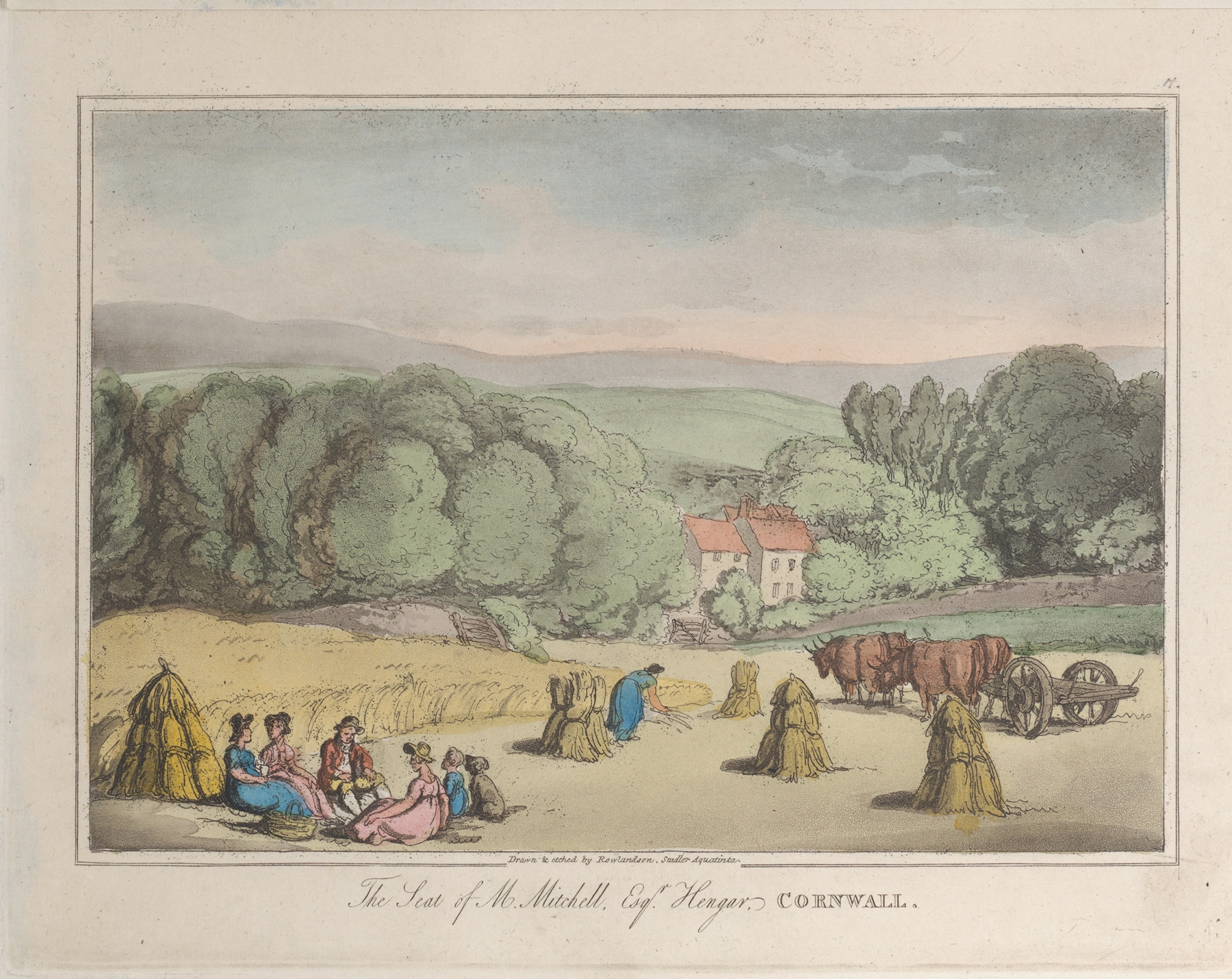
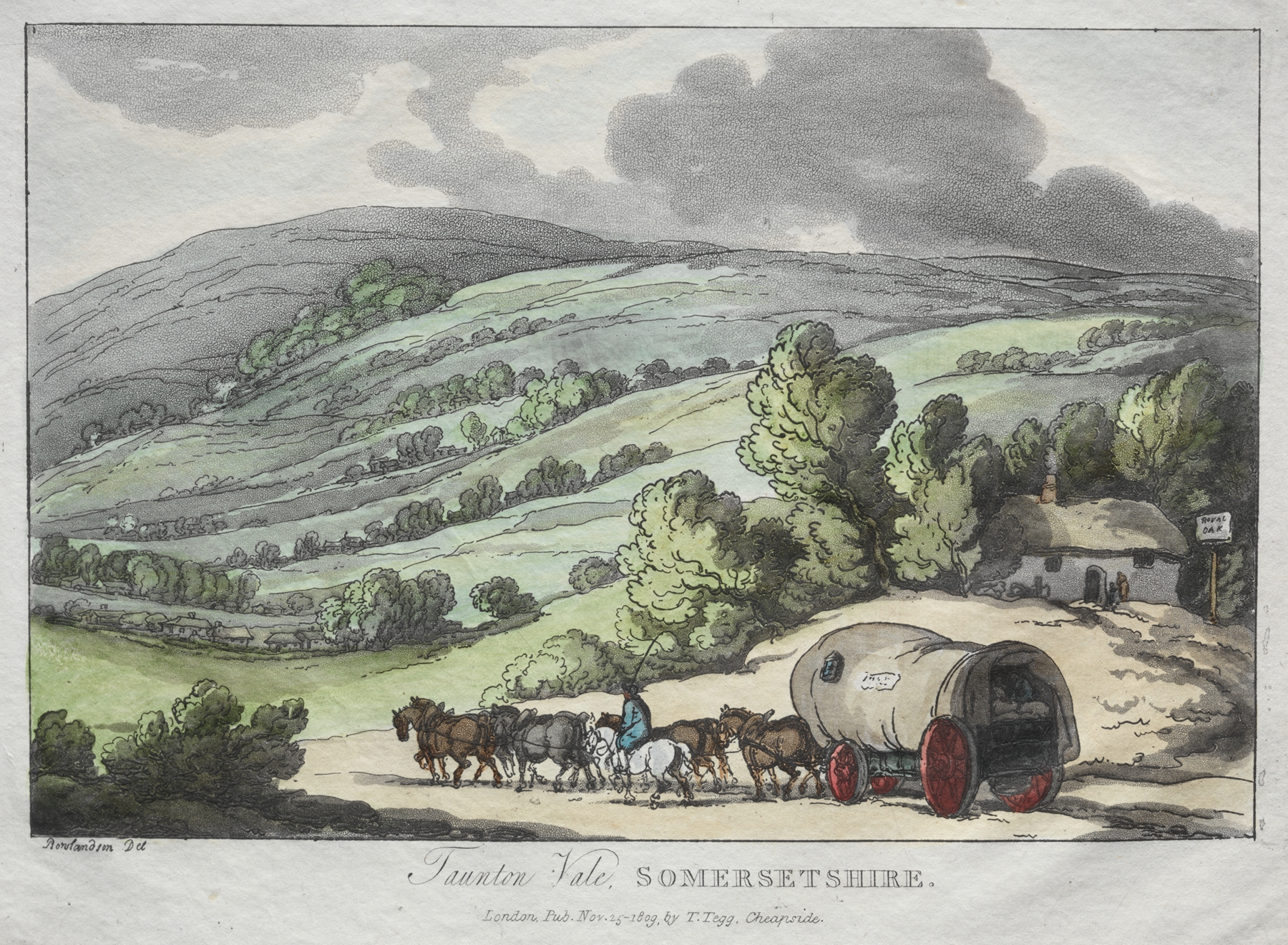
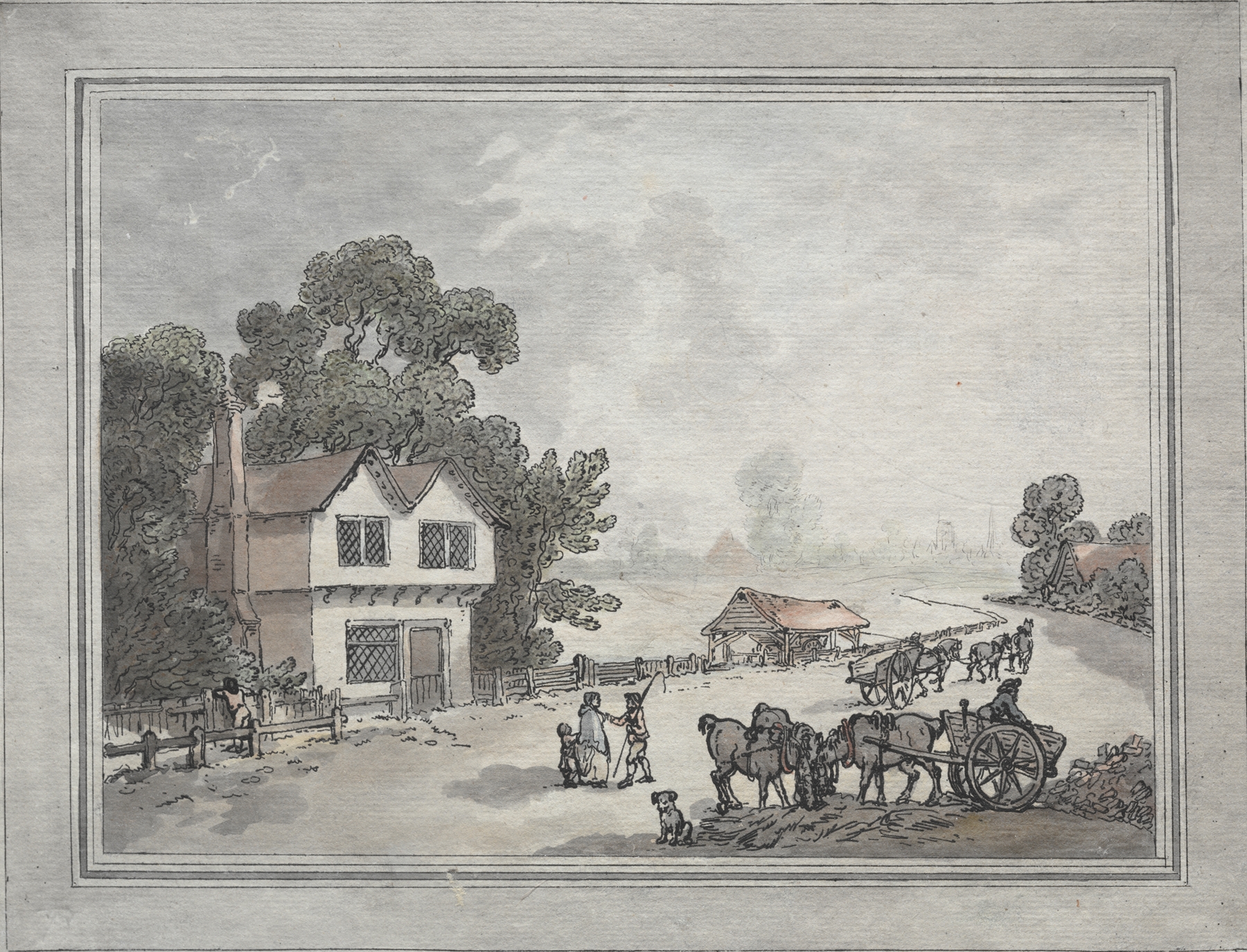
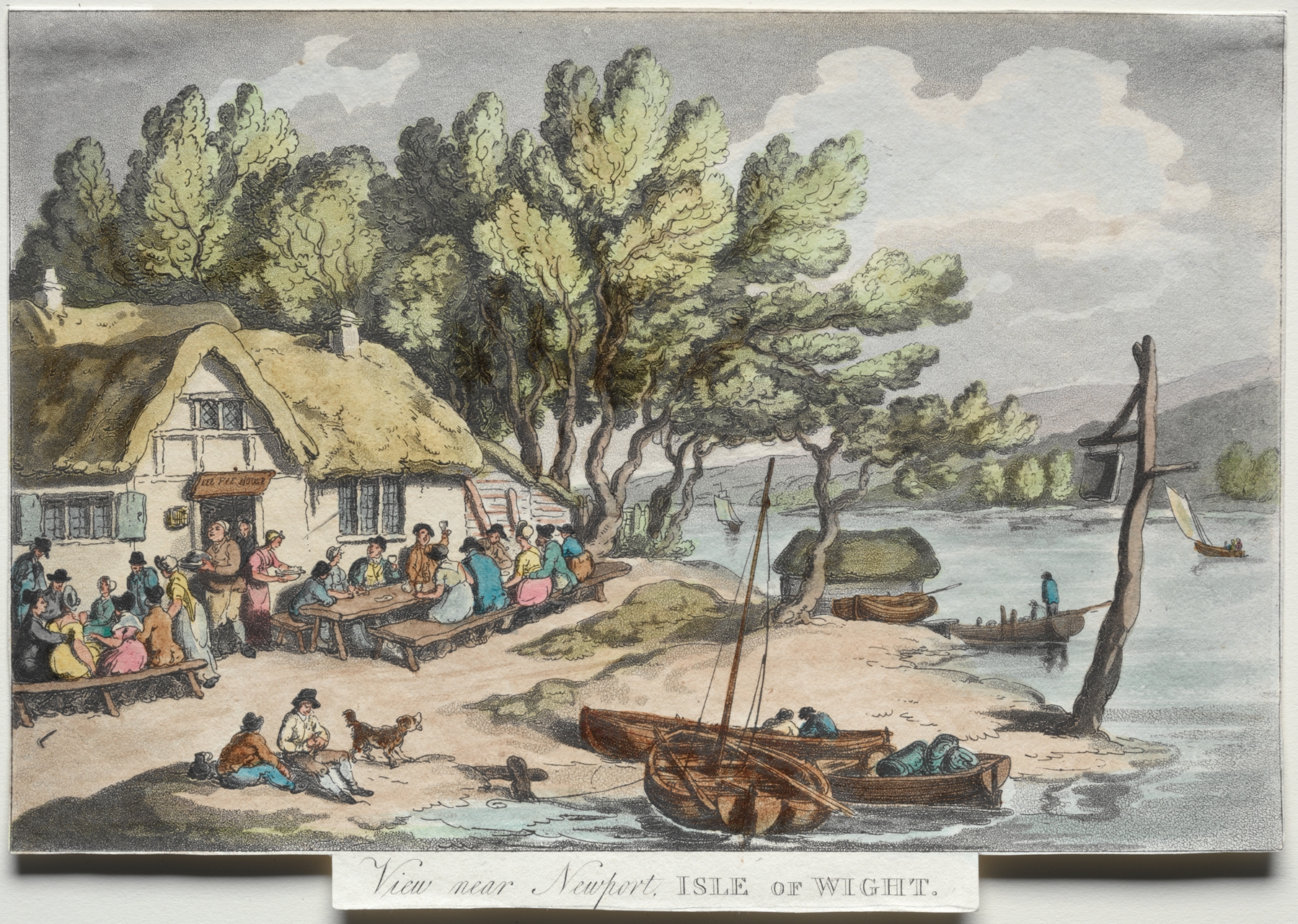
“To paint is to remember what time wants us to forget.” In the chaos of existence, where moments blur into one another, the stillness captured in art offers refuge. Focus first on the horizon, where rolling hills meet a vibrant sky streaked with gentle hues of blue and gold. Notice how the artist skillfully juxtaposes the lush greenery of the landscape with the delicate brushwork that suggests the ever-changing light. The foreground, populated with whimsical figures, draws your gaze, inviting you into a pastoral world filled with life and vitality.
Each stroke reveals the artist's meticulous attention to detail, conveying both tranquility and a hint of disarray. In this piece, the contrast between the serene landscape and the animated figures hints at the interplay of chaos within nature and human life. The figures, engaged in various activities, exhibit a spontaneity that reflects the unpredictability of existence. Subtle expressions and gestures suggest a narrative unfolding amidst the idyllic backdrop, where beauty and turmoil coexist harmoniously.
In 1822, Rowlandson painted this piece during a time when he was exploring the picturesque scenery of England. Amidst his artistic pursuits, he faced personal and financial challenges, yet he found solace in his artwork. The idyllic landscapes he created not only reflect the beauty of the English countryside but also serve as a testament to the resilience of the human spirit amidst the chaos of life.