View At Skjolden In Lyster — History & Analysis
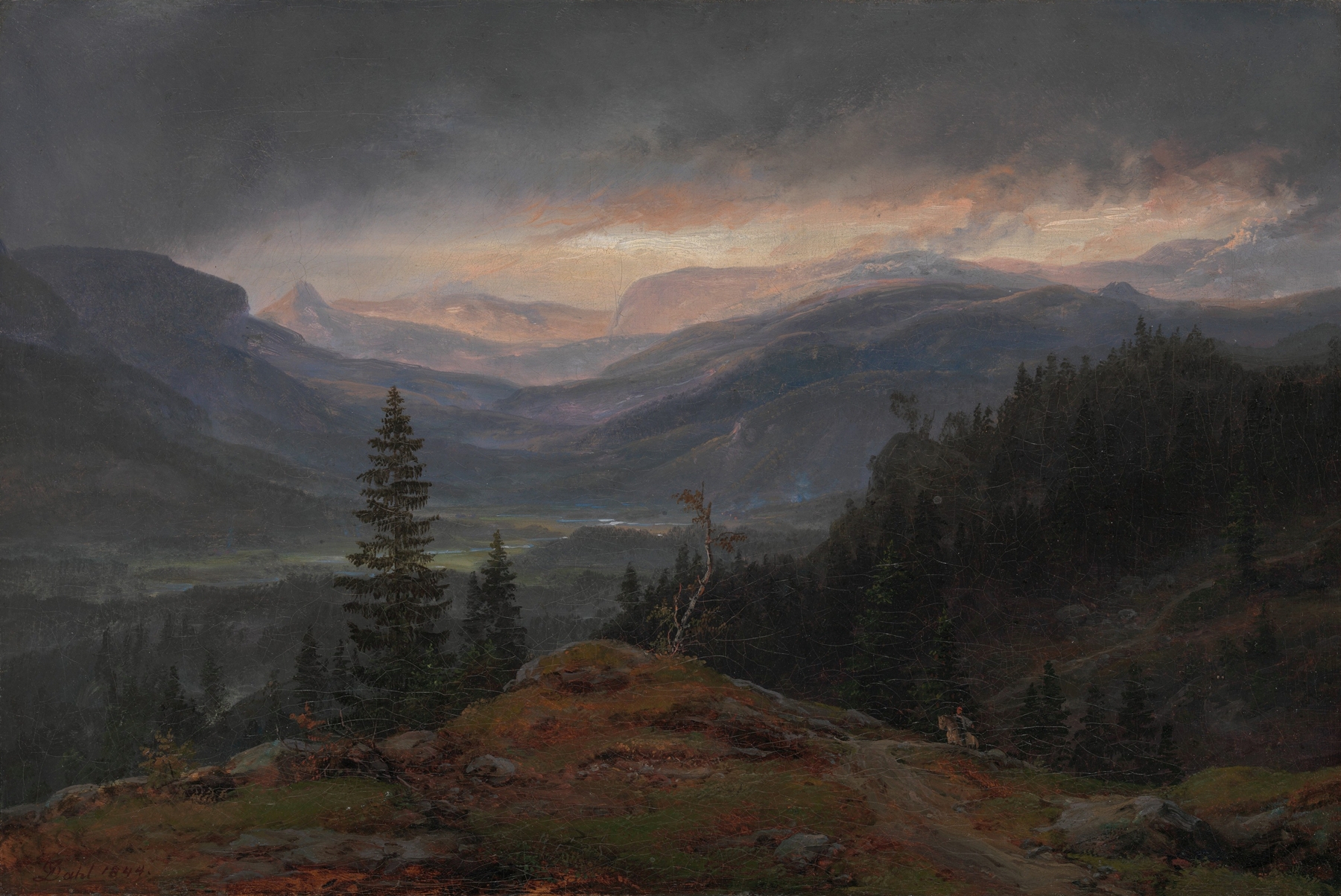
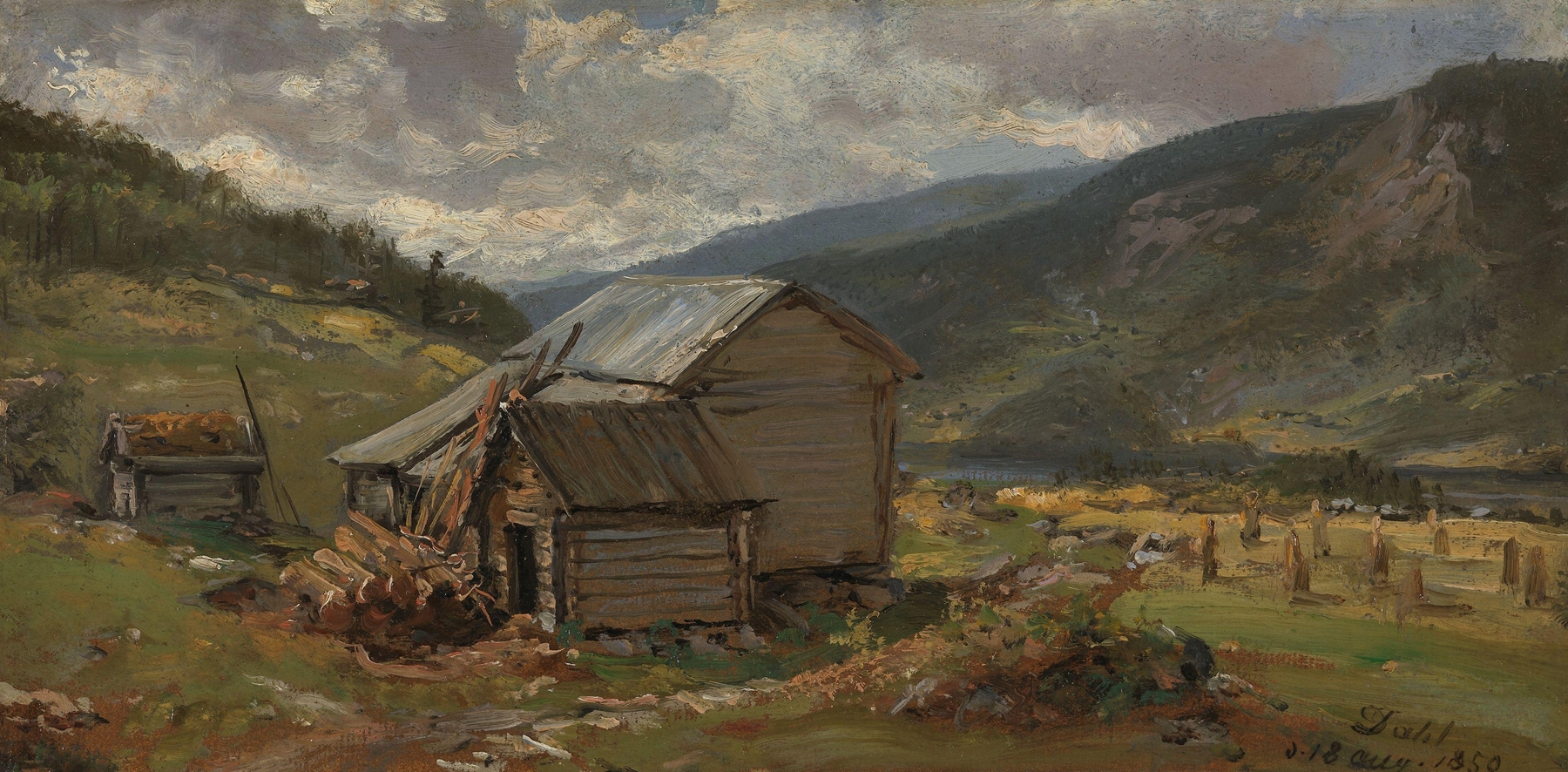
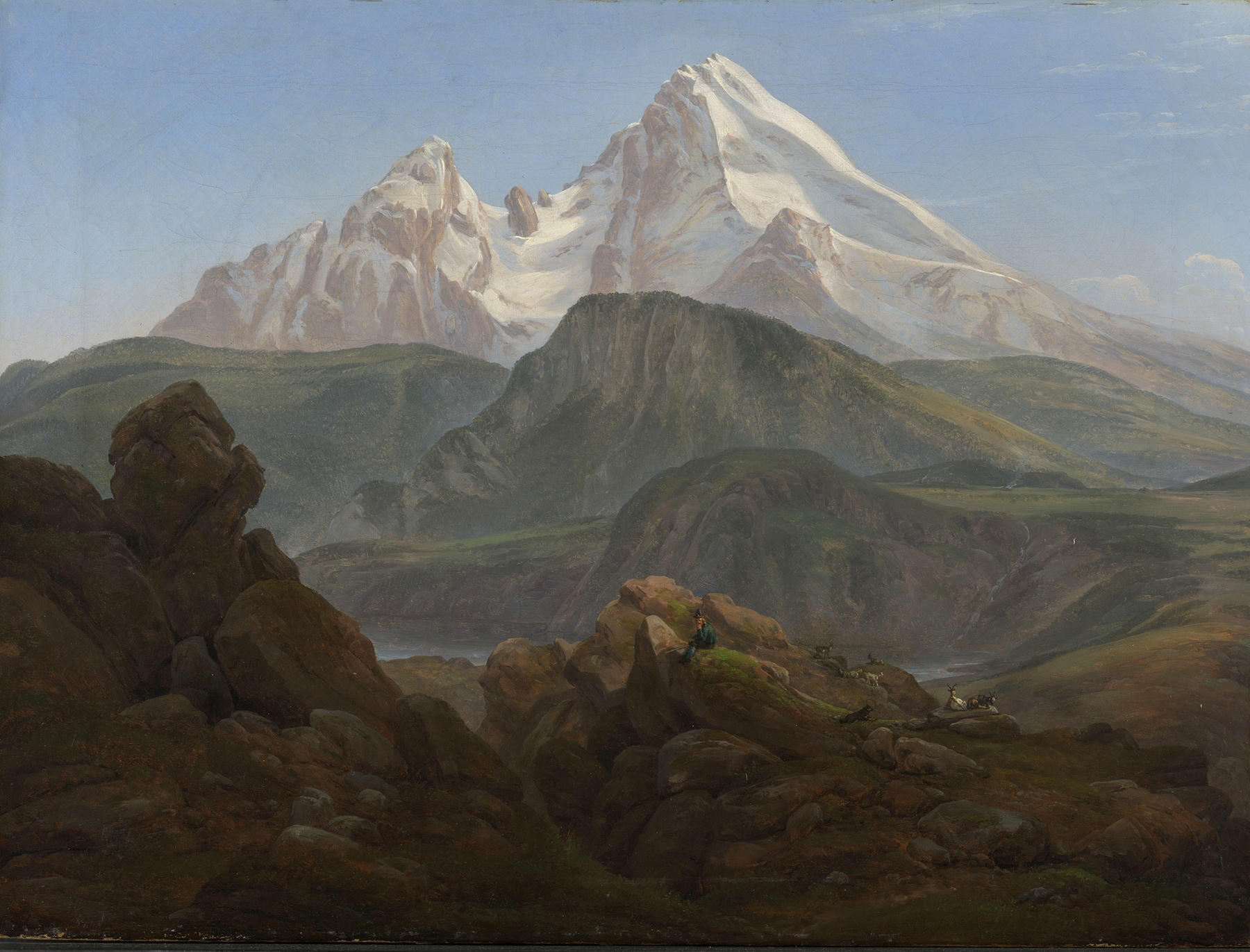
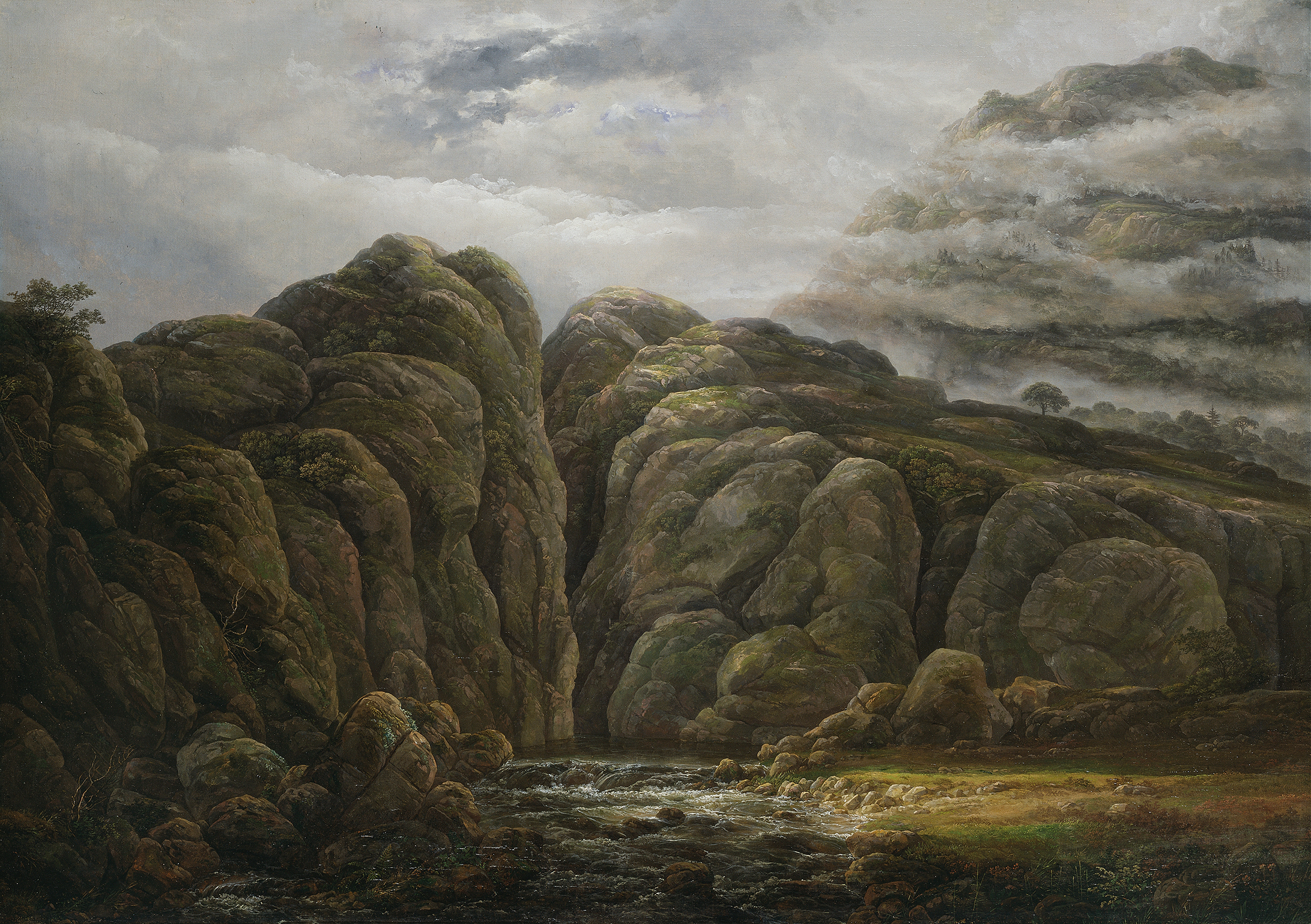
Who listens when art speaks of silence? In View at Skjolden in Lyster, the stillness of the landscape invites contemplation, revealing a deep connection between nature and the human experience. Look to the foreground where the calm waters reflect the rugged mountains, creating a harmonious balance between land and sky. Notice how the soft, muted colors of dawn envelop the scene, with gentle pastels blending seamlessly into one another.
The delicate brushwork adds a layer of texture to the foliage while the light subtly dances across the surface of the water, drawing your gaze deeper into the painter’s intentional illusion of tranquility. As you explore further, consider the tension between the serene beauty and the ominous mountains looming in the distance. The stillness evokes a sense of solitude, yet hints at the vastness and isolation of the landscape. Each element—the water, the trees, and the mountains—holds a story of its own, collectively weaving a narrative that speaks of both peace and the inherent solitude of nature.
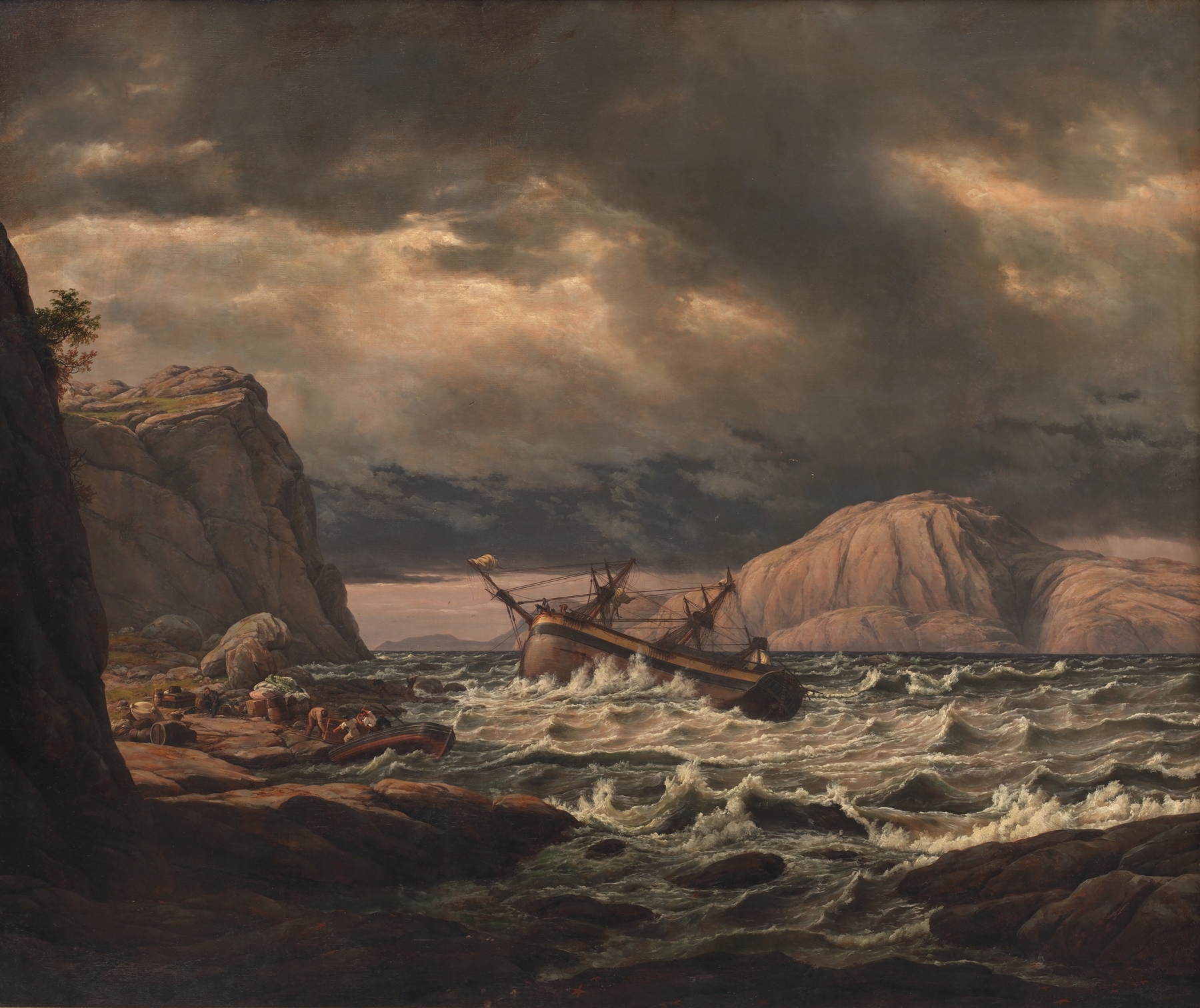
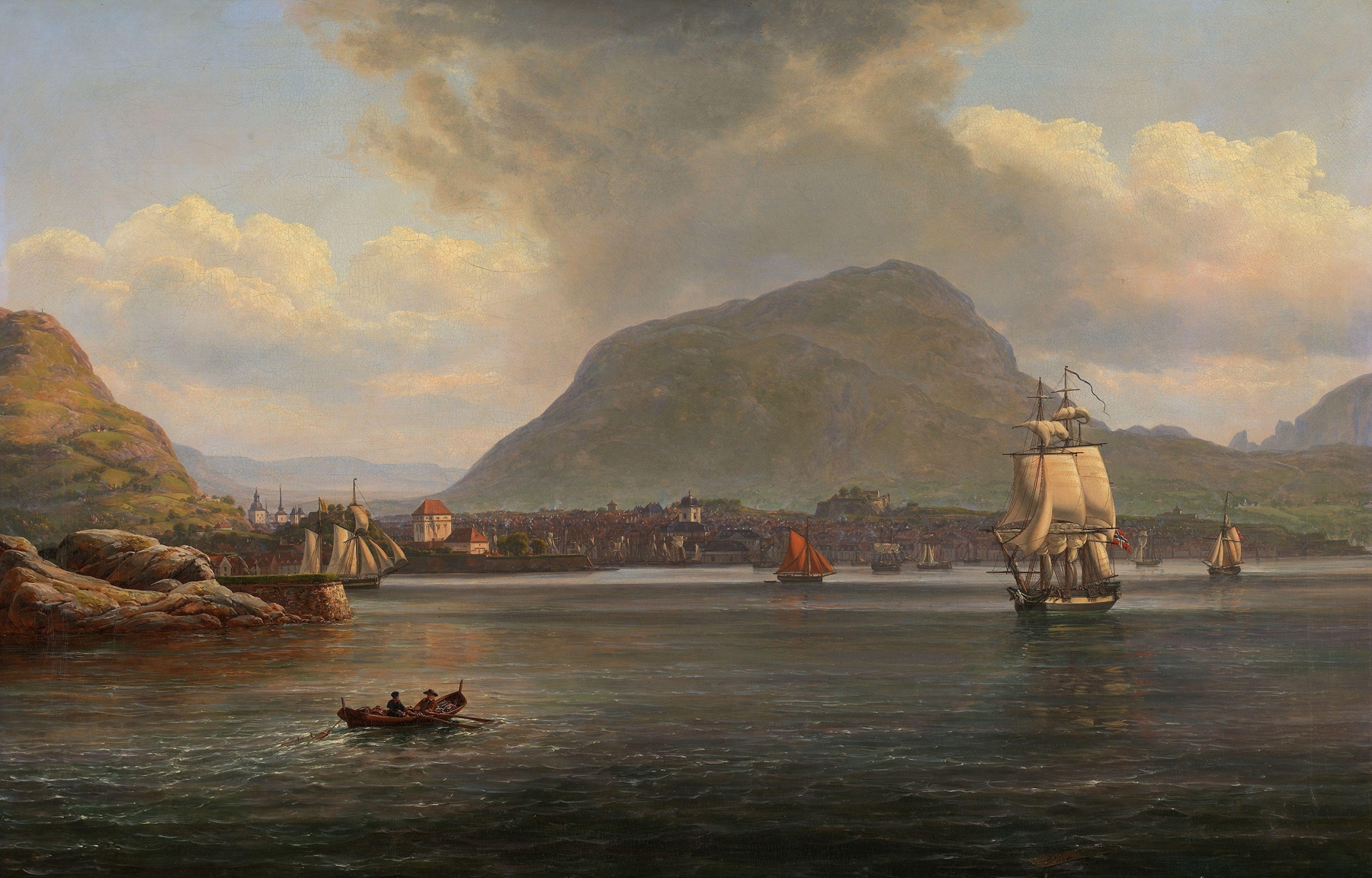
In 1843, Johan Christian Dahl painted this piece during a period of significant change in the art world, as Romanticism was gaining momentum in Europe. Living in Dresden, he was heavily influenced by the beauty of the Scandinavian landscapes and the burgeoning appreciation for nature's sublime power. This artwork reflects his deep engagement with these themes, showcasing a masterful understanding of light and composition that would define his legacy.