View from the Inn at Lynton — History & Analysis
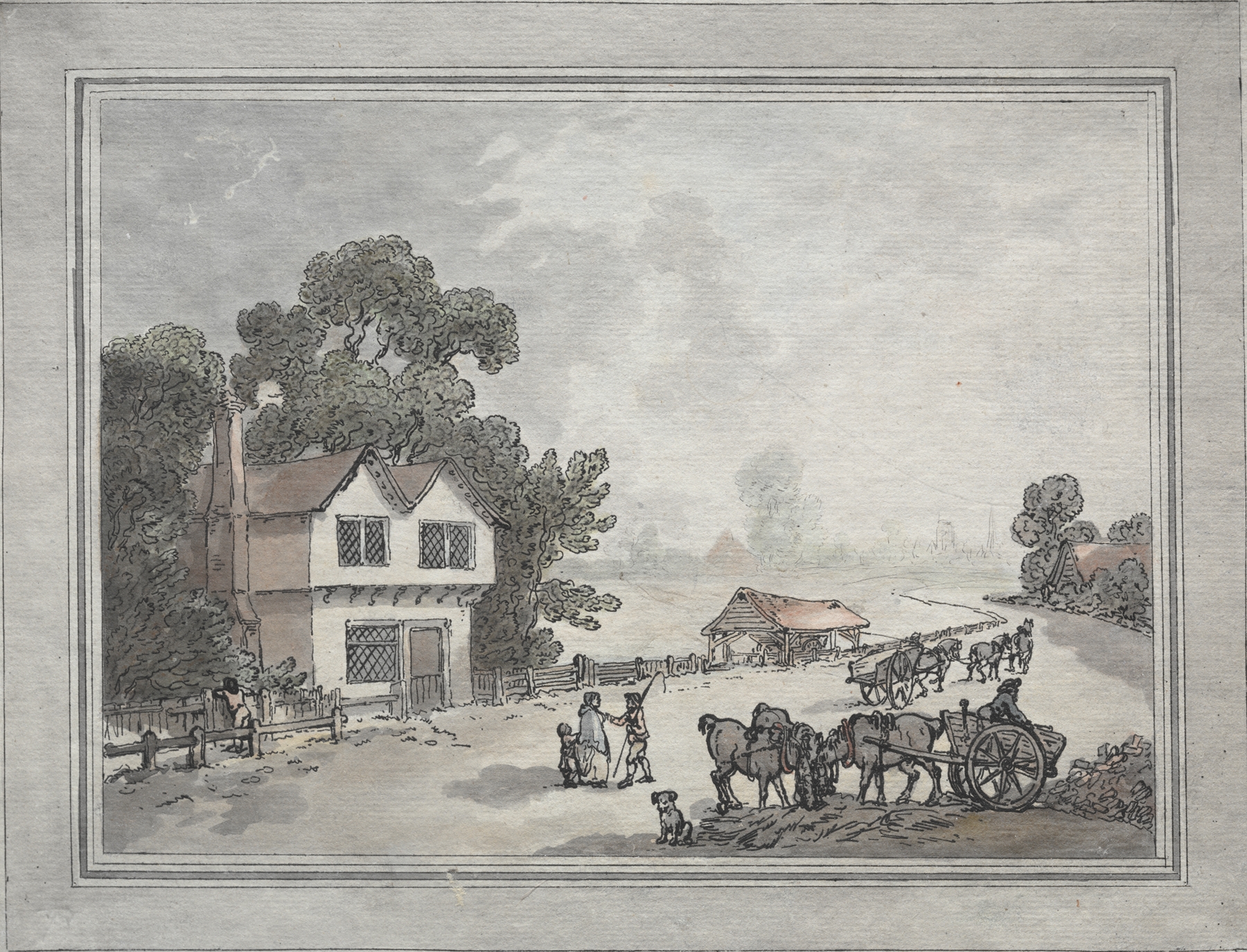
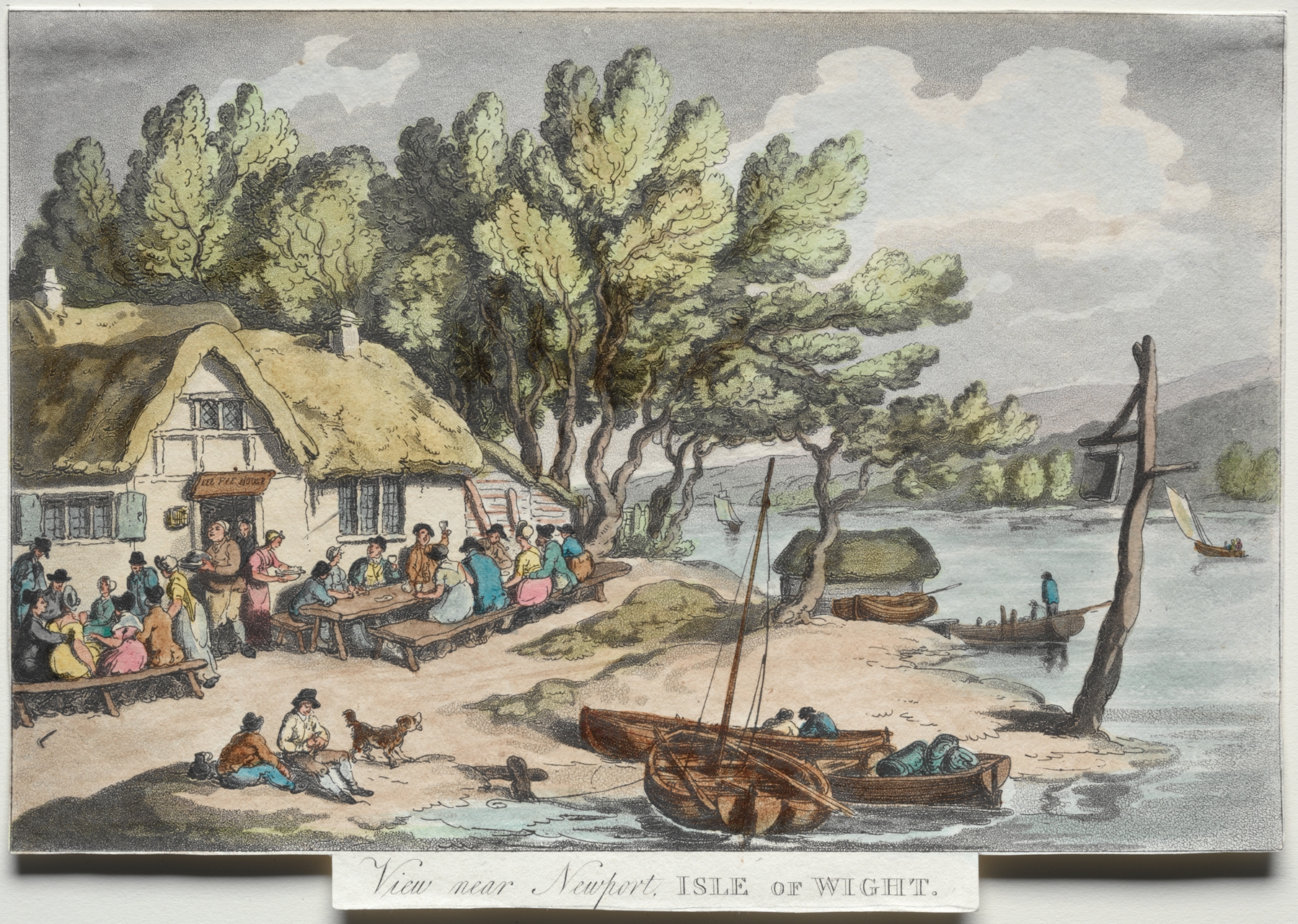
Could a single brushstroke hold eternity? In View from the Inn at Lynton, a seemingly serene landscape hints at the tumult beneath its surface. The tranquility of the scene juxtaposes an underlying tension, inviting the viewer to ponder what lies beyond the picturesque. Look to the center of the canvas, where the rolling hills gently cradle the inn, each stroke of the brush meticulously crafted to convey depth and dimension. The vibrant greens and muted browns intermingle, drawing your eye to the horizon.
Notice how the sky, painted with a blend of soft blues and wispy clouds, creates an illusion of distance that contrasts sharply with the bold strokes defining the inn’s structure. This interplay of colors and forms encapsulates a moment in time, while simultaneously stirring questions of the life and stories surrounding the inn. Yet, hidden within this bucolic scene is a whisper of violence. The jagged edges of the cliffs suggest the formidable forces of nature and the unpredictable human experience. The inn, a sanctuary amidst this chaos, stands resolute, representing both comfort and the fragility of existence.
This duality evokes a sense of vulnerability and resilience that permeates the work, challenging the viewer to consider the broader implications of their surroundings. In 1811, Rowlandson was at the height of his career, working in England during a period marked by social upheaval and artistic experimentation. The landscape genre was evolving, and his unique blend of satirical and picturesque elements reflected the tensions of his time. This painting emerged against a backdrop of political strife and shifting societal norms, capturing a moment that resonates with both beauty and unease.