View of an Italian hilltown with a horseman and peasants laboring — History & Analysis
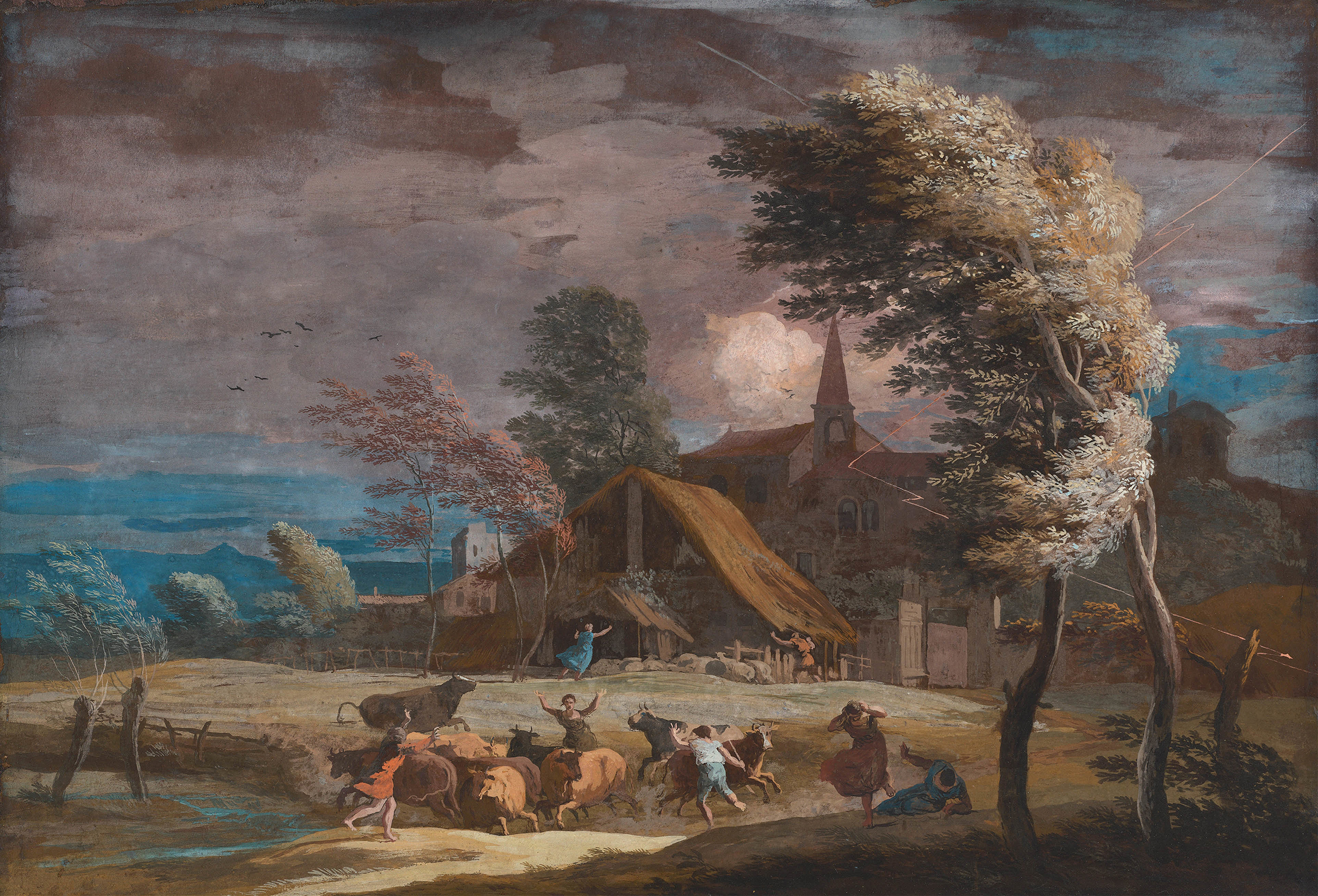
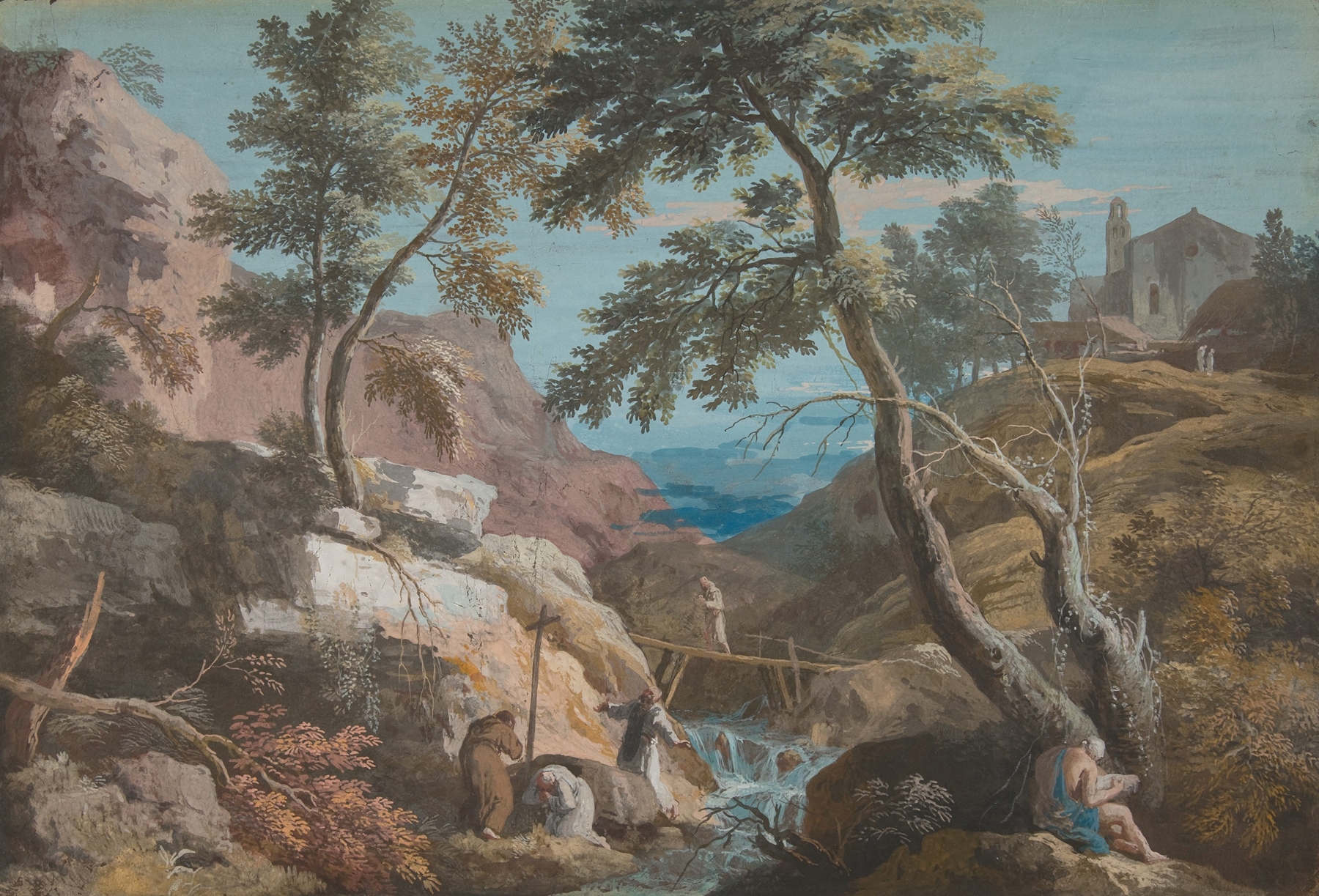
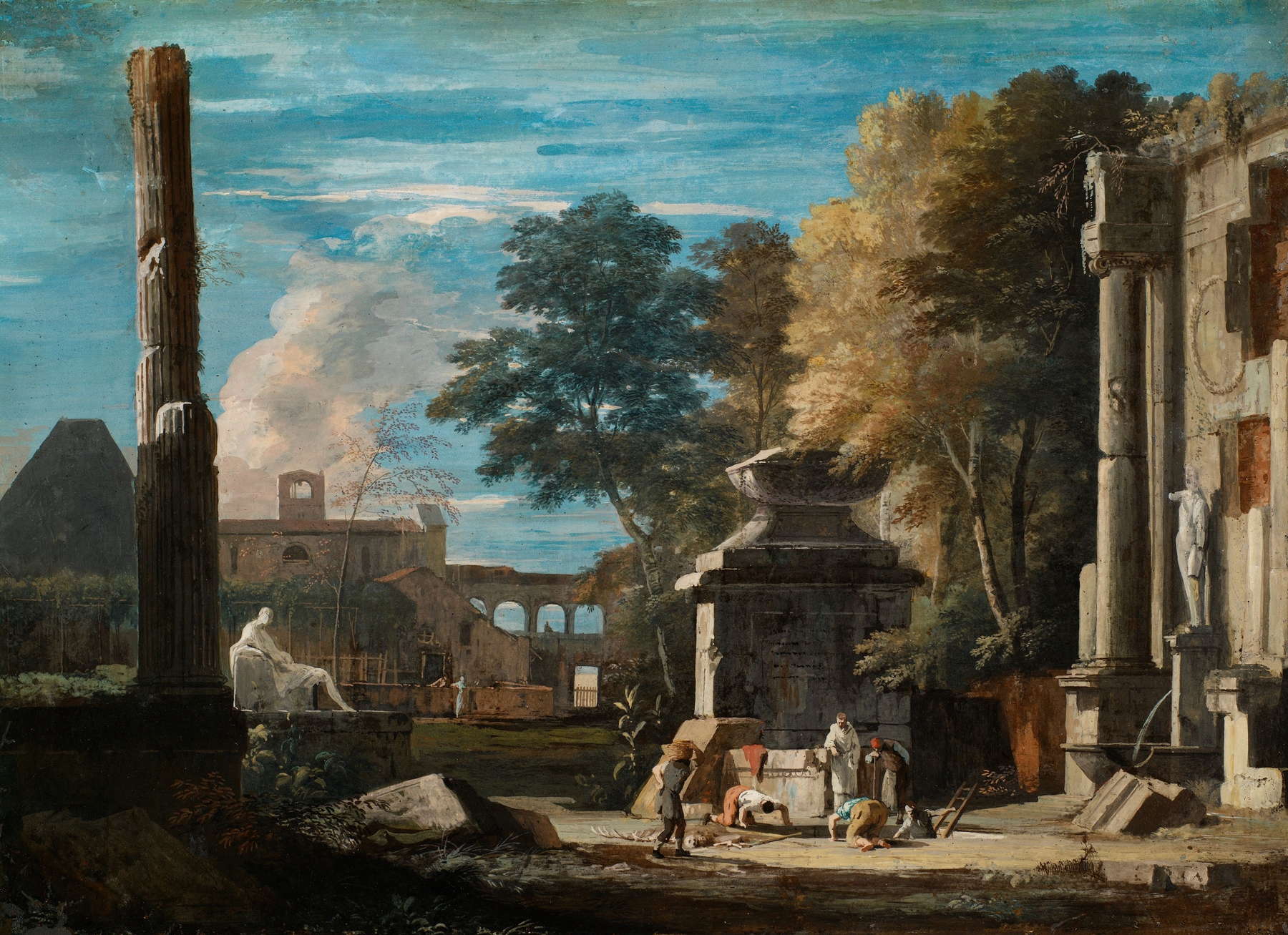
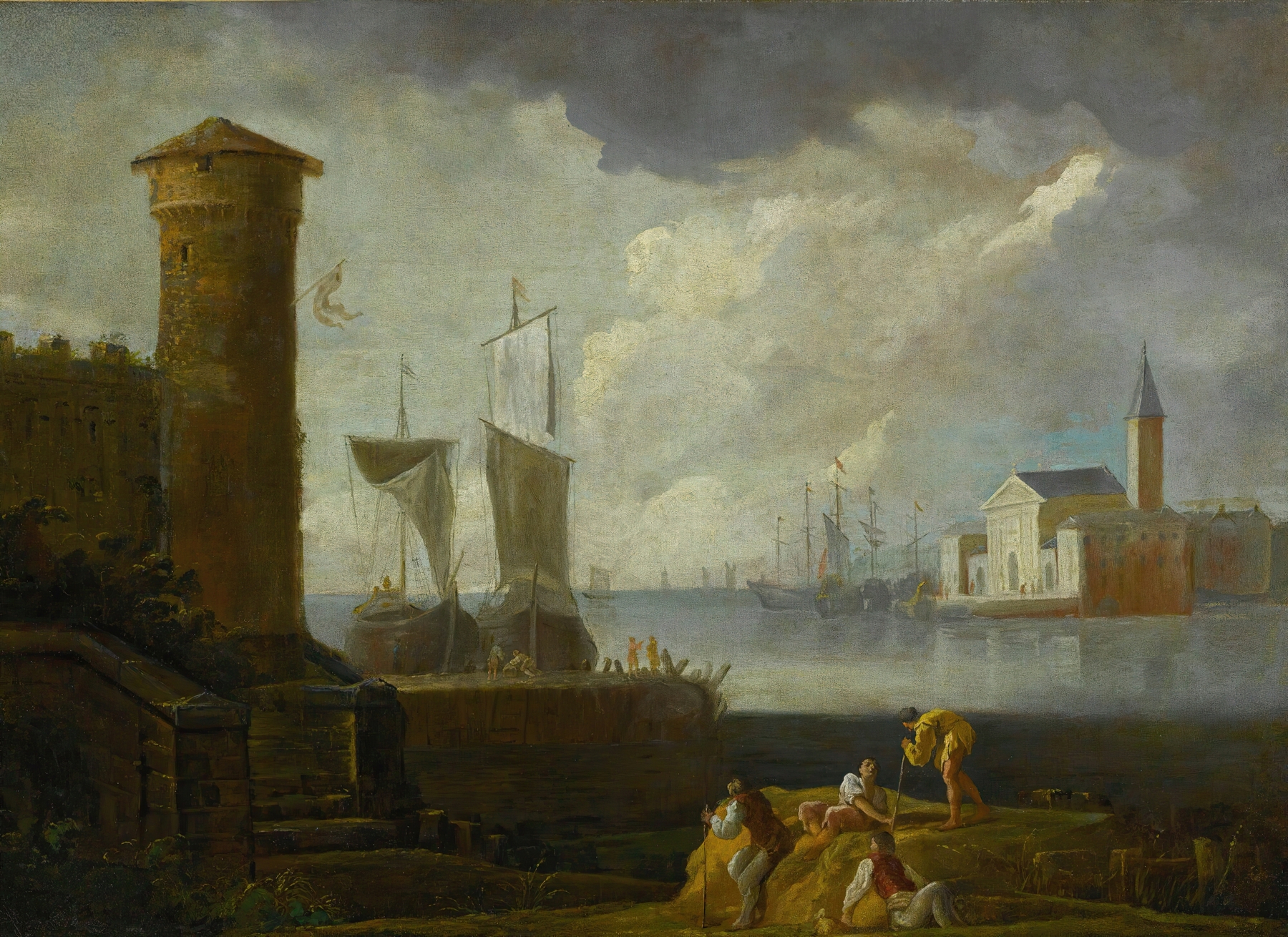
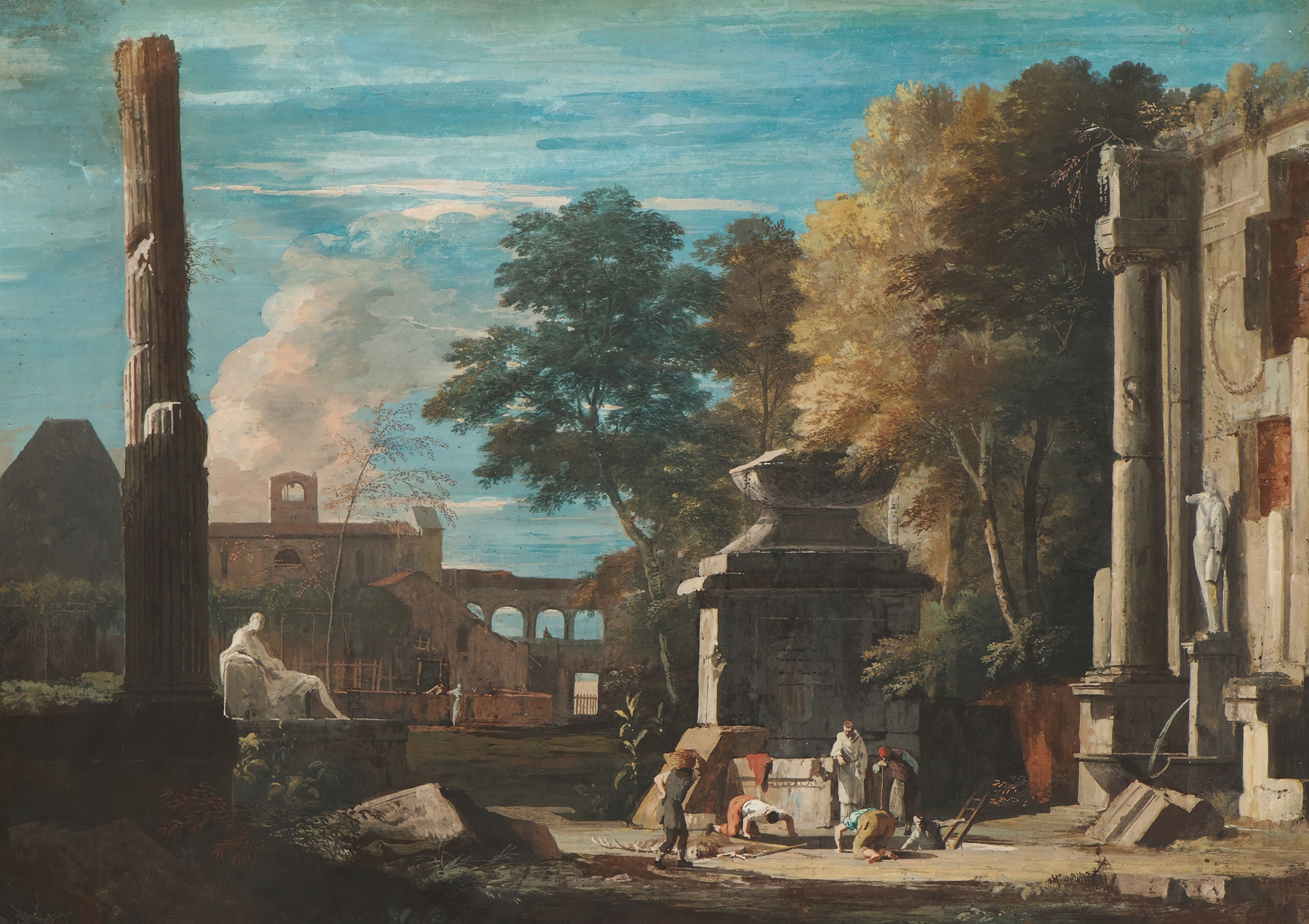
“To paint is to remember what time wants us to forget.” In the delicate interplay between illusion and reality, our gaze lingers upon the vibrant landscape, drawn into both history and the present moment. Look to the left at the rising hill, where the sun spills its golden light across the quaint rooftops of the town. The warm hues of ochre and sienna contrast with the lush green fields below, where laboring peasants toil with unwavering dedication. Notice the horseman, slightly elevated on the hill, almost regal in posture, creating a visual bridge between the earthly toil and the lofty town above.
The artist’s brushwork, fluid yet precise, carefully captures the texture of the soil and the softness of the sky, evoking a sense of serene harmony. The contrast of labor and leisure unfolds within this scene, where the peasants represent the timeless struggle for sustenance while the horseman embodies a transient moment of authority and superiority. Each figure, immersed in their respective roles, speaks to a deeper socio-economic narrative, weaving a tapestry of daily life that reflects the duality of existence. Subtle details, such as the glint of sunlight on the horse's coat or the determined expressions of the workers, deepen our understanding of their world—a poignant reminder of the fragility of human endeavor and the weight of our collective past.
Marco Ricci painted this piece during a period marked by the Baroque style's height, likely in the early 18th century. Living in Italy, amidst a dynamic cultural landscape, he found inspiration in the rural scenes that framed the lives of everyday people. His works resonate with the emerging Rococo sensibilities, blending realism with an idealized view of nature, all while reflecting the social shifts of his time.