View of Florence — History & Analysis
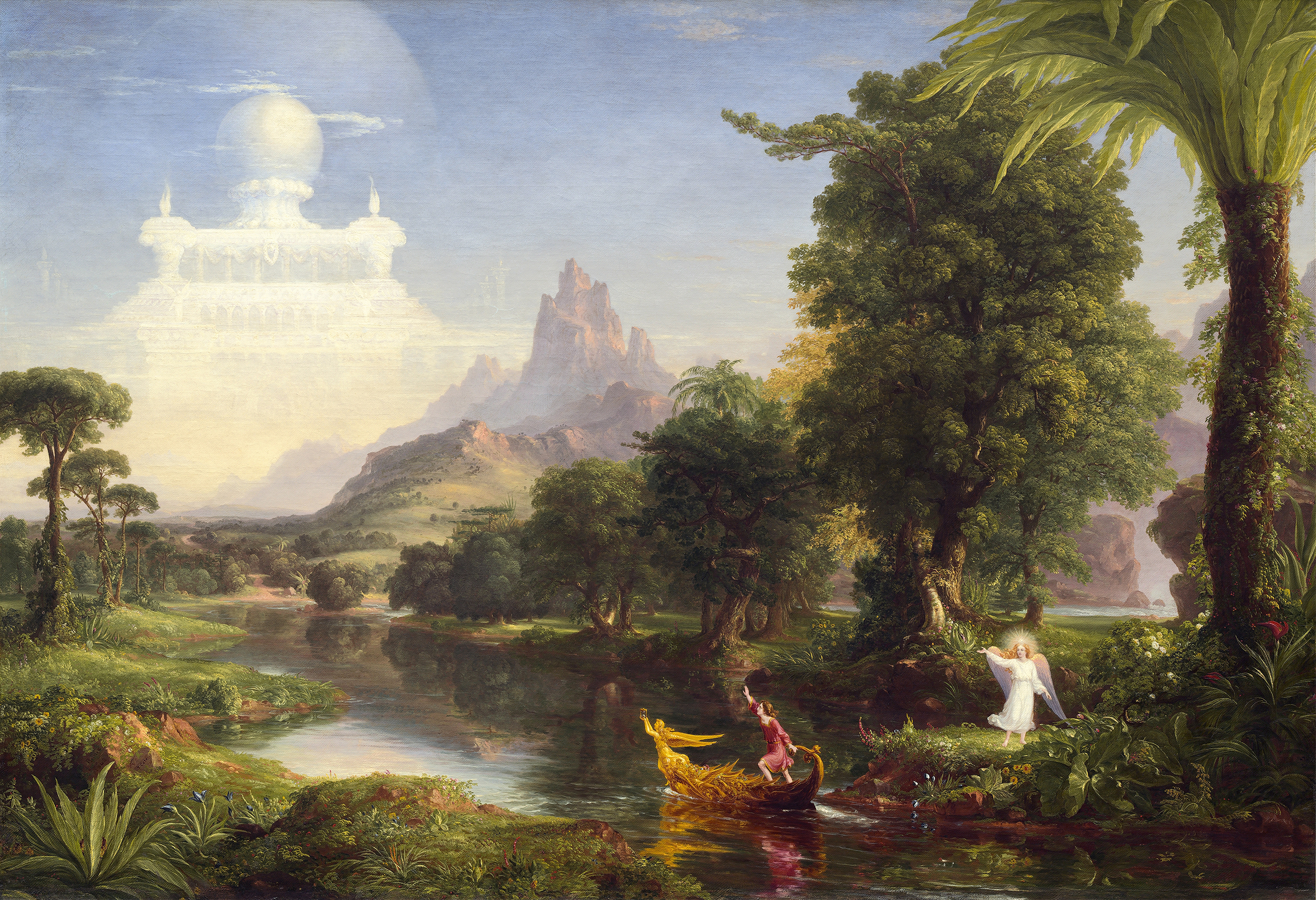
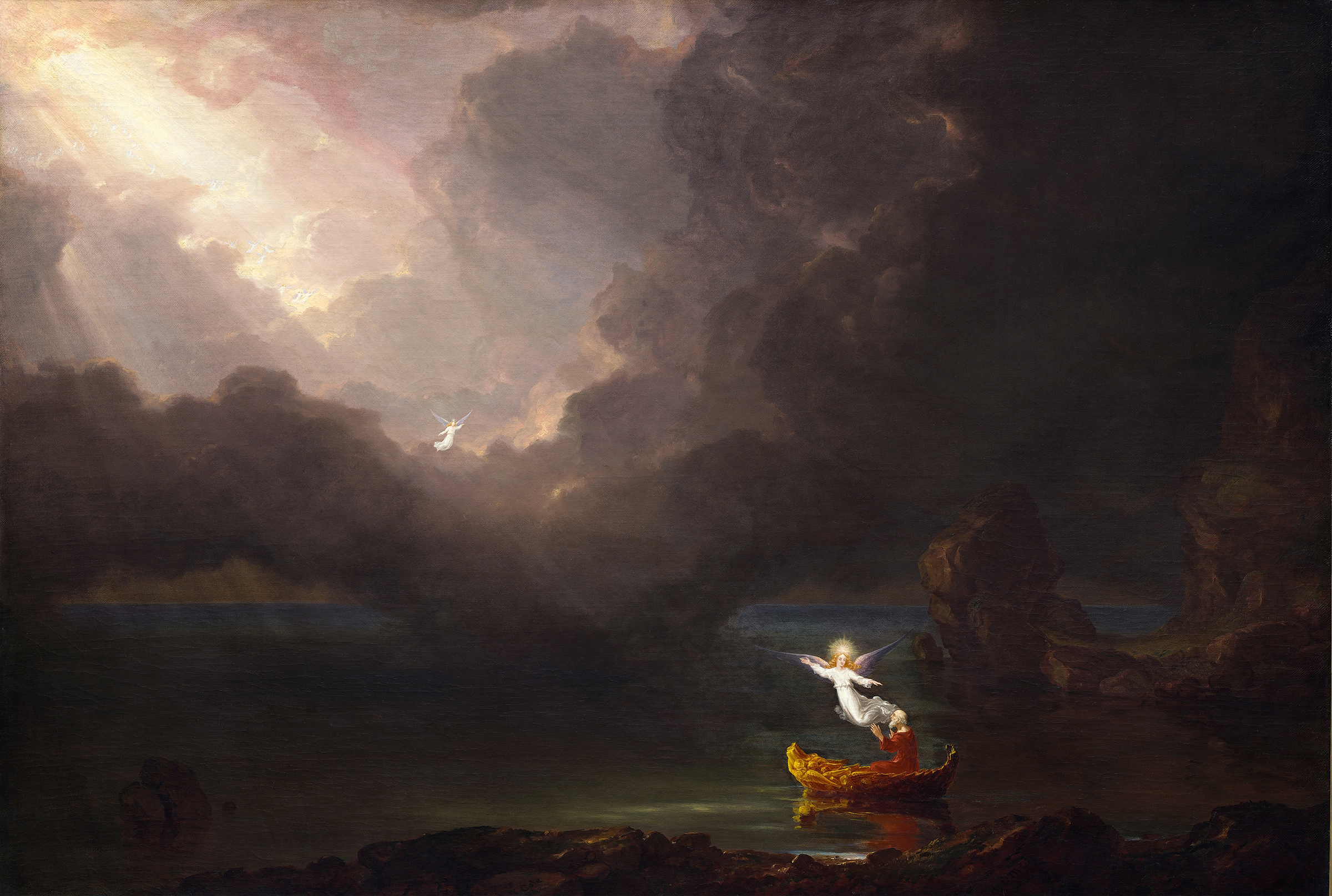
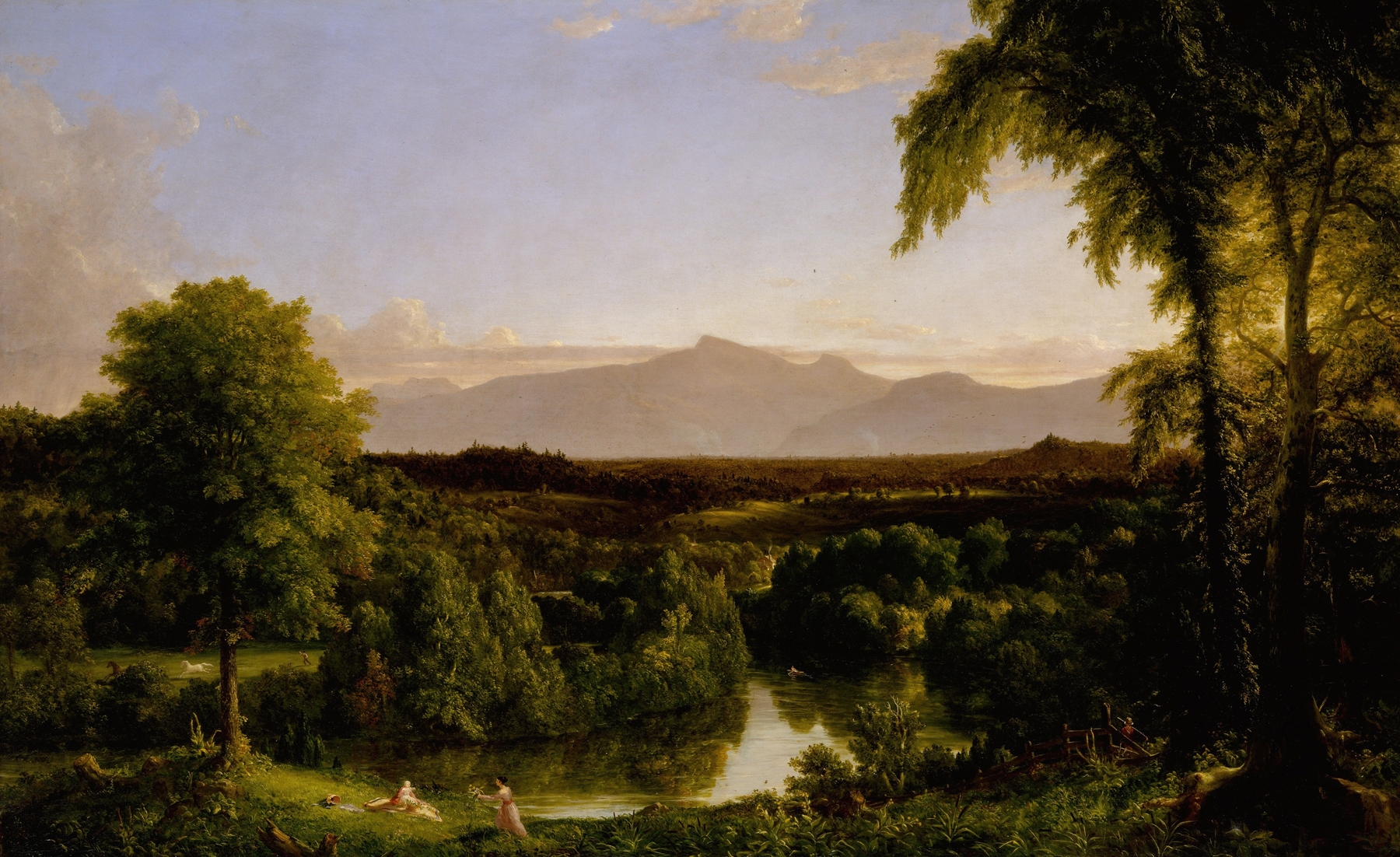
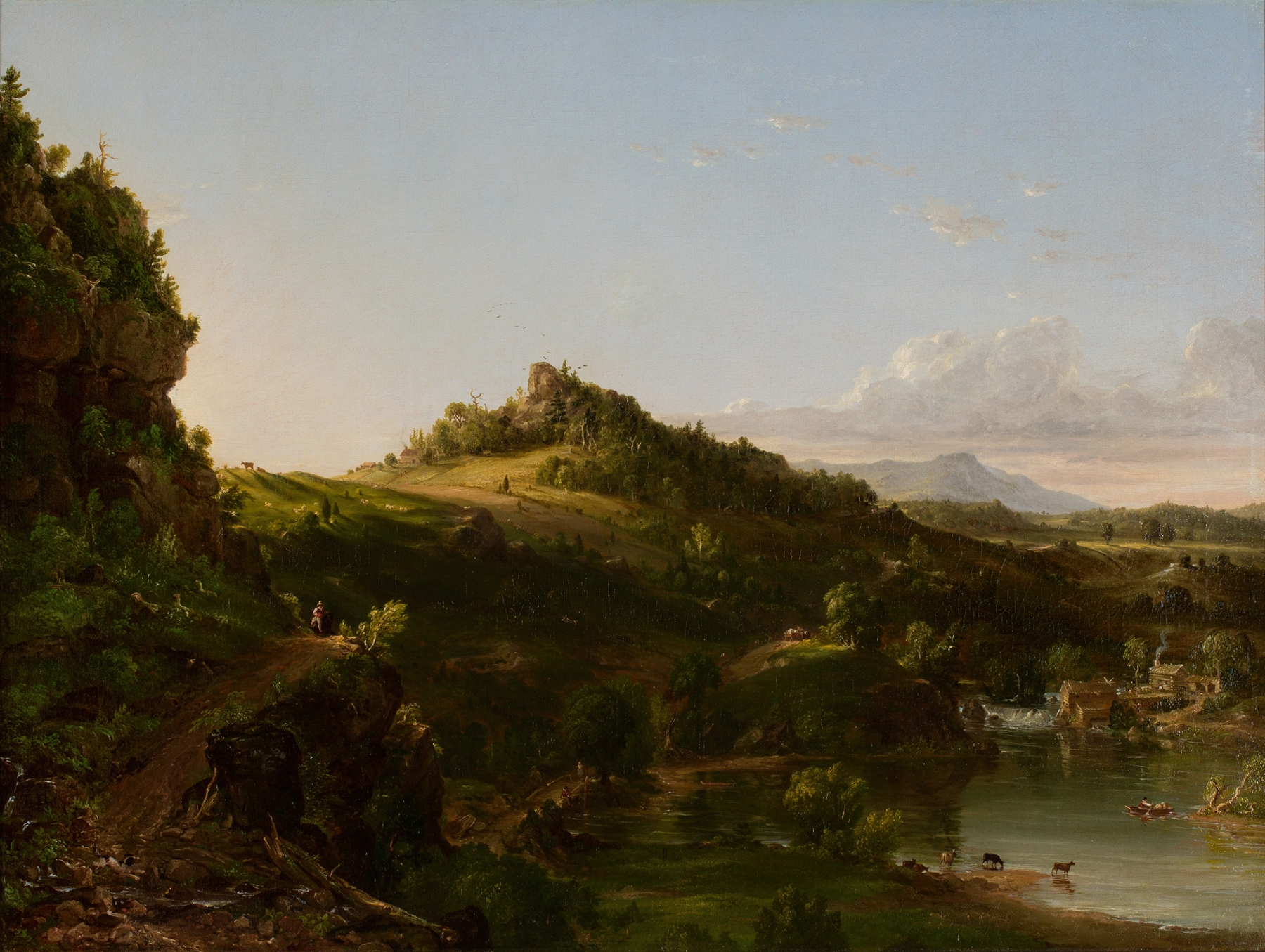
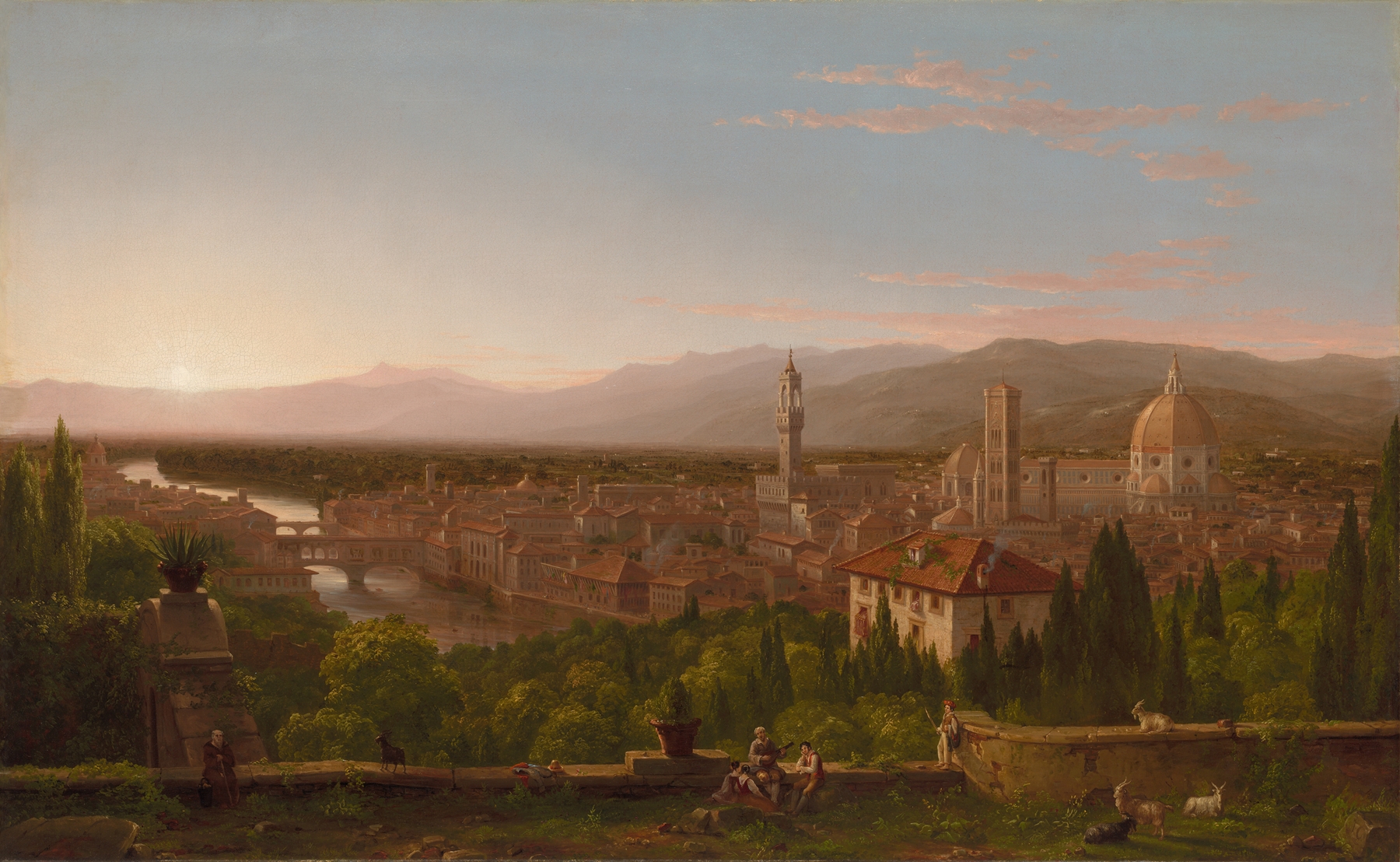
When did color learn to lie? In View of Florence, the artist conjures a world where hues dance between reality and illusion, inviting us to question the passage of time itself. Look to the left where the sun-drenched Tuscan hills rise majestically, their vibrant greens and earthy ochres almost seem to pulse with life. The architectural grandeur of Florence unfolds in the background, with the Duomo crowned by a delicate blue sky, beckoning the eye to wander through the layers of light and shadow.
Cole's meticulous brushwork creates a textured surface, each stroke resonating with the warmth of the Italian landscape, while the soft glow of sunlight spills gracefully across the scene, casting a serene ambiance. Yet beneath this beauty lies a tension between the ephemeral and the eternal. The contrasting elements of nature and human achievement evoke a sense of temporality; the fleeting light suggests the day's inevitable end, while the city stands as a testament to human endeavor. The wisps of clouds drifting lazily overhead remind us that time is transient, and just as the sunlight shifts, so too does our perception of place.
The delicate interplay of colors may signify the artist's longing to capture a moment that is at once vivid and elusive. In 1837, Thomas Cole painted this piece during a pivotal time in his career, while living in the burgeoning artistic community of New York. As the founder of the Hudson River School, Cole aimed to convey the transcendental beauty of nature, reflecting a burgeoning American identity that sought to reconcile its roots with European traditions. This painting, informed by his travels and experiences, is a profound exploration of the human spirit's relationship with the environment, capturing a moment where time and beauty intersect.