View of Hønefossen — History & Analysis
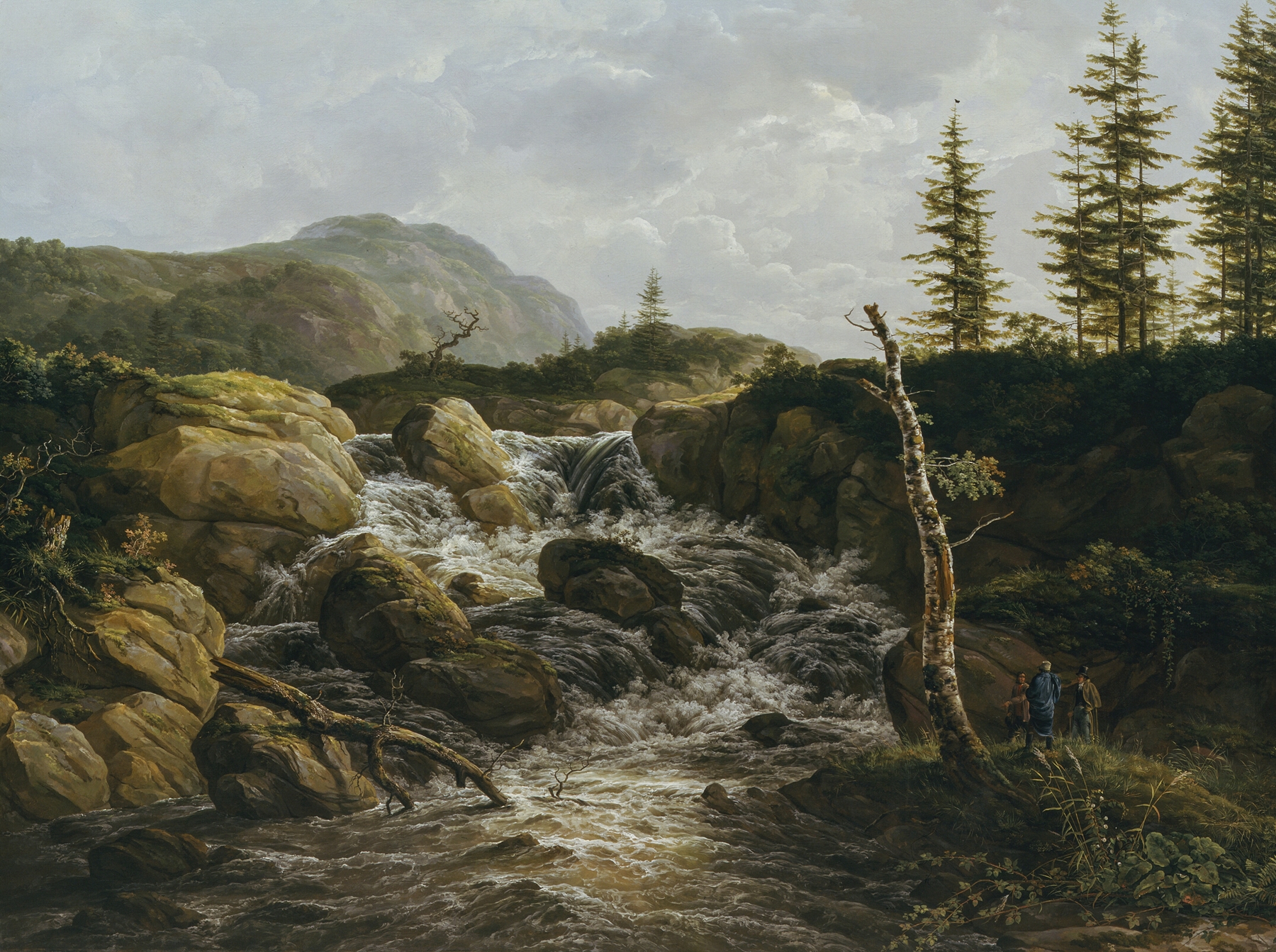
Did the painter know this moment would outlive them? In the tranquil landscape, time seems suspended, inviting us into a serene awakening that breathes through the canvas. Focus on the cascading waters of Hønefossen, where the eye is immediately drawn to the frothy white of the falls as it plunges downwards, contrasted against the deep greens of the surrounding foliage. The subtle play of light dances on the water's surface, creating a shimmering reflection that beckons us closer.
Notice how the artist employs a soft palette, with cool blues and warm earth tones, grounding the scene while evoking a sense of harmony and peace. Hidden within this idyllic view are deeper nuances of nature's raw power and the gentle beauty of the world. The rugged cliffs framing the falls symbolize both resilience and fragility, encapsulating the duality of life itself. The distant figures, small and unobtrusive, serve as a reminder of humanity's place within the vastness of nature, their presence emphasizing the overwhelming grandeur of the landscape.
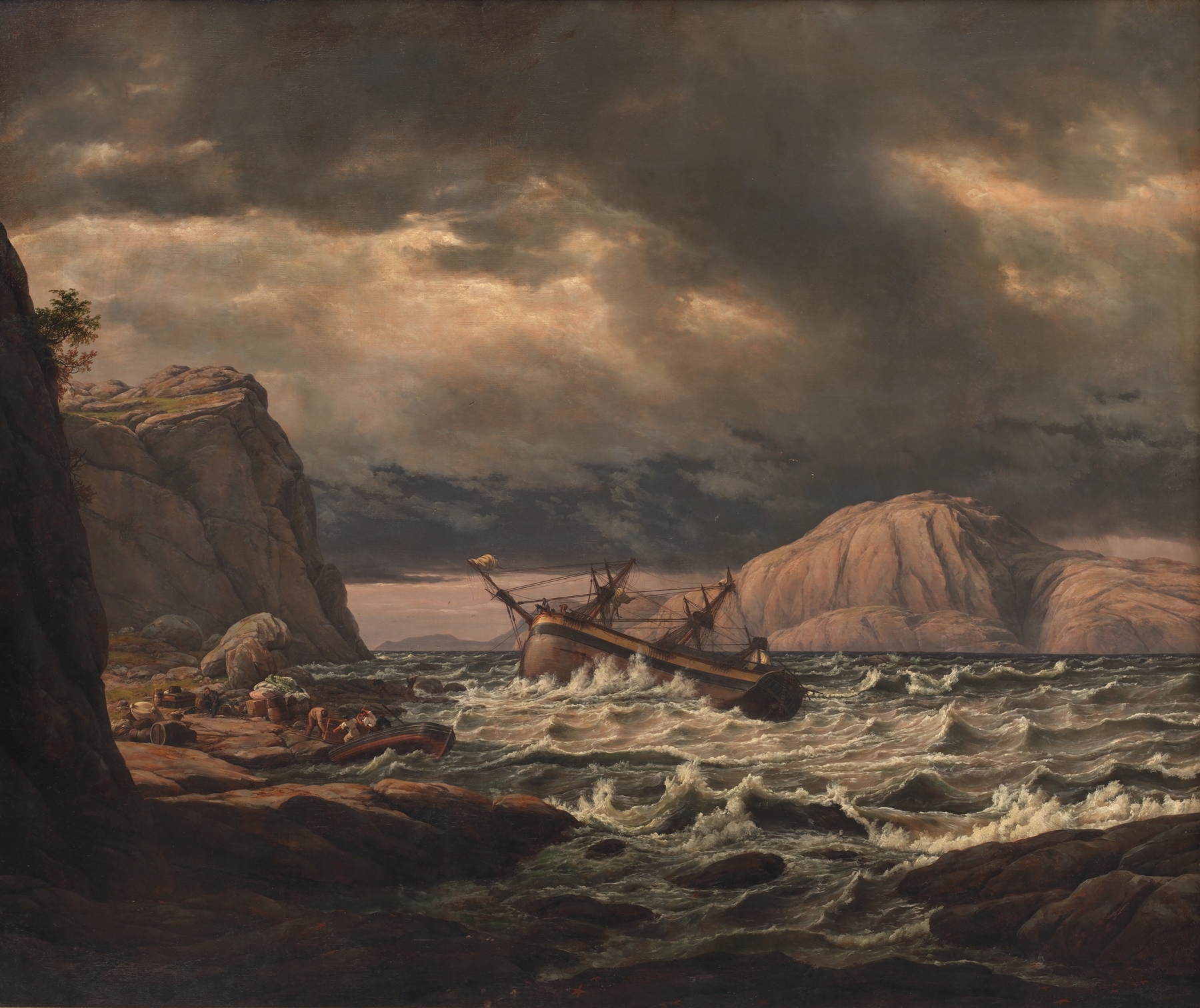
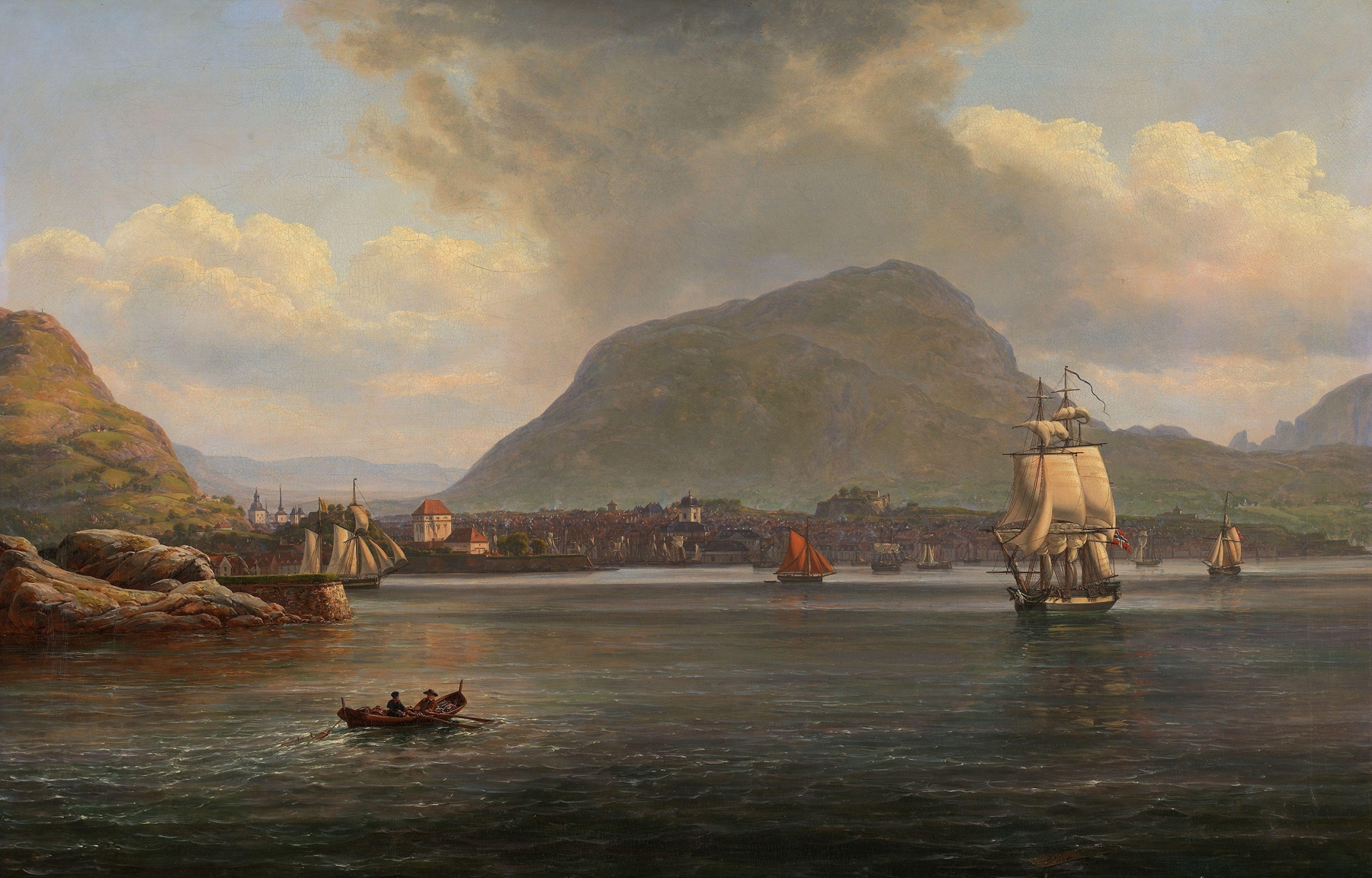
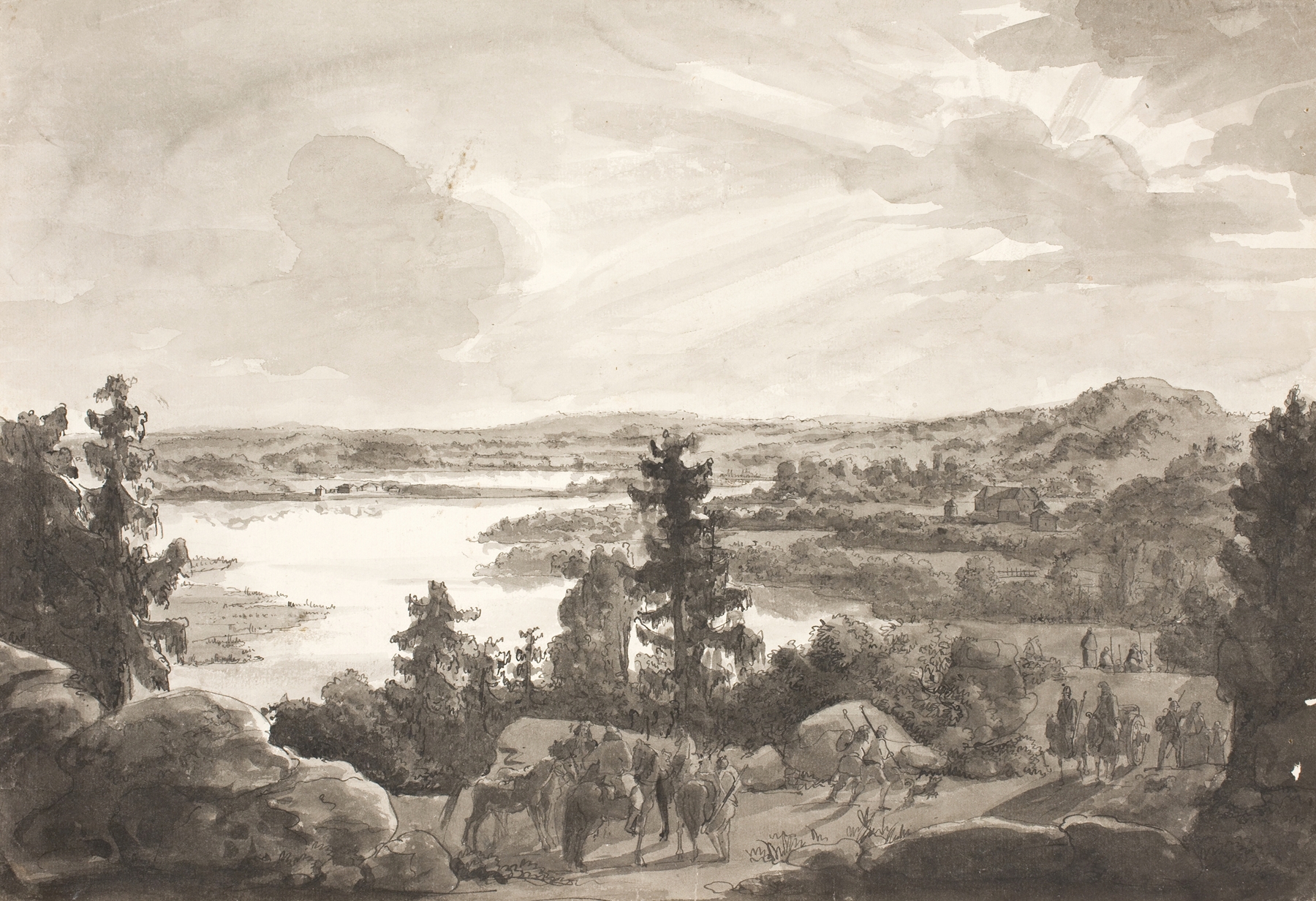
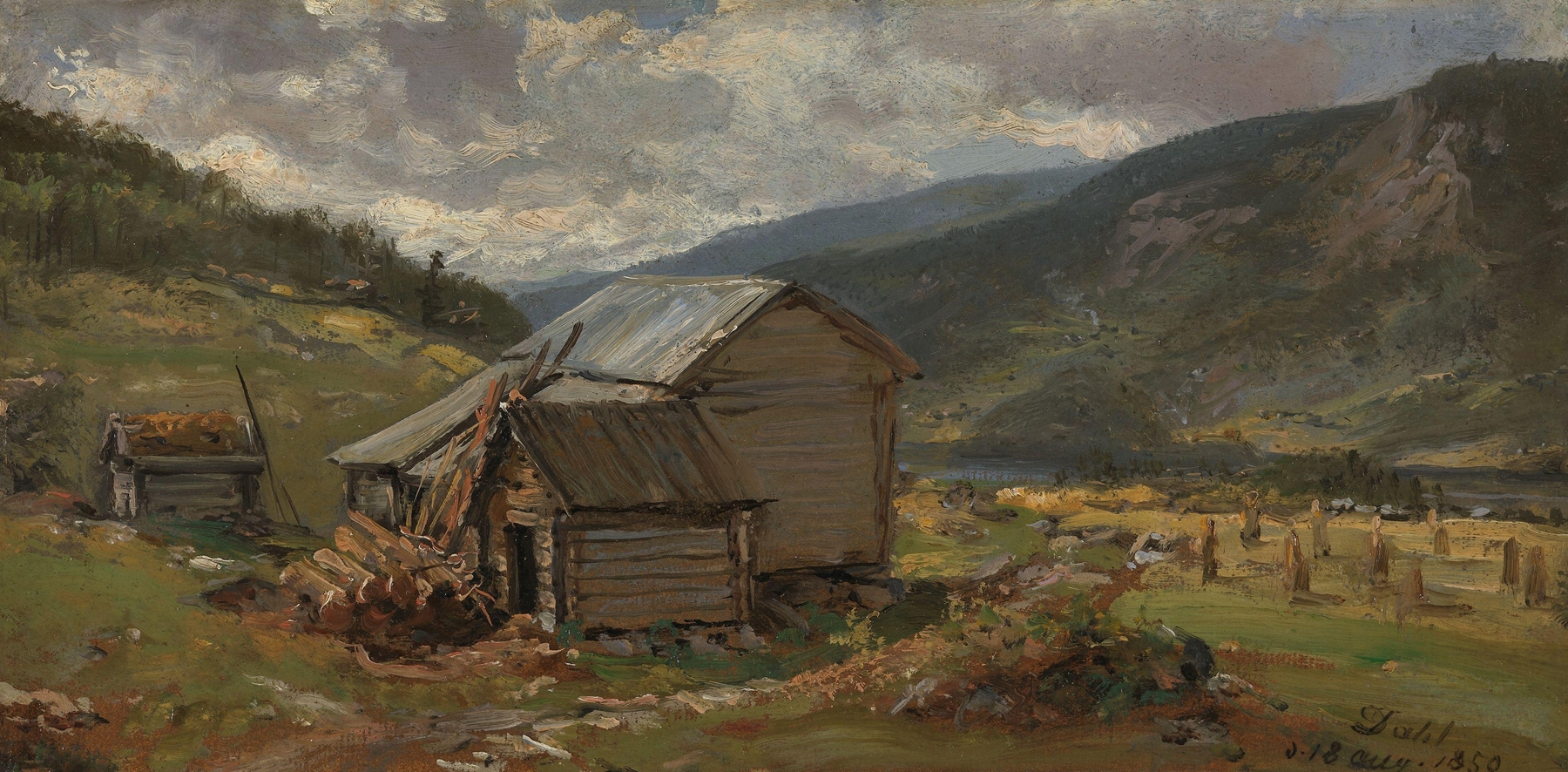
In 1847, while painting View of Hønefossen, Johan Christian Dahl was at the forefront of the Romantic movement in Norway, striving to capture the sublime beauty of his homeland. Living in Dresden, he was influenced by the burgeoning appreciation for natural landscapes and the quest for authenticity in art. This work reflects not only his personal connection to the landscape but also the broader cultural shift toward nature during a time marked by industrial change.