View Of Mount Vesuvius — History & Analysis
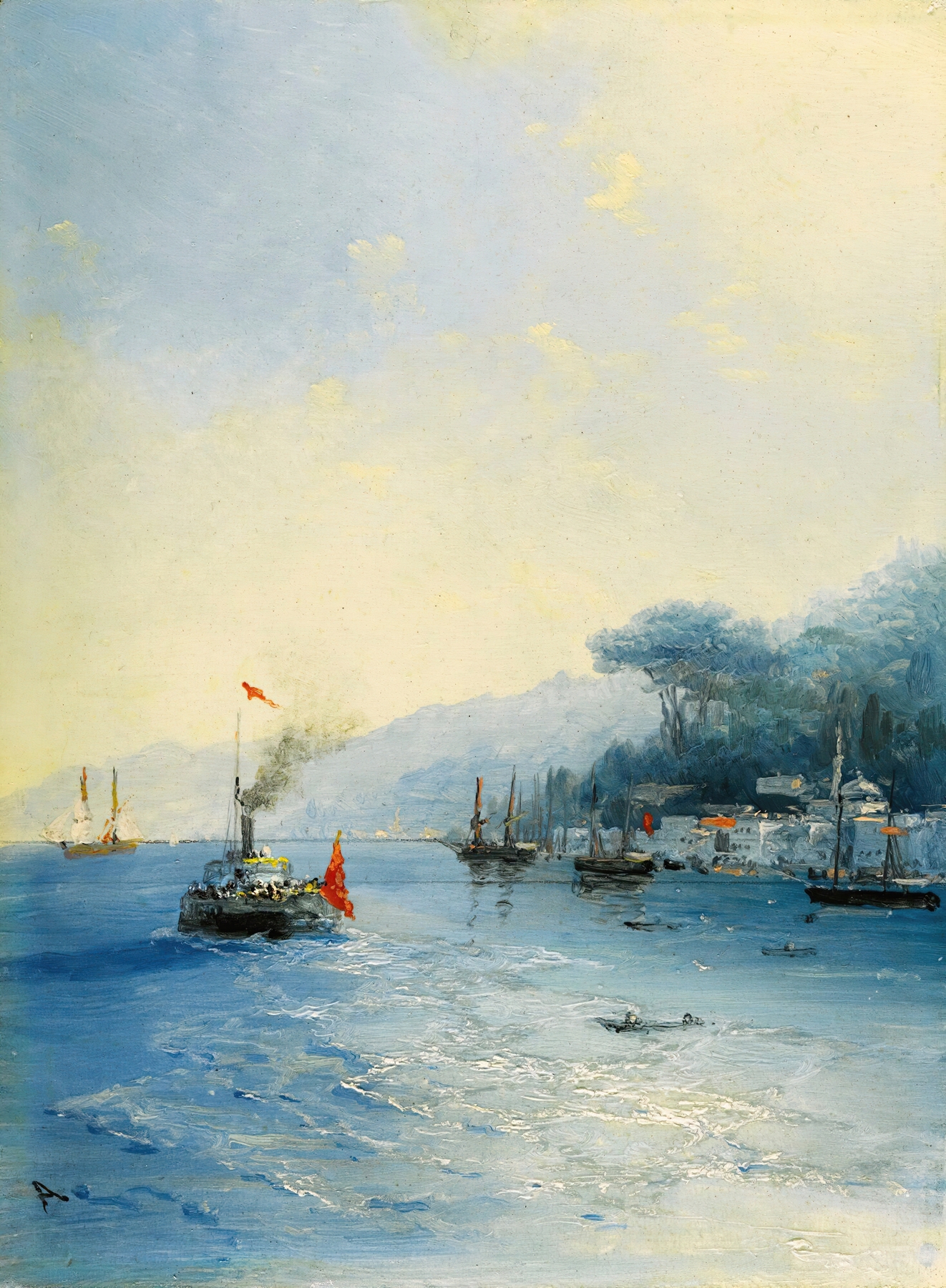
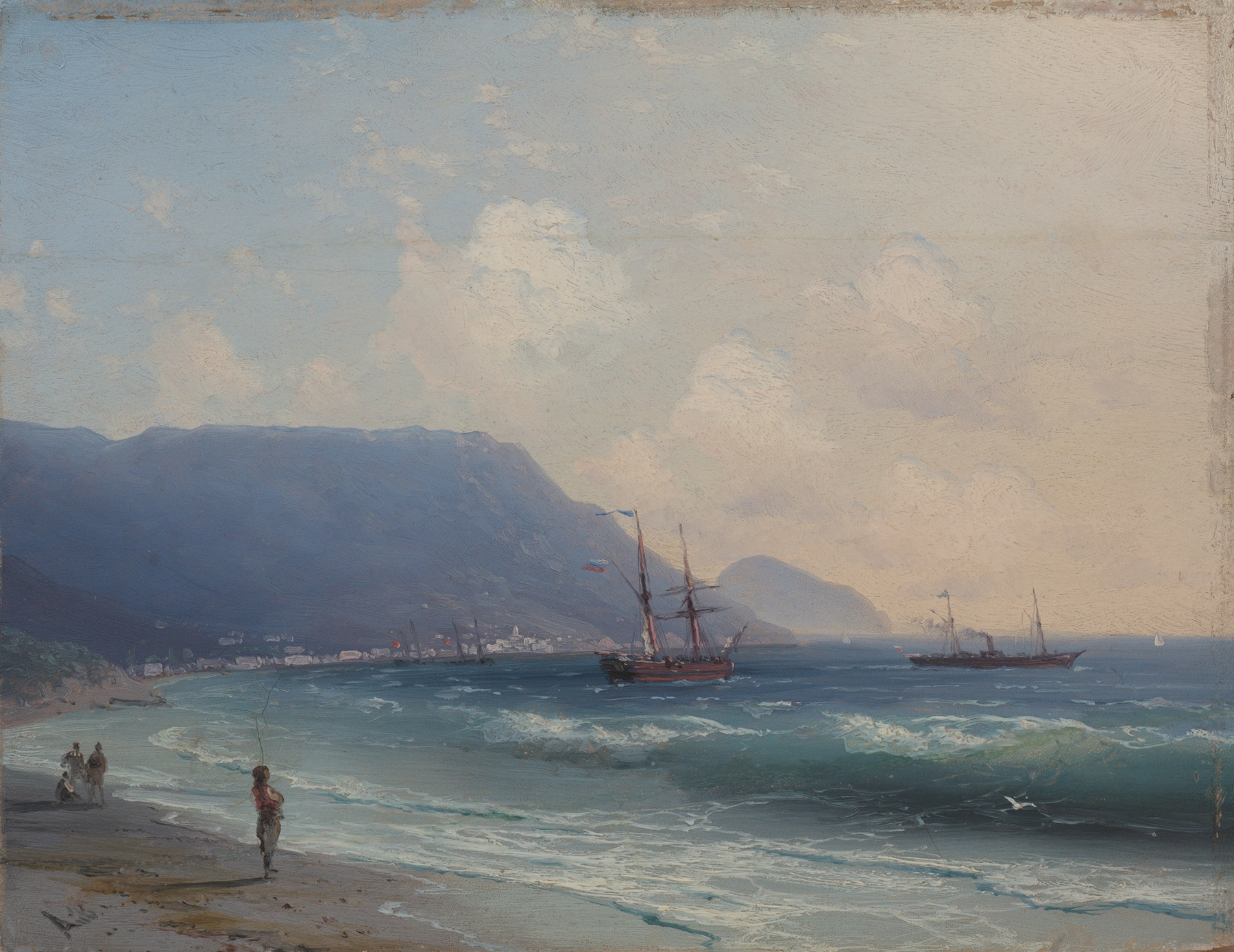
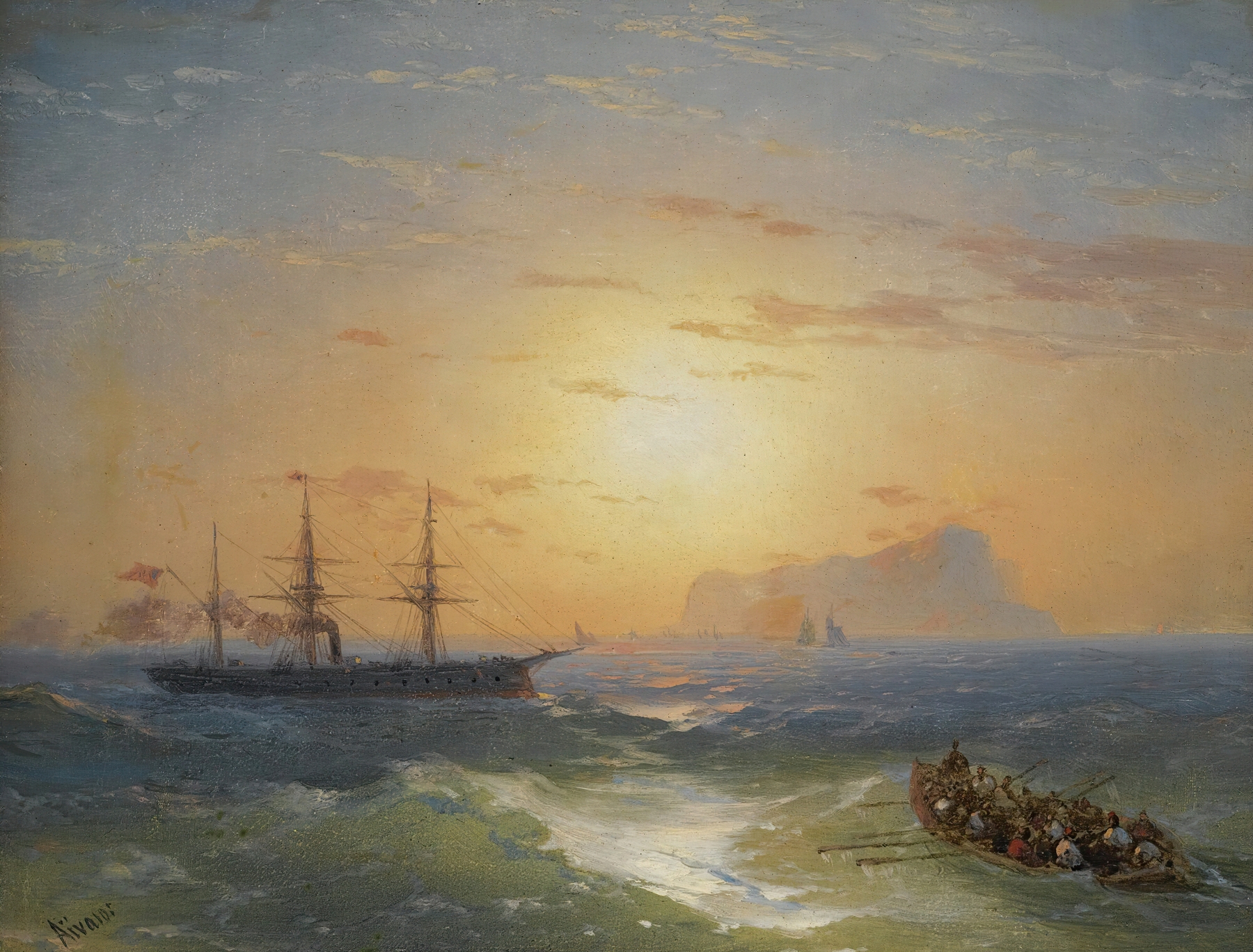
What if beauty was never meant to be finished? The majesty of nature pauses in time, a fleeting moment captured forever, embodying both destruction and rebirth. Look to the foreground at the gentle lapping waves, each stroke of paint a careful caress of the sea. The horizon stretches wide, where the brilliant blues of the sky seamlessly blend into the water, inviting the viewer to linger. Notice how the sunlight breaks through the clouds, illuminating the rugged silhouette of Mount Vesuvius in the distance, hinting at both its power and its haunting beauty.
The soft pastels contrast with the boldness of the volcano, creating a tension that echoes the duality of creation and destruction. Delve deeper into the painting’s emotional fabric. The tranquil seascape speaks of serenity, yet the looming presence of the volcano suggests an underlying threat, a reminder that beauty often coexists with peril. Vesuvius, a symbol of both devastation and regeneration, hints at nature's cycle of life and death, urging a reflection on what emerges from chaos.
Even the fleeting moment of light piercing the clouds implies hope and continuity, suggesting rebirth from the ashes of the past. In 1878, Aivazovsky painted this piece while in his homeland of Russia, a time when he was already celebrated for his mastery of marine landscapes. The world was witnessing rapid change, both socially and artistically, with the rise of Impressionism beginning to challenge traditional forms. In this context, View Of Mount Vesuvius embodies a transition—an exploration of the sublime in nature, capturing the essence of what lies beneath the surface.