View of Murano — History & Analysis
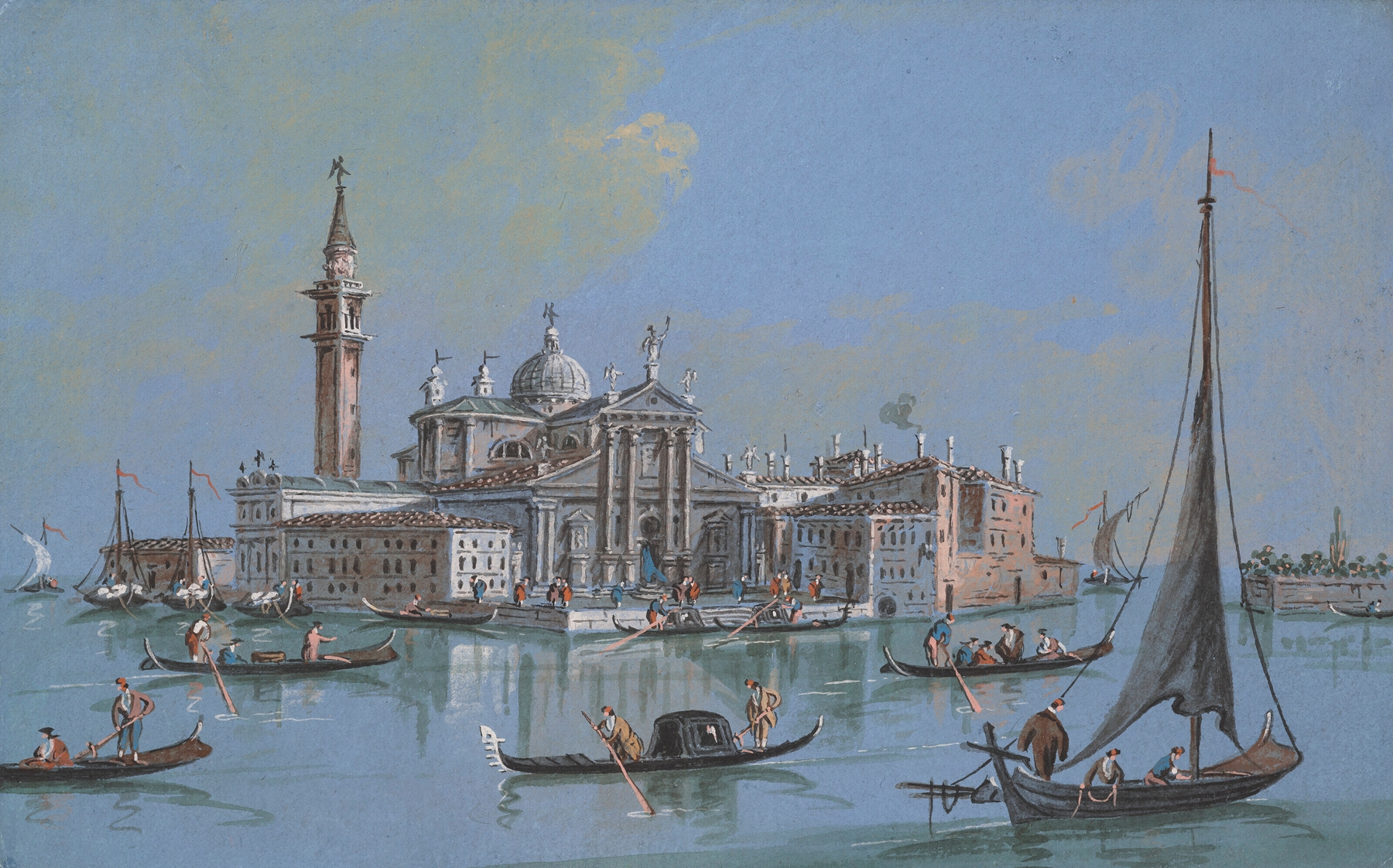
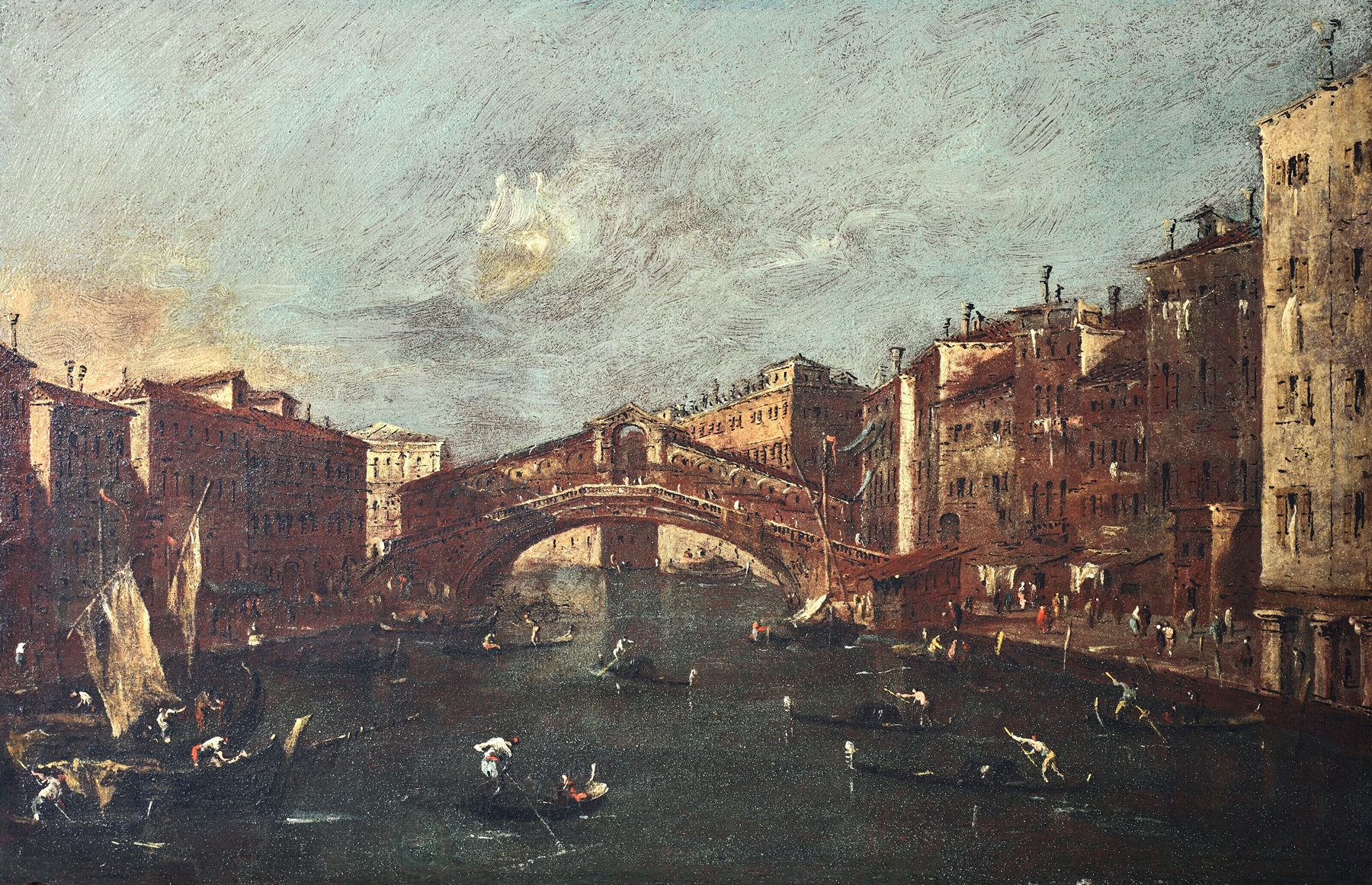
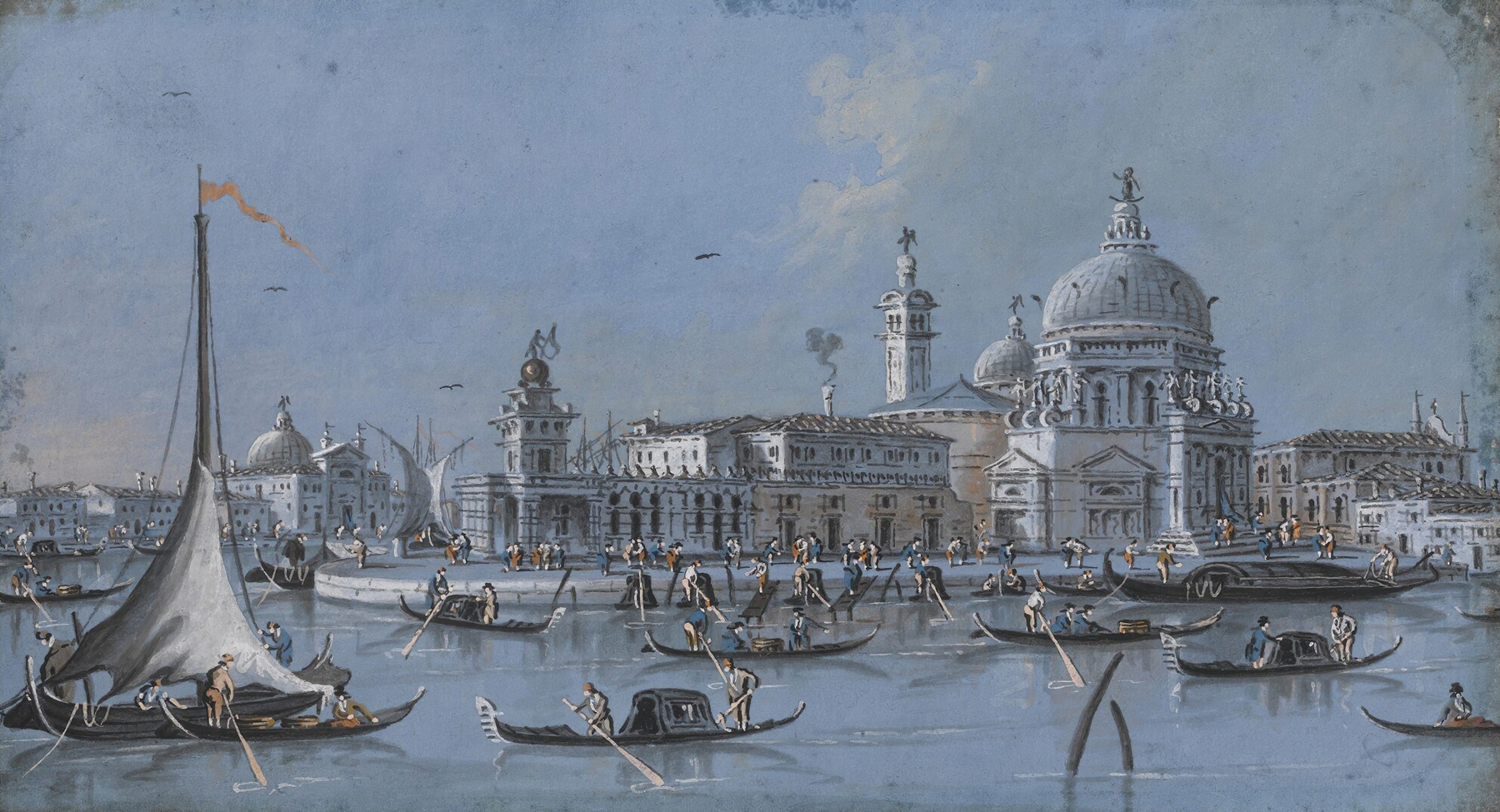
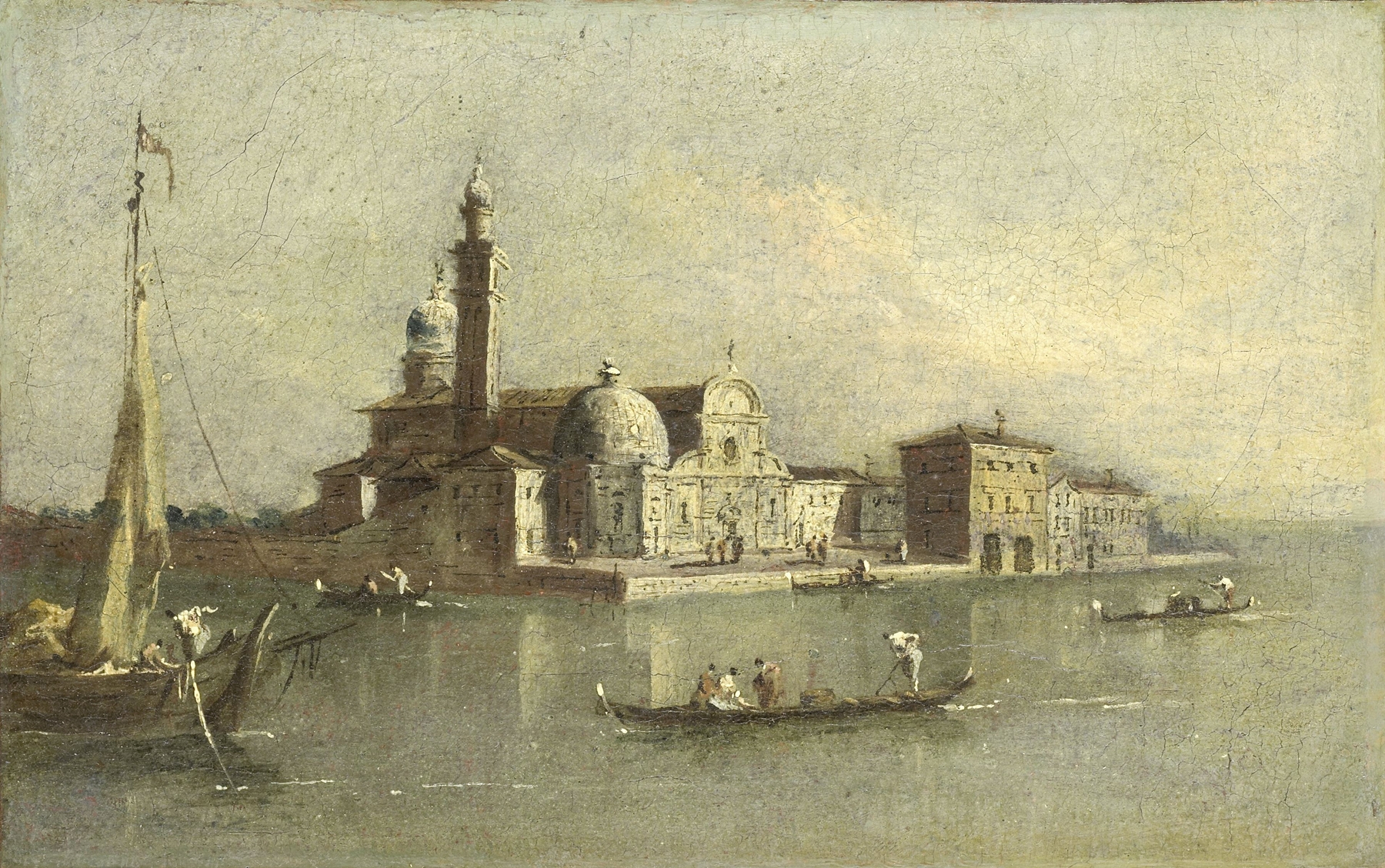
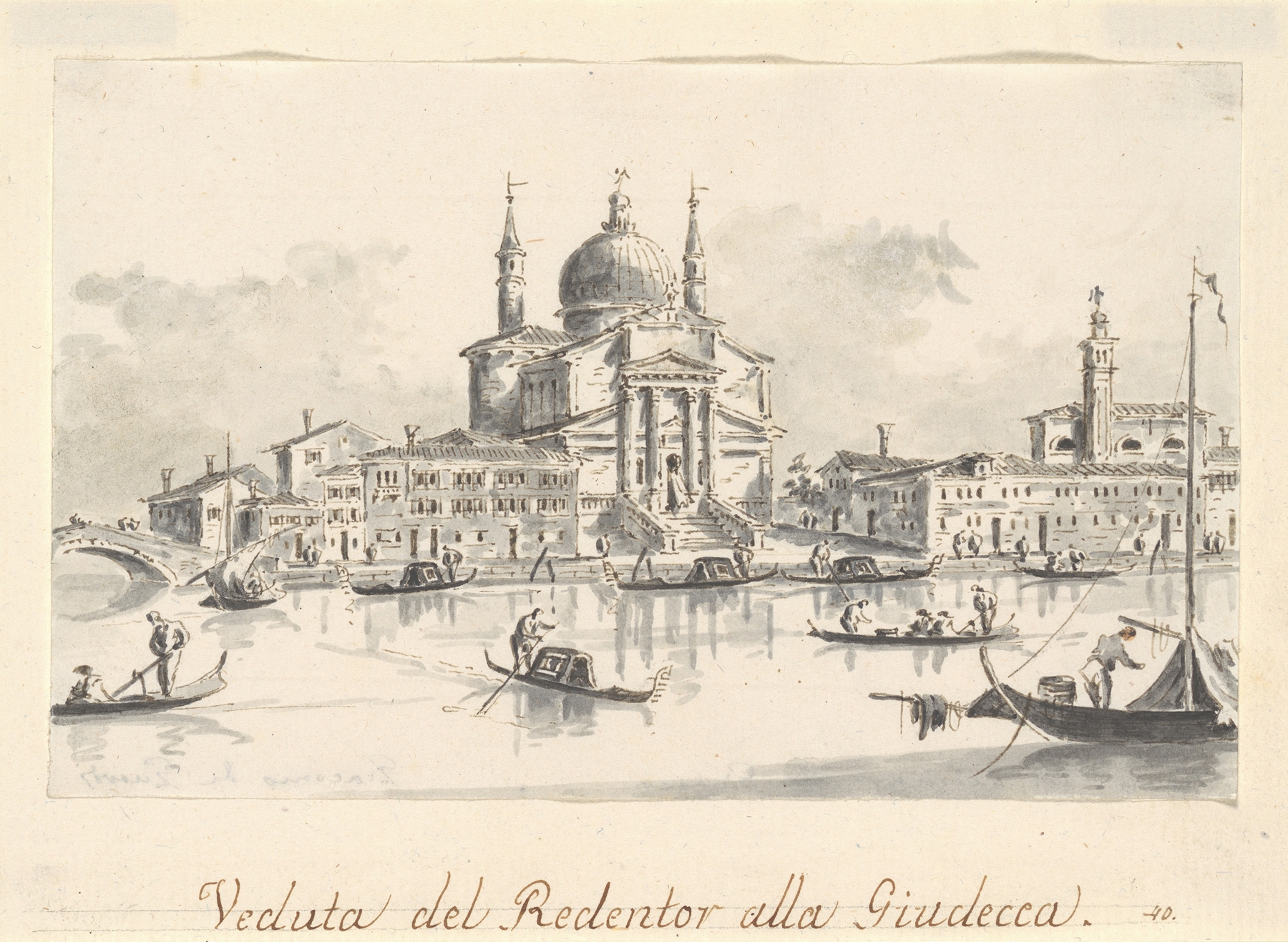
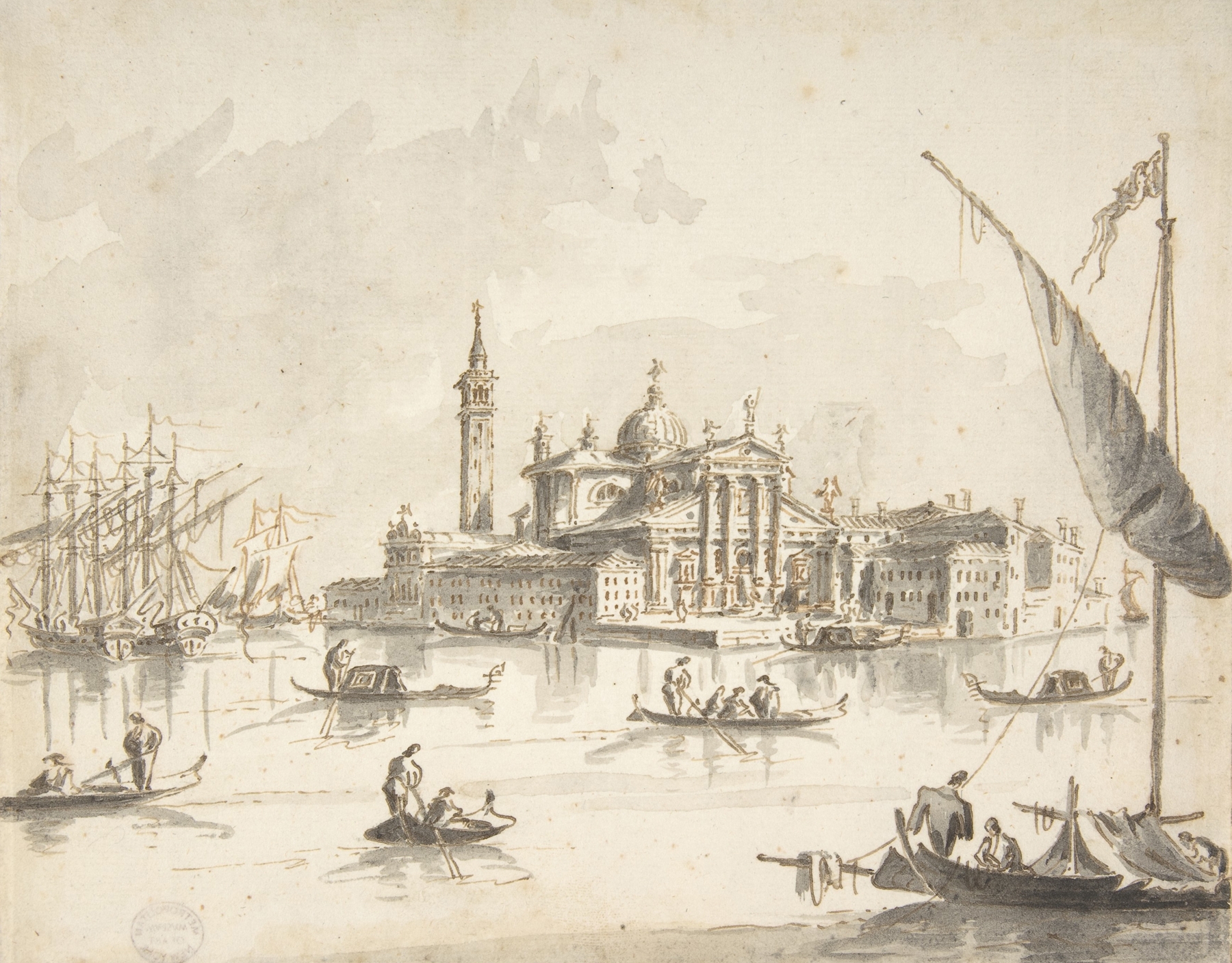
What if silence could speak through light? In the stillness of View of Murano, unvoiced desires ripple across the surface of the lagoon, revealing hidden depths of longing and reminiscence. Look to the left at the delicate brushwork that captures the architectural elegance of Murano’s skyline, its serene facades bathed in the golden glow of sunset. The interplay of warm tones and cool blues creates a harmonious balance, drawing your gaze toward the intricate details of the buildings, where soft shadows hint at the stories unfolding within.
Notice how the reflections in the water mirror not just the structures above but also the ethereal quality of the scene, amplifying the sense of tranquility and nostalgia. The painting speaks volumes beyond its serene surface. The juxtaposition of the serene water against the vibrant hues of the sky evokes a bittersweet ache, suggesting a longing for simplicity in a world increasingly consumed by the complexities of modernity. Small boats dot the canvas, their presence a reminder of human endeavor amidst nature's quietude, while wispy clouds drift lazily above, hinting at the passage of time and the fleeting nature of beauty.
Created between 1804 and 1828, this piece emerged during a period of personal reflection for the artist, who was deeply influenced by the shifting tides of Venice and its surroundings. Guardi, working in his later years, was part of a transitional moment in art history where the romantic spirit was beginning to supplant the more rigid forms of neoclassicism. This work encapsulates his desire to capture not just a landscape, but a poignant emotional resonance, inviting viewers to immerse themselves in the tranquil yet charged atmosphere of Murano.