View of Roofs and Gardens — History & Analysis
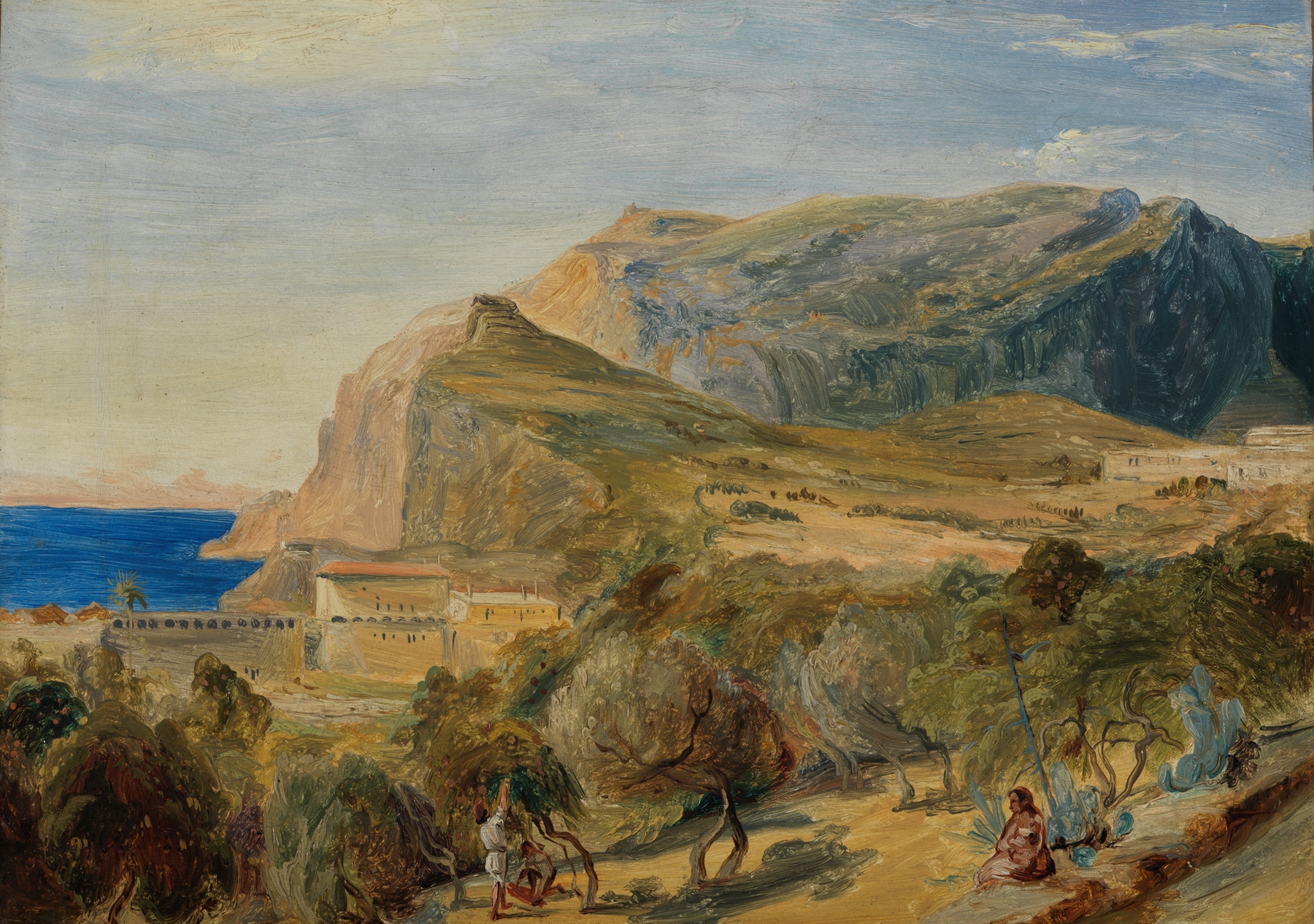
Beneath a radiant sky, a quiet world unfolds, where rooftops intermingle seamlessly with lush greenery. A gentle breeze stirs the foliage, while sunlight dances across the tiles, weaving patterns of light and shadow. In the distance, figures move with purpose—perhaps laborers, perhaps dreamers—each one enveloped in the stillness that defines this moment. Look to the left at the patchwork of rooftops, each angle and color meticulously rendered, revealing the artist's keen eye for detail. Notice how the vibrant greens of the gardens contrast with the warm, earthy tones of the rooftops, creating a striking visual harmony.
The light falls softly, illuminating the textures—the smoothness of the garden paths against the rough surfaces of the houses—inviting you to explore every inch of this idyllic scene. Beneath the surface, there is a tension between nature and the built environment. The gardens, lush and vibrant, seem to reclaim their space, a subtle reminder of nature's resilience amid human constructions. The figures, though distant, evoke a sense of connection and purpose, suggesting the everyday lives that unfold in this tranquil oasis.
The composition speaks to a delicate balance—between chaos and order, between the urban and the pastoral. In 1835, Carl Blechen painted this work during a period marked by his exploration of landscape and architecture. Living in Prussia, he was influenced by Romantic ideals, which celebrated nature's beauty and human connection to it. This was a time of great change in the art world, with movements leaning towards realism and impressionism, and Blechen's own explorations would later leave a lasting impact on the portrayal of landscapes.