View Of The Ponte Rotto, Rome — History & Analysis
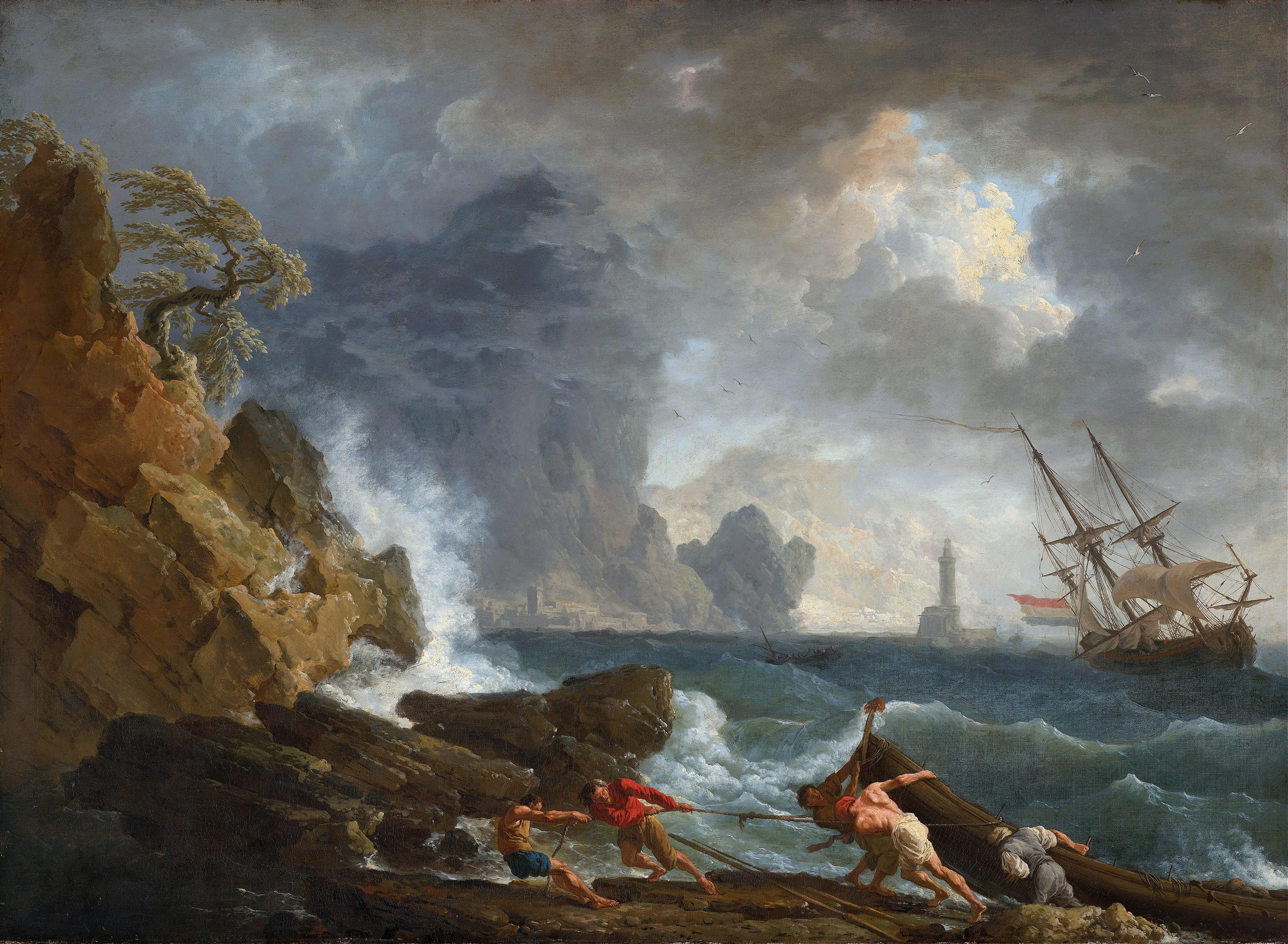
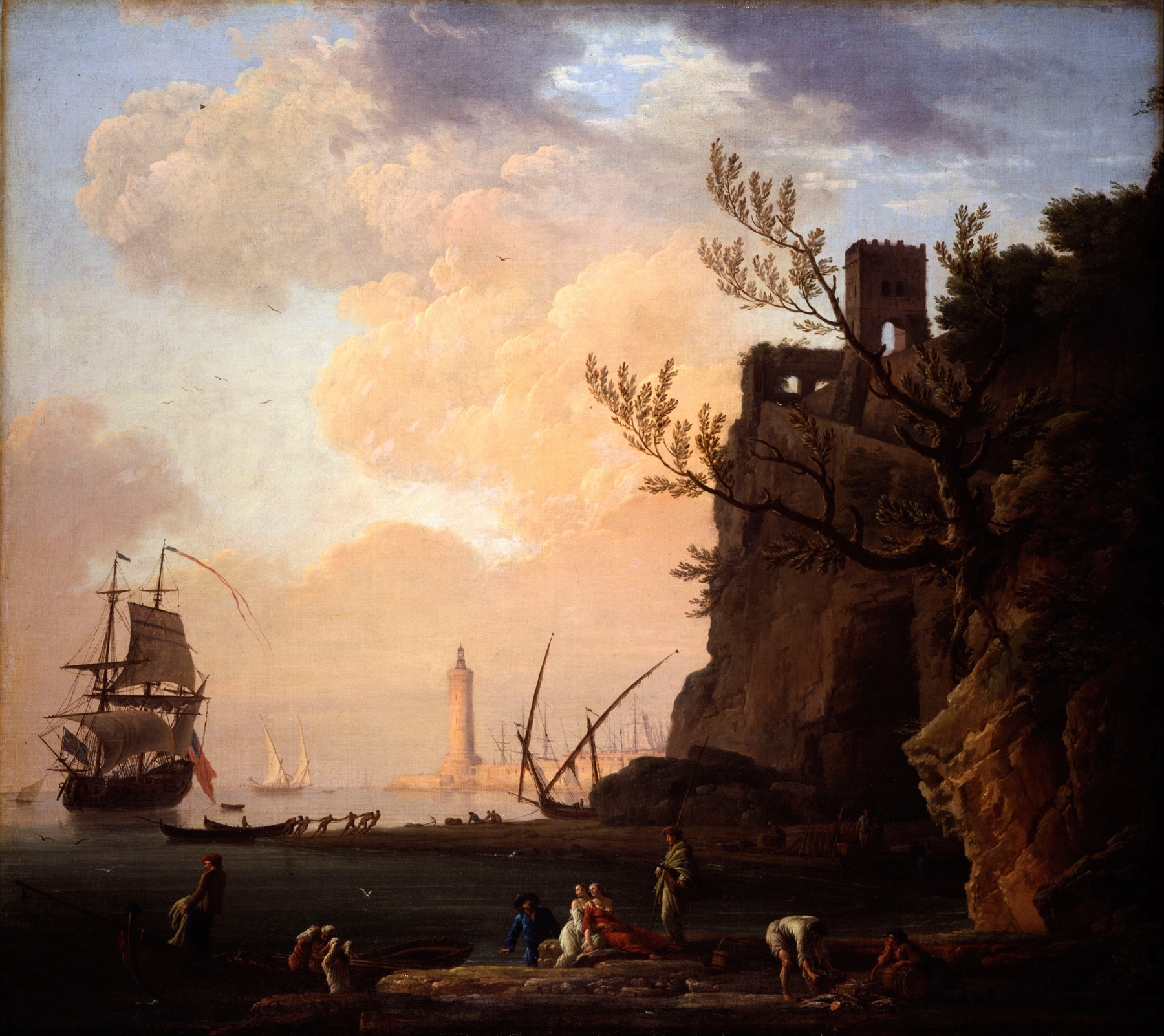
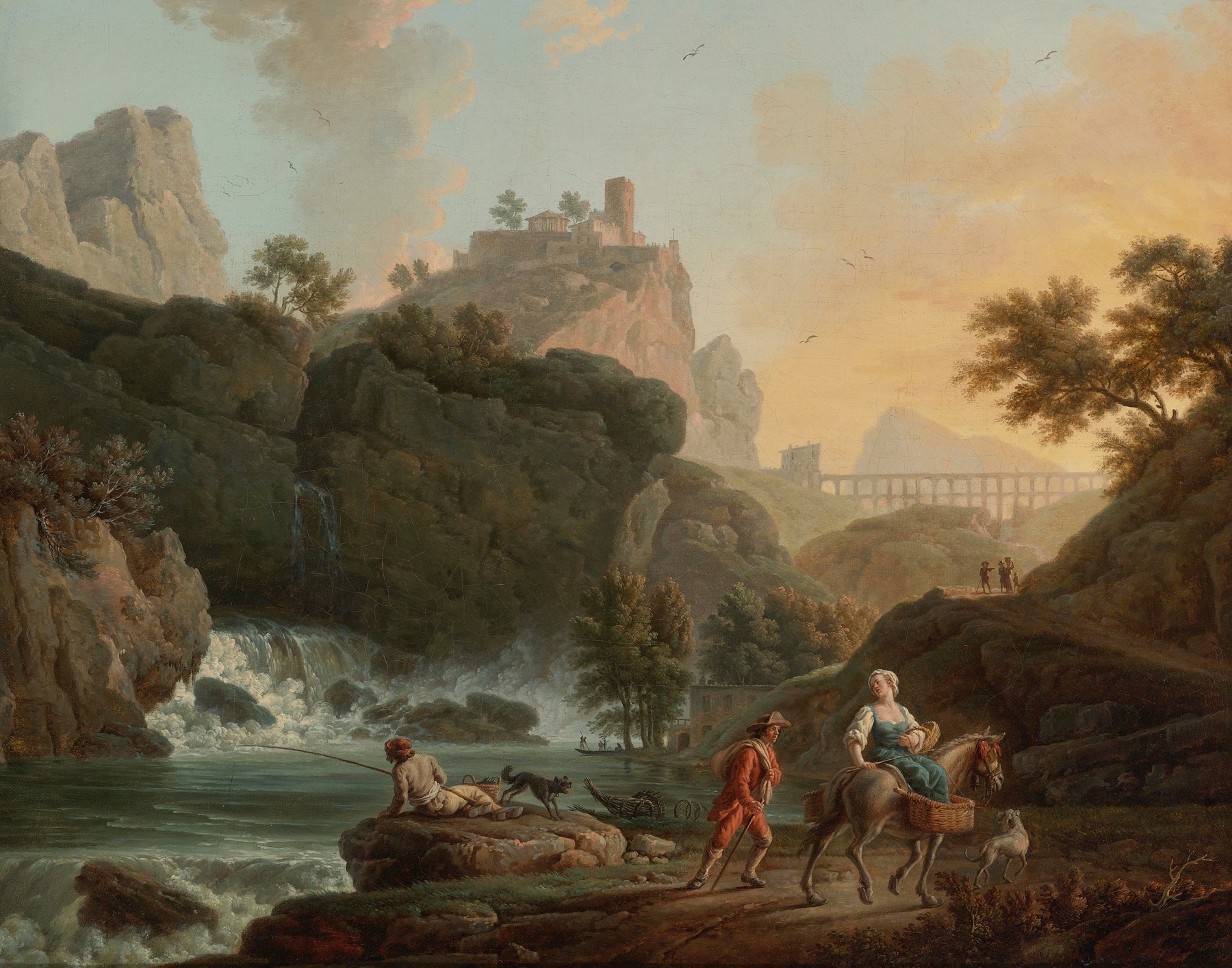
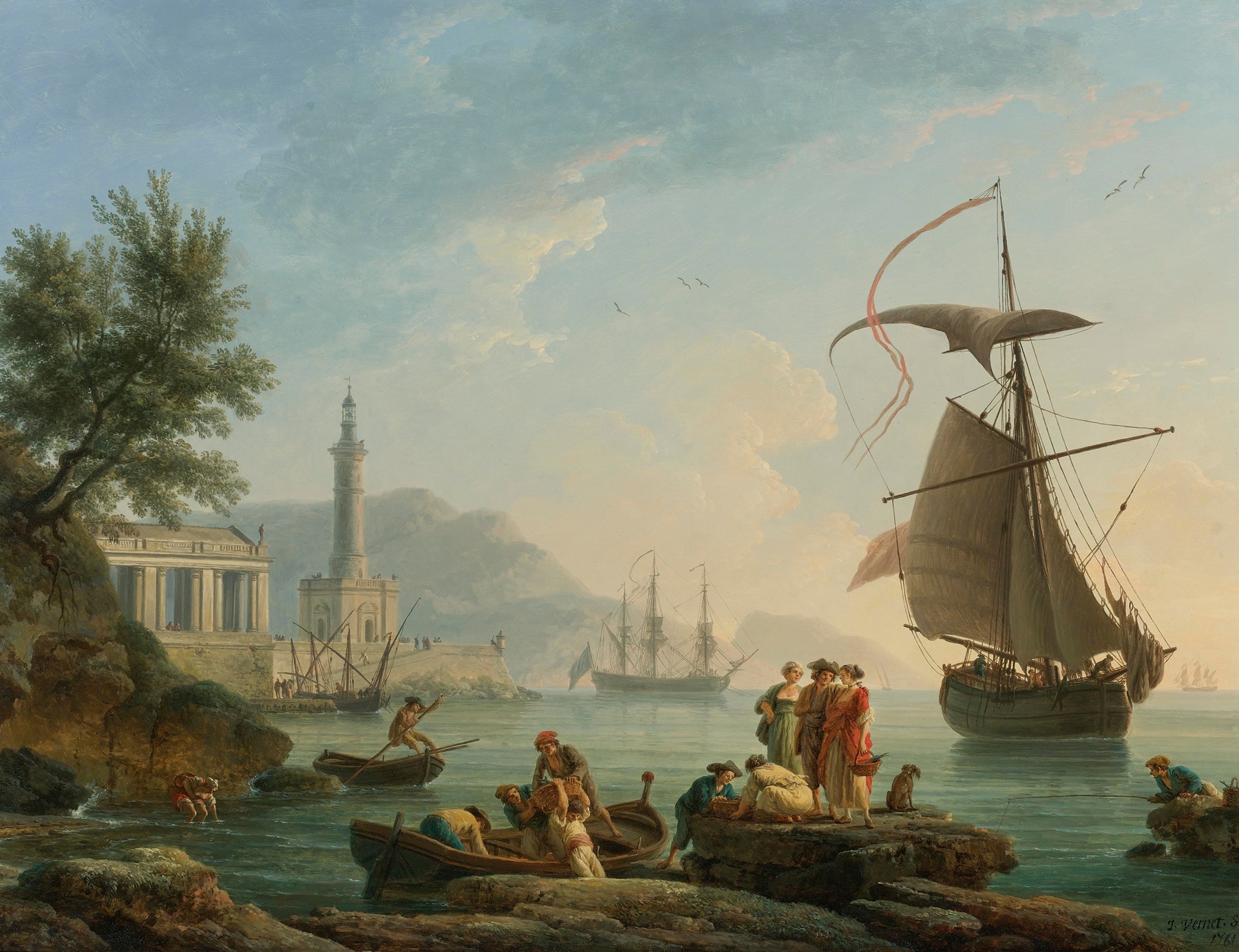
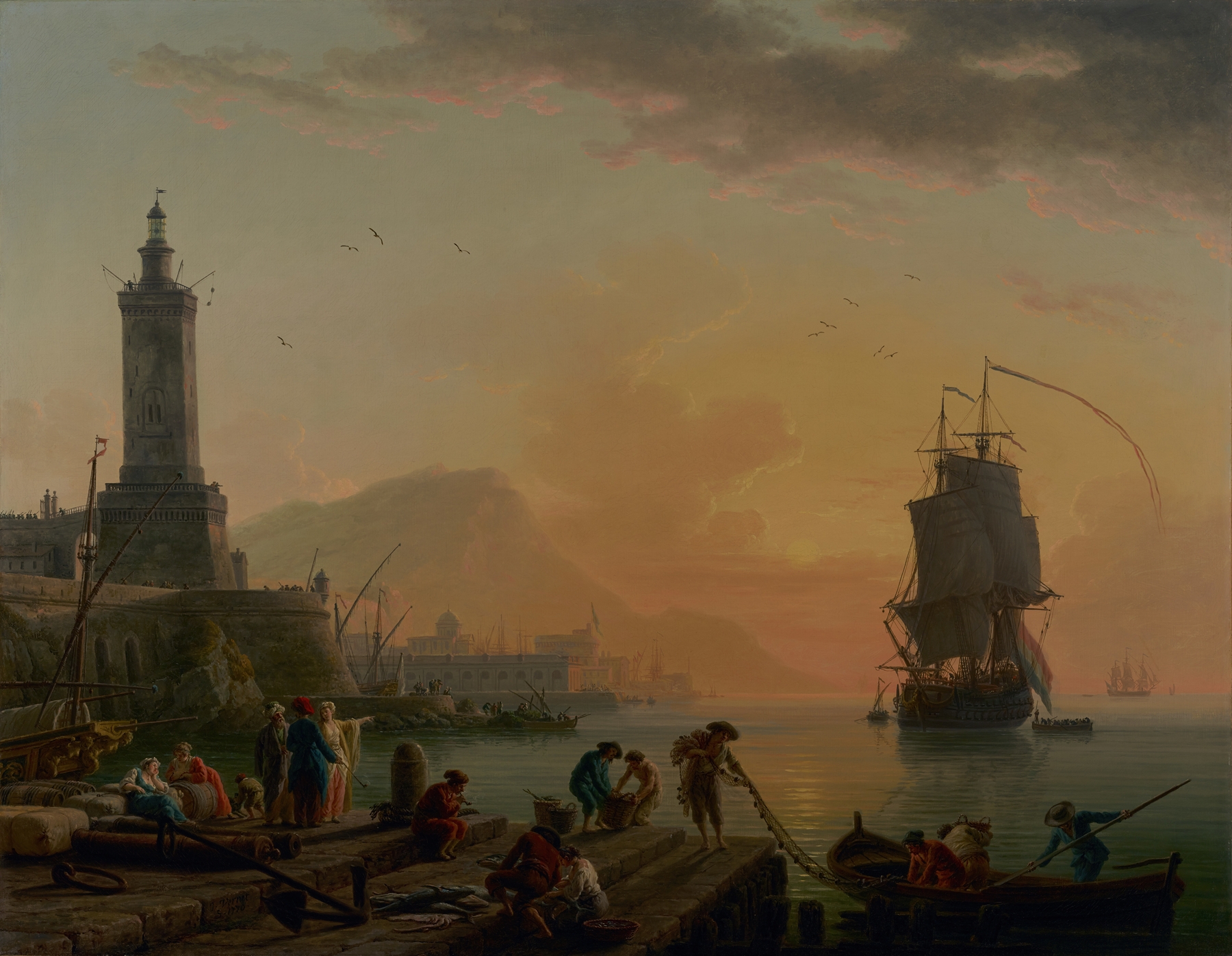
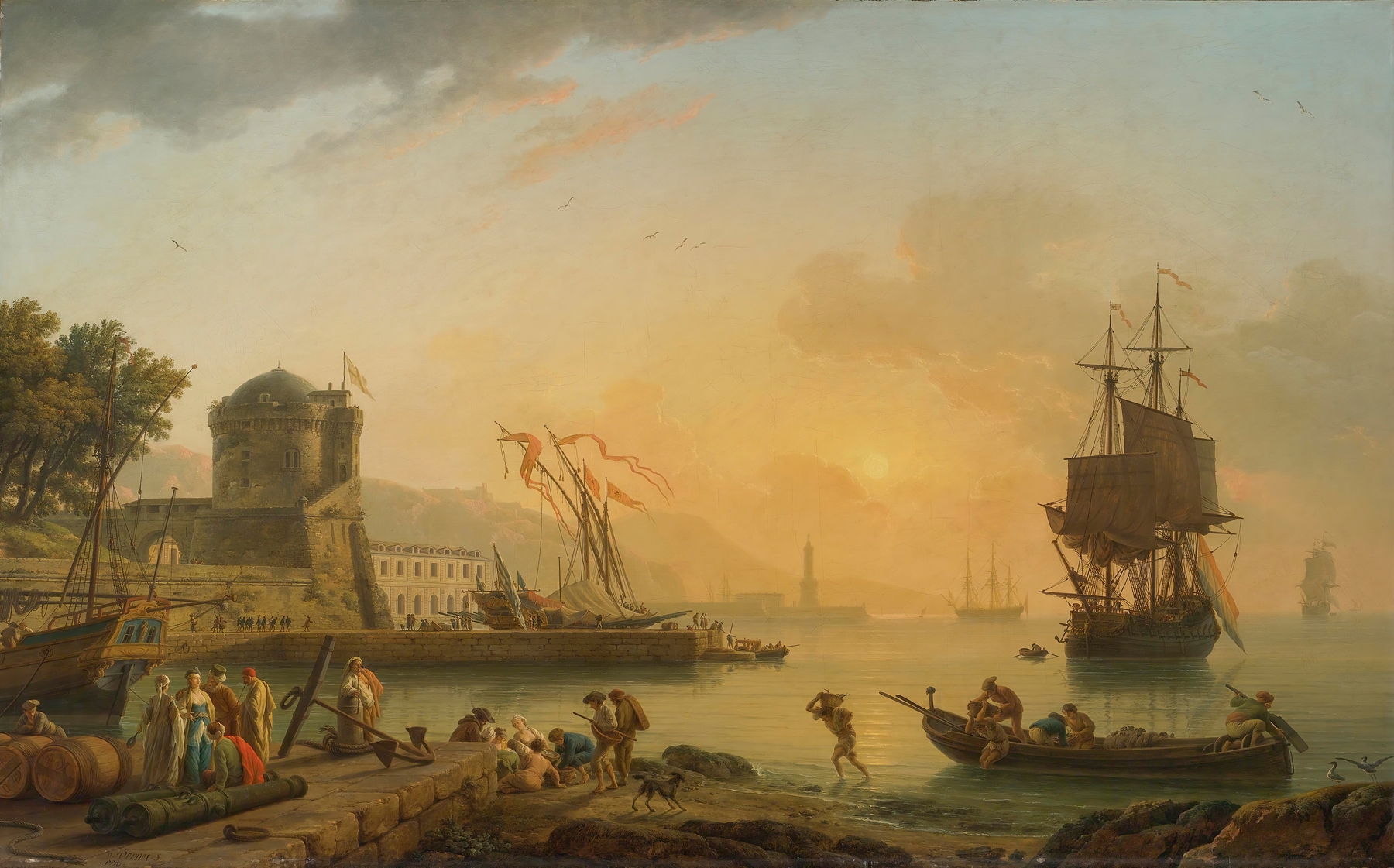
What if beauty was never meant to be finished? In the whispers of time and light, there lies a canvas where the ephemeral meets the eternal, captured in a moment that seems to linger infinitely. Focus on the gentle arc of the bridge as it stretches across the water, inviting the eye to traverse from one side of the composition to the other. The soft hues of the sky blend seamlessly with the river’s reflective surface, suggesting a harmony between earth and the heavens.
Notice how the interplay of warm and cool colors breathes life into the scene, each stroke revealing a meticulous attention to detail that holds the viewer captive. In the distance, silhouetted figures hint at stories untold, caught in a fleeting encounter with the landscape. The juxtaposition of the robust bridge structure against the delicate ripples of water evokes a sense of contrast—strength meeting fragility. This tension reflects not just a scene, but the inherent void where beauty exists, forever unfinished and evolving.
Vernet painted this work during a period rich with artistic exploration in 18th-century France, a time when the appreciation for landscape painting flourished. Although the exact date remains uncertain, Vernet was deeply influenced by his visits to Italy, where he sought to capture the spirit of the Roman scenery. The work exemplifies his ability to blend reality with imagination, a hallmark of his oeuvre that resonated with the shifting tides of artistic expression during this era.